What deep cleaning does for your cutting tools
Garden tools pick up more than dirt. Sap hardens on blades, fine grass juice dries into a sticky film, and wet weather on the KZN coast can leave light rust marks on pivots and springs. Deep cleaning clears that build-up so the cutting edge can move properly again and the tool is safer to use.
This service is useful when tools feel sticky, leave ragged cuts, or start to smell from old plant material. It also helps with hygiene, especially if you are moving between beds, hedges, fruit trees, and pruning jobs on different properties. In Pietermaritzburg, Durban, Howick and the coastal belt, we often see tools affected by humidity and stored in sheds where moisture hangs around. A proper clean makes a real difference.
We work on hand pruners, loppers and hedge shears used by home gardeners, estates, school grounds teams and landscape crews. If the tool has sap on the blade, grit in the joint, or dried residue around the spring area, it will usually benefit from a full clean before any other service.
What is included in a deep clean
Our deep cleaning service is more thorough than a quick wipe-down. We clean the working surfaces, joint areas and hard-to-reach points where residue builds up. The aim is to restore smooth movement and remove anything that can affect cutting action or spread contamination from one plant to another.
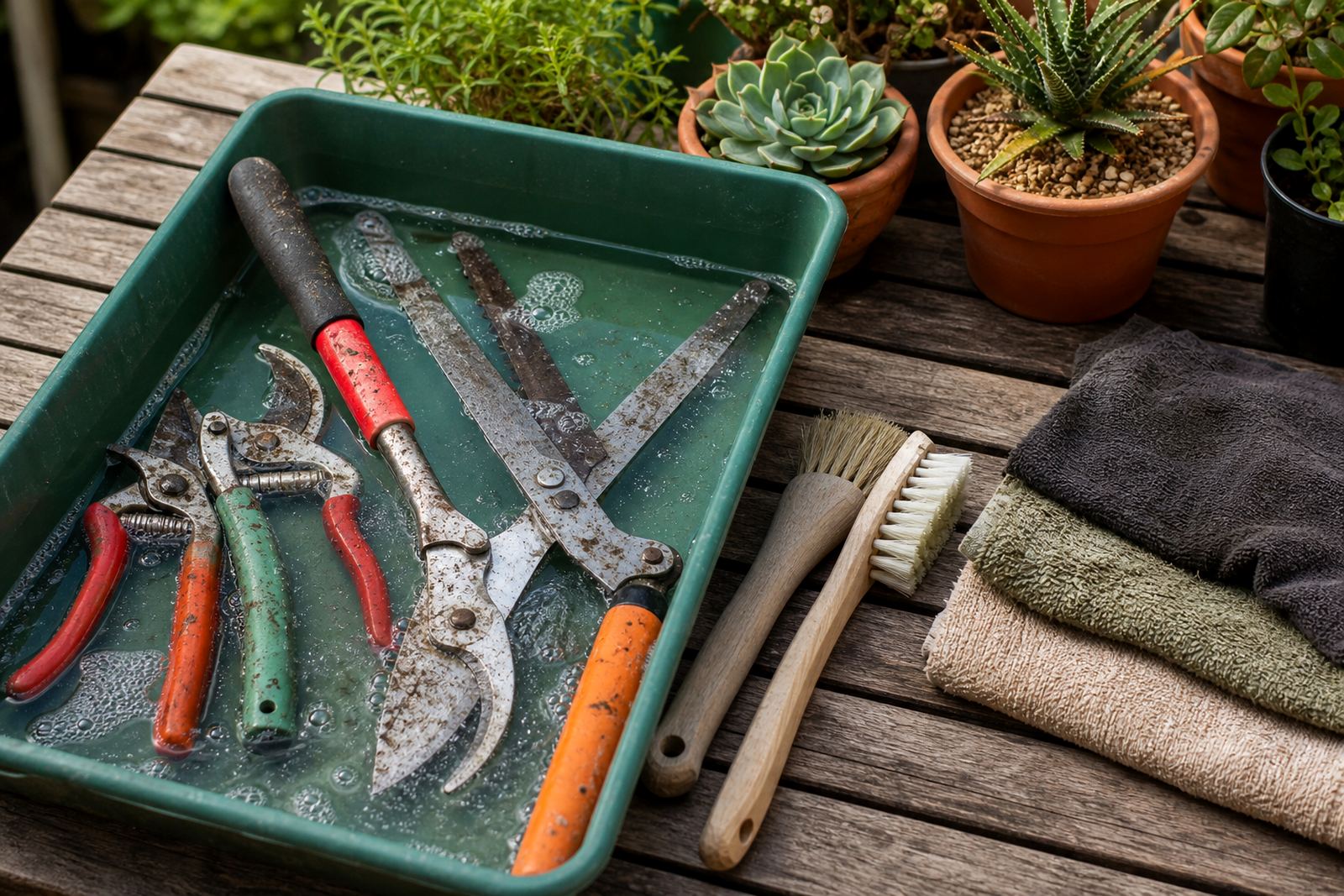
- Removal of sap, resin, soil and plant residue from blades and jaws
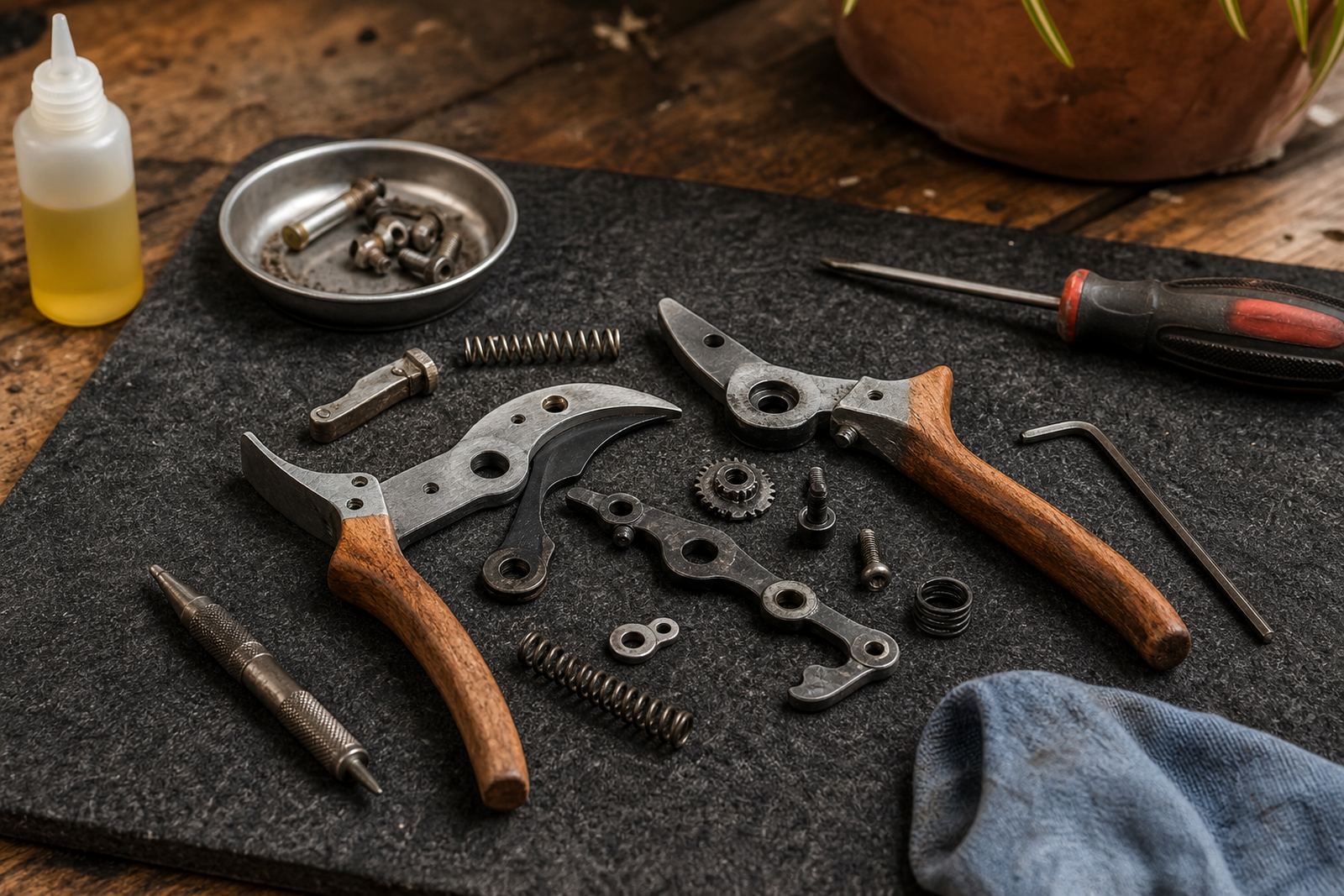
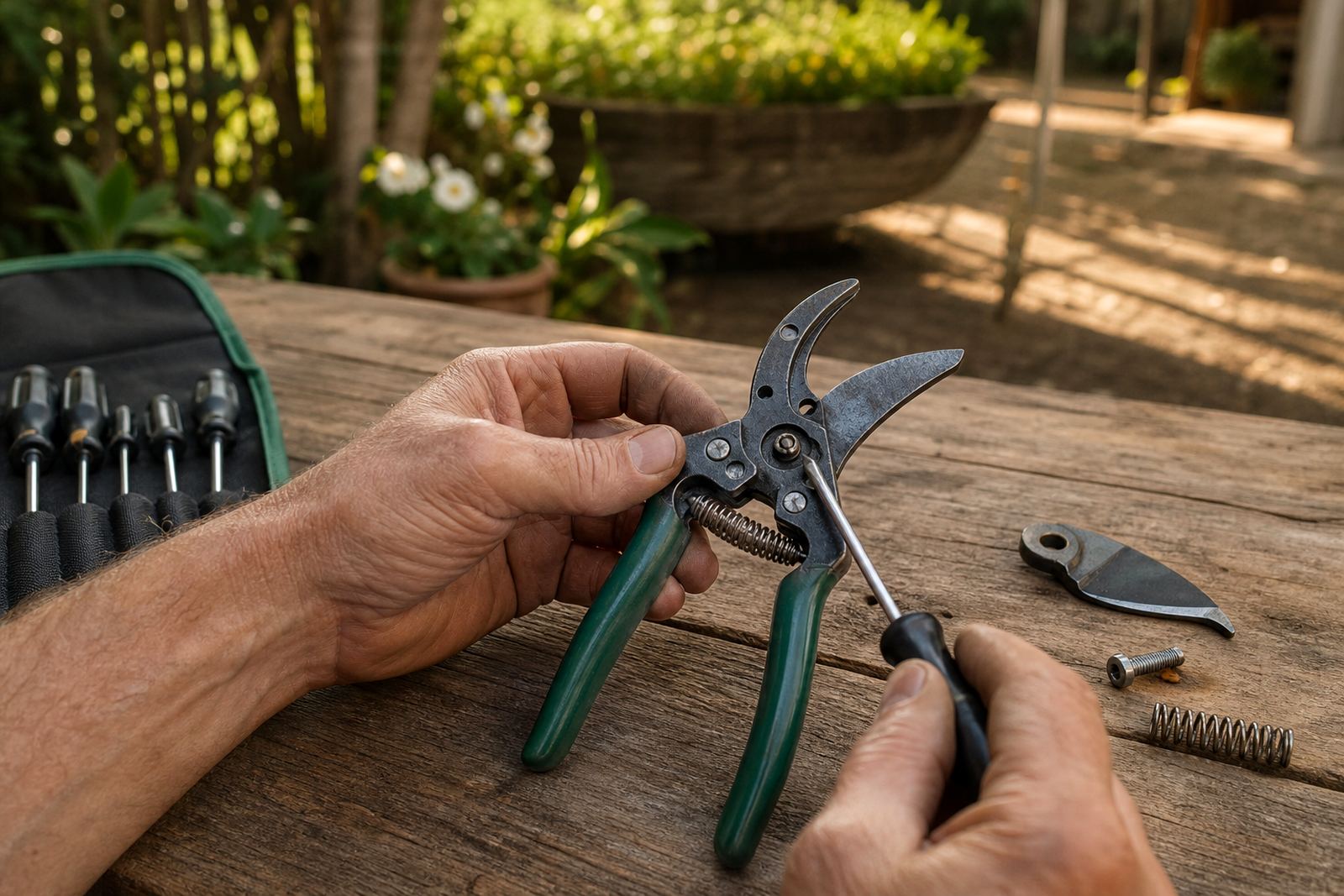
- Cleaning around pivots, springs, locking parts and blade stops
- Degreasing of sticky build-up that causes drag in the cut
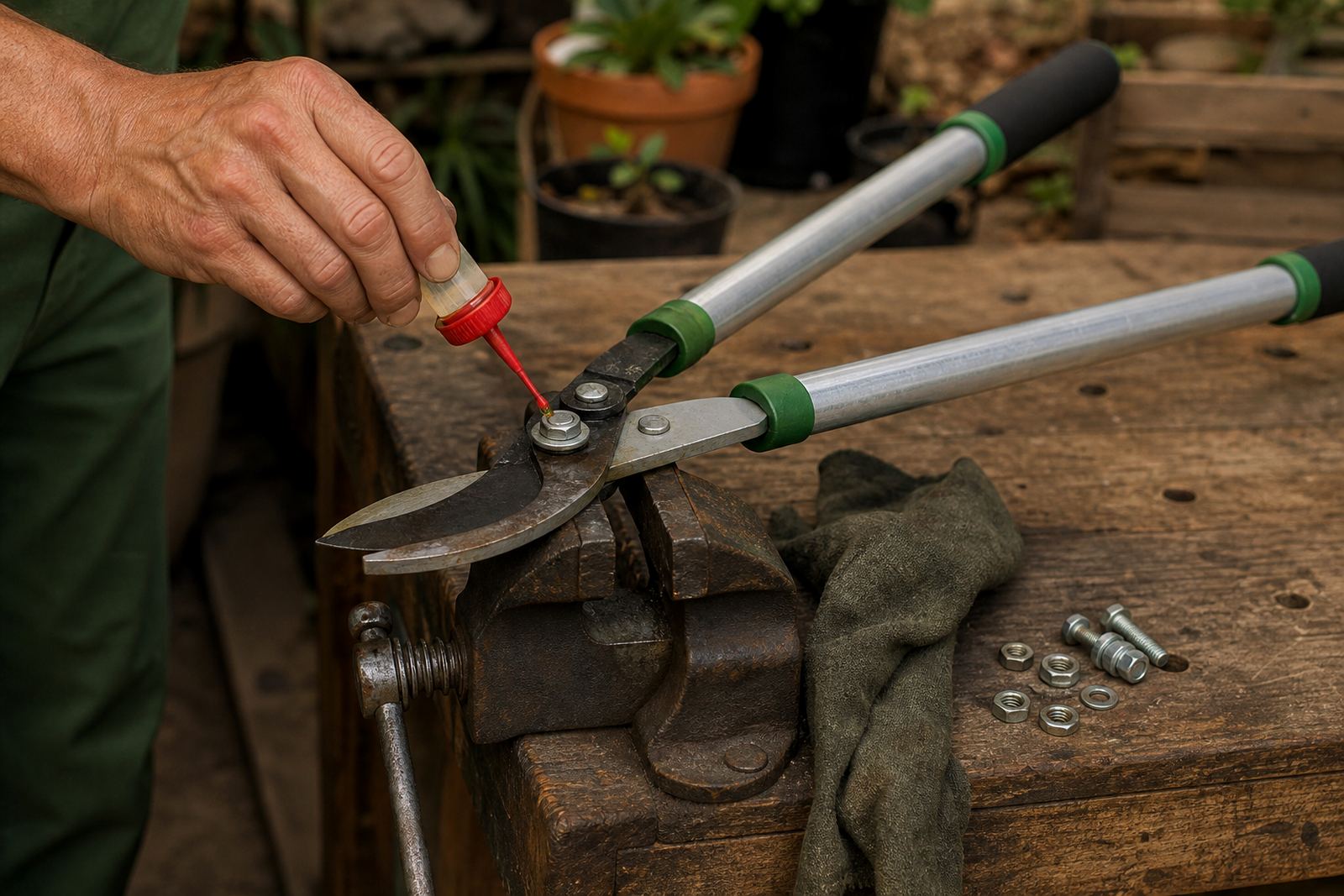
- Light rust removal from accessible surfaces where possible
- Cleaning of grips and handles to remove grime and sweat residue
- Inspection for worn parts, bent blades, loose pivots or damaged springs
- Drying and protection of cleaned surfaces before return
For tools that have been used in wet grass, coastal salt air or mulch-heavy work, we also look for early corrosion. That lets us flag problems before they become costly repairs. Small issues like a sticky pivot or a dirty spring can turn into poor cutting performance if they are ignored.
How the cleaning process works from intake to return
We keep the process straightforward. You bring in the tool through our enquiry process and we confirm the condition, type and service needed. For fleet clients, we can assess multiple tools at once and separate the units that only need cleaning from those that need servicing or parts.
Once accepted, the tool is logged, checked for safety issues and then stripped of dirt and residue using suitable cleaning methods for the specific tool type. We do not rush the job because getting inside the pivot and spring area is what gives the best result. After cleaning, the tool is dried, checked again and prepared for return.
- Step 1: Condition check and service booking
- Step 2: Removal of sap, grime and hardened residue
- Step 3: Pivot, spring and handle area cleaning
- Step 4: Drying, inspection and function test
- Step 5: Return with advice on next maintenance interval
If we spot a blade issue during the clean, we will advise you before any extra work is done. That keeps the service clear and practical. In our experience, a clean tool often reveals the real condition underneath. Sometimes that is just old build-up, sometimes it is wear that needs attention.
Turnaround times and pricing approach
Turnaround depends on the number of tools, how much sap or rust has built up, and whether any extra servicing is needed. A single hand pruner with light residue can move quickly, while a set of hedge shears with heavy build-up may take longer. For larger jobs, especially fleet care and landscape teams, we plan the work in batches so you can keep the job moving.
Pricing is based on the tool type, the level of cleaning required and whether parts or repair work are needed after inspection. We do not quote one fixed figure for every job because a lightly dirty tool and a badly neglected one are not the same. That said, the pricing approach is always straightforward: you pay for the actual work needed, not for unnecessary extras.
For local clients in Pietermaritzburg and nearby areas, the service is often used as part of a regular maintenance cycle. That helps keep costs predictable and avoids the larger expense of replacing worn equipment too early. For businesses and landscapers, we can help build a schedule that suits seasonal workloads and municipal tender requirements where clean, well maintained tools are expected.
Recommended cleaning intervals for South African conditions
The right interval depends on how often you use the tool and where you work. Tools used in damp gardens, coastal suburbs or overgrown sites need more frequent attention than tools used only occasionally. In KwaZulu-Natal, humidity alone can cause residue to harden faster and corrosion to start sooner than many people expect.
As a guide, we suggest the following:
- Home gardeners: deep clean every 3 to 6 months
- Frequent users: every 6 to 8 weeks
- Landscape crews: monthly or as part of planned fleet care
- After heavy sap work: clean as soon as possible after use
- After wet season storage: inspect and clean before the next job
If your tools are shared across staff or used in different gardens, more regular cleaning helps with hygiene too. That matters for clients who want neat hedges, healthy plants and cleaner cuts on every site. It also reduces the chance of transferring disease from one plant to another, which can be a problem in fruit gardens and tight ornamental beds.
Keeping blades cleaner between services
A deep clean lasts longer when the tool is looked after between visits. Wipe blades after use, store them dry, and do not leave sap to harden overnight if you can avoid it. If you are working through load-shedding or long power cuts, it is still worth doing a quick hand clean before putting the tool away, since moisture and residue left overnight are what cause most of the trouble.
We also recommend checking the pivot action and storing tools in a dry place with the blades closed. If grips are damaged, if the spring is weak, or if the tool starts to stick again soon after cleaning, it may need servicing rather than another wash. That is where our wider tool care services can help, including spring replacement, pivot adjustment and parts fitting.
For gardeners in Durban, Cape Town, Gqeberha, Pretoria and Johannesburg, regular cleaning supports better performance through changing weather and storage conditions. A clean tool cuts more neatly, feels better in the hand, and lasts longer. It is simple maintenance, but it pays off quickly.
Key facts
| Tools covered | Pruning shears, loppers, hedge shears and similar hand cutting tools |
|---|---|
| Residue removed | Sap, resin, soil, grass juice, grime and light corrosion |
| Typical use cases | Home gardens, estates, schools, landscapers and fleet care |
| Service focus | Cutting action, hygiene, pivot movement and surface condition |
| Recommended interval | Every 3 to 6 months for home users, more often for regular users |
| Base location | Mkondeni, Pietermaritzburg, KwaZulu-Natal |