What our spring replacement service includes
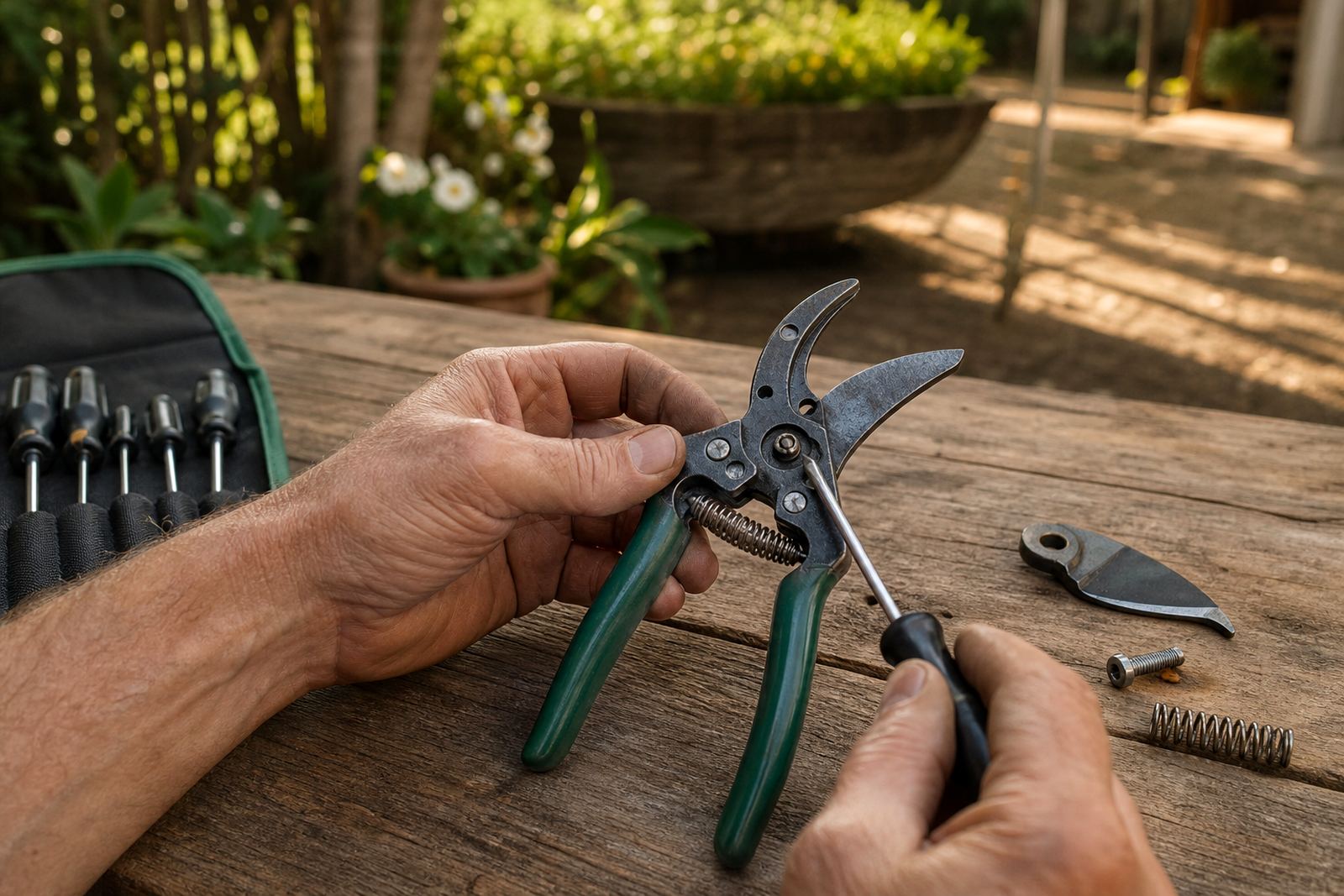
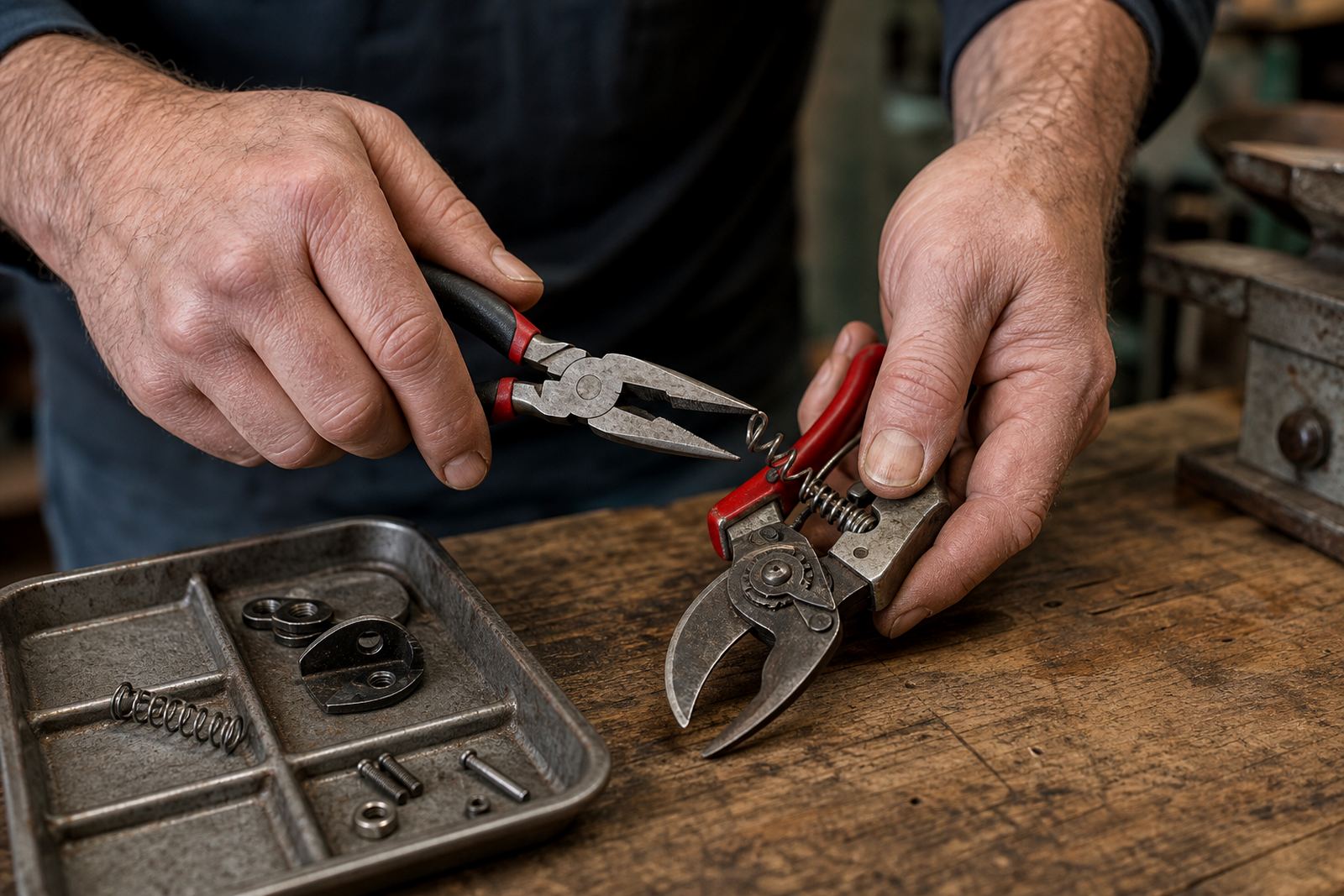
We service compatible hand tools used by home gardeners, landscapers and grounds teams across South Africa. The job is more than slipping in a new spring. We check the pivot area, clean the moving parts, inspect the handles and make sure the spring sits correctly for even action. That matters on secateurs, bypass loppers and hedge shears where alignment affects every cut.
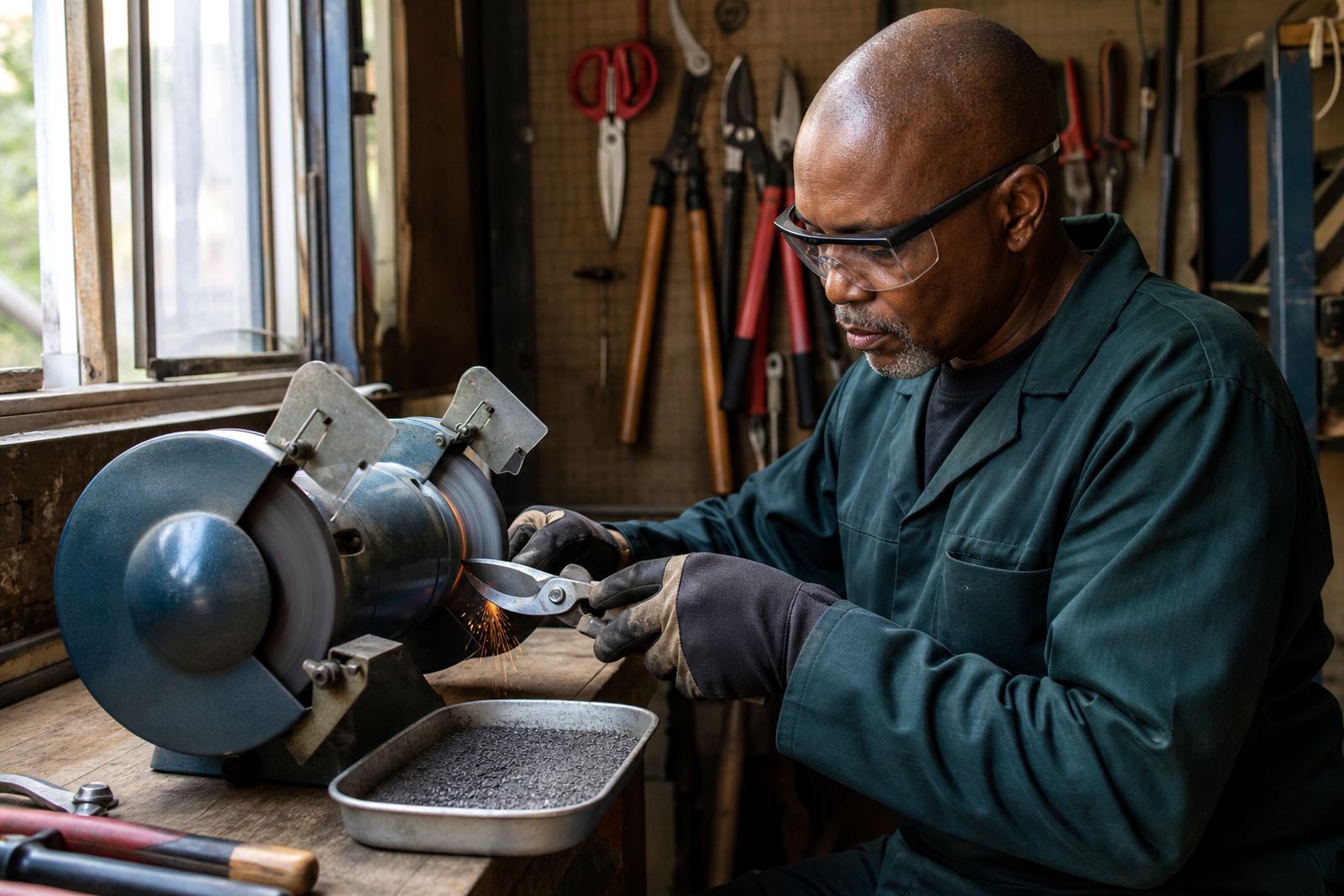
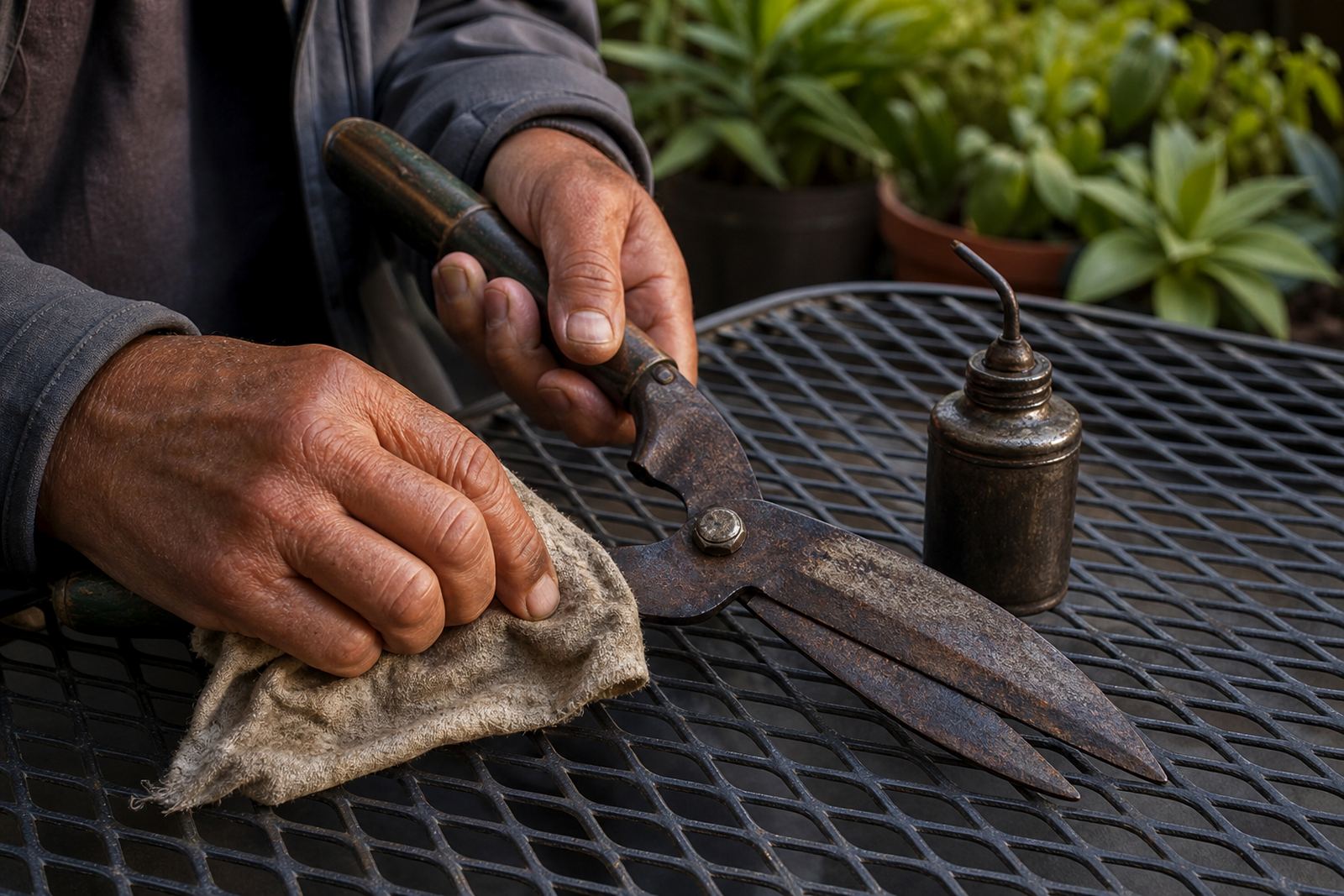
Where needed, we also remove grime and light rust around the spring housing, then test the opening action by hand. If a spring replacement is paired with a pivot adjustment or grip replacement, the tool often feels much better straight away. The result should be a cleaner open and close motion, with less fatigue over a long morning in the garden or on a municipal maintenance round.
- Removal of worn or broken spring
- Fitment of a compatible replacement spring
- Cleaning of the spring area and moving joints
- Movement check and reopening test
- Basic inspection for wear on handles and pivots
How the process works from enquiry to collection
Clients reach us through the enquiry form on our contact page and we respond with the next steps based on the tool type and condition. If you are in Pietermaritzburg, Hilton, Howick, Durban, Johannesburg, Pretoria, Cape Town or Gqeberha, we will confirm how to send the tools in or arrange the most practical handover method available. Our Mkondeni base handles incoming repairs, inspections and dispatch each weekday.
Once the tool arrives, we record the condition, confirm whether the spring can be replaced on that model, and carry out the work. If the tool has additional issues such as a bent blade, seized pivot or cracked handle, we flag that before proceeding. That way there are no surprises, and you can decide whether to combine services now or later.
- Submit the enquiry form with tool type and issue
- We confirm compatibility and turnaround estimate
- Tools are received and assessed at our Pietermaritzburg base
- Spring replacement is completed and tested
- Tool is returned or collected once ready
Turnaround times for busy seasons and regular servicing
Turnaround depends on the tool condition and how many items are booked in at the same time. A straightforward spring replacement on a compatible hand tool is usually handled quickly, but peak gardening periods can add a little time. Spring and autumn are often the busiest, especially when gardeners are tidying hedges, clearing growth after rain, or preparing for a property inspection.
For most standard jobs, we aim for a practical turnaround that keeps downtime low. If the tool also needs cleaning, rust removal or parts fitting, allow extra time. In our experience, it is better to do the job properly than rush a spring that will fail again after a week. We work with homeowners, landscapers and small crews who need tools back in use without unnecessary delay.
- Simple spring replacement: usually quick once the tool is received
- Multiple services on one tool: allow extra time
- Busy seasonal periods: plan ahead where possible
- Fleet care plans available for regular users
Pricing approach for spring replacement
Pricing is based on the tool model, the type of spring required and the labour involved in removal and refitment. Some tools use a simple tension spring, while others need a shaped or model-specific spring that must fit correctly to keep the handles balanced. We quote on the actual work needed, not on a flat guess, because one secateur can be a quick job and another may need more careful adjustment.
If the spring is the only issue, the job stays economical. If the pivot is seized or the tool has heavy rust, we will recommend the most cost-effective option. That helps avoid spending money on a spring where the rest of the tool is already too worn. For landscaping teams and frequent users, combining spring replacement with regular servicing can lower long-term costs.
- Quoted according to tool type and condition
- Compatible spring selection included where available
- Additional repairs quoted separately before work continues
- Best value when paired with servicing or inspection
Why spring condition affects cutting control
A weak spring does more than make the tool annoying to use. It changes the rhythm of the cut and puts more load on the hand and wrist. On secateurs, that can mean slower work and reduced control on finer stems. On loppers, it can make repeated pruning harder on the shoulders and forearms. In coastal towns where moisture stays in the air, a tired spring can also start sticking sooner than expected if it is not cleaned and maintained.
For users handling roses, shrubs, hedges or small branches, the difference is easy to feel. A proper spring helps the jaws open fully, improves working speed and reduces the need to pry the handles apart with extra force. That small part has a big effect on comfort, particularly for gardeners who spend long stretches on one job.
- Better reopening after each cut
- Less hand fatigue during repeat work
- Improved tool control on light pruning jobs
- Reduced strain on wrists and fingers
Keeping replacement springs working for longer
Spring replacement works best when the rest of the tool is kept clean and dry. After garden work, wipe sap and moisture off the blades, especially if you are working in humid areas like Durban or near the coast in Gqeberha. In dry inland conditions dust can also collect around the pivot and spring seat, so a quick clean makes a difference.
We recommend periodic checks rather than waiting for the spring to snap completely. For active home gardeners, an inspection every few months is sensible. For landscapers, school grounds teams and larger maintenance crews, include spring checks as part of regular tool care, especially before the main pruning season. If the spring shows rust, loss of tension or visible distortion, have it looked at early. It is a small fix that helps avoid downtime and sore hands.
- Wipe tools dry after use
- Remove sap and dirt from spring areas
- Check for rust or reduced tension regularly
- Book servicing before peak pruning periods
Key facts
| Compatible tools | Hand pruners, bypass secateurs, loppers and hedge shears |
|---|---|
| Replacement type | Spring match to tool model and mechanism |
| Typical issue signs | Weak reopening, sticking handles, cracked or rusted spring |
| Service area | Pietermaritzburg, Durban, Johannesburg, Pretoria, Cape Town and Gqeberha |
| Base | Mkondeni, Pietermaritzburg, KwaZulu-Natal |
| Maintenance interval | Inspect every few months or before peak pruning season |