What pivot adjustment solves on garden tools
Pivot wear shows up in small but frustrating ways. The blades may wobble, drag through stems, leave crushed cuts, or feel stiff enough to tire your hand after a few minutes. On pruning shears and loppers, a poor pivot setting can also throw the blade alignment off, which means more effort and less control on each cut.
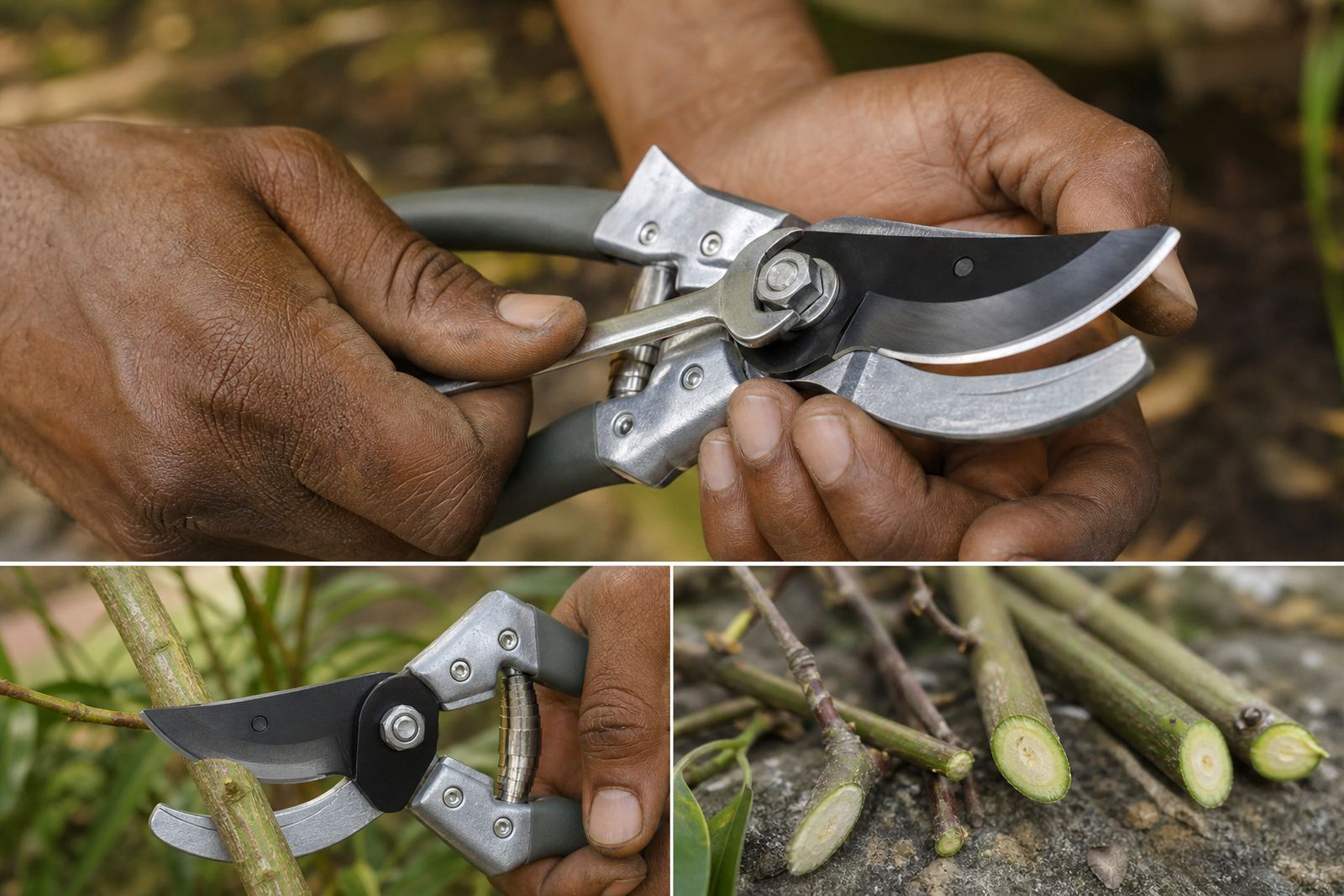
We adjust the pivot to remove excess play while keeping the action smooth. The goal is simple: the blade should open and close with steady resistance, without side movement, binding or chatter. For gardeners in Pietermaritzburg, Durban and coastal areas like Gqeberha, that setting matters even more because moisture and fine dust can work into the joint and change how the tool moves.
- Removes blade wobble and side play
- Relieves stiffness and sticking at the joint
- Helps restore a clean, controlled cut
- Improves comfort for longer pruning sessions
What is included in the pivot adjustment service
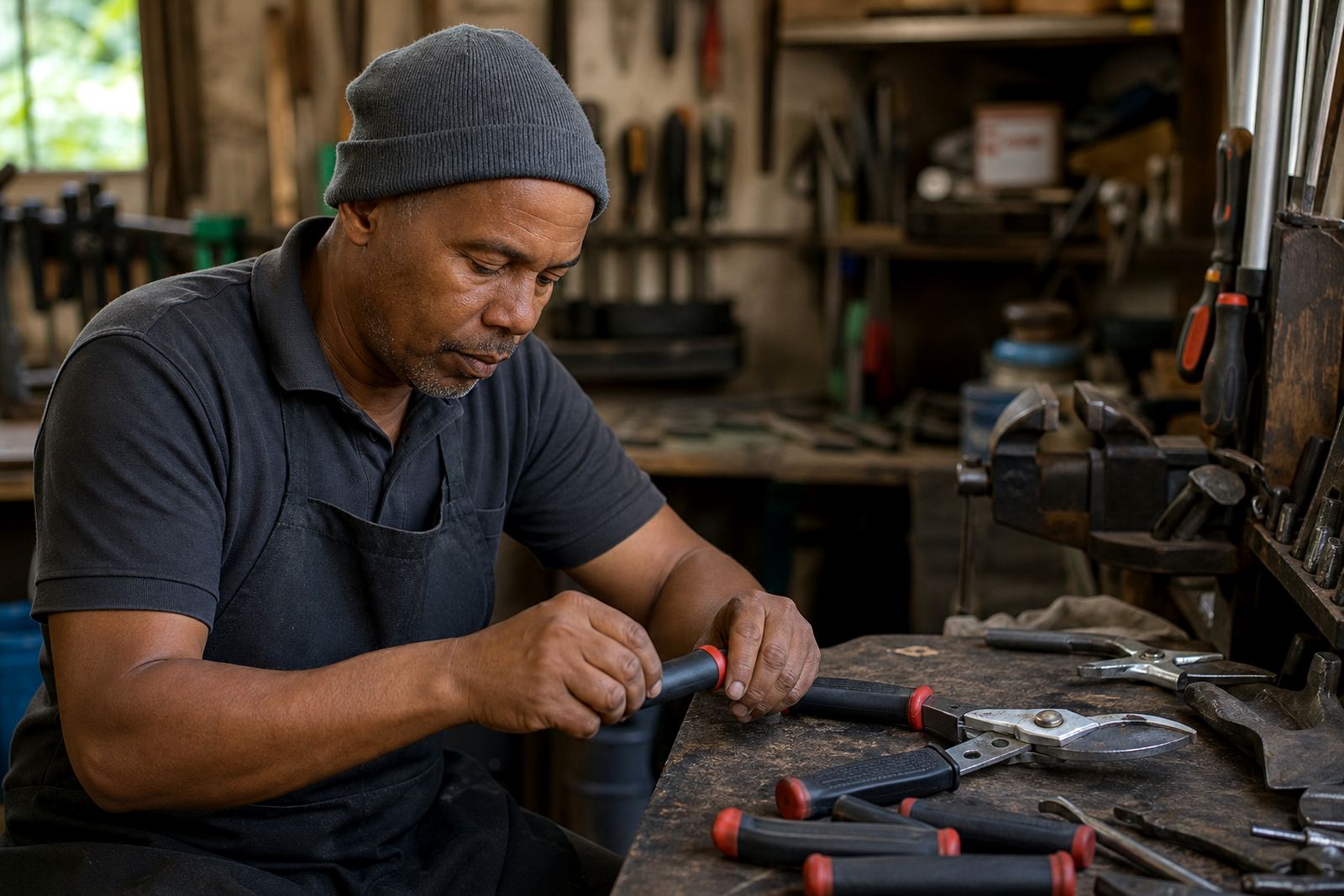
Every tool is checked before the pivot is reset. We look at blade alignment, nut or bolt condition, washers, spring tension where fitted, and any signs of rust or grit around the joint. If the pivot has been overtightened or loosened over time, we correct it and retest the tool under normal cutting action.
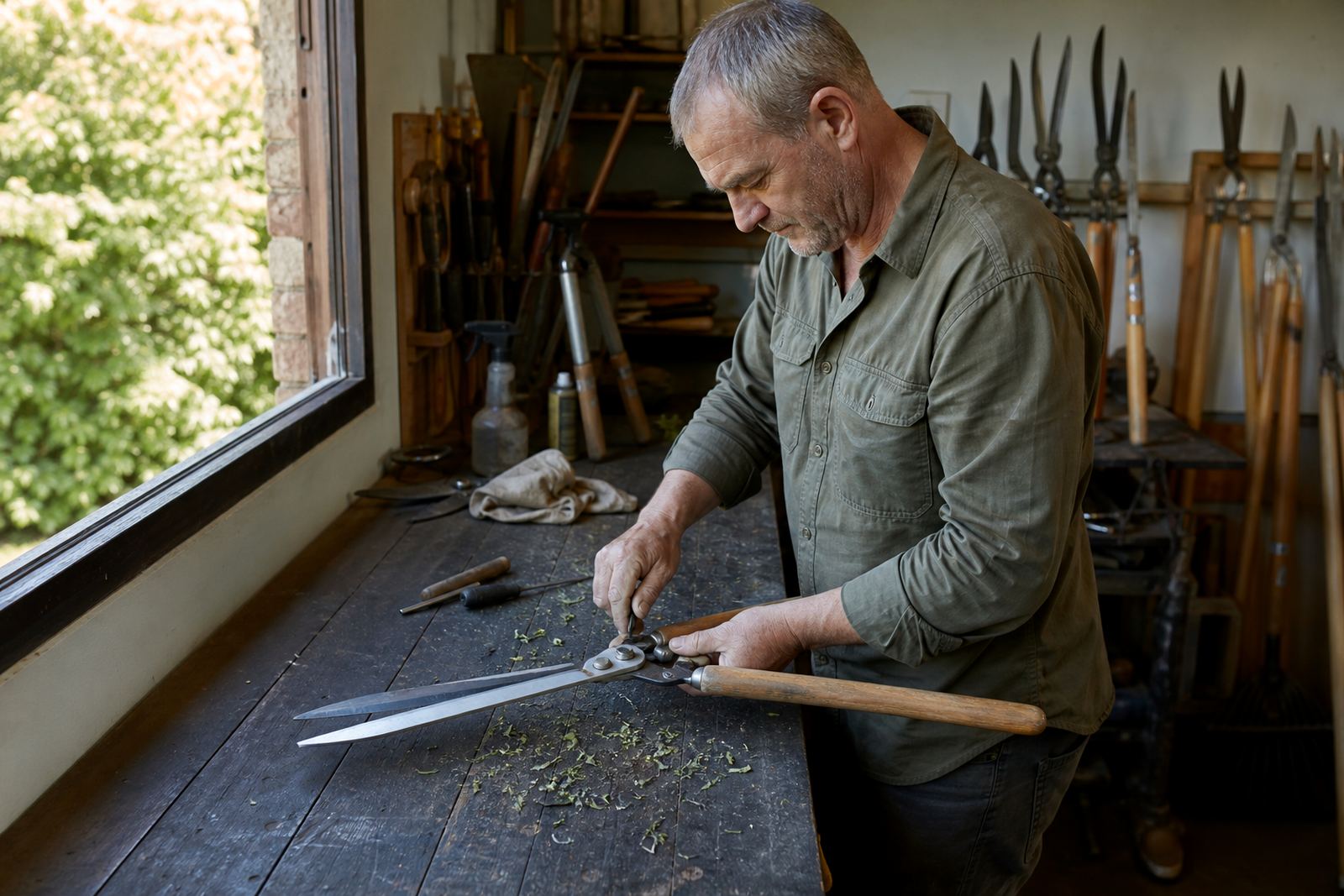
The service is suitable for garden pruning shears, loppers and hedge shears used by home gardeners, landscapers and maintenance teams. If we find that the pivot is no longer holding because of wear on the hardware, we can advise on parts fitting or replacement where needed. We do not force a damaged joint to work, because that usually leads to more wear later.
- Pivot set and tested for correct resistance
- Blade alignment checked against the mating blade
- Hardware inspection for wear, rust and looseness
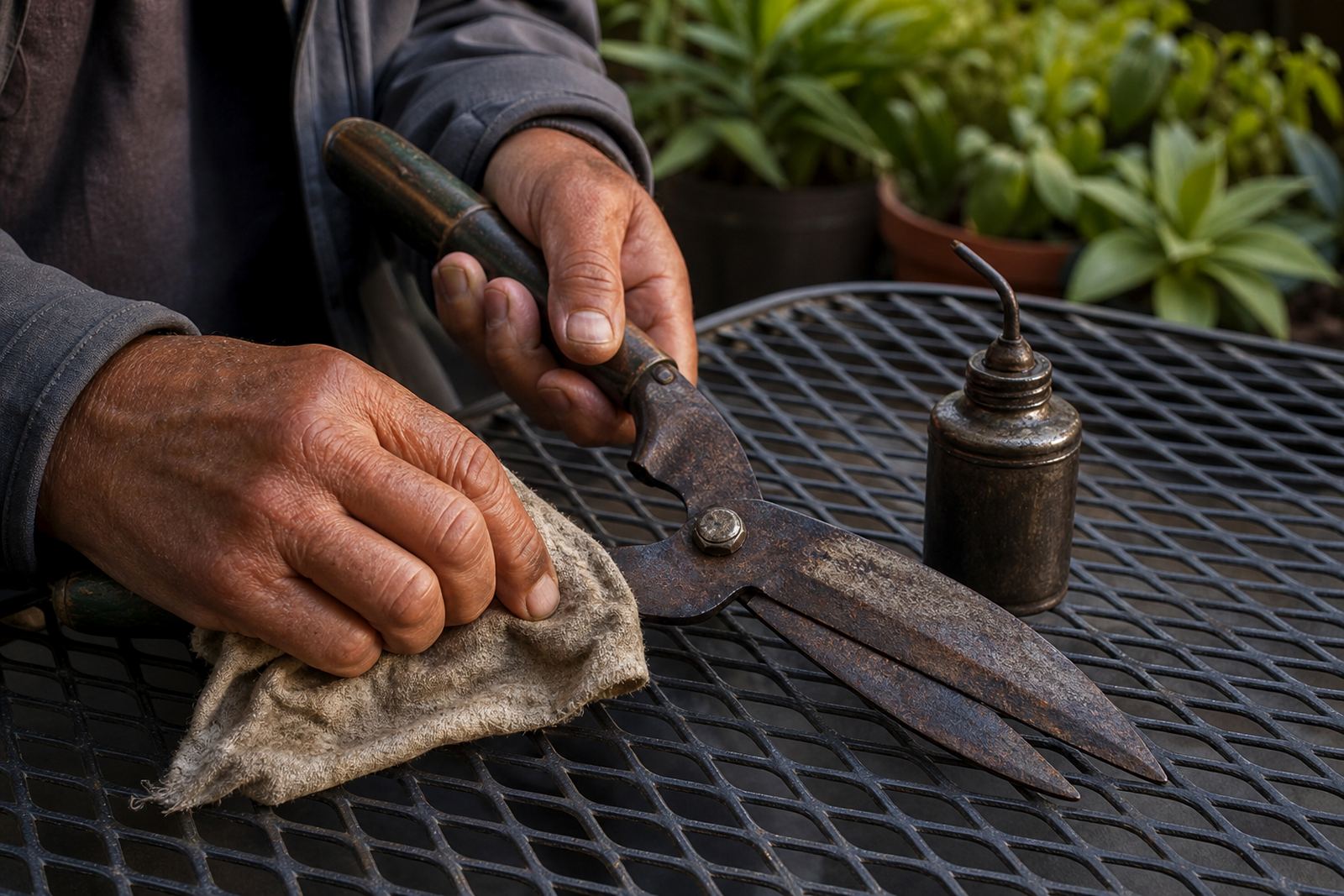
- Minor cleaning around the joint area
- Advice on replacement washers, bolts or related parts if needed
How we handle the service from inspection to final test
We follow a practical process so the result is consistent. First, the tool is inspected for visible wear, bent parts and excess dirt around the pivot. Then the joint is cleaned enough to allow accurate adjustment. After that, the pivot is set in small increments until the blade movement feels correct. It is then tested by hand and on sample material to make sure the cut is smooth, not sloppy or too tight.
For larger hedge tools and loppers, we also check the load on the handle movement and make sure the pivot is not causing uneven pressure through the cut. That matters when you are pruning thick growth in summer or clearing back after the rainy season. If a tool has been left in a shed or truck box during load-shedding related downtime, we often see extra surface rust around the joint, so a proper clean and reset helps a lot.
- Initial inspection and condition check
- Joint cleaning and removal of loose debris
- Pivot setting and tension correction
- Functional test for smooth opening and closing
- Final check for blade play, stiffness and cut quality
Turnaround times and when to book it in
Turnaround depends on how many tools need work and whether the pivot is simply out of adjustment or needs related attention as well. A single hand tool with a straightforward pivot correction is usually quicker than a full batch of hedge tools from a landscaping team. We try to keep the process efficient so you can get tools back into use without long delays.
If your tool is showing one or more of the signs below, it is time to book the service rather than keep forcing the cut. In many cases, a timely adjustment prevents extra damage to blades and handles, and that saves money later.
- Blade moves from side to side at the joint
- Tool feels too stiff or catches mid-cut
- Handles do not close evenly
- Cutting requires extra hand pressure
- The tool makes a scraping or gritty feel at the pivot
For clients in Pietermaritzburg and nearby areas like Hilton and Howick, we can also help with batch servicing for pruning teams and property maintenance crews.
Pricing approach for pivot adjustment work
Pricing is based on the tool type, the condition of the pivot, and whether any extra work is needed to get the joint back to proper working order. A simple adjustment on a clean tool is priced differently from a joint that needs rust removal, new washers or parts fitting. That keeps the cost fair and tied to the actual work required.
For gardeners and landscaping businesses, it is often best to combine pivot adjustment with other maintenance on the same tool, especially if the blade is dull or the spring is weak. That way the tool is sorted in one visit instead of going out for repeated servicing.
- Simple pivot adjustment: priced lower for clean, minor corrections
- Worn or seized joint: priced according to cleaning and correction needed
- Batch tool sets: priced per unit with volume consideration
- Additional parts or repairs: quoted only if required after inspection
Maintenance intervals for smoother cutting year round
Most garden tools benefit from periodic pivot checks, especially if they are used weekly or kept in damp storage. In KwaZulu-Natal, humidity can affect the joint sooner, while sandy conditions in parts of the coast and dry dust inland can work into the pivot and cause friction. A good habit is to inspect the action after heavy pruning jobs, after washing the tool, and before the main growing season begins.
For regular home use, a pivot check every few months is usually enough. For landscapers, municipal teams and property managers using the same tools across multiple sites, the interval may be shorter. If the joint feels off, dont wait for the blades to start biting unevenly. Catching it early keeps the tool safer and easier to control.
- Home gardeners: check every 2 to 4 months
- Regular landscape use: check monthly or after heavy work
- After washing or storage: dry and recheck the pivot
- Before peak pruning periods: inspect for play and stiffness
Key facts
| Service type | Pivot adjustment for garden pruning shears, loppers and hedge tools |
|---|---|
| Main purpose | Correct blade play and stiffness through proper pivot setting |
| Tools covered | Hand shears, bypass shears, loppers and hedge shears |
| Typical issue signs | Loose blades, stiff movement, uneven closing, scraping at the joint |
| Turnaround | Depends on condition and batch size, from quick single-tool checks to larger team jobs |
| Pricing model | Quoted by tool condition and any extra cleaning, parts or related servicing needed |