A compact lopper for tighter pruning spaces
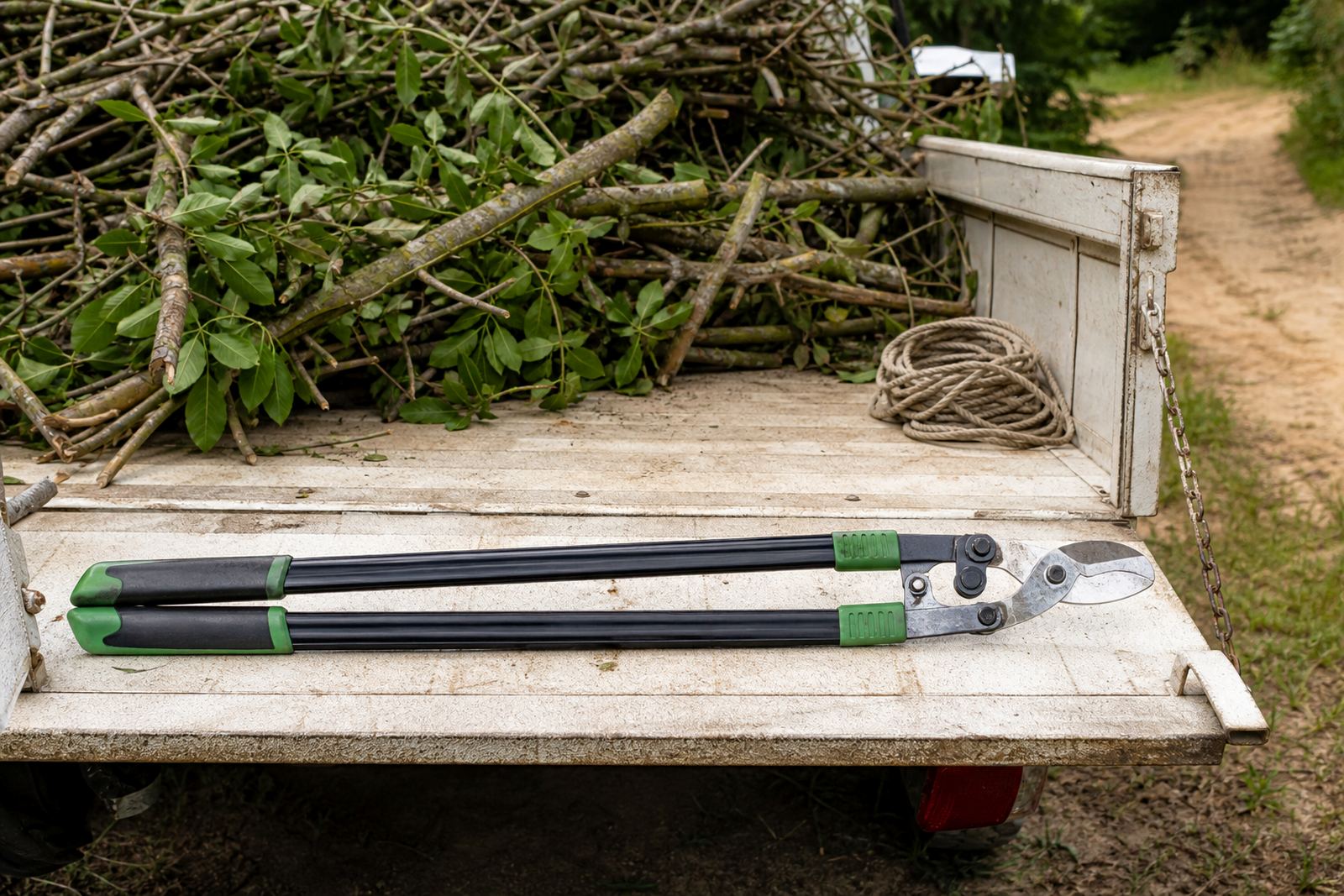
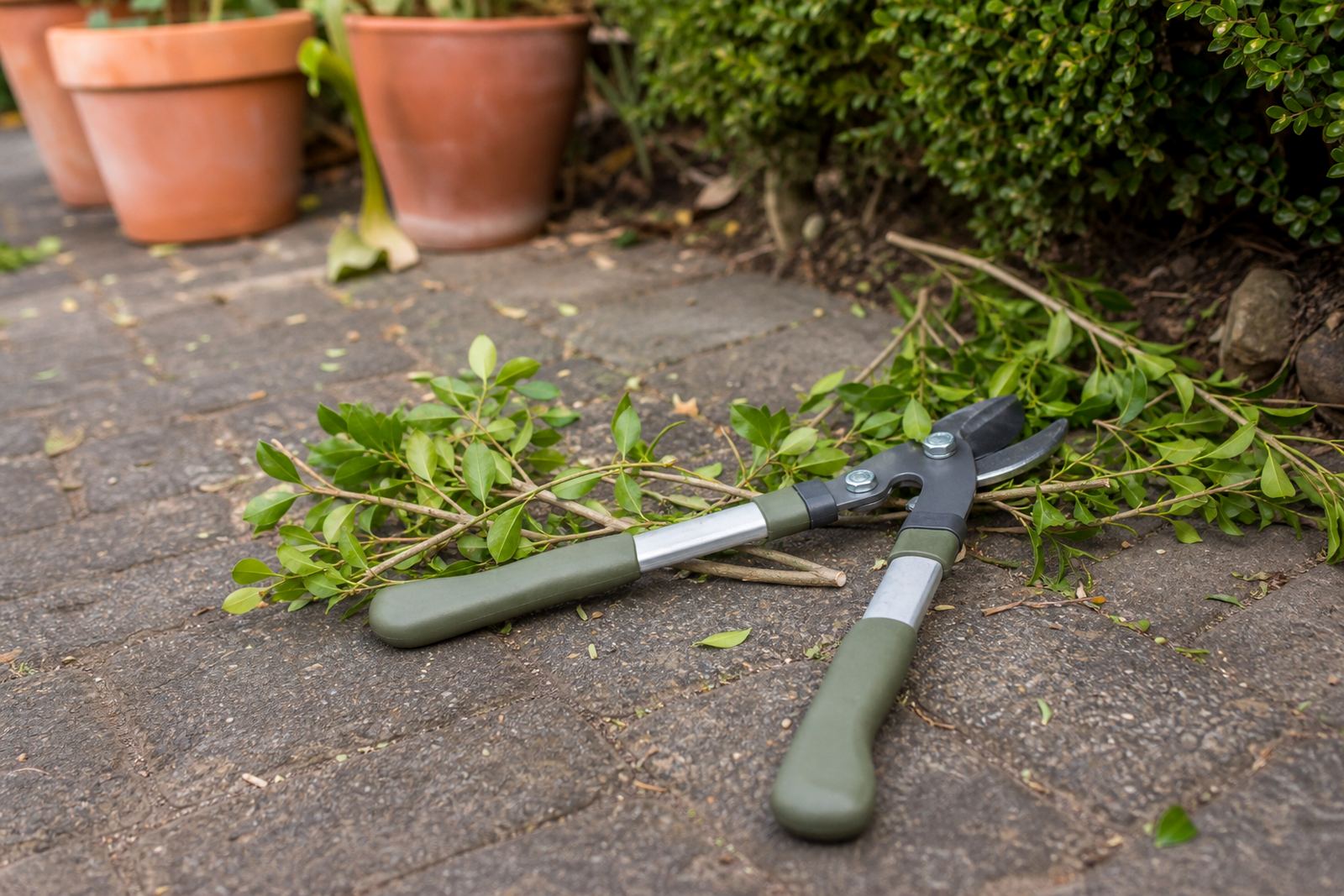
The Mini Branch Lopper is a short-handled cutting tool made for pruning in spots where longer tools feel clumsy. It suits small courtyards, town gardens, hedge edges, planted borders and awkward corners around driveways or boundary walls. Because the handles are shorter, the tool is easier to guide with one clear line of sight to the branch, which helps when you are working close to other plants or near a wall.
This type of lopper is often chosen by home gardeners in Pietermaritzburg, Durban and coastal towns where dense planting can make movement tricky. It also suits landscaping crews doing detail work after a bigger cut-back, when a few stubborn stems still need attention and you dont want to keep changing tools.
Sizes, blade types and handle options
Mini branch loppers are generally supplied in compact lengths, usually around 350 mm to 600 mm overall. That makes them lighter to carry and simpler to store in a ute, tool box or garden locker. Cutting capacity depends on the blade style and the build, but most light-duty mini loppers are best for stems up to about 20 mm to 25 mm, while heavier versions may take slightly more with good technique.
- Compact length for close trimming and one-handed positioning
- Bypass style blades for clean cuts on living stems
- Anvil style blades for harder, drier or dead wood
- Steel cutting heads for regular use in home gardens and landscape maintenance
- Non-slip grips for more control in damp weather or on humid coastal days
For KwaZulu-Natal conditions, especially near the coast, a clean blade and a comfortable grip matter a lot. If the handles are too smooth, sweaty hands or morning moisture can make the job harder, so the grip finish is worth checking before you order.
Where the Mini Branch Lopper suits best
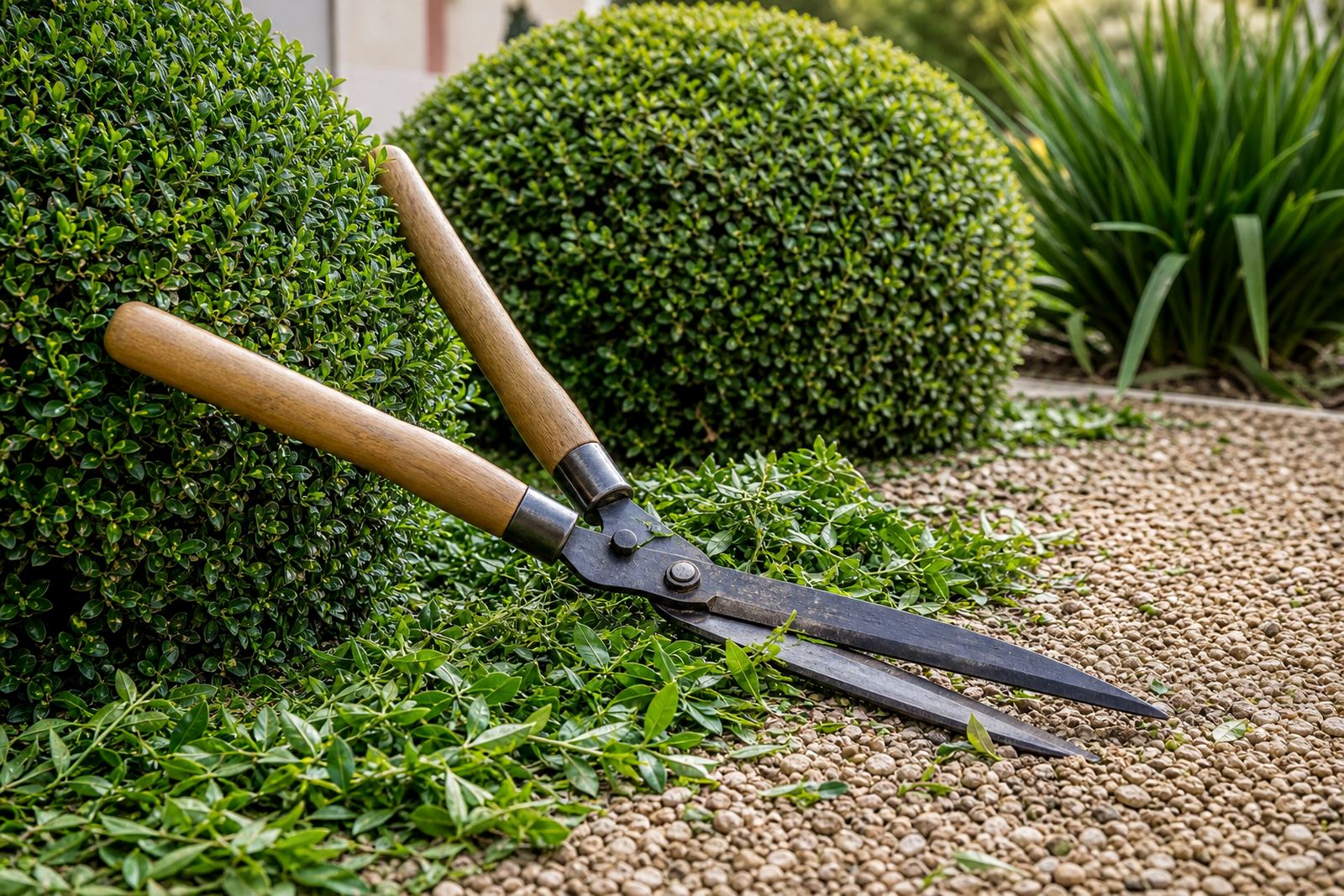
This tool is ideal for pruning in places where larger loppers are awkward to swing. That includes compact residential gardens, indoor courtyard plantings, narrow side passages, raised beds and established hedges that need tidying without damaging nearby leaves. It can also help when cutting around irrigation lines, pots, decorative edging or low fences.
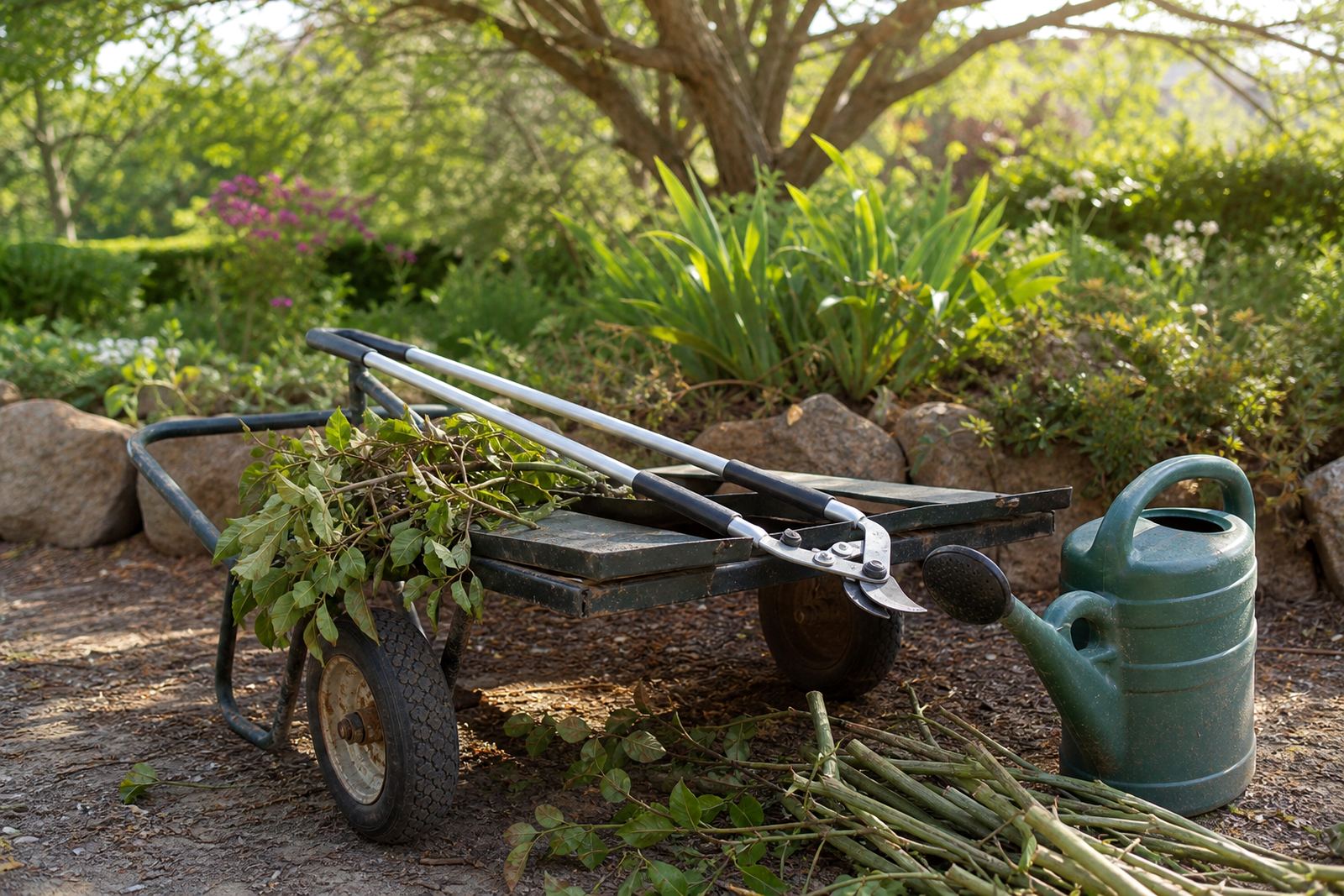
For landscapers working across Johannesburg, Pretoria, Cape Town or Gqeberha, a mini lopper is useful as a second tool on the truck. It saves time on detail work and keeps the crew from forcing a bigger lopper into a space where it is likely to nick nearby plants or strain the wrist.
- Small backyards and townhouse gardens
- Hedge cleanup after larger cutting is done
- Pruning around trellises, walls and paving edges
- Light maintenance in municipal verges and managed estates
- Touch-up work in nurseries and commercial properties
No power, petrol or charging needed
The Mini Branch Lopper is a manual tool, so there is no fuel to top up, no charger to carry and no cords to manage. That makes it practical during load-shedding and in places where you need quick access without setting up equipment. It is ready when you are, which is handy for property managers, grounds staff and home users who want simple, dependable cutting.
Because it does not rely on electricity or gas, there is also less to go wrong on the day. You only need to keep the cutting head clean, the pivot adjusted and the blades sharp enough for the material you are cutting. It is a straightforward tool, and that is often the point.
Care, servicing and blade upkeep
Like any hand tool, a mini lopper lasts longer with regular care. Wipe the blades after use, especially if you have been cutting sap-heavy stems or working in damp conditions. On the coast, salt air can encourage rust, so storage in a dry place makes a real difference. A light oil on the pivot and blade surfaces helps prevent sticking and keeps the action smooth.
Cut Tools Garden can assist with blade sharpening, rust removal, pivot adjustment, spring replacement, grip replacement and deep cleaning. If the tool starts to crush stems instead of cutting cleanly, that is usually a sign the blades need attention. Dont wait until the tool is hard to open or close, because that often means extra wear on the whole head.
- Clean off sap and debris after each use
- Check the pivot for play or stiffness
- Store away from moisture and fertiliser bags
- Sharpen before the cutting edge becomes dull
- Replace worn grips if the handles start slipping in the hand
What to check before you place an order
Before ordering, check the stem thickness you normally cut, the amount of reach you need and whether you prefer a bypass or anvil blade. Also think about hand size, grip comfort and how often the tool will be used. If several people will use the same lopper on site, it is worth choosing a model with a comfortable handle shape and a pivot that can be serviced easily.
For teams buying for regular use, ask about inspection and fleet care plans as well. A tool that is simple to maintain can save time later, especially when you are managing multiple gardens or estates across different towns. If you are not sure which size suits your job, send the details through the enquiry form and ask for guidance before placing the order.
- Expected cutting diameter
- Length needed for tight access
- Blade type for live or dry wood
- Grip comfort for long pruning sessions
- Maintenance support and spare parts availability
Mini branch loppers are often overlooked until you need to work between shrubs, pots and fences. When the bigger tool wont fit properly, this is the one that keeps the job neat and manageable.
Key facts
| Product type | Mini branch lopper |
|---|---|
| Typical overall length | 350 mm to 600 mm |
| Best cutting range | Up to about 20 mm to 25 mm stems |
| Blade options | Bypass or anvil |
| Power requirement | None, manual hand tool |
| Care options | Sharpening, servicing, rust removal, pivot adjustment, spring replacement |