Built for thicker cuts, not light trim work
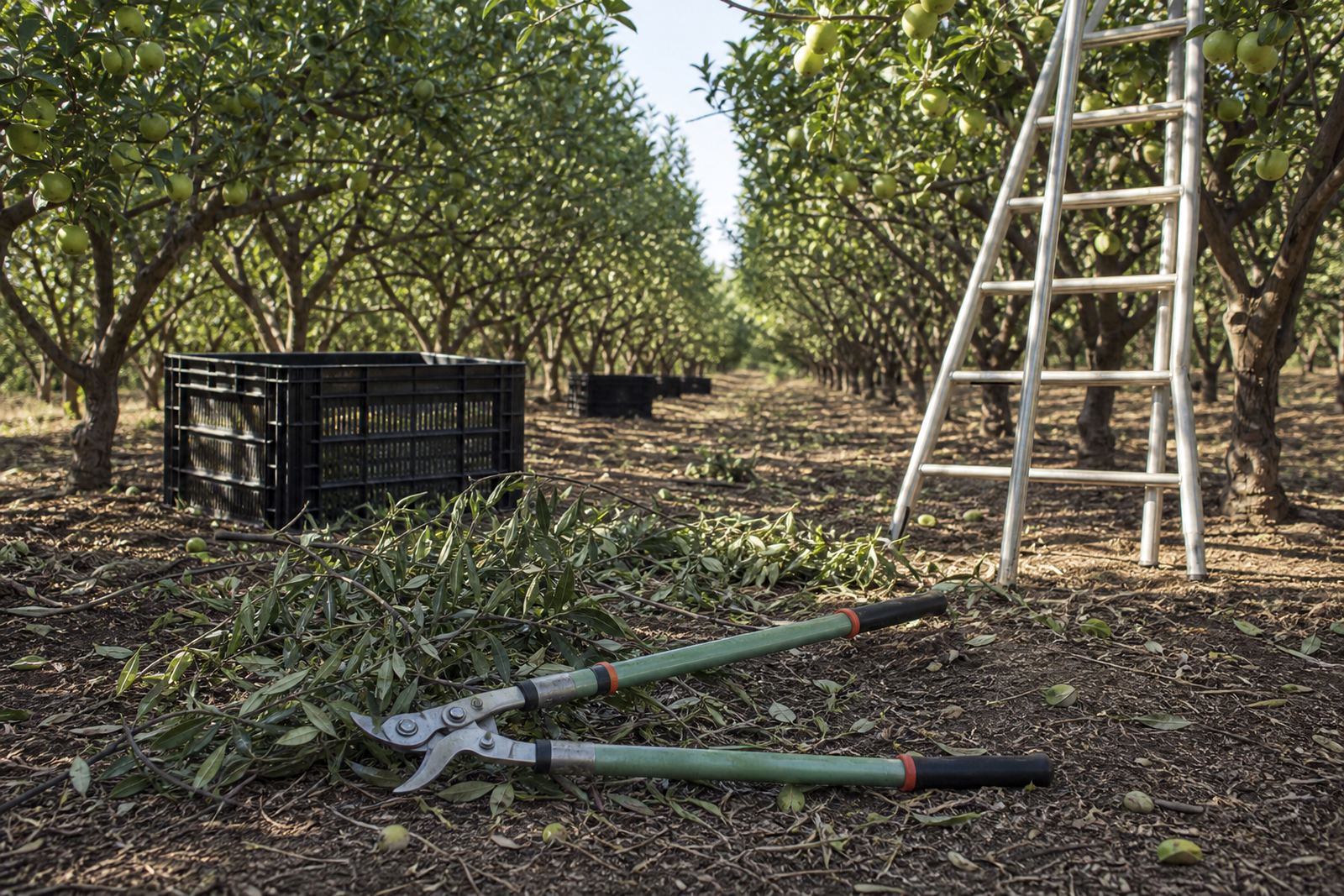
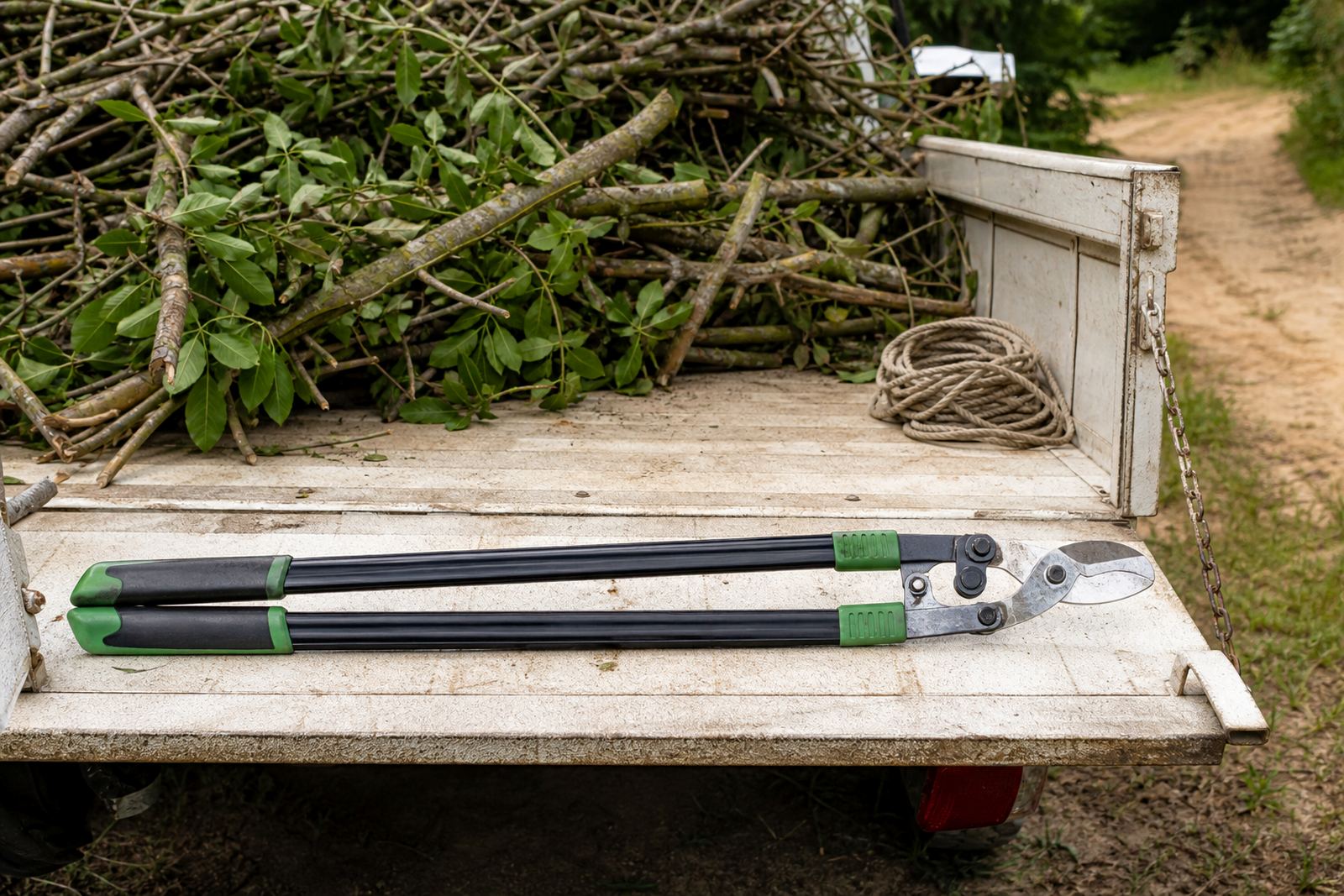
A heavy duty lopper is the tool you reach for when pruning goes beyond small twigs and tidy shaping. It gives you extra leverage on woody stems, dense shrubs, fruit tree growth, and neglected branches that need a solid clean cut. In practical terms, it is a stronger hand tool with long handles, sharp bypass or anvil-style blades, and a frame made to handle repeated pressure without flexing too much.
For South African gardens this matters more than most people think. Coastal humidity in Durban can speed up rust if the tool is left wet in the shed, while dry inland conditions in Johannesburg and Pretoria can leave sap and dust built up on the blades after a few rounds. A proper heavy duty lopper helps you work with less strain, and it is suited to regular garden maintenance where the job changes from week to week.
The main purpose is simple: cut thicker material cleanly, with control. That means less crushing of the stem, less tearing around the cut, and a neater finish on the plant. For landscapers and property maintenance teams, it also means fewer return visits because the pruning has been done properly the first time.
Sizes, blade types, and what the specs mean on site
Heavy duty loppers are usually chosen by handle length, cutting capacity, and blade style rather than just by appearance. Longer handles give more leverage, while shorter handles can be easier to carry in a service vehicle and quicker to move around tight hedges or boundary planting. The right choice depends on the branch size you deal with most often.
Most buyers will want to compare these points before ordering:
- Cutting capacity, usually from about 30 mm to 45 mm depending on the model
- Handle length, commonly 600 mm, 760 mm or 900 mm
- Blade type, bypass for cleaner living growth or anvil for harder, dry material
- Handle grip, usually padded or textured for better control with wet hands
- Head design, fixed or geared for extra cutting force
- Weight, which affects fatigue during long pruning rounds
For home gardeners in Pietermaritzburg, a mid-length bypass lopper is often enough for general shrubs and fruit trees. For larger plots, body corporates, schools, and landscapers, a longer handle option can save time on thicker growth along boundary lines and roadside gardens. If your pruning includes dry sticks, overgrown branches, and heavier maintenance work then a stronger head and more solid build is worth it.
Where a heavy duty lopper suits best in KwaZulu-Natal and beyond
This tool suits a wide range of jobs, from back garden cleanup to regular estate maintenance. In Hilton and Howick it works well for established trees, hedging overgrowth, and pruning around driveways where plants have had a season or two to spread out. In Durban, it is useful where coastal moisture encourages fast growth, especially after summer rains, and you need to cut thicker growth before it becomes a bigger job.
It also suits teams working in Johannesburg, Pretoria, Cape Town and Gqeberha where properties often combine shrubs, informal tree lines, and planted screening. Landscapers use heavy duty loppers on shrubs, small branches, and corrective cuts where secateurs are too light and hedge shears are not the right tool. If you manage multiple sites, a lopper with a consistent cutting action makes crews faster and helps keep cuts neat across different properties.
- Home gardens with fruit trees, boundary shrubs, and mixed planting
- Body corporate gardens and sectional title complexes
- School grounds, church grounds, and municipal-style verge maintenance
- Landscaping teams with weekly pruning routes
- Small estates and guest lodges where presentation matters
No power point, fuel, or installation required
A heavy duty lopper is a manual tool, so there is no installation, charging point, fuel, or motor setup to worry about. That makes it practical for load-shedding periods, sites without outdoor power, and quick pruning jobs where you do not want to carry extra equipment. It is ready when you are, and it can be used anywhere from a townhouse courtyard to a larger rural property.
Because there is no engine or battery system, setup is simple. Check that the pivot is moving smoothly, open and close the blades a few times, and make sure the handles feel secure in the hand. On first use, it is worth testing the tool on a few smaller stems before moving onto the thicker branches. That gives you a feel for the leverage and helps avoid forcing the cut at the wrong angle.
For teams working across multiple suburbs, this also means easier transport and less downtime. There is no charging cycle, no petrol storage, and no starting issues on cold mornings in the Midlands. You just need a sharp blade, clean contact points, and enough room to work safely.
Keeping the cutting action clean between service rounds
Good care extends the life of a heavy duty lopper and keeps the cuts neat. After use, wipe the blades clean, remove sap or grit, and dry the tool before storing it. In humid coastal areas, this step matters because moisture left on the blade can lead to corrosion quite quickly. A light oil on the blade and pivot helps reduce wear, and it also makes the cutting action smoother.
For regular users, servicing should include blade sharpening, pivot adjustment, spring replacement if fitted, and rust removal when needed. If the grips are worn or split, replacing them can improve comfort and safety. When a lopper starts to feel stiff, that is usually a sign that the pivot needs attention or that debris has built up around the joint. It is better to sort that early rather than push through a hard season with a tired tool.
Cut Tools Garden offers tool care services that suit both individual gardeners and fleet users. For landscaping firms, scheduled inspections can help keep multiple tools in working order, which is useful when crews are moving between Pietermaritzburg, Durban and inland sites every week.
What to confirm before you place an order
Before ordering, check the kind of material you cut most often and measure the branch thickness where possible. A lopper that handles 30 mm comfortably may still struggle with tougher hardwood if the blade type is not suited to that job. If you are unsure, it helps to compare the tool against the size of branches you see in your garden after winter or after a summer growth spurt.
- Branch diameter you need to cut most often
- Whether you want bypass or anvil cutting action
- Handle length for reach and leverage
- Grip comfort if the tool will be used for long periods
- Weight if it will be carried between sites
- Whether you need single-piece supply or repeat fleet orders
If you are supplying a team, also think about standardising the size so everybody works with the same feel and cutting depth. That makes training easier and keeps servicing simpler later on. The enquiry form on our contact page is the easiest way to ask about availability, stockist areas, and the right match for your pruning work.
From Mkondeni to stockists across South Africa
Cut Tools Garden is based in Mkondeni, Pietermaritzburg, and supplies garden pruning shears, loppers and hedge tools to home gardeners and landscapers across South Africa. We work with customers in Pietermaritzburg, Hilton, Howick, Durban, Johannesburg, Pretoria, Cape Town and Gqeberha through our stockist and enquiry channels. Whether you are maintaining a home property or managing several gardens, the aim is the same: give you a tool that cuts properly and lasts when looked after.
Our team is led by Sibusiso Mthembu, with support from Nokuthula Zondi, Jason Naidoo, Lerato Khumalo, Megan van Wyk and Themba Dlamini. That matters because after-sales support, tool care and dispatch all affect whether the right lopper reaches the right customer on time. For demanding pruning rounds, the tool you buy should be matched to the work, not the other way round.
Key facts
| Product type | Heavy duty manual lopper |
|---|---|
| Typical cutting capacity | 30 mm to 45 mm depending on branch hardness and model |
| Handle lengths | 600 mm, 760 mm and 900 mm options |
| Blade style | Bypass or anvil type depending on application |
| Primary use | Thicker branches, woody shrubs, estate and landscaping pruning |
| Power or fuel needed | None, fully manual tool |