Corrosion-resistant shears for regular garden cutting
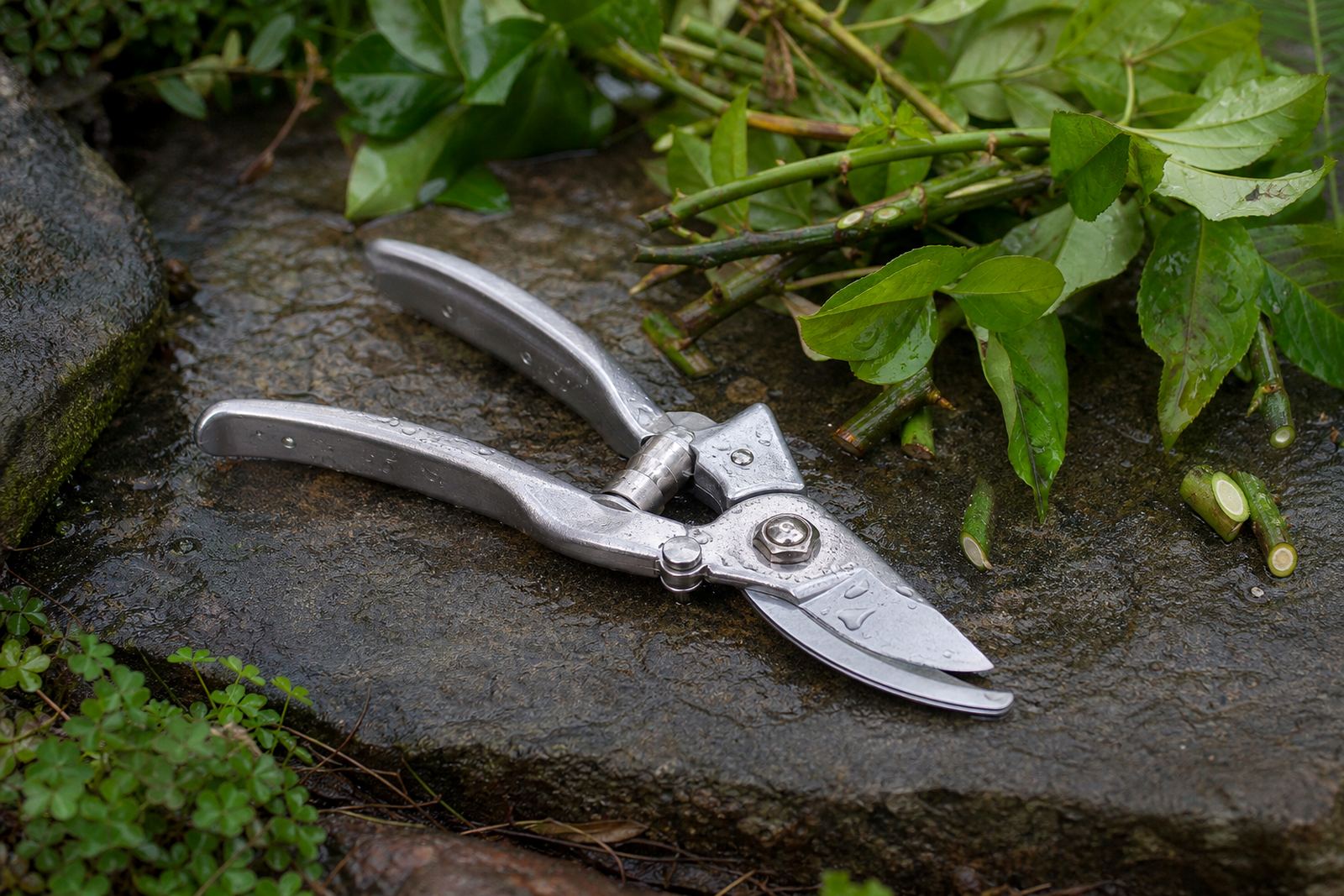
Stainless pruning shears are made for everyday cutting where moisture, sap and morning dew are part of the job. The stainless steel blade helps resist rust better than standard carbon steel, which matters in places like Durban, Gqeberha and other coastal areas where tools are often exposed to salt air. They are also a good fit for gardeners in Pietermaritzburg, Howick and Hilton who keep tools in sheds, bakkies or storage rooms that can get damp during winter.
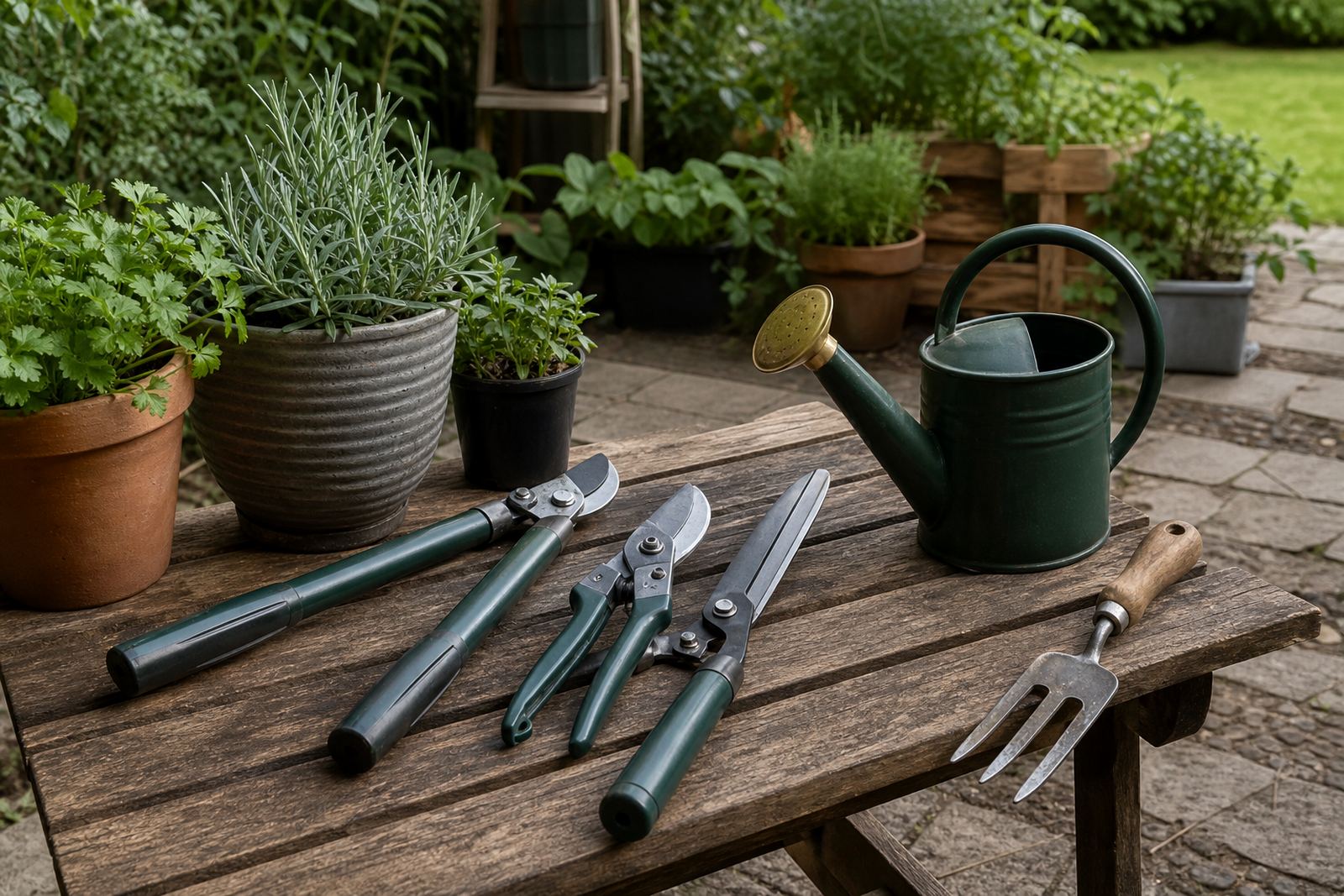
These shears are used for live stems, light woody growth and general garden maintenance. They suit rose bushes, soft hedging, herbs, small shrubs and fine shaping work. For anything thicker, a lopper is usually the better option. The main advantage here is clean cutting with less drag, which helps reduce tearing on plant material and makes the work feel smoother in the hand.
- Stainless blade for better corrosion resistance
- Suitable for damp, coastal and high-humidity conditions
- Best for light to medium pruning tasks
- Useful for home gardens and landscapers alike
Sizes and handle options that suit different hands
Most stainless pruning shears are supplied in one-hand sizes with a compact cutting head, but there are still a few points to check before ordering. Handle length, grip shape and lock style all affect how the tool feels during long sessions. If you prune hedges, roses or potted plants for hours, a softer grip and balanced body can make a real difference. A poor fit leads to hand strain, especially for users with smaller hands or anyone who works with secateurs every day.
For property owners and landscapers, it helps to choose a model that feels comfortable when fully opened and closed. Some users prefer a lighter body for fine work, while others want a slightly heavier tool with more leverage. In practice, the best choice depends on the kind of growth you cut most often and how much pressure you want to apply. The blade profile should also be checked, because a narrow blade gives better control for shaping, while a broader profile can feel steadier on tougher stems.
- Compact one-hand pruning size for general garden use
- Comfort grip options for longer pruning sessions
- Blade shapes suited to shaping or general cutting
- Locking mechanism for safe storage and transport
Best uses in home gardens, estates and landscaping work
These shears are ideal for gardens that need regular touch-ups rather than heavy cutting. Home gardeners use them for deadheading, tidying borders and cutting back seasonal growth. Landscapers use them for detailed work around beds, entrances and paved areas where precision matters. They are also useful on municipal edges, school grounds and body corporate gardens where neat presentation is expected. The tool is not made for large branches, so it works best as part of a wider set of pruning equipment.
In wet coastal towns, the stainless blade gives users more confidence when tools are carried between jobs and stored in vehicles. In inland areas like Pretoria and Johannesburg, the benefit is still there during rainy spells and when garden tools are left in storerooms over summer. If you keep a service schedule for a garden team, stainless shears are a sensible choice because they hold up well under frequent use and need less time spent removing surface rust.
- Rose beds and flowering shrubs
- Herbs and fine edible plants
- General shaping and deadheading
- Estate, school and body corporate garden work
No power supply, no gas and no complicated setup
Stainless pruning shears do not need electricity, batteries, charging or gas. There is nothing to assemble beyond checking that the blades open and close properly and that the locking catch works as expected. That makes them useful during load-shedding, in remote areas, and on sites where power points are not available. You can keep them in a tool belt, a field kit or a vehicle box and get straight to work.
Because these are hand tools, the main setup task is simply checking the cutting action before first use. Make sure the pivot is not too tight or too loose, and confirm that the grip feels secure in your hand. If the shears are going onto a professional site, it is worth testing the lock and blade alignment before handing them to a team member, especially when jobs move quickly and tools get shared between people.
- No electricity required
- No batteries or charging needed
- No gas or fuel use
- Ready for field work and mobile crews
Care, servicing and longer blade life
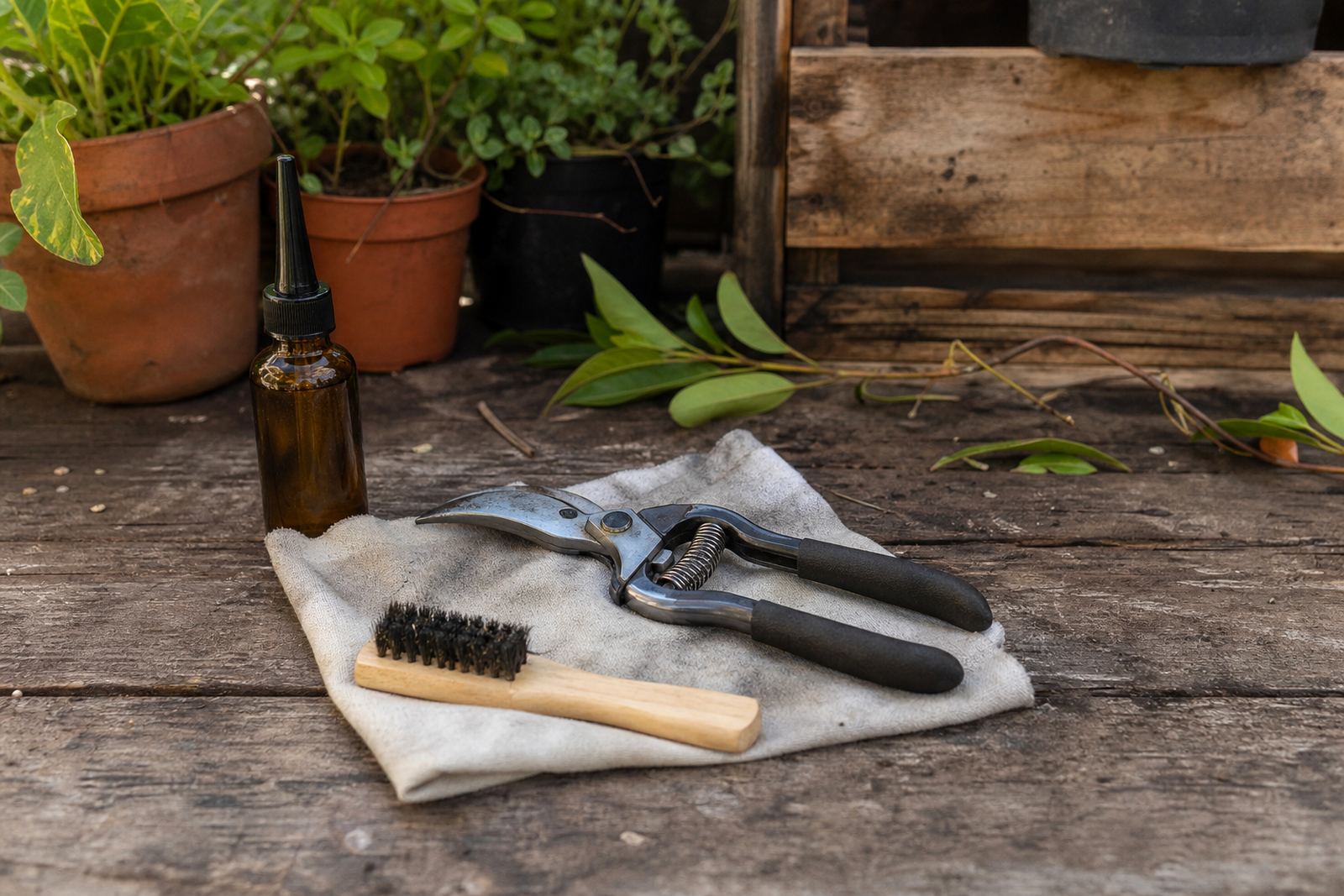
Even stainless tools need proper care. After use, wipe off sap, moisture and fine dirt so it does not sit on the blades. If the shears were used near the coast or in very wet conditions, dry them before storage and keep the locking point clean. A light service now and then helps the action stay smooth. This includes pivot adjustment, spring replacement if needed, and rust removal where build-up has started on non-blade parts or fittings.
For gardeners in coastal Durban or Gqeberha, this routine matters more because salt air can work on metal fittings over time. In Pietermaritzburg and inland towns, sap and wet grass are usually the bigger issue. A quick clean after each job saves time later. If the grip wears out or the blade starts to close poorly, our servicing options can put the tool back into proper working order instead of replacing it too soon. It is a small thing, but it keeps the tool working as it should.
- Wipe clean after every use
- Dry before storage to reduce corrosion risk
- Check spring, pivot and lock regularly
- Use servicing for blade alignment and worn parts
What to check before placing an order
Before ordering stainless pruning shears, check the type of cutting you do most often, the size of your hands and whether the tool will be shared by a team. That will guide the blade style, handle feel and locking method. If you are buying for a landscaping crew, it also helps to match the tool to the rest of your maintenance kit so everyone works with the same setup.
We recommend checking the cutting capacity, grip comfort and whether the tool will be used mainly in wet gardens, coastal zones or dry inland yards. If the tool is for regular professional use, ask about parts fitting and inspection services as well. In many cases a properly maintained shear lasts far longer than a neglected one, and that saves money over time. When customers are unsure, they can send an enquiry through our contact page and tell us what they need. We can advise based on the job, the site and the level of use.
- Cutting type: live stems, light woody growth or shaping
- Hand size and grip comfort
- Lock, spring and pivot preferences
- Whether the tool will be shared across a team
- Need for servicing support or spare parts
Key facts
| Blade material | Stainless steel for better corrosion resistance |
|---|---|
| Typical use | Light to medium pruning, deadheading and shaping |
| Best suited for | Wet gardens, coastal areas and regular maintenance work |
| Power or gas required | None, hand-operated tool |
| Maintenance | Clean, dry and lightly service the pivot and spring |
| Support services | Blade sharpening, spring replacement, pivot adjustment, rust removal and parts fitting |