What Telescopic Hedge Shears Do On Site
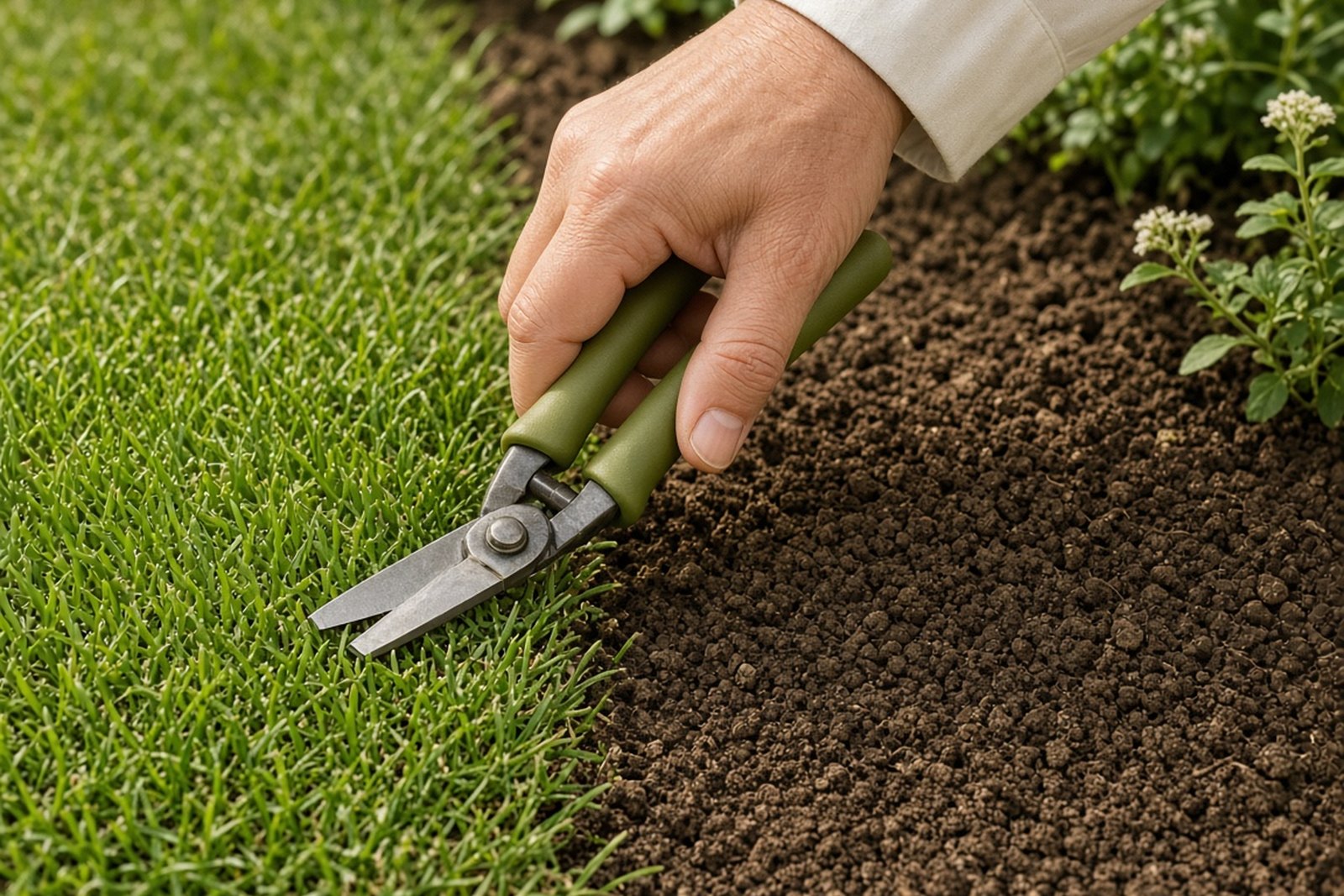
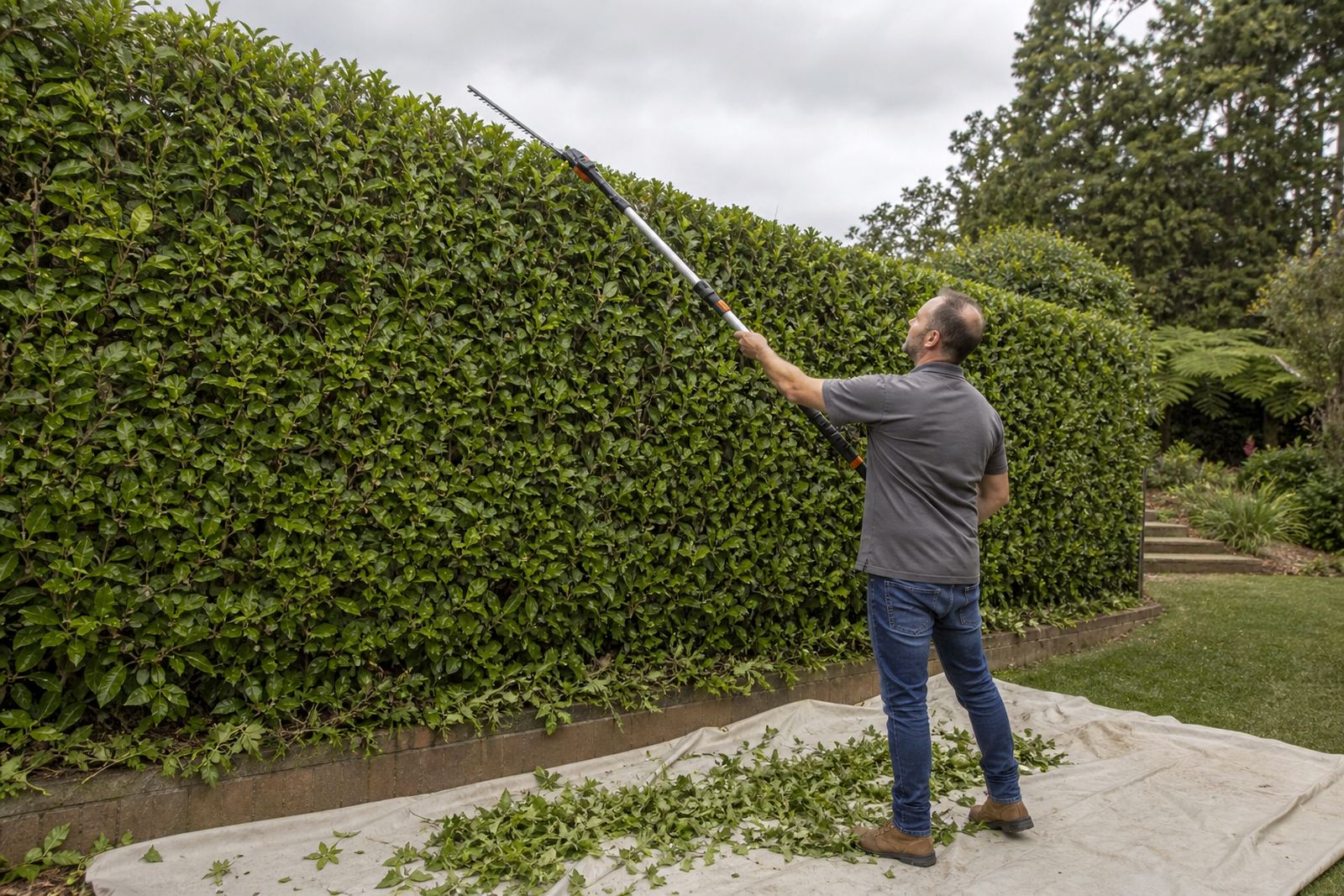
Telescopic hedge shears are manual cutting tools with extendable handles. They are used to trim hedge tops, square up sides and keep larger shrubs neat where a standard hand shear feels too short. The extra length helps you keep both feet on the ground which matters on uneven lawns, along retaining walls and near boundary fences.
Because they do not need electricity, petrol or charging, they are useful during load-shedding and for early morning work where quiet cutting is preferred. They suit clipped formal hedges, fast-growing boundary plants and estates that need regular touch-ups rather than heavy pruning.
Handle Lengths, Blade Styles And Weight Options
Most telescopic hedge shears are supplied with extendable handles from about 65 cm to 90 cm closed length, extending to around 85 cm to 120 cm depending on the model. The cutting blades are usually straight for clean hedge lines, with some models offering wavy or serrated blade edges for better grip on finer stems. Blade length commonly ranges from 20 cm to 25 cm.
When choosing a tool, balance is important. A longer handle gives reach, but a lighter frame is easier on the shoulders when you are working through a row of shrubs. Aluminium handles are often preferred for daily use because they keep the weight down, while steel framed options can feel firmer for heavier garden work. Grip style also matters, especially if you work in humid coastal conditions where hands can sweat and the tool may feel slippery.
- Closed length: typically 650 mm to 900 mm
- Extended length: typically 850 mm to 1200 mm
- Blade length: 200 mm to 250 mm
- Weight: usually 1.1 kg to 1.8 kg
- Blade type: straight or serrated edge
- Handle material: aluminium, steel or mixed build
Where Telescopic Hedge Shears Work Best
These shears suit suburban gardens, townhouse boundaries, school grounds, guesthouses and landscaping crews that need neat hedge lines without bringing out powered equipment for every small job. They are useful for taller hedges along driveways in Durban, formal borders in Pretoria, and mixed garden beds in Cape Town where access can be tight. In Pietermaritzburg and Howick, they also help with fast summer growth after rain.
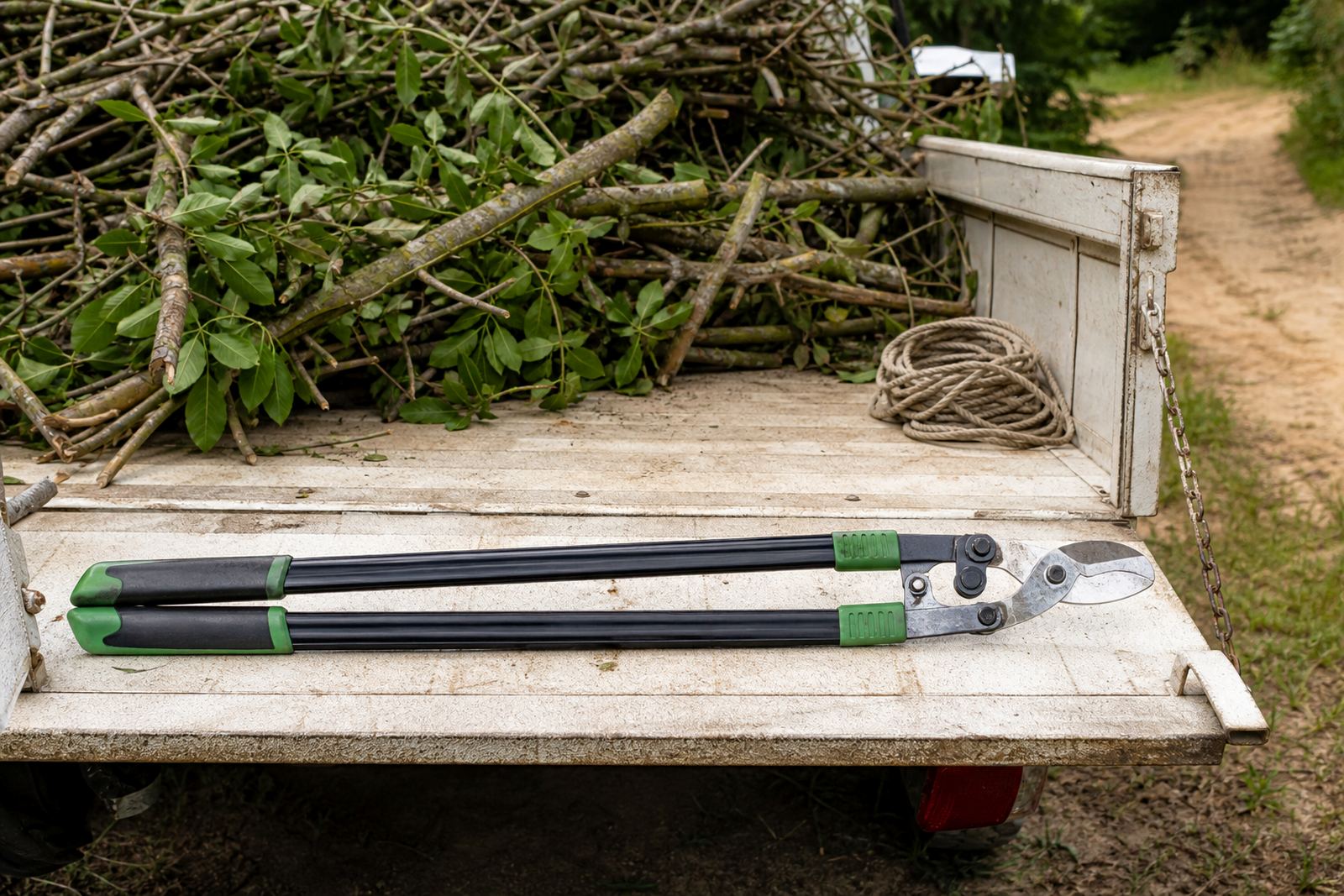
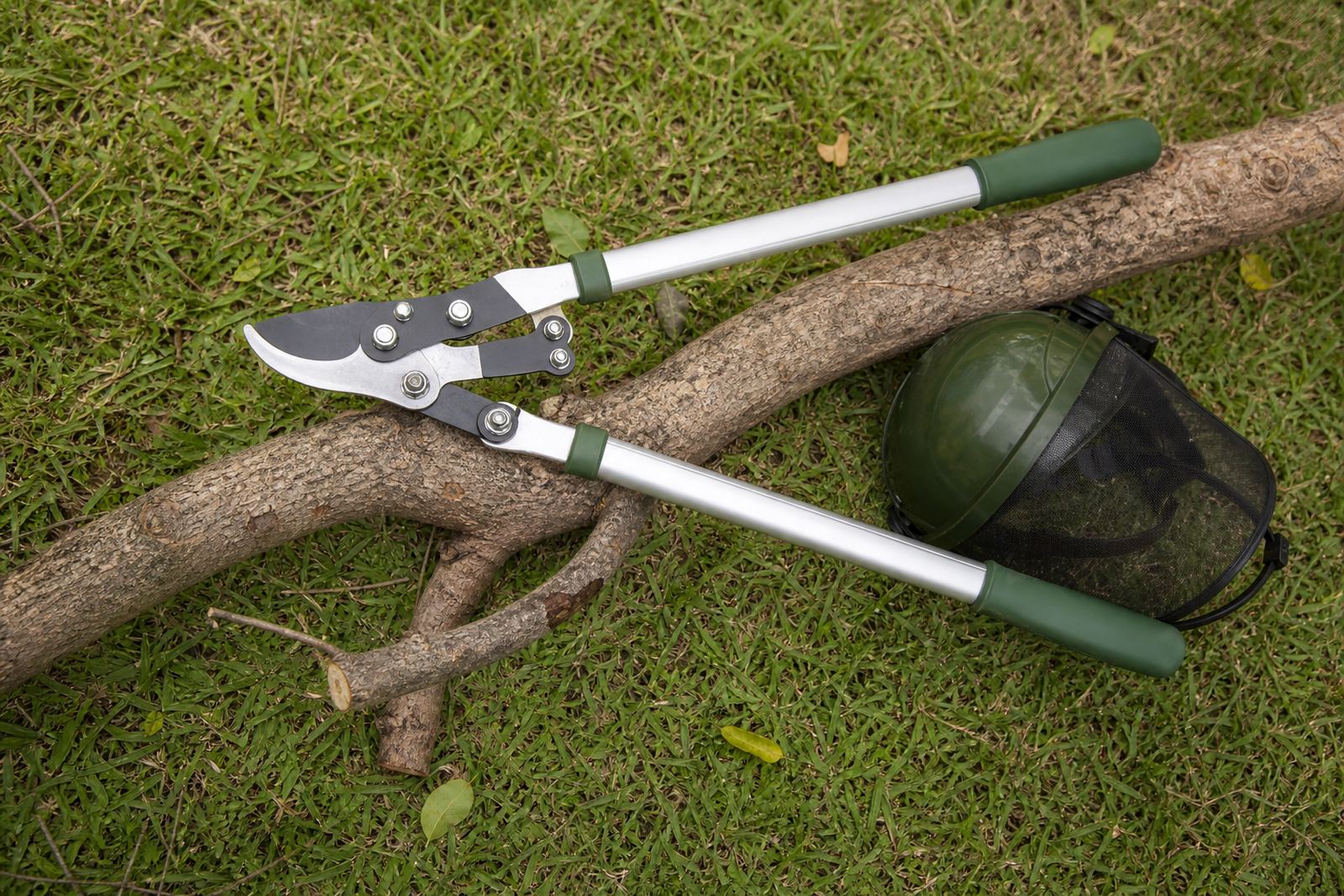
They work best on thin to medium stems, box-style hedging, small-leaf shrubs and soft regrowth. For very woody stems or neglected hedges with thick branches, you may need loppers first, then use the shears for shaping. A good rule is that the shears should cut cleanly without forcing the handles together. If you need to squeeze hard, the plant material may be too thick for this tool.
- Best for hedge trimming, shaping and topping
- Good for access near walls, pools and paved edges
- Useful where power tools are not practical
- Handy for regular maintenance rather than heavy cutting
Using Them Safely Without Power Or Fuel
There is no installation needed and no power or gas requirement. You simply unpack the shears, check that the pivot is snug, test the handle extension if the model has a locking section and start with light cuts. That makes them a straightforward choice for gardeners who want a tool that is ready to use as soon as it is needed.
For safer use, keep the blade angle steady and work from the bottom of the hedge upward where possible. Avoid overreaching, especially on damp grass or near irrigation lines. On long runs, take short breaks because telescopic tools can place more strain on the wrists and elbows if the hedge is dense. If the hedge is near a municipal pavement or boundary, trim carefully so clippings do not fall into the road or block stormwater drains.
Care, Sharpening And Servicing Between Jobs
Good care keeps the tool cutting neatly and reduces fatigue. Wipe the blades after each use, especially in coastal towns where humidity can leave a light film and encourage rust. If sap builds up, clean it off before storage because sticky residue makes the cut rougher and can pull leaves instead of slicing cleanly.
Check the pivot bolt, handle locks and grips regularly. A loose pivot can make the cut feel wobbly while worn grips reduce control. Our servicing support includes blade sharpening, pivot adjustment, spring replacement, grip replacement, rust removal, deep cleaning, parts fitting and tool inspections. That helps keep fleet tools in order for landscapers, schools and property managers who rely on repeat use.
- Clean blades after every trimming session
- Oil the pivot lightly if movement feels stiff
- Store in a dry shed, not on wet concrete
- Inspect locks, grips and blade alignment monthly
What To Check Before You Order
When ordering telescopic hedge shears, check the hedge height, the width of the area you need to reach and how often the tool will be used. A smaller home garden in Hilton may only need a mid-length pair, while a landscaping team in Johannesburg or Pretoria might prefer a longer model for higher boundary hedges and wider top runs. If the garden has dense growth, ask about blade style and handle strength before you choose.
It also helps to confirm whether you need a single tool for occasional use or several tools for a work crew. For businesses, fleet care plans can be arranged so cutting tools are inspected and serviced on a set schedule. That keeps the kit usable through the rainy season, summer growth and busy maintenance periods when delays are costly.
- Measure hedge height and the reach needed from ground level
- Check whether you want straight or serrated blades
- Confirm the preferred handle length and tool weight
- Ask about servicing support for regular use
- Consider spare tools for teams and seasonal work
Key facts
| Product type | Manual telescopic hedge shears |
|---|---|
| Handle range | Approx. 65 cm to 120 cm depending on model |
| Blade length | Approx. 20 cm to 25 cm |
| Cutting use | Hedge tops, sides, soft regrowth and shaping |
| Power requirement | None |
| Typical use areas | Home gardens, estates, schools, landscapers and body corporates |