What a compound action lopper does on the job
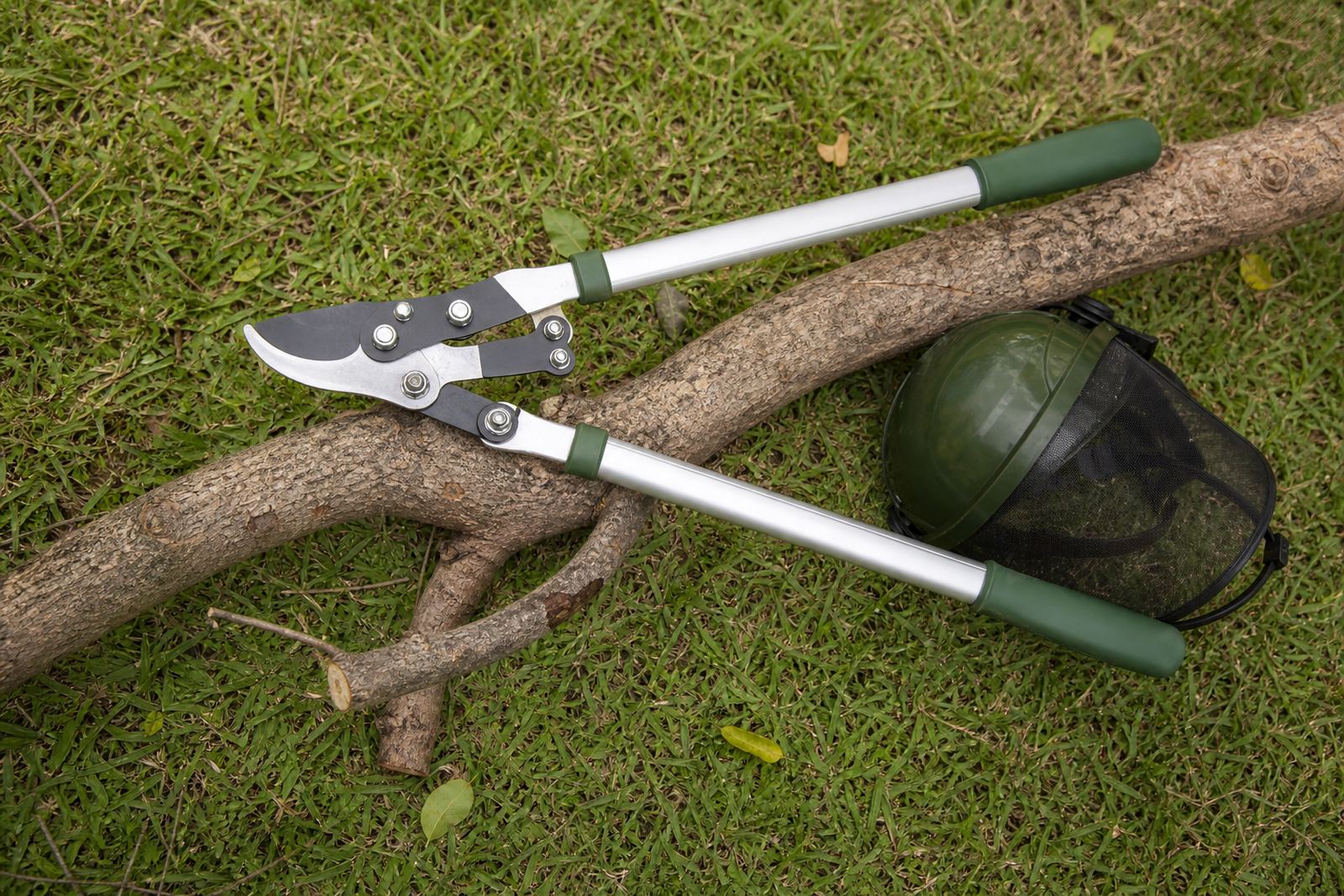
A compound action lopper is built for cuts where a standard hand pruner starts to struggle. The linked pivot design multiplies the force from your hands, so you can cut harder stems with less strain on the shoulders and wrists. It is useful for regular pruning where you need clean, controlled cuts on branches that are too thick for secateurs but not yet ready for a saw.
On properties around Pietermaritzburg, Durban, Johannesburg, Pretoria, Cape Town and Gqeberha, this style of lopper suits everything from street trees and boundary hedges to fruit trees, shrubs and overgrown garden beds. It is also handy for wet-season growth after summer rain, when soft new shoots thicken quickly and make the whole garden feel untidy. For many users the main advantage is simple: less effort, better reach, and more consistant cuts.
Sizes and cutting capacity to compare before you buy
Compound action loppers are usually chosen by overall length and the maximum branch thickness they can cut. The right size depends on who will use the tool, how high the cuts are and how dense the planting is. Shorter loppers are easier to control in tight spaces, while longer handles give you more leverage for thicker material and higher branches.
- Overall length: commonly around 600 mm to 900 mm
- Cutting capacity: typically about 25 mm to 40 mm, depending on the blade and branch type
- Blade style: bypass for living green wood, anvil for drier or harder stems
- Handle material: steel, aluminium or reinforced composite
- Grip style: cushioned, textured or non-slip sleeves for better hold in damp conditions
If you work in coastal areas such as Durban or Gqeberha, it is worth checking for corrosion resistance and wipe-down care after use. In humid conditions, even a good tool will last longer if it is cleaned and dried after each shift.
Where this lopper suits best in South African gardens
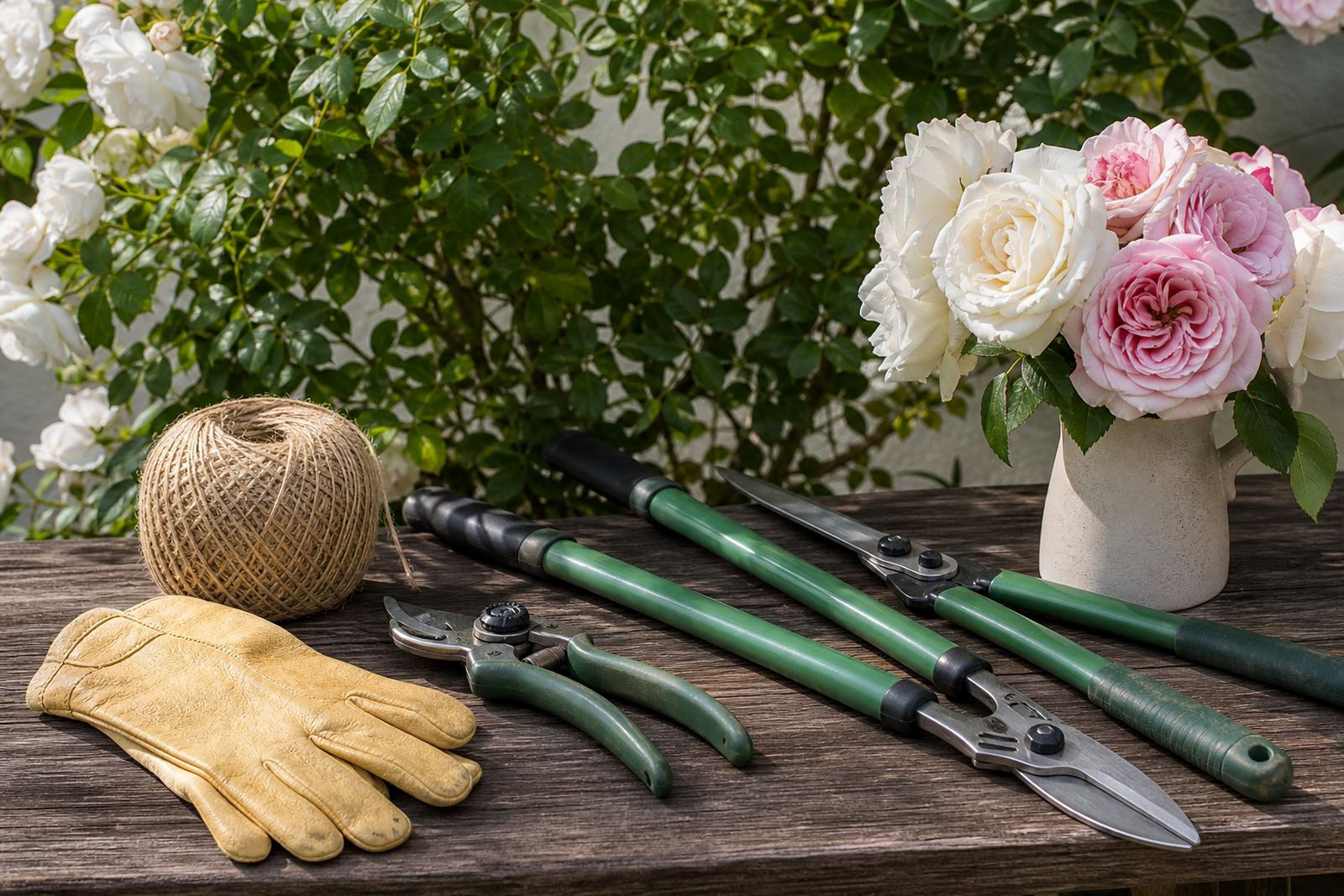
This lopper is a good fit for domestic gardens, body corporate grounds, nurseries and small landscaping teams that need a hand tool for regular maintenance. It works well on rose canes, ornamental shrubs, fruit trees, climbers, light tree limbing and hedge edge clean-ups where a hedge shear would take too long or a saw would be too aggressive.
For Johannesburg and Pretoria gardens, where dry winters can leave branches brittle, a sharp lopper helps reduce tearing. In Pietermaritzburg and the coastal belt, growth is often faster and softer, so the same tool can be used for more frequent shaping. It is also practical where load-shedding affects power tool use, because no charging, fuel or electricity is needed. Just grab it and get on with the job.
- Home gardens with mixed shrub and tree work
- Landscapers maintaining private homes, schools and estates
- Municipal or commercial teams doing routine green maintenance
- Properties with narrow access where larger cutting tools are awkward
Setup, handling and what it does not need
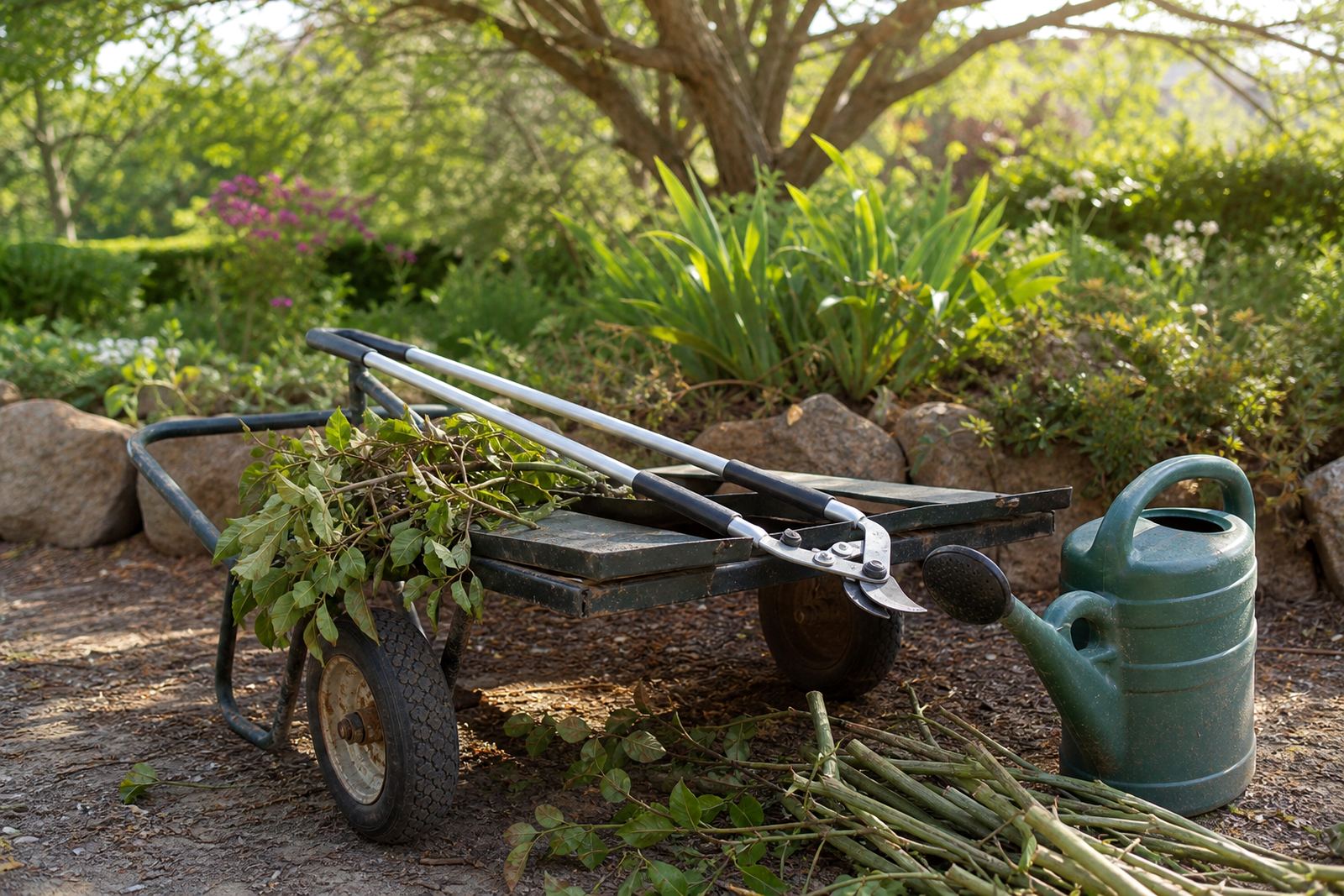
There is no installation required for a compound action lopper. It is a hand tool, so it does not need power, fuel or any connection to water or gas. That makes it a reliable option for outdoor work areas, especially when you are moving between properties or working in places where extension leads and charging points are impractical.
Before first use, check that the pivot is firm, the blades close squarely and the grips sit comfortably in the hand. If the tool has an adjustable head or replaceable parts, make sure the fasteners are tight before starting. For taller hedges or higher branches, use a stable stance and work from ground level where possible. If the cut is above shoulder height, stop and reassess rather than forcing the tool.
Care, servicing and working life in real conditions
Like any cutting tool, a compound action lopper performs best when it is kept clean and sharp. Wipe off sap after each session, remove grass and dust from the pivot area, and dry the blades before storing them. In wet weather or near the coast, a light protective oil helps slow rust and keeps the action smooth.
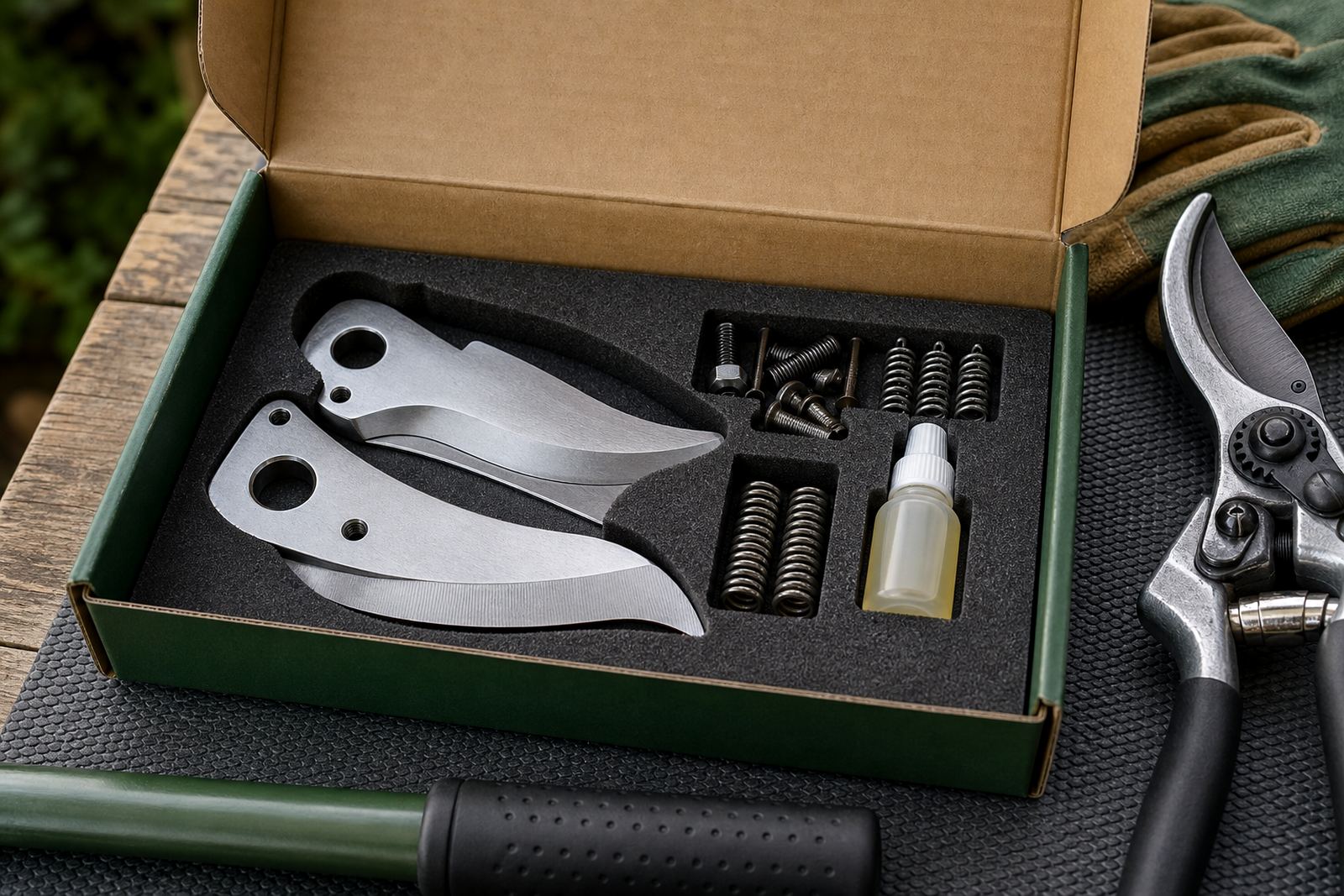
Our servicing support covers blade sharpening, lopper servicing, pivot adjustment, spring replacement, grip replacement, rust removal, deep cleaning, parts fitting and tool inspections. That matters for teams that use the same lopper across multiple sites, because a worn pivot or blunt edge can turn a quick job into hard labour. Regular servicing also helps keep the cut neat, which reduces damage to living stems and can help plants recover faster.
- Sharpen when cuts start to crush or tear rather than slice
- Check for play in the pivot or blade alignment
- Inspect grips for cracks, splits or slipping
- Remove sap after every use, especially on sticky garden species
What to check when ordering for your team or home
When you order a compound action lopper, compare the branch size you need to cut with the stated cutting capacity. A tool that is too small will wear quickly, while one that is too large can feel heavy in repeated use. Also check the handle length, grip comfort, blade type and whether the tool is suited to fresh green growth or harder, dry wood.
If you are buying for a landscaping team, ask about fleet care plans and whether the same unit can be serviced after a set number of jobs or months. For home users, the main questions are weight, ease of handling and how often the tool will be used. If you are not sure, send an enquiry through the contact page and we can help match the lopper to the kind of garden work you do in Pietermaritzburg or further afield. A good lopper should feel balanced in the hand, not bulky or awkward.
- Branch thickness you want to cut
- Length that suits your height and reach
- Blade type for live or dry wood
- Grip comfort for longer sessions
- Corrosion resistance for coastal use
For mixed garden work, many customers keep one lopper for general pruning and another tool for finer hedge shaping. That simple split makes the whole job faster and helps the blades stay in better condition.
Key facts
| Product type | Compound action lopper |
|---|---|
| Typical length | 600 mm to 900 mm |
| Cutting capacity | About 25 mm to 40 mm, depending on wood type |
| Blade option | Bypass or anvil |
| Handle build | Steel, aluminium or reinforced composite |
| Best use | Harder pruning cuts with reduced hand effort |