What the Rose Care Kit is used for
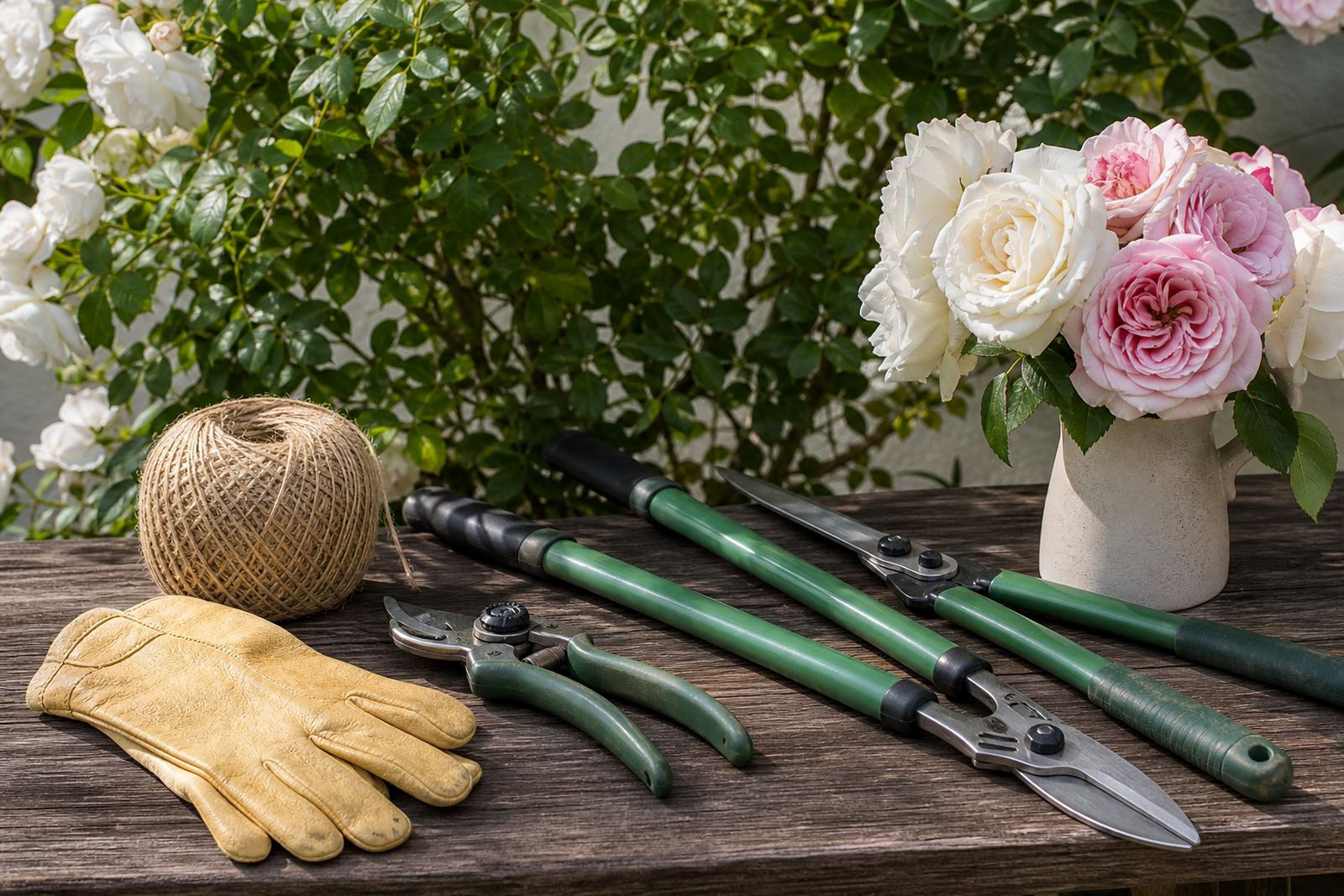
The Rose Care Kit brings together the hand tools needed for regular rose work, from deadheading and light shaping to keeping stems clean after a flush of flowers. It is made for gardeners who want a tidy finish without crushing soft growth or tearing bark on older canes.
In Pietermaritzburg, Durban and coastal areas where humidity can push fast growth and fungal pressure, roses often need more frequent attention. This kit helps you keep air moving through the plant, remove weak growth early and maintain a clean structure that is easier to spray, feed and water.
- Deadheading spent blooms on floribunda, hybrid tea and shrub roses
- Light shaping after flowering to keep the plant balanced
- Stem trimming for vase cutting and garden maintenance
- Routine tidy-up work in beds, borders and container roses
Sizes and tool options to consider
The kit can be matched to the scale of the garden. A smaller home garden in Hilton may only need a compact pruning shears set with a light lopper for older canes, while larger properties in Howick or Johannesburg often need a fuller set for beds, hedges and mixed shrubs too.
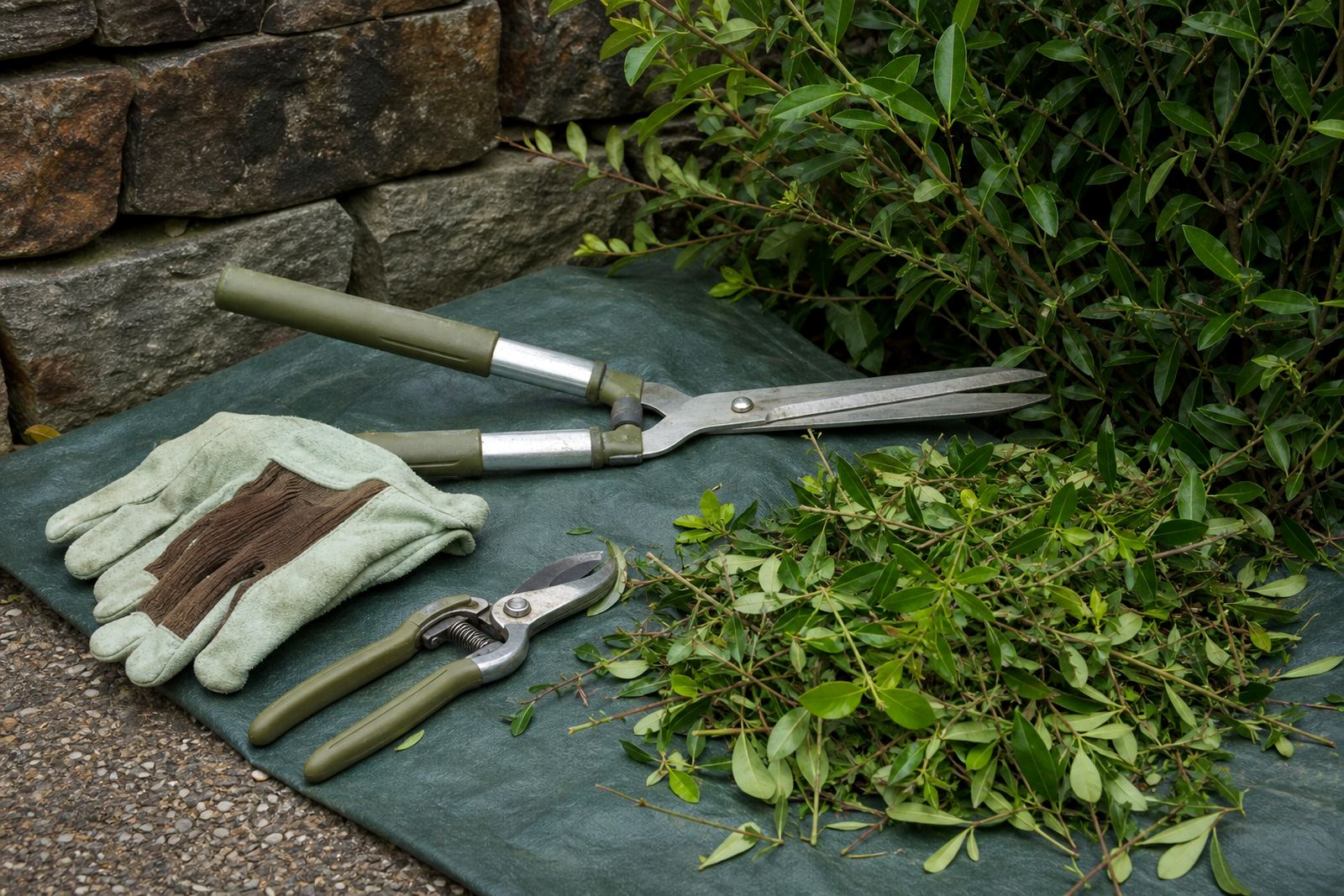
Typical options include bypass pruning shears for clean cuts on live stems, a longer handled lopper for thicker canes, and a hedge tool for light surrounding growth where roses are part of a bigger border. Blade lengths, handle spans and cutting capacity should be checked before ordering so the tool suits the rose variety and the user’s hand size.
- Pruning shears: for stems up to about 20 mm
- Loppers: for thicker canes and older growth up to about 35 mm
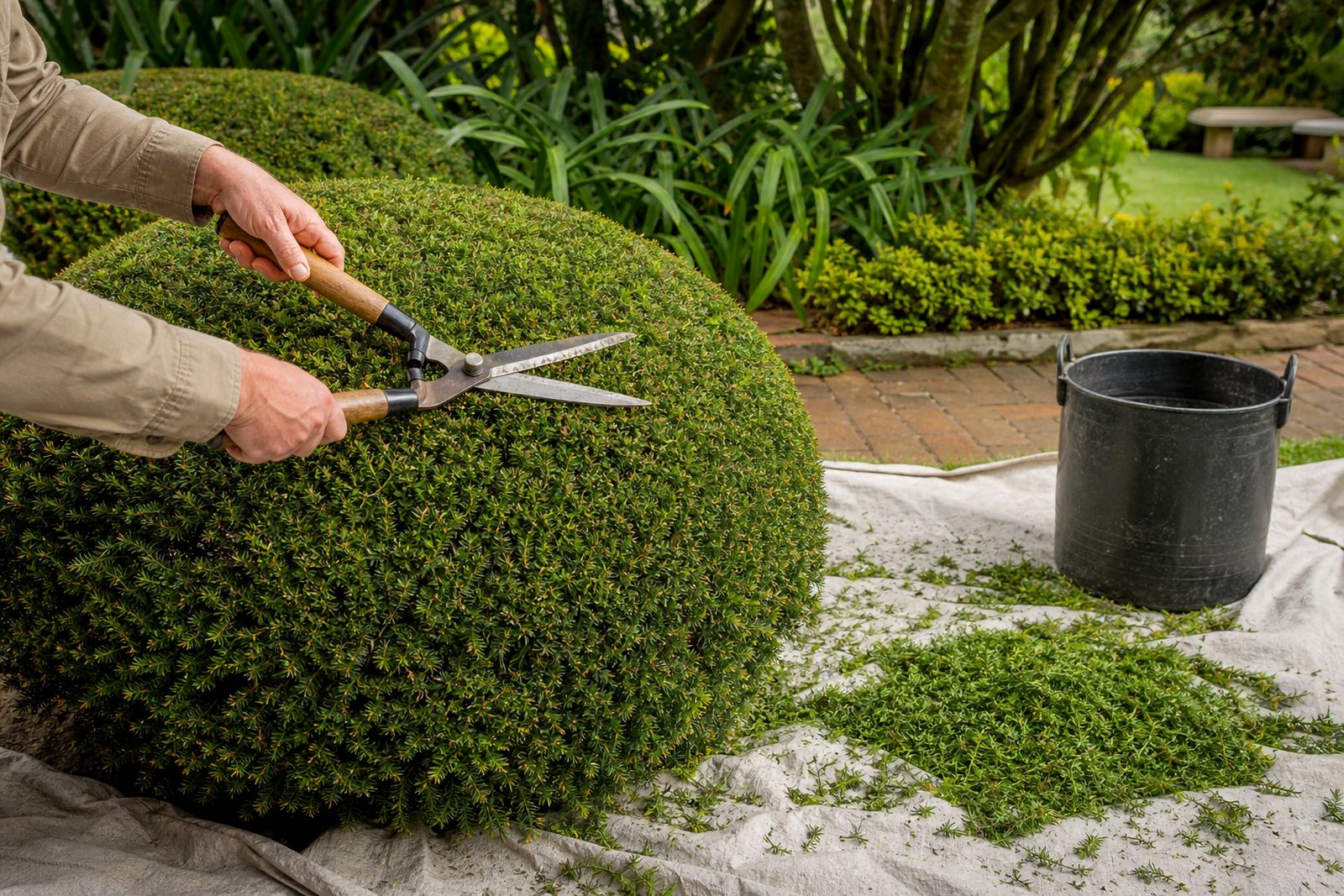
- Hedge tool: for shaping nearby soft growth and border edging
- Grip options: standard, cushioned or non-slip depending on use
Where this kit suits best in South Africa
This kit is a good fit for home gardeners, landscapers and body corporates maintaining rose beds in Durban, Pretoria, Cape Town and Gqeberha. It also suits municipal gardens, guest houses and school grounds where rose displays need regular grooming without heavy equipment.
For coastal properties, choose tools with rust-resistant care habits, because salty air can mark steel faster than inland conditions. In drier areas like Pretoria and parts of the interior, the main focus is keeping cutting edges sharp and pivots clean so the cut stays neat through the dry season.
Landscapers often keep a Rose Care Kit in the truck for quick maintenance visits, especially when multiple sites need small tidy-up jobs after irrigation runs or pruning cycles. It saves time and keeps the work neat, which clients notice straight away.
How to use and maintain the tools
No power, gas or charging is needed. The Rose Care Kit is fully hand operated, so it works anywhere from a small backyard in Pietermaritzburg to a large estate outside Cape Town. That also makes it useful during load-shedding and on sites where access to power is limited.
Before use, check that the blades are clean, the pivot is moving freely and the grip feels secure. After pruning, wipe the blades, remove sap and store the tools dry. If you are cutting diseased growth, disinfect between plants so problems do not spread. A little care goes a long way and helps the kit last seasons, not months.
- Wipe blades after each session
- Dry tools before storage to reduce rust
- Check springs and pivots for smooth action
- Keep handles tight and replace worn grips early
- Sharpen cutting edges when they start to crush stems
What to check before you order
When ordering, check the stem thickness you usually deal with, the size of your rose beds and whether the tools will be used by one person or shared across a team. If the work includes thorny old roses, it is worth choosing a set with comfortable grips and enough reach to keep hands clear of the canes.
Also look at the finish of the blades, the quality of the locking action and whether replacement parts are available. For regular landscape work, it helps to know if the kit can be serviced locally with blade sharpening, spring replacement or pivot adjustment when wear starts to show.
- Rose stem size and pruning frequency
- Comfort of the handles during longer sessions
- Blade access for sharpening and cleaning
- Suitability for left or right handed use
- Storage space in a shed, truck or maintenance cabinet
Care, servicing and support from Mkondeni
Cut Tools Garden operates from Mkondeni, Pietermaritzburg and supports gardeners and landscapers across South Africa through the enquiry form on the contact page. The team handles practical tool care such as blade sharpening, deep cleaning, spring replacement, grip replacement, pivot adjustment and parts fitting, plus inspections for worn or damaged tools.
For rose tools that get used every week, a service check can be the difference between a clean cut and a crushed stem. If the kit starts sticking, shows rust spots or the blades no longer close squarely, it is time to inspect it. That sort of maintenance is straightforward and helps keep the work moving with less effort.
Whether the tools are going to a home gardener in Hilton or a landscaping crew servicing sites in Durban, Johannesburg or Gqeberha, the aim is the same: neat cuts, easier handling and equipment that holds up to regular use.
Key facts
| Product type | Hand tool kit for rose care |
|---|---|
| Main uses | Deadheading, shaping, stem maintenance and light pruning |
| Cutting capacity | Up to 20 mm with shears, up to 35 mm with loppers |
| Power requirement | None, fully manual |
| Materials | Steel blades with comfortable grip handles |
| Recommended use | Home gardens, estate beds, landscapers and maintenance crews |