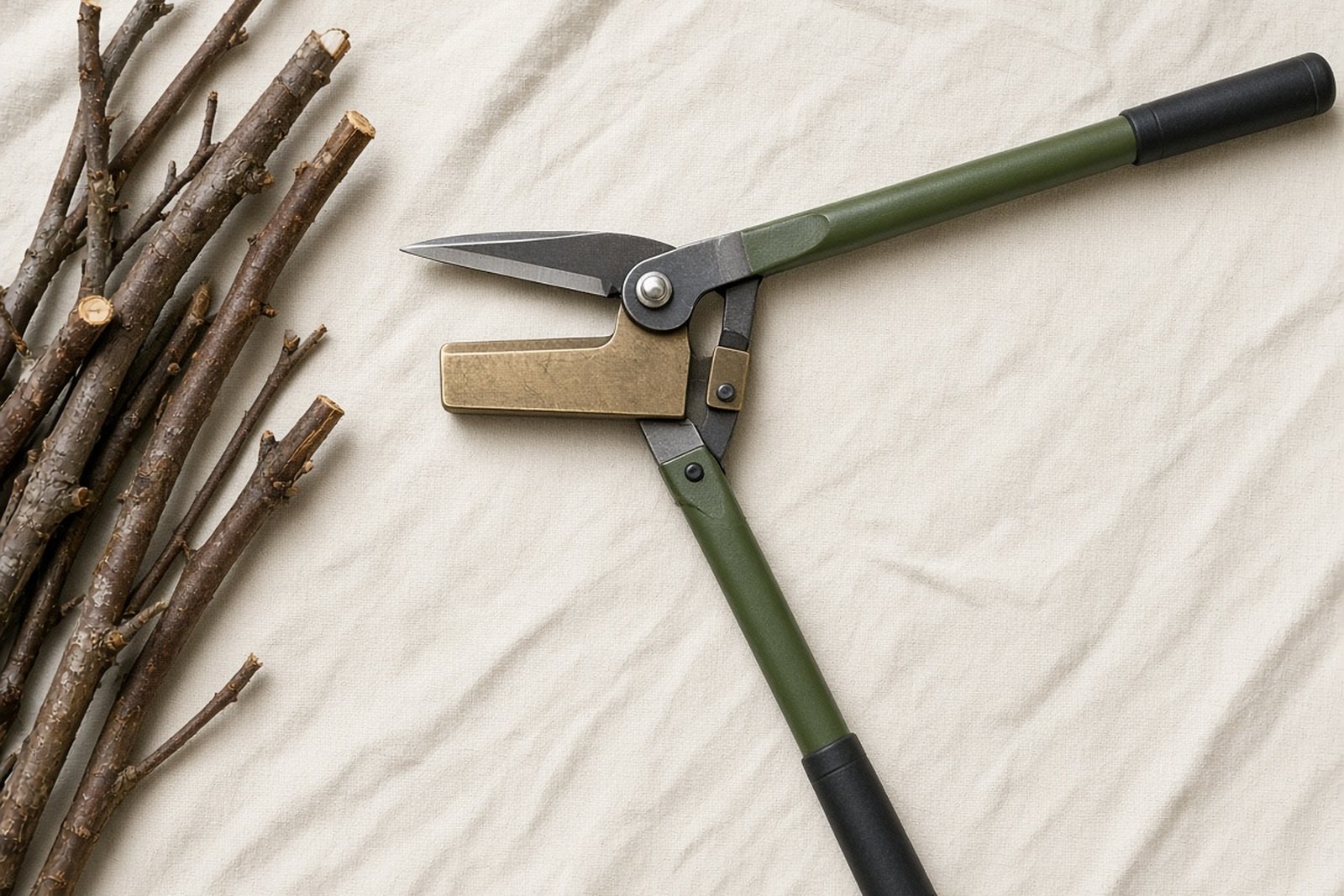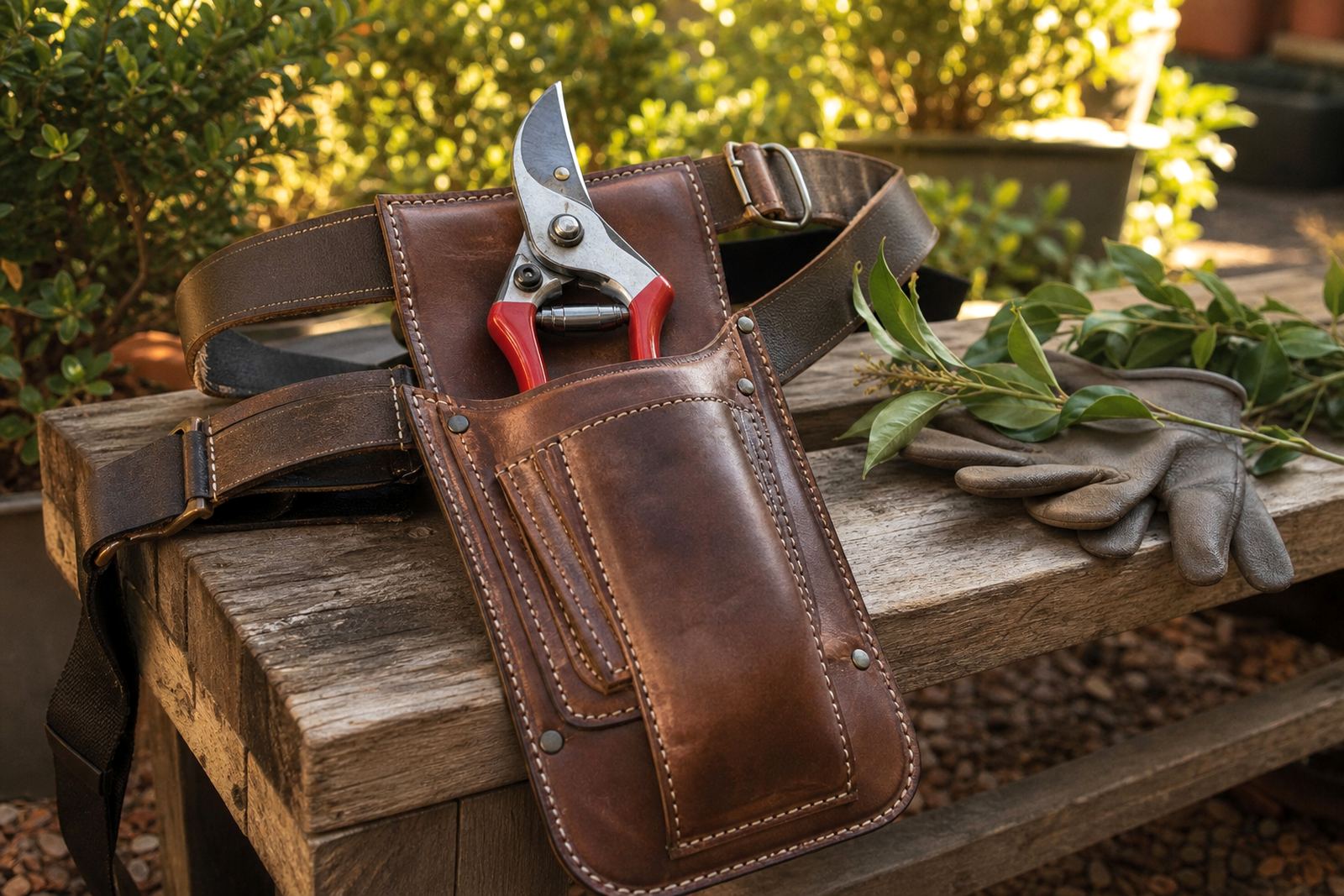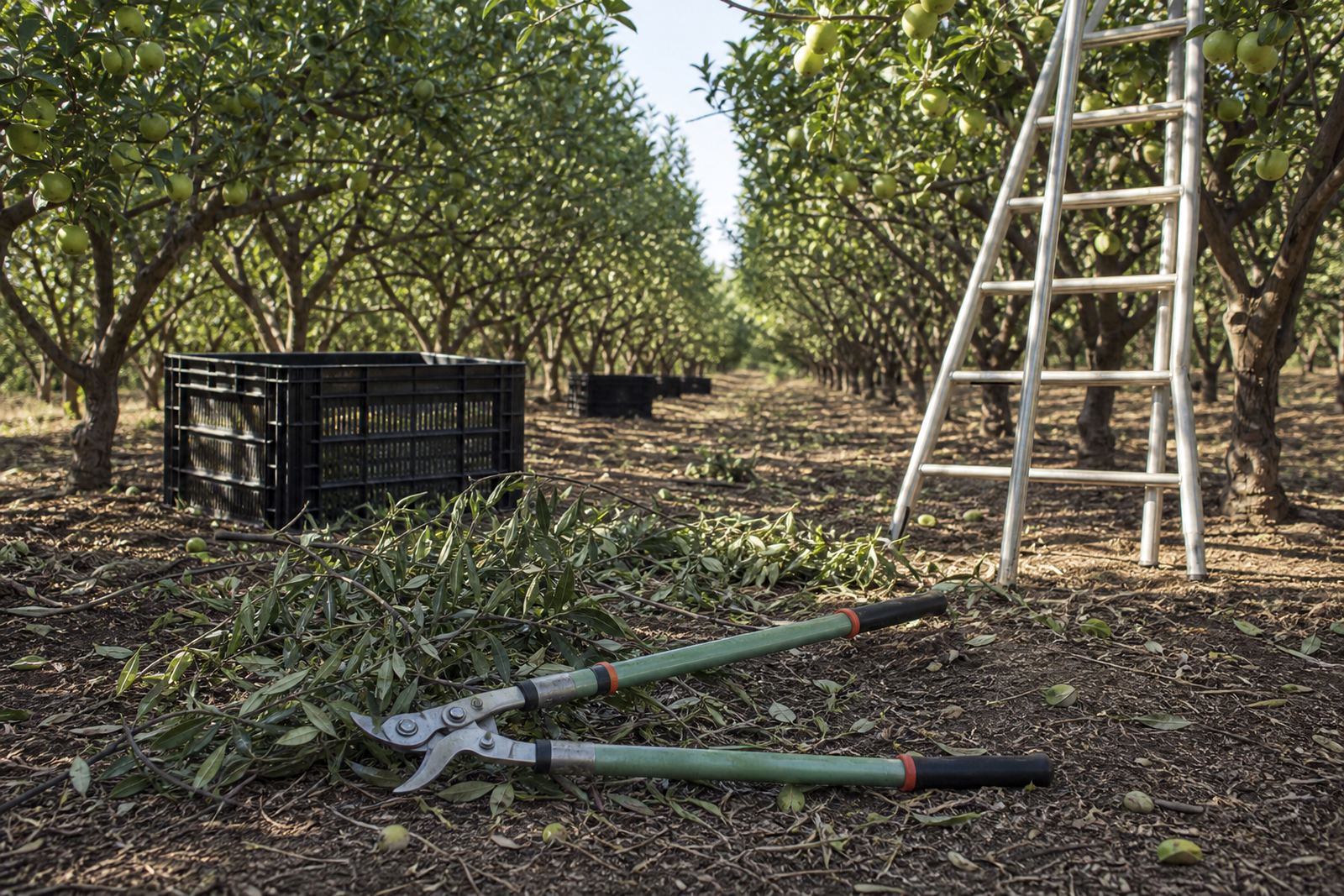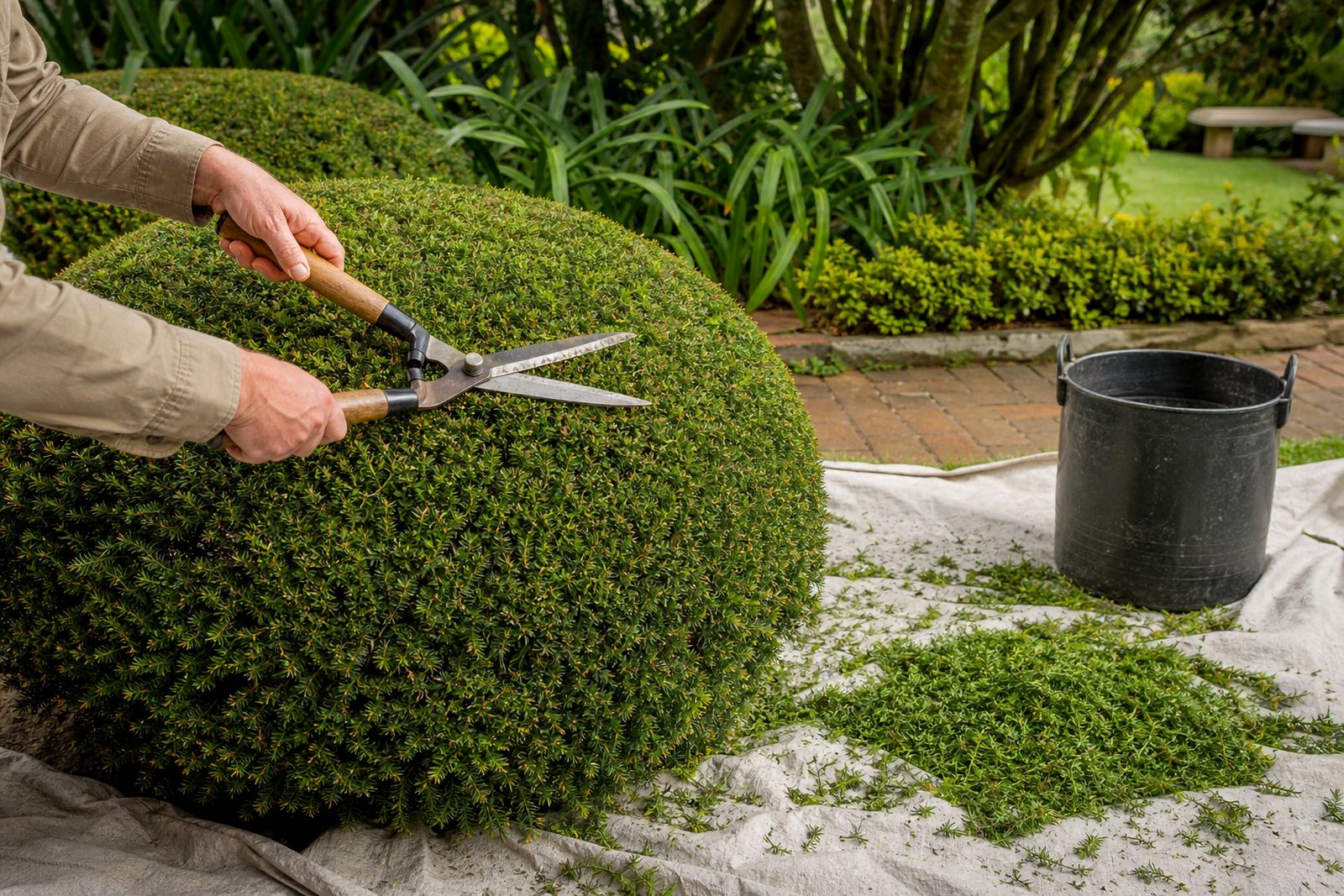
A hand tool for clean shaping and regular maintenance
Shrub shaping shears are a manual cutting tool used for light, accurate trimming on ornamental shrubs, clipped borders and soft growth that needs a neat outline. They are not meant for thick woody branches. Instead, they give you a controlled cut on fresh shoots, helping you keep form without bruising the plant. For gardeners in Pietermaritzburg, Durban and other high-rainfall areas, that matters because shrubs can push new growth quickly after summer rain and need regular touch ups.
This type of shear is useful when you want a tidy finish on decorative hedges, ball shapes, cones and low boundary plantings. The long blades help you take even bites, while the balanced handles reduce strain during repeated passes. There is no fuel, charging or cable to manage, so the tool is ready when you are. That makes it practical for a quick Saturday trim or for teams moving through multiple properties in one day.
Sizes, blade lengths and handle options that suit the job
Choosing the right size comes down to the plant size, your reach and how much trimming you do in one session. Smaller shrub shears are easier for fine detail and light topiary, while longer versions cover more ground and suit broader shrubs or repeated maintenance work. If you are maintaining a formal garden in Hilton or Howick, a mid-length model often gives the best mix of control and coverage.
- Compact blades for close trimming, edging and small decorative shrubs
- Medium blades for general garden shaping and routine maintenance
- Longer blades for wider shrubs, clipped screens and faster coverage
- Lightweight handles for short sessions and detailed finishing
- Longer handles for better reach and reduced bending
- Comfort grips for wet hands, gloves and longer pruning runs
Look at the overall weight as well. A lighter tool is easier to carry around a property, but a slightly heavier pair can feel steadier on larger shrubs. For landscapers working in Johannesburg and Pretoria, that balance can matter when the day includes many stops and different plant types.
Where shrub shaping shears work best in South African gardens
These shears suit soft to medium new growth on ornamental shrubs, box-style borders, clipped garden features and light hedge finishing. They are especially useful where precision counts more than brute cutting power. If the plant has thick stems, a lopper or pruning shear is the better choice. Shrub shaping shears are for the clean outer cut that keeps the garden looking finished.
They are a practical option for coastal properties too. In Gqeberha and Durban, salt-laden air and humidity can speed up surface wear on metal tools, so a model that is easy to wipe down and dry after use is worth it. In inland areas like Johannesburg, dust and dry winds can collect on the pivot and blade face, so regular cleaning helps the action stay smooth. On public-facing sites and estates, neat shaping also supports a consistent appearance without needing heavy equipment or power.
- Ornamental shrubs and clipped borders
- Topiary and decorative shaping work
- Light hedge finishing after a rough cut
- Small business parks, estates and private homes
- Gardens with regular maintenance schedules
No power, gas or mounting needed
Shrub shaping shears do not need mains power, batteries, fuel or gas. There is nothing to install and no mounting hardware required. You simply keep the blades clean, adjust the pivot where applicable and get on with the trimming. That makes the tool useful during load-shedding, on remote properties and anywhere you want to work without relying on a power source.
For gardeners who move between sites, the absence of cords and charging time is a real advantage. You can carry the shears in a tool bag, use them in tight corners, and work around irrigation lines, paving and garden ornaments without getting tangled up. If you are trimming near municipal walkways or estate edges, the quiet manual action also keeps disturbance down, which is handy in early morning maintenance rounds.
Care, sharpening and servicing that keeps the cut clean
Good care starts with wiping sap and moisture off the blades after use. If the tool has been used on soft, sticky growth, clean it before storing so residue does not harden on the cutting edge. In coastal towns, this step matters even more because humidity can encourage rust. A light oil on the pivot and blade face helps protect the metal between uses, provided it is applied sparingly and wiped back.
When the cut starts to feel rough or the blades begin to crush rather than slice, it is time for sharpening or servicing. Cut Tools Garden offers blade sharpening, pivot adjustment, spring replacement, grip replacement, rust removal, deep cleaning and parts fitting. For landscapers with several tools in rotation, fleet care plans can help keep the kit in working order through the busy growing season. Regular servicing also helps the handles stay aligned, which reduces hand fatigue over a long morning of pruning.
- Rinse or wipe after each use
- Dry fully before storage
- Check the pivot for tightness
- Oil moving parts lightly
- Sharpen before the season gets busy
- Inspect for cracked grips or bent blades
What to check before you place an order
Before ordering, check what kind of shrubs you will be cutting most often and how much reach you need. The right choice depends on blade length, handle length, weight and grip style. If the tool is for a home gardener, comfort and ease of use may matter most. If it is for a landscaping crew, durability and speed of trimming are usually the priority. Either way, it pays to match the tool to the job rather than buying too small or too long for the work at hand.
You should also look at the blade finish, pivot action and overall balance. A smooth blade face is easier to keep clean, while a well-set pivot gives a more predictable cut. If you are ordering for properties in different areas, think about the conditions too. In wetter places around Pietermaritzburg and coastal KwaZulu-Natal, rust resistance and easy cleaning are important. In hotter inland suburbs, comfort grip and lighter handling can make a big difference over time.
- Blade length for your usual shrub size
- Handle length for your reach and posture
- Tool weight for longer pruning sessions
- Grip comfort, especially if you wear gloves
- Pivot movement and blade alignment
- Whether you need servicing support after purchase
Supplied from Mkondeni to homes and crews nationwide
Cut Tools Garden operates from Mkondeni in Pietermaritzburg and supplies garden pruning shears, loppers and hedge tools to home gardeners and landscapers across South Africa. Customers from Durban, Johannesburg, Pretoria, Cape Town and Gqeberha can reach the team through the enquiry form on the contact page for product questions, servicing and stock checks. The team includes Sibusiso Mthembu, Nokuthula Zondi, Jason Naidoo, Lerato Khumalo, Megan van Wyk and Themba Dlamini, with support for both single-tool orders and ongoing maintenance needs.
If you are managing a residential garden, a body corporate property or a larger landscape contract, the aim is simple: supply a tool that feels comfortable, cuts cleanly and holds up to regular use. Shrub shaping shears are a practical part of that kit, especially where shrubs need frequent light trimming to stay neat and well kept. For many gardens, that is the difference between a quick tidy-up and a full cut-back.
Key facts
| Tool type | Manual shrub shaping shears |
|---|---|
| Best use | Light trimming and ornamental shaping |
| Blade style | Long straight blades for controlled cuts |
| Power requirement | None, fully hand operated |
| Typical users | Home gardeners, estate teams and landscapers |
| Support available | Sharpening, servicing and parts fitting |