Built for dry, stubborn wood that needs more bite
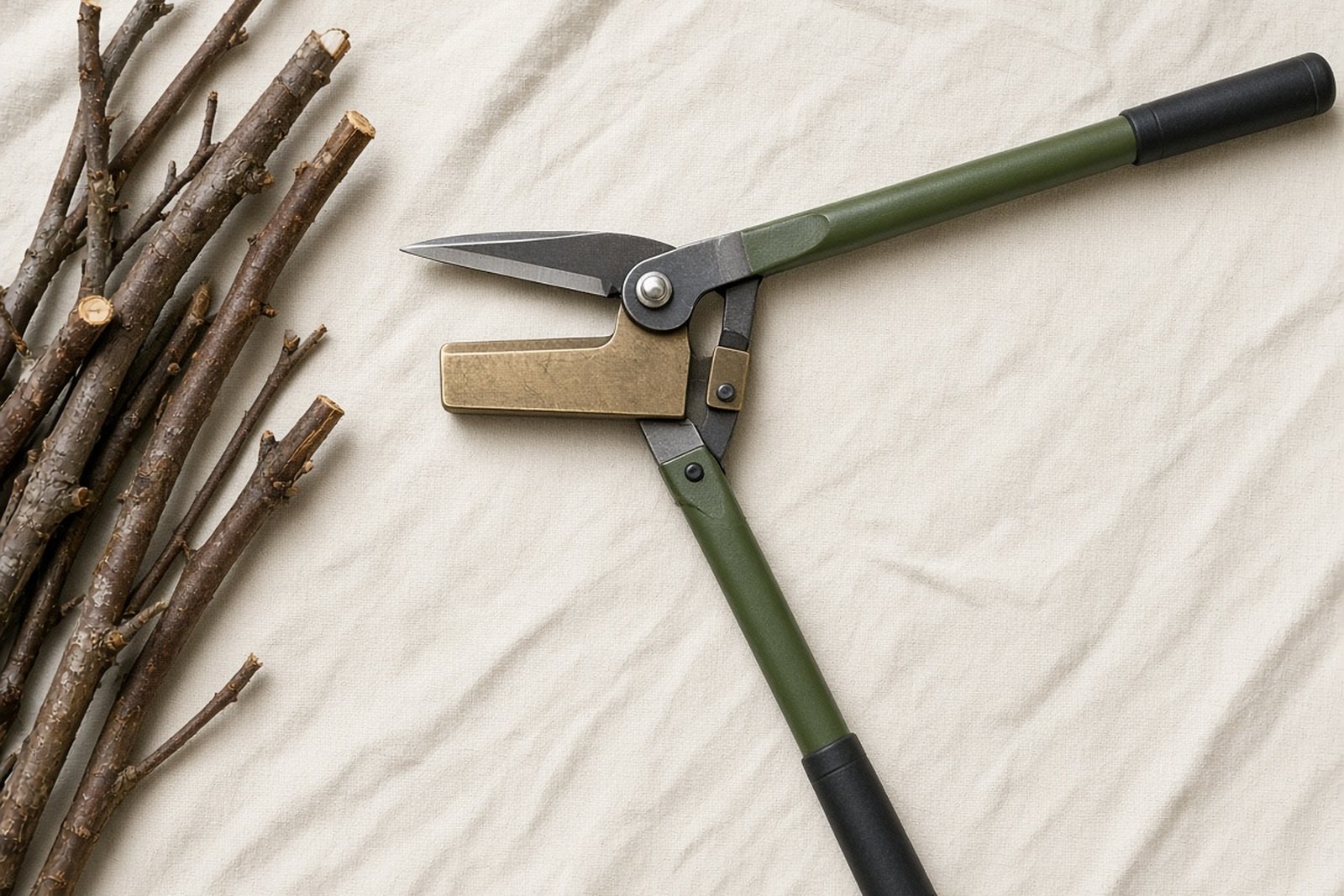
An anvil lopper is designed for tougher deadwood cutting, especially on branches that are dry, hard, or already stressed by wind and heat. The blade closes onto a flat support surface, so the cut is controlled and the handle force goes into breaking through the wood rather than squeezing past it.
This makes it a practical choice for pruning back older shrubs, removing dead limbs, and clearing woody growth after dry spells. It is not the first pick for soft green stems, but for thicker, brittle material it gives cleaner progress with less effort. That matters on sites where a hand tool must do the work, not a machine.
For South African conditions, that includes summer pruning in hot inland areas, coastal gardens where growth can become woody quickly, and municipal or estate work where crews need a lopper that keeps its shape under regular use.
Sizes and options to match the job
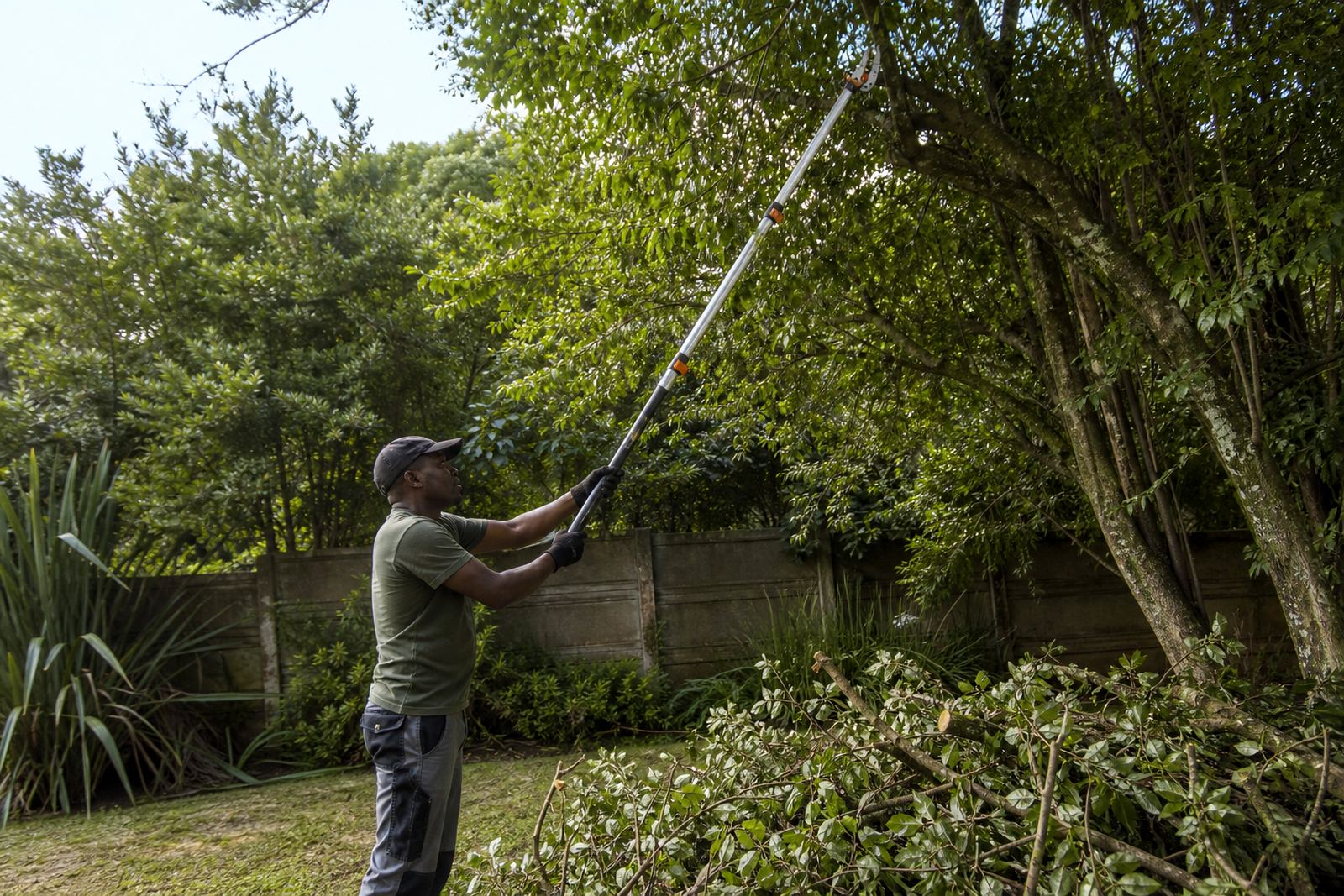
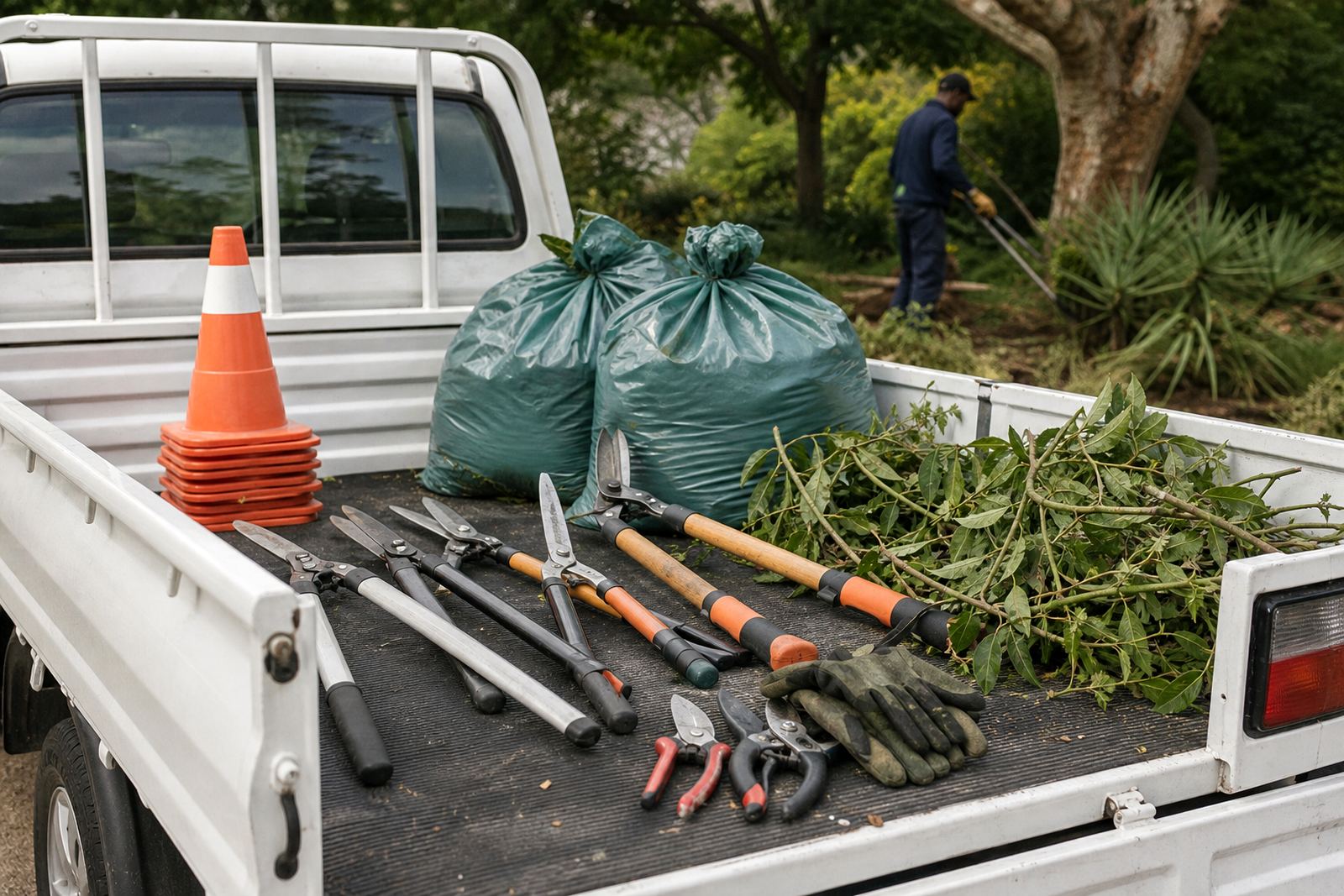
Most anvil branch loppers are chosen by handle length and cutting capacity. A shorter model gives better control in tight beds and small yards, while a longer model gives more reach and extra leverage for deeper cuts. If you are working near fences, boundary walls, or thorny planting, the right length makes the job safer and less tiring.
- Compact models: easier to carry, good for smaller gardens and light pruning
- Mid-length models: balanced reach and control for general maintenance
- Long-handle models: better leverage for thicker deadwood and overhead cuts
- Standard replacement parts: blades, anvils, springs, grips and pivot hardware
When comparing options, also check the blade shape and the grip style. A comfortable handle matters more than many people think, especially if you are doing repeated cuts on a large property or across several sites in one day.
Where this lopper suits best across SA gardens
This tool is a strong fit for gardens that have older trees, boundary hedges, neglected corners, or shrubs that have gone hard and woody. In Durban and other humid coastal towns, growth can thicken quickly and dead stems often hold in the canopy. In Johannesburg and Pretoria, dry winter conditions can leave branches brittle, so a steady anvil cut helps get through them cleanly.
It also suits landscapers managing rental properties, schools, body corporates, and commercial grounds. If the work includes clearance around driveways, loading areas, or tight access sections, a manual lopper is useful because it does not need fuel, charging, or setup time.
- Home gardens with dry or overgrown shrubs
- Estate maintenance and body corporate clean-ups
- Landscaping crews handling repeat pruning rounds
- Sites where noise, fumes, or power access are limited
No power or gas needed, just proper handling
The Anvil Branch Lopper is fully manual, so it needs no electricity, battery, or gas. That makes it handy during load-shedding, on remote properties, and on sites where cords or charging points would slow the work down. There is no engine maintenance and no fuel storage either.
To get the best result, position the branch deep in the jaws and make the cut in one steady motion. Do not force the tool beyond its listed cutting capacity, as that can damage the blade edge, bend the pivot, or split the anvil surface. A clean setup and a firm stance matter more than brute force.
If a branch is too large or springy for the lopper, it is better to step back and use the correct saw. That keeps the cut safer and extends the life of the tool.
Care, servicing, and parts that keep it working
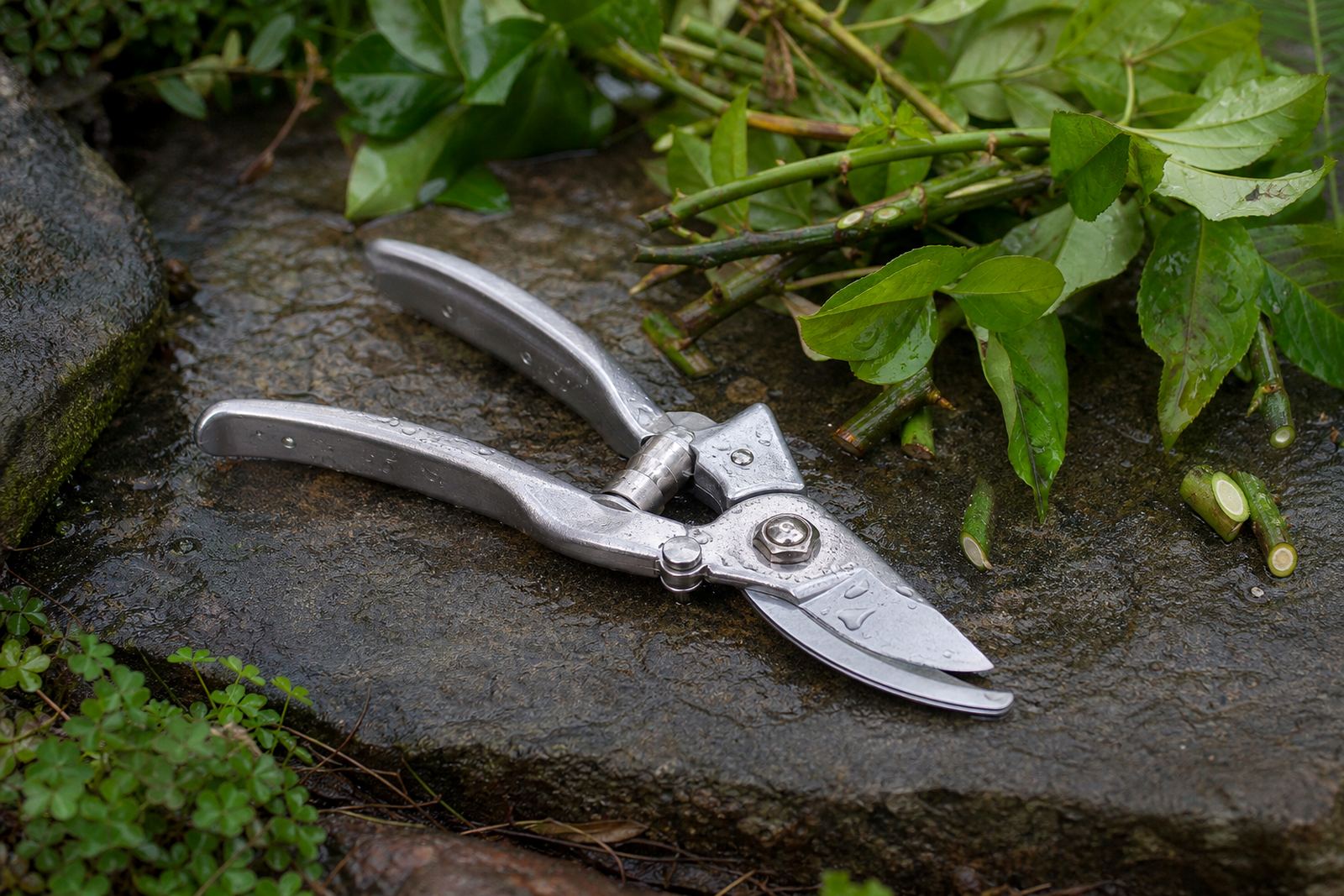
Like any pruning tool, an anvil lopper lasts longer with basic care after use. Wipe off sap and dust, dry the jaws before storage, and check for rust if the tool has been used in wet grass or coastal humidity. A light oil on the pivot and moving parts helps keep the action smooth.
At Cut Tools Garden, servicing can include blade sharpening, spring replacement, grip replacement, pivot adjustment, rust removal, deep cleaning, parts fitting, and tool inspections. For landscapers with several tools in rotation, a fleet care plan can help keep equipment ready for weekly rounds and seasonal peaks.
- Keep the blade clean after each session
- Store in a dry place, away from wet soil and fertiliser
- Check the pivot and spring before busy pruning days
- Replace worn grips before they become slippery
What to check before you order
Before ordering, measure the type of work you need the lopper to do. Check branch thickness, the amount of overhead cutting, and whether the tool will be used by one person or shared across a team. It helps to know if you need a compact model for detail work or a longer handle for tougher reach.
Also check the following: the maximum cutting diameter, handle length, blade and anvil condition, weight, grip comfort, and whether spare parts are available. If you are ordering for a site in Pietermaritzburg, Hilton, Howick, Durban, Johannesburg, Pretoria, Cape Town or Gqeberha, it is useful to have the site conditions in mind as well, since coastal humidity and inland dryness affect tool wear in different ways.
When you enquire through the contact page, give the branch size, the kind of wood you are cutting, and whether the tool is for home use or regular landscape work. That makes it easier to match the right option, no guessing needed.
Key facts
| Tool type | Anvil branch lopper |
|---|---|
| Use case | Deadwood, dry branches, hard woody growth |
| Cutting style | Anvil action for extra pressure and stability |
| Power requirement | None, fully manual |
| Typical use | Home gardens, estates, landscapers, grounds teams |
| Service support | Sharpening, servicing, parts fitting, inspections |