A lighter lopper for all-day pruning work
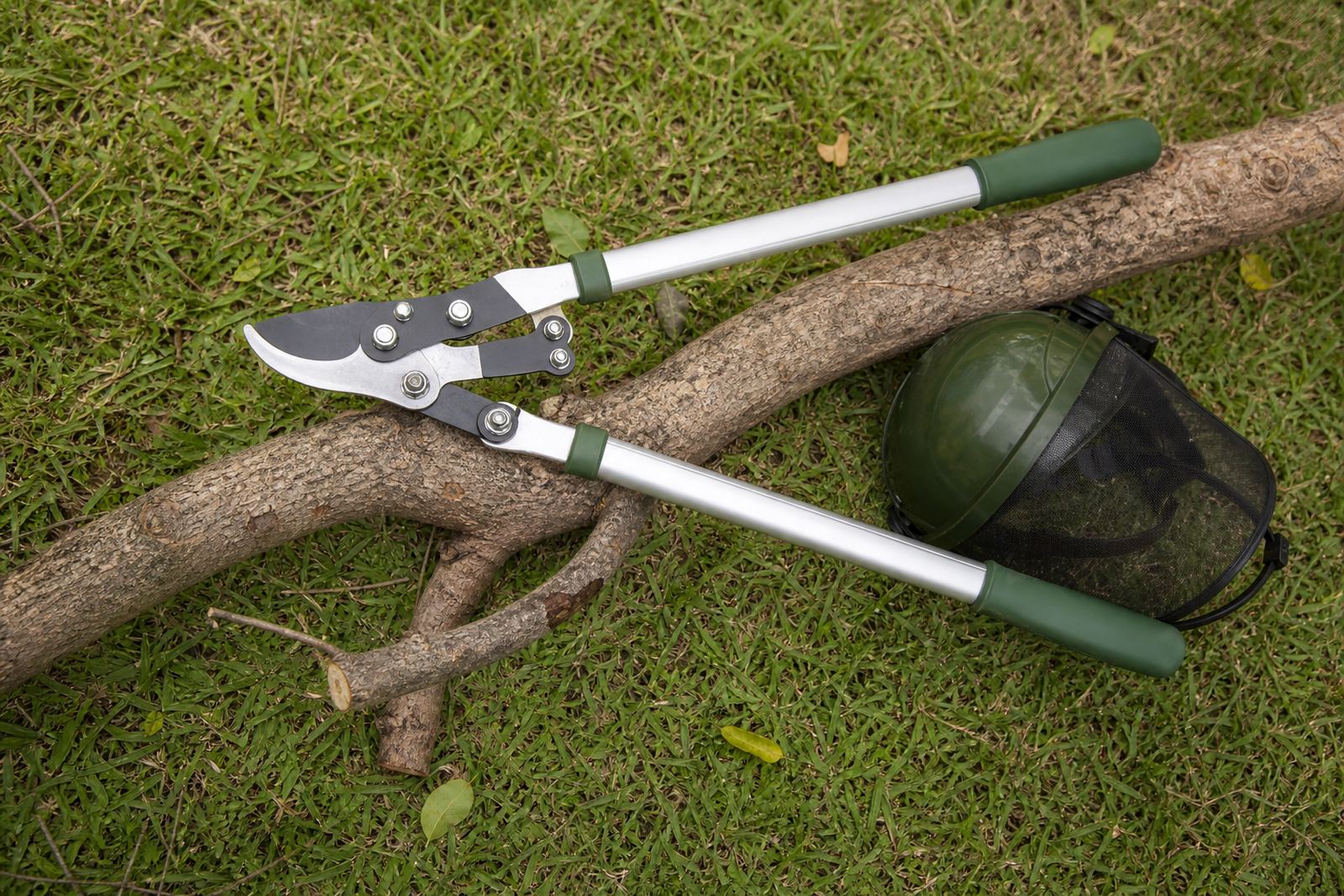
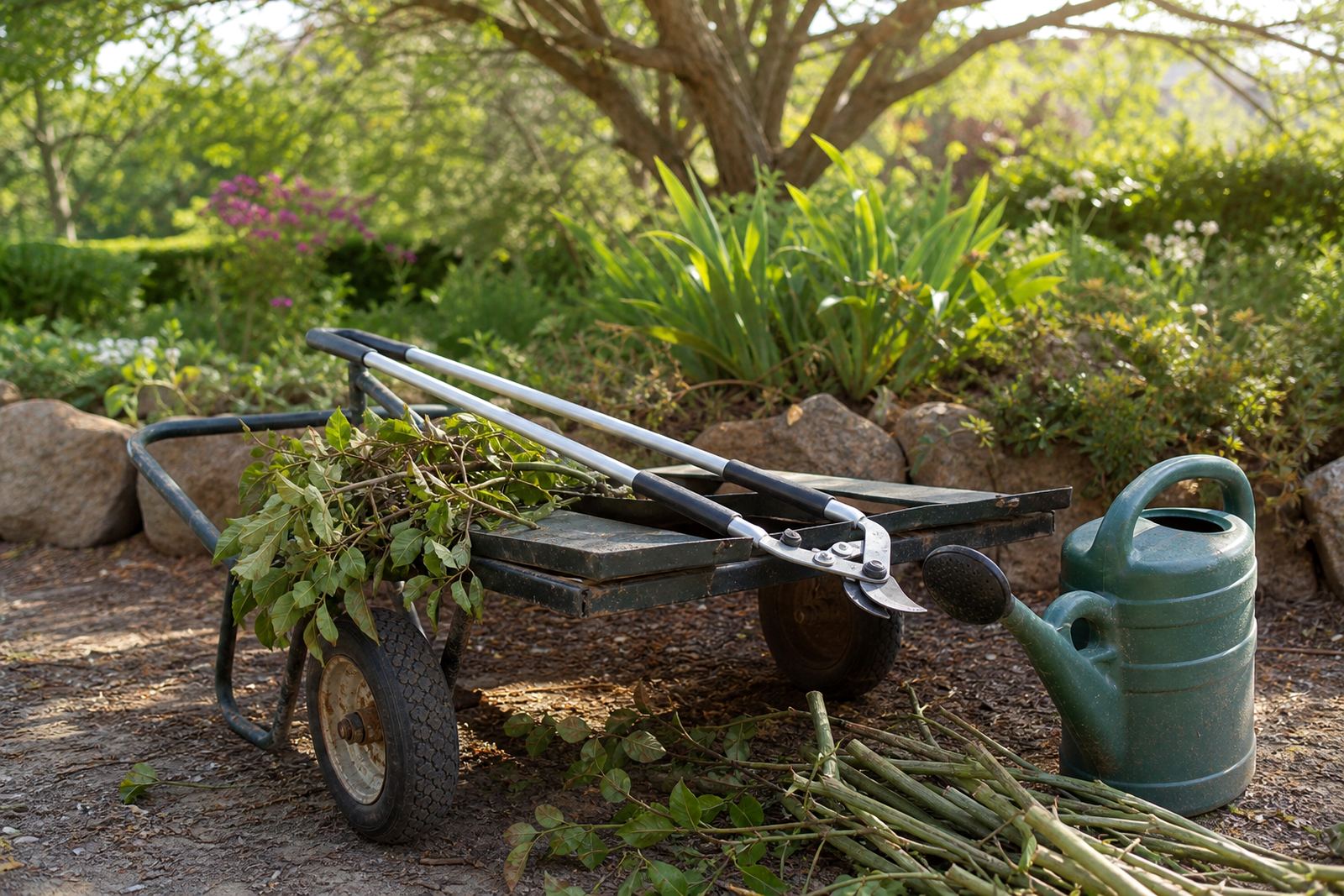
Our lightweight lopper is made for gardeners who need reach and cutting power without a heavy tool in the hand. It is a good option for frequent carry work on larger plots, school grounds, rental properties and landscaped sites where you may be cutting for hours at a time. The lower weight helps reduce arm strain and makes it easier to work above shoulder height or along long perimeter hedges, which is useful in humid coastal areas and inland gardens where growth can be fast after summer rain.
This lopper is used for medium branches, shaping shrubs and clearing dead wood before a full clean-up. It is lighter than a heavy-duty clearing tool, yet still built for proper garden use. For many customers in Pietermaritzburg, Durban and surrounding towns, that balance matters more than extra bulk. It gives a neater finish and is easier to keep moving from one section to the next, especially on maintenance days when there is no time to waste. The handle design is comfortable in the hand and allows a firm grip even when the weather turns wet and the grass is damp.
Cut Tools Garden supplies this style for practical use rather than show. It is suited to regular pruning jobs and can be carried in the back of a bakkie, kept with other hand tools, or used on a property where the team needs to move quickly. If you need something lighter for repeated work, this is the type of lopper that makes sense.
Sizes, cutting capacity and handle options
Lightweight loppers are usually chosen by handle length and cutting capacity. A shorter version is easier for tight spaces and smaller gardens, while a longer handle gives better reach for overhead cuts and thicker stems. The right option depends on the type of growth you cut most often, as well as how much carrying you do in a day. For landscapers and garden teams, the main aim is to match the tool to the job so you are not overworking your arms or struggling with awkward angles.
- Handle lengths commonly suited to 600 mm, 700 mm or 800 mm use cases
- Typical cutting capacity around 20 mm to 35 mm depending on branch type and blade condition
- Lightweight aluminium or mixed-material handles for easier carrying
- Comfort grips that help during long pruning sessions
- Bypass style cutting action for cleaner cuts on live growth
Some buyers prefer a compact lopper for fine garden work around flower beds, while others want a longer model for fruit trees and boundary planting. In KwaZulu-Natal, where garden growth can thicken quickly after rain, it helps to have a lopper that opens wide enough for fresh growth but still feels easy to control. If you are ordering for a team, consider whether the tool will be used by one person all day or passed between workers on different sites.
Where this lopper suits best
This product suits home gardeners, landscapers and maintenance crews that need a lighter hand tool for regular cutting. It works well on hedges with stray branches, small tree limbs, overgrowth near walls, and general shaping work around driveways and pathways. It is also handy on properties with mixed planting, where you may move from soft growth to firmer stems without changing tools every few minutes.
For larger properties, the main advantage is reduced fatigue. A lighter tool is easier to carry across lawns, through garden gates and around parking areas. That matters on jobs in Durban or Gqeberha where you may be pruning in warm weather and carrying tools between several sections. In Pretoria and Johannesburg, where dry conditions can make some growth brittle, a lighter lopper still gives enough control for careful cutting if the blade is kept sharp and aligned.
It is not only for professionals. Many homeowners prefer a lighter lopper because it feels safer to use and easier to store. If you maintain a small backyard, shared complex garden, or a family property with fruit trees, this style gives enough reach without taking over the shed.
- Small to medium gardens
- Estate maintenance and body corporate work
- School and church grounds
- Commercial garden services
- Fruit tree pruning and light shaping work
No power or gas needed, just proper hand use
This is a manual lopper, so there is no power connection, battery charging or gas supply needed. That makes it useful during load-shedding, on remote sites, and for jobs where you want simple, dependable equipment with less downtime. You can start pruning immediately without worrying about plugs, extension leads or fuel storage. For many South African users, that alone makes the tool a practical choice.
Because it is hand operated, the quality of the blade, pivot and handle fit matters. A well set lopper opens smoothly, cuts cleanly, and closes without snagging. If the tool feels stiff or the cut starts crushing stems, it should be checked before the next job. For teams working in coastal humidity, it is also worth wiping down the metal after use so rust does not build up around the pivot or cutting edge. A little care goes a long way and saves money over time.
There is no installation process as such, but new users should check the blade action before starting a full pruning run. Test a few cuts on small green growth first, then move to thicker stems once the tool feels right in the hand. If you are buying for a fleet or shared tool store, it is useful to label the item and keep a basic maintenance note so service intervals are not missed.
Care, servicing and parts support
Like any hand tool used regularly, a lightweight lopper lasts longer when it is cleaned and checked after work. Remove sap, soil and grass from the blades, then dry the tool before storage. On wet or coastal properties, this is especially important because moisture can settle into the pivot and grips. A quick wipe after use keeps the cutting action smoother and reduces rust spots.
Cut Tools Garden offers servicing support that includes blade sharpening, pivot adjustment, spring replacement, grip replacement, rust removal and deep cleaning. If a lopper starts feeling loose, sticky or uneven, it is often cheaper to service it than replace it straight away. For landscapers with several tools in circulation, a planned care schedule helps keep the team working without interruption, especially during peak growth months after rain. We also handle parts fitting and tool inspections for repeated-use items.
- Clean blades after every use
- Oil the pivot lightly when needed
- Store in a dry place, not on damp concrete
- Check grip wear before long jobs
- Send in the tool if cuts begin crushing rather than slicing
What to check before you place an order
Before ordering a lightweight lopper, check the branch size you cut most often, the number of hours the tool will be used, and who will carry it. A lighter tool is best when movement matters, but the cutting capacity still needs to suit the work. If you mainly prune small growth, a shorter model may be enough. If you work on taller shrubs or fruit trees, longer handles will give better reach and keep your feet on the ground more often.
Also check the handle grip and the open width of the blades. A comfortable grip helps when hands are damp or when you are working through a full day in the sun. If the property has dense planting, make sure the tool can open wide enough for the stems you are likely to meet. It is worth asking about servicing support too, especially if the lopper will be used by a team and not just one person. A tool that can be sharpened and adjusted will usually last better than one left to wear down.
For buyers in Pietermaritzburg and across South Africa, it also helps to think about storage and transport. A lightweight lopper is easy to carry, but it still needs a dry place and a safe spot in the bakkie. If you are ordering for multiple sites, keep the size consistent so the crew knows what to expect. That saves time and avoids mix ups on busy maintenance days. When in doubt, choose the model that matches your most common job, not the biggest branch you might see once in a while.
Key facts
| Product type | Lightweight manual lopper |
|---|---|
| Typical handle lengths | 600 mm, 700 mm, 800 mm |
| Cutting capacity | About 20 mm to 35 mm depending on material and blade condition |
| Blade style | Bypass cutting action for live growth |
| Material | Lightweight metal handles with comfort grips |
| Power or gas required | None, fully manual |