Fine cutting for bouquets, posies and soft growth
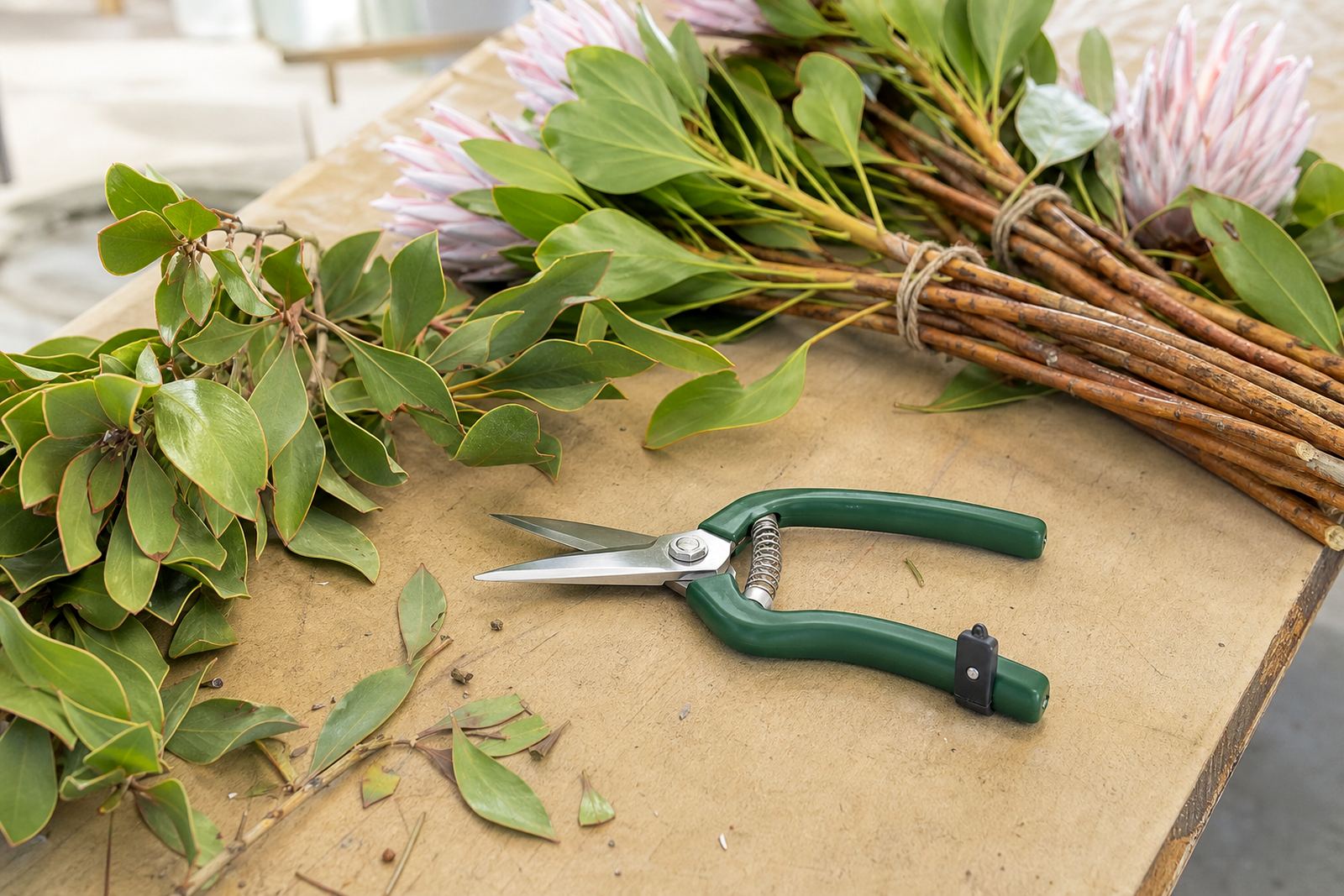
Florist stem shears are the lighter end of the cutting range, made for soft stems, herbs, flowers and thin green growth that needs a clean finish. They are a good choice when you are preparing bunches for a market table in Durban, tidying roses in Pietermaritzburg, or cutting filler stems for event work in Johannesburg. The narrower blades help you work close to the stem and make small, accurate snips without tearing the plant tissue.
These shears are not meant for woody branches or heavy pruning. Instead, they are built for the jobs where a heavier secateur can crush the stem or leave a rough edge. For florists and gardeners alike, that means better stem water uptake, neater bunches and less waste after cutting. In humid coastal areas, a clean cut also helps reduce premature browning and blackening on soft material.
- Best for soft stems, herbs, ornamentals and light bunch prep
- Cleaner cuts on delicate material than heavier general purpose tools
- Useful for florists, home gardeners and nursery work
- Helps reduce bruising on fresh flowers and soft greenery
Sizes, blade styles and grip options to look for
Florist stem shears are usually compact, with overall lengths around 150 mm to 220 mm depending on handle style and blade shape. Smaller models are handy for fast hand work and fine detail, while slightly longer models give more leverage for thicker soft stems and repeated use through the day. If you are cutting for long periods, a cushioned grip and a balanced spring action make a noticeable difference to hand fatigue.
Blade options vary by task. Straight blades suit general flower prep and clean bunch trimming. Narrow pointed tips help when you need access between leaves or into crowded vase material. Some models have bypass style action for a clean slicing cut, while others use a micro-serrated edge for extra grip on slippery stems. For South African conditions, it is worth choosing a model with corrosion resistance if you work near the coast or store tools in a damp shed.
- Lengths typically from 150 mm to 220 mm
- Straight or pointed blade styles for different cutting tasks
- Spring assisted action for easier repeated use
- Cushioned or moulded grips for comfort and control
Where florist stem shears suit best around the garden
These shears are well suited to flower beds, herb patches, nursery benches and cutting rooms where small, exact cuts matter. They are often used on blooms, soft foliage and tender shoots during picking, conditioning and arrangement. In Pietermaritzburg and the KZN midlands, they are useful for everyday home garden work where plants are lush and growth can be quite soft after rain. In Cape Town, they are helpful for cutting protected ornamentals and light bouquet material in windy, drier conditions.
They also work well for landscapers maintaining planted borders, display pots and commercial entry areas where neat presentation matters. For schools, guest houses and local function venues, florist stem shears are handy for deadheading, trimming display plants and cutting stems for indoor arrangements. If the work includes woody cuttings, thicker rose canes or hedge growth, you will need a heavier cutting tool alongside these shears.
- Flower beds and bouquet preparation
- Nurseries and small plant production areas
- Indoor arrangements and display plant care
- Light deadheading and detail trimming around ornamentals
No power, no gas, just a simple hand tool
Florist stem shears do not need electricity, batteries or gas. That makes them useful during load-shedding, at remote sites, and in places where a quick hand tool is easier than setting up powered equipment. There is nothing to charge and no fuel line to check, so the tool is always ready when you need to cut a few stems or prepare material quickly before an event.
Because they are manually operated, the main requirement is that the pivot stays smooth and the blades stay clean. A well adjusted pair will open and close without drag, giving you better control and less hand strain. If the action becomes stiff, that usually means the pivot needs oiling, cleaning or a small adjustment rather than a full replacement.
- Manual use only, no power connection required
- Suitable for use during outages and off-grid work
- Easy to carry in a tool kit or apron pocket
- Low setup time for quick cutting jobs
Care, servicing and cleaning for longer blade life
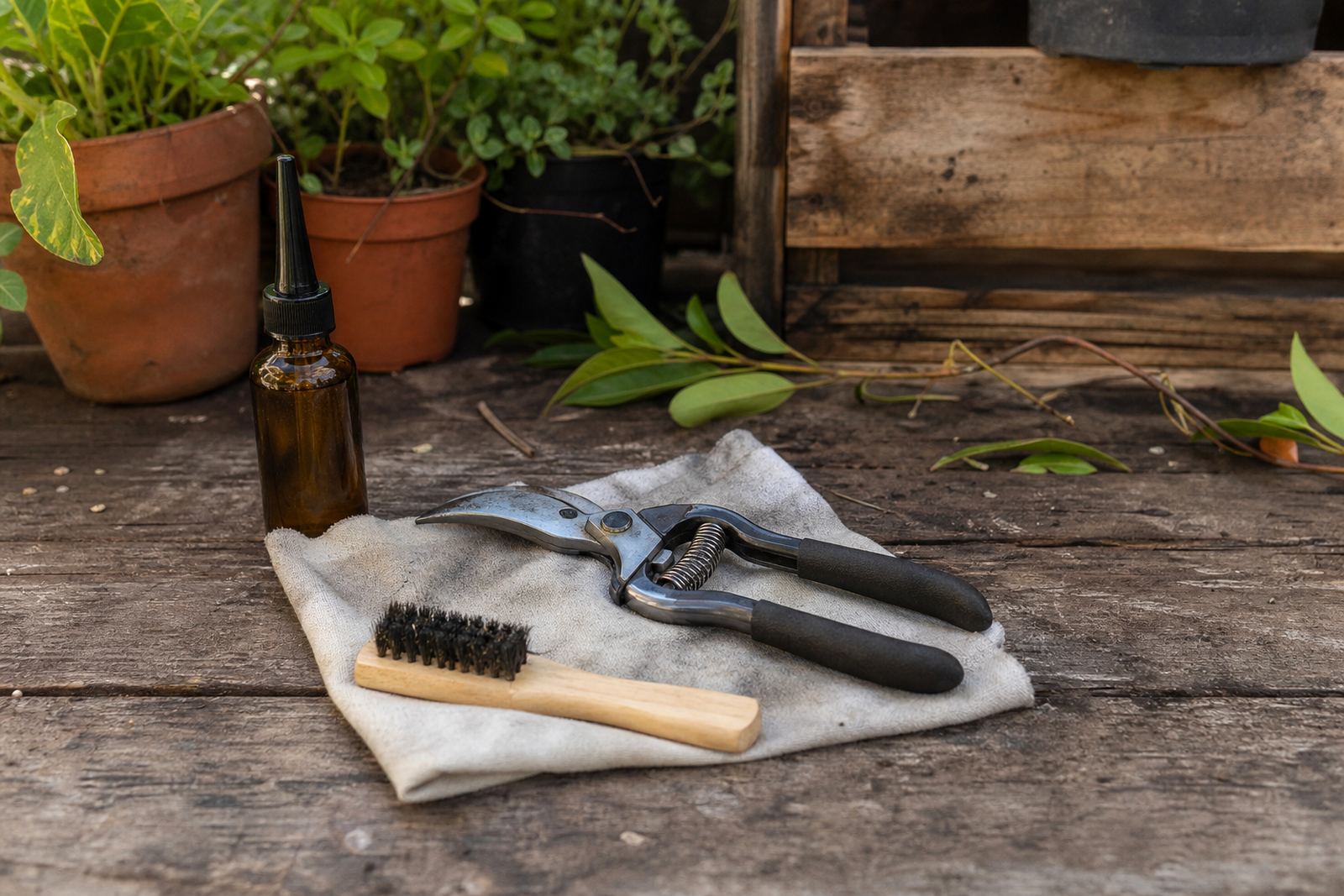
Good care keeps florist stem shears sharp and safe to use. After cutting sap-heavy stems or working in damp conditions, wipe the blades clean and dry them properly before storage. A light oil on the pivot helps reduce wear, while regular blade cleaning slows down rust, especially in coastal towns like Durban or Gqeberha where humidity is a factor. If the shears are used in a busy flower room or nursery, a quick clean at the end of the day saves time later on.
We also recommend checking the spring, handle grip and blade alignment from time to time. If the blades no longer meet properly, the cut becomes rough and the stem may bruise. Our servicing options include blade sharpening, spring replacement, grip replacement, pivot adjustment, rust removal, deep cleaning and parts fitting. For teams that use several pairs across a site, tool inspections and fleet care plans can help keep equipment in working order without surprise downtime.
- Wipe blades after each use and dry before storage
- Oil the pivot lightly if movement becomes stiff
- Check for rust, sap build-up and dull edges
- Service before peak flower seasons or event periods
What to check before you place an order
Before ordering florist stem shears, check the stem type you work with most often, the size of the cuts you need to make and whether you prefer a straight blade or a pointed tip. If the shears will be used for a full day of bunch prep, choose a model with a lighter feel and a comfortable grip. If they will be shared across a team, consistency matters, so it helps to standardise the size and blade style.
Also check whether you need left or right hand comfort, what kind of handle finish you prefer, and how the tool will be stored after use. For commercial buyers in Pretoria, Johannesburg or Cape Town, ask about stock levels, servicing support and replacement parts. If you are ordering for a florist studio, nursery or landscaping team, it helps to note the exact stem thickness and the quantity needed so we can guide you to the right option.
- Stem type and typical thickness
- Preferred blade shape and handle size
- Handedness and comfort requirements
- Storage, servicing and replacement part needs
Key facts
| Product type | Florist stem shears for soft stems and delicate cutting |
|---|---|
| Typical length | 150 mm to 220 mm |
| Blade style | Straight or pointed fine-cut blades |
| Power requirement | None, hand operated only |
| Best use | Bouquet prep, deadheading, soft stems and ornamentals |
| Service support | Sharpening, spring replacement, pivot adjustment and cleaning |