A practical lopper for everyday landscape work
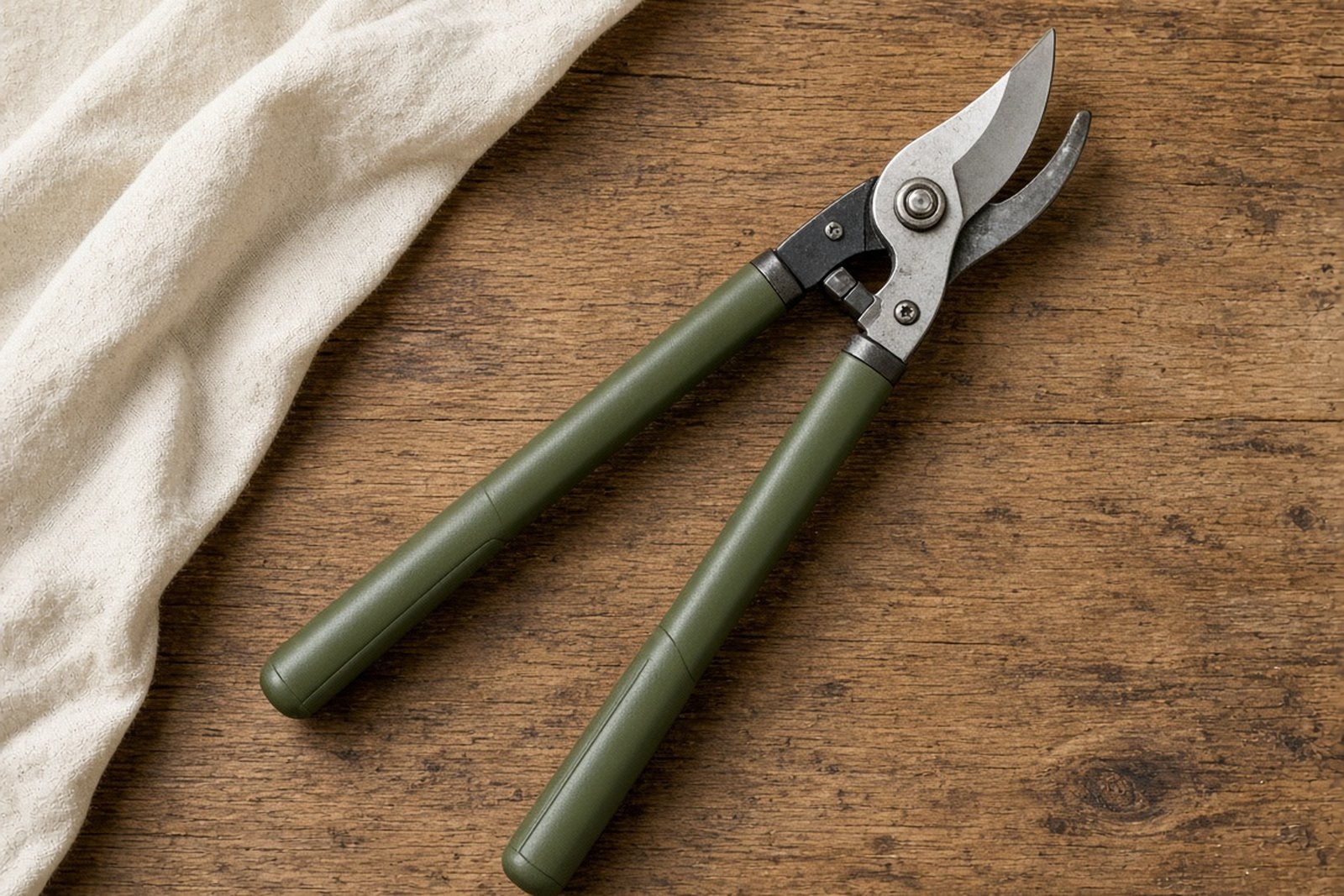
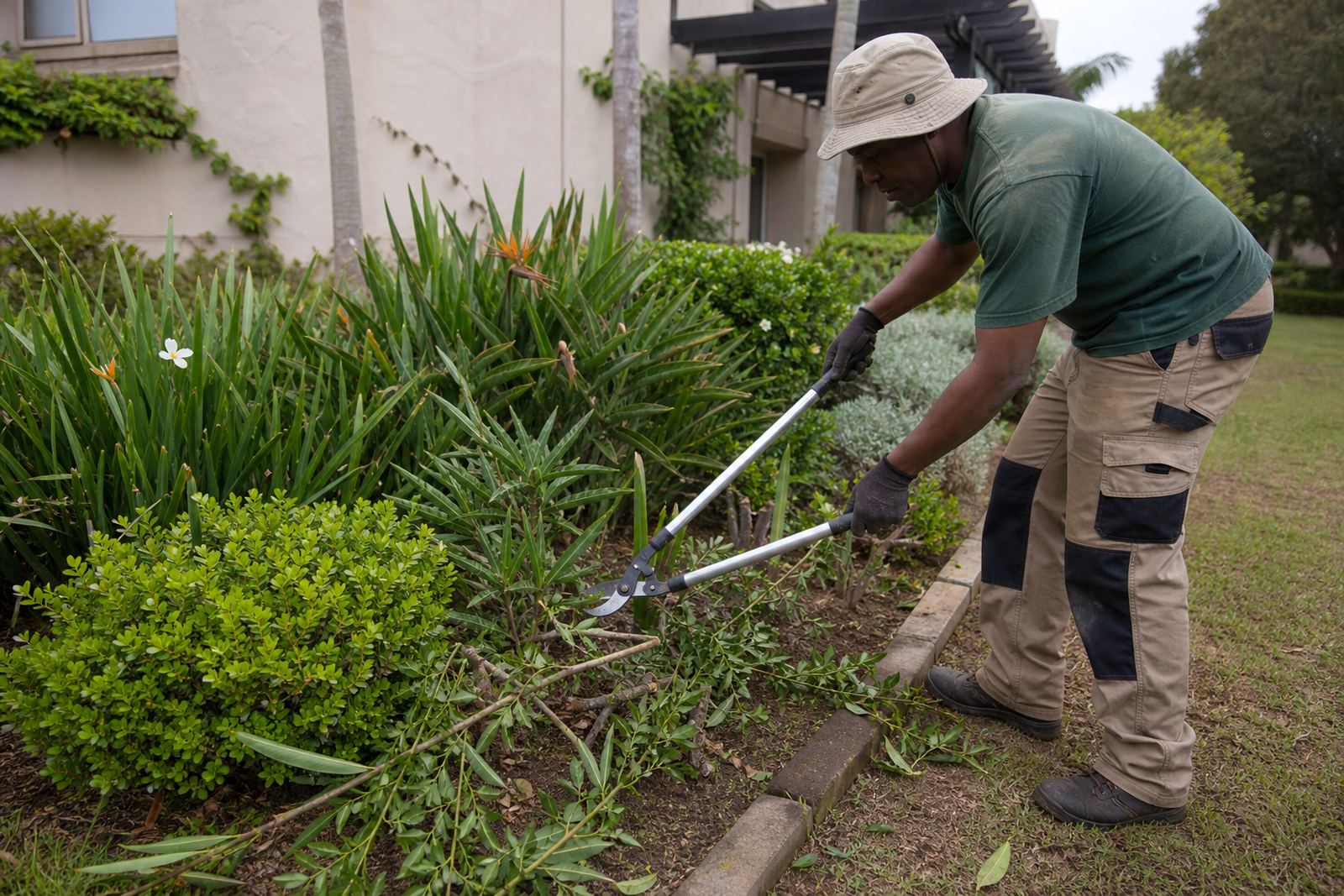
This lopper is made for hands-on garden work where a secateur is too small and a saw is too slow. It suits pruning shrubs, thinning soft growth, clearing tangled edges and taking back saplings before they harden off. In Pietermaritzburg, Durban and other humid coastal areas, clean cuts matter because damp conditions can speed up rust and stress on green material if the blade is blunt.
The tool is suited to regular use on residential gardens, estate maintenance, school grounds and contractor rounds. It gives enough leverage for heavier stems, but it still stays manageable for repeat cutting through the day. That makes it useful where crews need one tool that can move from ornamental hedging to softer woody growth without changing equipment every few minutes.
Sizes, reach and cutting capacity
Landscape loppers are generally chosen by handle length and cutting mouth size. Shorter handles are easier for tight spaces and low shrubs, while longer handles give extra reach over boundary hedges and wider beds. For South African gardens, a common working range is between 600 mm and 900 mm overall length, with the right choice depending on the height of the hedge and how much overhead work is involved.
- Handle length: often 600 mm, 760 mm or 900 mm options
- Cutting capacity: typically 20 mm to 35 mm depending on the blade profile and plant type
- Blade type: bypass-style cutting for live growth and cleaner finishes
- Handle grip: cushioned or textured grips for better control in wet weather
- Weight: light enough for repeated use, yet solid enough for contractor work
If you are ordering for a team, it helps to match the handle length to the operator's reach and the usual job site. A lopper that is too long can become awkward in dense growth, while one that is too short can force overreaching and poor posture.
Where this lopper works best
This tool is a good fit for gardens with mixed planting, especially where shrubs and saplings grow along fences, driveways and paving edges. It is also practical for landscapers who maintain commercial sites, body corporate gardens and residential properties with frequent light pruning. The clean cut helps the plant recover better than tearing or crushing stems.
It suits:
- mixed shrubs and soft woody growth
- young trees and saplings before they need saw work
- hedging edges that need tidy shaping
- boundary lines and access paths
- small to medium contractor rounds across Durban, Johannesburg, Pretoria, Cape Town and Gqeberha
For thicker, dry or dead wood, check the stem size before forcing the cut. A lopper is not meant to replace a pruning saw, and trying to cut material beyond its rated capacity can bend the blade or strain the pivot.
Set-up, handling and power requirements
This is a manual cutting tool, so there are no power or gas needs to worry about. That makes it useful during load-shedding and on sites where cords, charging points or fuel storage are not practical. It is ready to use straight from the crate or shelf once the pivot tension is checked and the blades are clean.
There is no installation as such, but a proper first check helps the tool work correctly. Make sure the blade closes evenly, the handles open and shut smoothly, and the pivot is not too loose. If the action feels stiff, a small adjustment may be needed before daily use. For contractors, it is worth keeping a basic service routine in the van so the lopper stays in working order between jobs.
Care, servicing and blade upkeep
Garden tools last longer when they are cleaned after use, especially in coastal air where moisture can sit on the metal overnight. Wipe off sap, soil and grass juice after each shift. If the blade is left dirty, cutting performance drops and rust can start at the edge or pivot. A light oil on moving parts helps keep the action smooth.
Our servicing support includes blade sharpening, pivot adjustment, rust removal, deep cleaning, spring replacement, grip replacement and parts fitting. That is useful for crews that use the same tool across many properties and need it checked before the busy season. If a blade has chips or the handles are no longer closing squarely, it is better to service it early than push it until the damage gets worse.
- clean after each use
- dry before storage
- check pivot tightness weekly
- sharpen before the edge starts tearing stems
- store indoors, out of coastal damp and direct sun
What to check before you order
Before ordering, confirm the type of work you do most often. A contractor cutting soft hedges all day may want lighter handles and faster action, while someone trimming thicker shrubs may prefer a heavier frame with more leverage. It also helps to check whether the tool will be used by one operator or shared across a team, because grip comfort and handle length can make a real difference over a full day.
Check the following before you place an enquiry:
- the usual stem thickness you need to cut
- the height of the shrubs or hedges on site
- whether the tool will be used on wet, coastal or inland properties
- if you need a left-hand or right-hand friendly feel
- how often the tool will be serviced
- whether you want one unit or a fleet order for multiple staff
Clients in Pietermaritzburg, Hilton, Howick and further afield can reach us through the enquiry form on the contact page. If you are unsure which size suits your work, send through the stem size and the kind of garden you maintain, then we can point you to the right option.
Key facts
| Product type | Manual landscape lopper for pruning shrubs, saplings and hedge edges |
|---|---|
| Overall length options | Approx. 600 mm, 760 mm or 900 mm |
| Cutting capacity | Approx. 20 mm to 35 mm depending on stem type |
| Blade action | Bypass cutting for cleaner cuts on live growth |
| Handle | Textured or cushioned grip for better control |
| Power or gas | None required |