Clean cuts for live branches and regular pruning
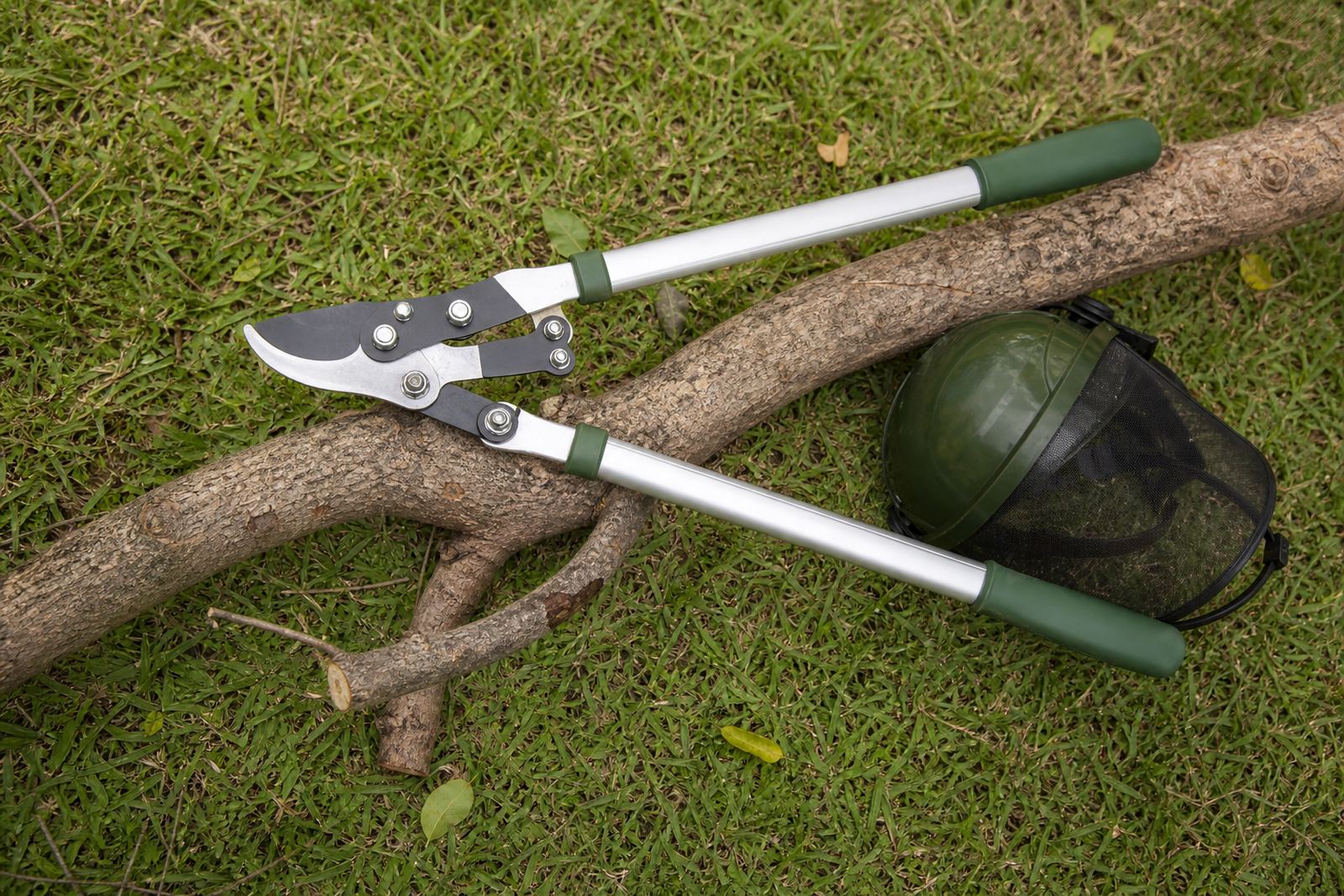
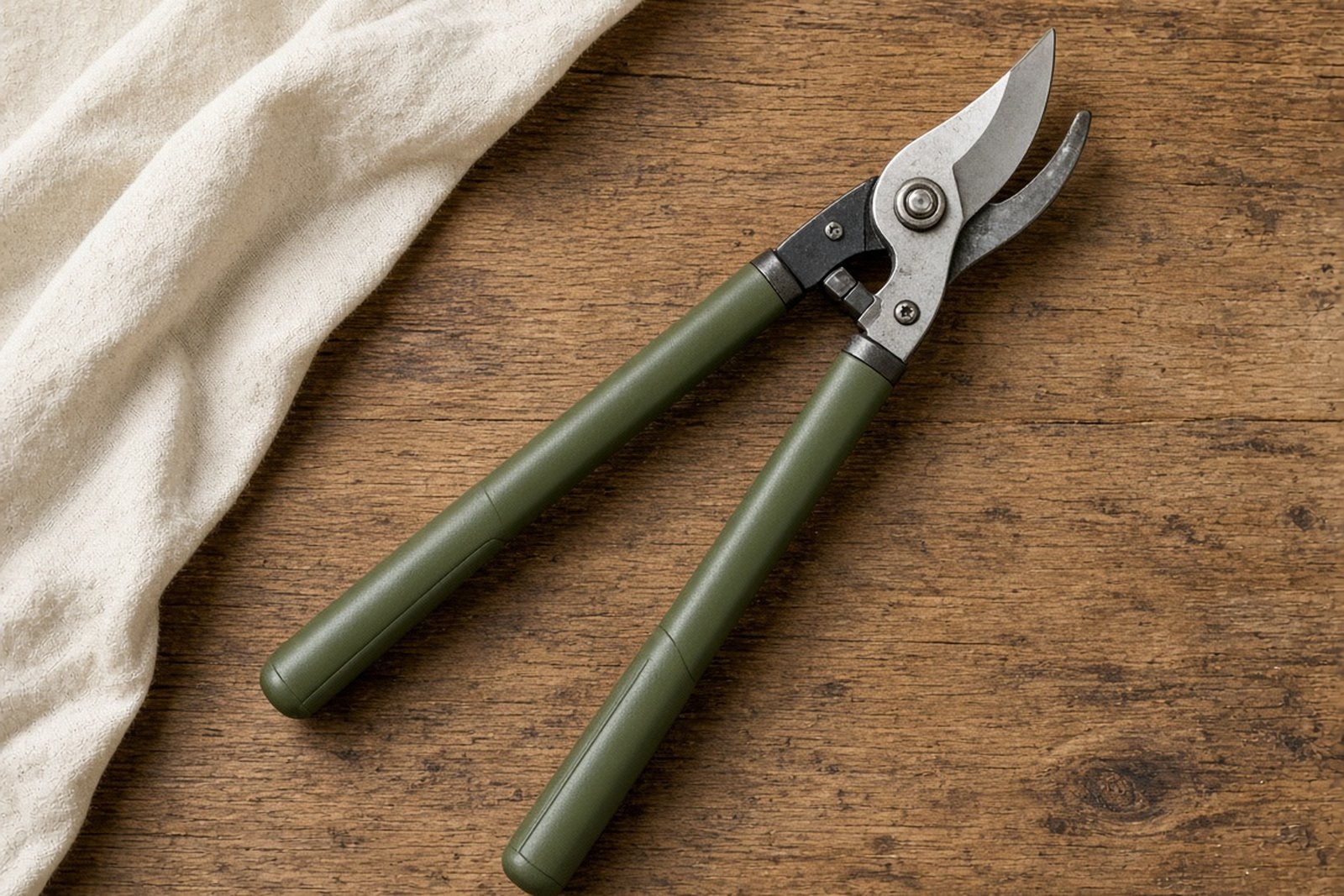
The Standard Bypass Lopper is made for live wood, where a clean scissor-type cut helps the plant recover quicker. It is suited to pruning shrubs, fruit trees, flowering hedges and young branches that are too thick for hand secateurs but not yet suited to saw work. For gardeners in Pietermaritzburg, Durban and other humid coastal areas, a good bypass action also helps reduce bruising on stems that can be slow to heal in muggy weather.
These loppers are commonly used for routine garden maintenance, estate work and contractor pruning. They are a sensible fit for home gardeners who need one reliable tool for regular cut backs, and for landscapers who want a dependable option for light to medium branch work. The cutting action is smooth, with enough leverage to handle awkward growth without forcing the user to overwork the arms.
Sizes, blade styles and handle options
Most standard bypass loppers are supplied in a few practical sizes, with overall lengths usually between 600 mm and 900 mm. Shorter models are easier to control in tight beds and small courtyards, while longer handles give extra reach for higher branches and thicker growth. A typical cutting capacity is 30 mm to 40 mm on green wood, depending on branch hardness and the exact blade set.
Some buyers prefer lightweight aluminium handles for easier all day use, while others choose steel handles for a heavier feel and added strength. Soft grip sleeves help reduce hand strain, especially when pruning for long periods. In some cases, the head can be adjusted or the blades replaced rather than replacing the full tool, which is useful for contract teams and busy garden crews.
- Length options: 600 mm, 750 mm and 900 mm
- Typical cutting capacity: 30 mm to 40 mm live branches
- Blade type: bypass cutting head for clean slicing action
- Handle choice: aluminium or steel, depending on weight and duty level
- Grip finish: plain grip or cushioned grip for comfort
Where the Standard Bypass Lopper works best
This tool is best used on soft to medium live growth in home gardens, nursery beds, school grounds, townhouse gardens and larger managed spaces. It suits pruning of rose canes, citrus water shoots, ornamentals, viburnum, bougainvillea, and general branch reduction on shrubs that are still within hand-tool range. In coastal suburbs where growth stays active for most of the year, it is handy for frequent light pruning instead of waiting for big cut back jobs.
It also works well for landscapers handling regular maintenance across Durban, Johannesburg, Pretoria, Cape Town and Gqeberha, where garden conditions vary a lot from dry inland heat to coastal humidity and salt air. If you are maintaining a fleet of gardens, a standard bypass lopper gives your team a simple, trusted cutting tool that does not need fuel or electricity and is ready to use at any time.
- Ideal for live branches, not dry deadwood
- Useful for shaping hedges and shrubs between major trims
- Handy for fruit trees, ornamentals and general clean-up work
- Good for residential, commercial and estate garden maintenance
No power, no gas, just manual cutting control
The Standard Bypass Lopper is a fully manual tool, so there is no power connection, battery charging or gas refuelling required. That makes it useful during load-shedding, on remote sites, and in areas where charging points are limited. It is also quieter than powered equipment, which can matter in residential areas, body corporate complexes and municipal spaces with noise rules.
Because it does not rely on cords or engines, setup is simple. Open the handles, position the branch deep in the blade throat and make one clean squeeze. For the best result, do not try to force branches that are too thick for the cutting capacity. A straight cut with proper alignment is always better than leaning on the tool and risking a crushed branch or damaged blade edge.
Care, sharpening and servicing that keeps it working
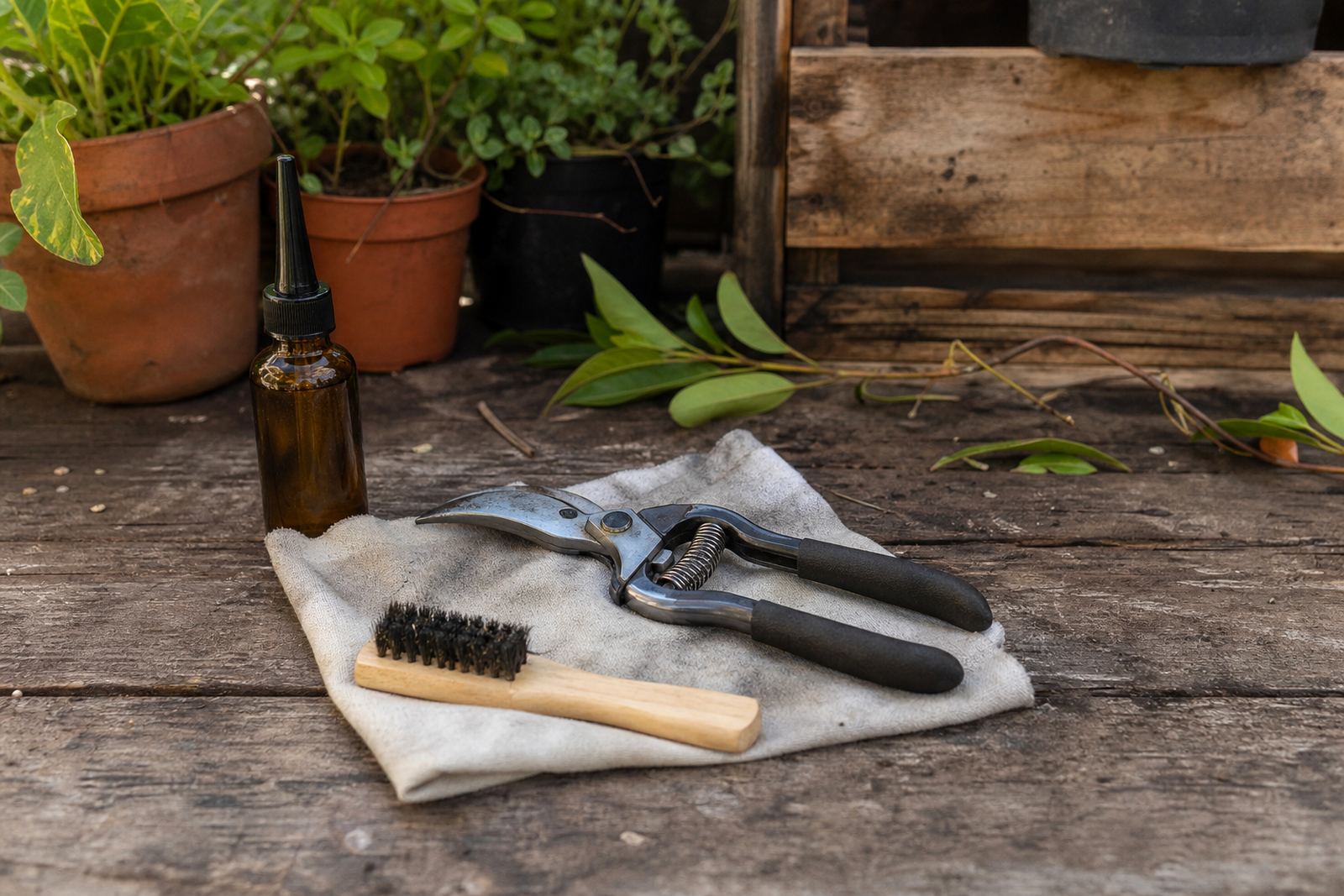
Like any garden cutting tool, a bypass lopper lasts longer when it is cleaned after use. Wipe off sap, dust and moisture, then dry the blades before storing. In KwaZulu-Natal coastal conditions this matters more, because moisture and salt in the air can cause surface rust faster than many users expect. A light oil on the blade and pivot helps prevent sticking and keeps the action smooth.
If the tool starts to pinch rather than slice, it may need sharpening, pivot adjustment or a check for blade wear. Springs, grips and fasteners should also be inspected from time to time. Cut Tools Garden supports this with servicing options such as blade sharpening, spring replacement, grip replacement, pivot adjustment, rust removal and deep cleaning. For a contractor, that can mean less downtime and fewer tools taken out of service at once.
- Clean sap off after each use
- Store in a dry place away from damp floors
- Oil the pivot and blade lightly
- Check alignment before every busy pruning day
- Book servicing when the cut starts to drag or crush
What to check before you place an order
When ordering a Standard Bypass Lopper, check the branch size you usually cut, the handle length that suits your reach, and whether you prefer lighter weight or extra leverage. If the tool will be used by multiple staff members, comfort grip and a mid-length handle are often the most practical choice. For one person working in tight garden spaces, a shorter model may be easier to carry and control.
It is also worth confirming the cutting capacity, spare part availability and whether servicing is needed later on. If you are buying for a managed site or a contractor fleet, ask about tool inspections and fleet care plans. That makes it easier to keep multiple loppers in working order and ensures replacements, fittings and adjustments can be handled without delays. For many teams, that saves time in the long run and keeps pruning schedules on track.
Clients across South Africa can send their enquiry through the contact page form, including the quantity needed, preferred length and the type of work the lopper will be used for. Our base in Mkondeni, Pietermaritzburg supports supply to home gardeners and landscapers in Durban, Johannesburg, Pretoria, Cape Town, Gqeberha and surrounding areas.
Key facts
| Product type | Standard bypass lopper for live branches |
|---|---|
| Typical length | 600 mm to 900 mm |
| Cutting capacity | 30 mm to 40 mm, depending on wood hardness |
| Blade action | Bypass cutting head for clean cuts |
| Handle material | Aluminium or steel, model dependent |
| Maintenance | Cleaning, sharpening, pivot adjustment and rust care |