
What Anvil Pruning Shears Are Built For
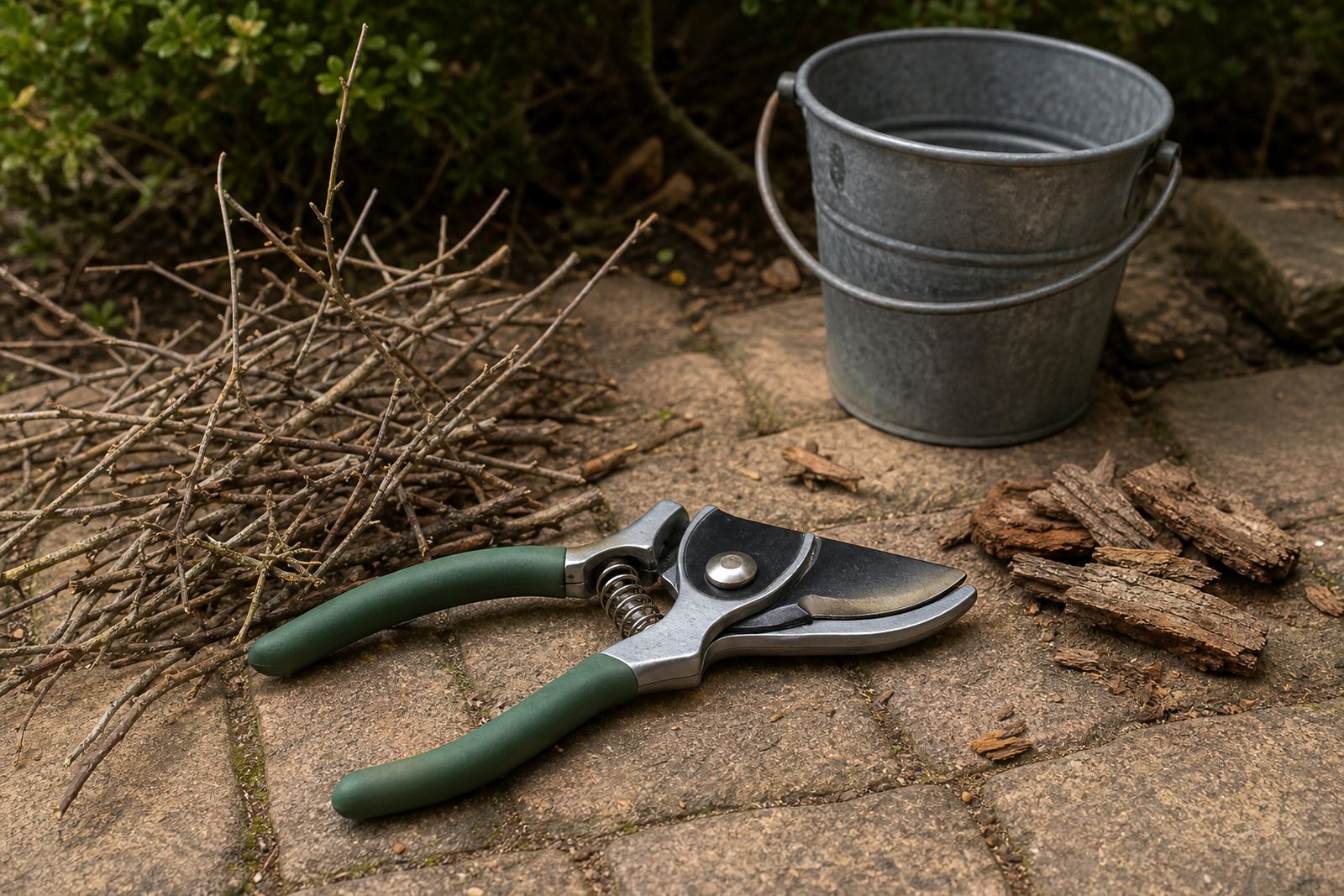
Anvil pruning shears use a sharp upper blade that closes onto a flat anvil surface, giving a firmer cut through dry and semi-woody stems. That makes them a practical choice for thorny shrubs, deadwood, citrus pruning, winter clean-ups and general cut-back work where bypass secateurs can start to struggle. They are not the first choice for soft green growth if you want the cleanest finish, but for firmer material they give good control with less hand strain.
In South African gardens, especially in hot inland areas and coastal towns with thicker growth, a good anvil tool helps when you are cutting material that has dried out after heat, wind or missed watering. These shears are also useful on farms, school grounds and body corporate gardens where teams need a simple tool that can handle repeated use without fuss. They suit gardeners who prefer a direct, solid cut and want a tool that feels stable in the hand.
Our range is selected for practical use in Pietermaritzburg, Durban, Johannesburg, Pretoria, Cape Town and Gqeberha, with attention to comfort, grip and easy blade care. Sibusiso Mthembu and the Cut Tools Garden team focus on tools that hold up in everyday use, not just on the shelf.
Sizes, Cutting Capacity and Handle Options
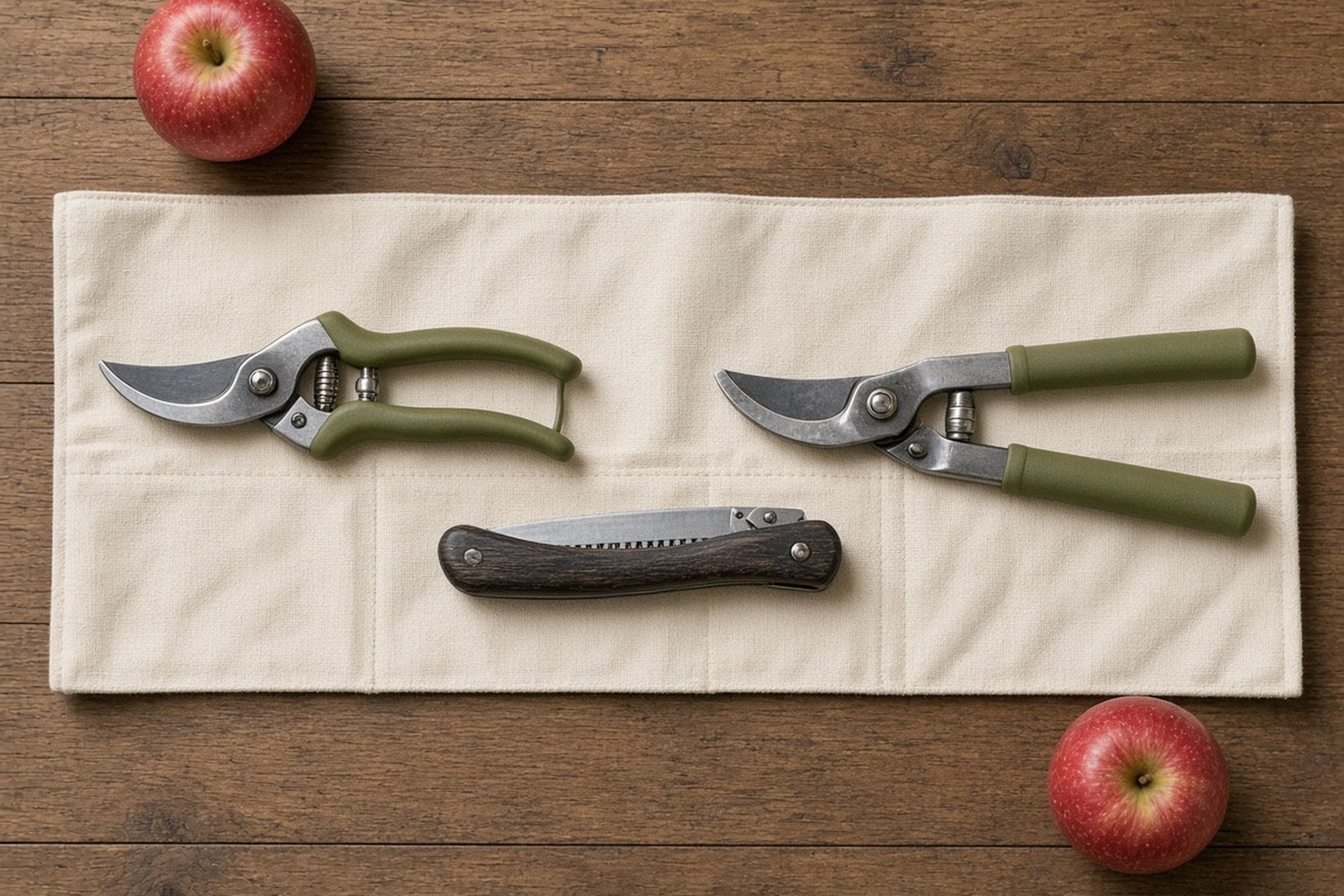
Anvil pruning shears are usually chosen by hand size, reach and the thickness of material you cut most often. Smaller models are easier to carry and suit light maintenance, while longer-handled versions give more leverage for thicker dry stems. If you are doing regular garden rounds or trimming multiple beds, the right size can reduce wrist fatigue and improve control.
Typical options in this product range include compact shears for tighter spaces, standard hand pruners for everyday pruning, and heavy-duty models for tougher stems. Some versions have cushioned grips, ratchet action or spring-assisted opening, which can help if you are working for longer periods or dealing with repeated cuts. For landscapers and estate teams, that extra comfort matters by the end of a long shift.
- Compact size for small hands, nursery work and tight shrubbery
- Standard size for home gardens and general pruning tasks
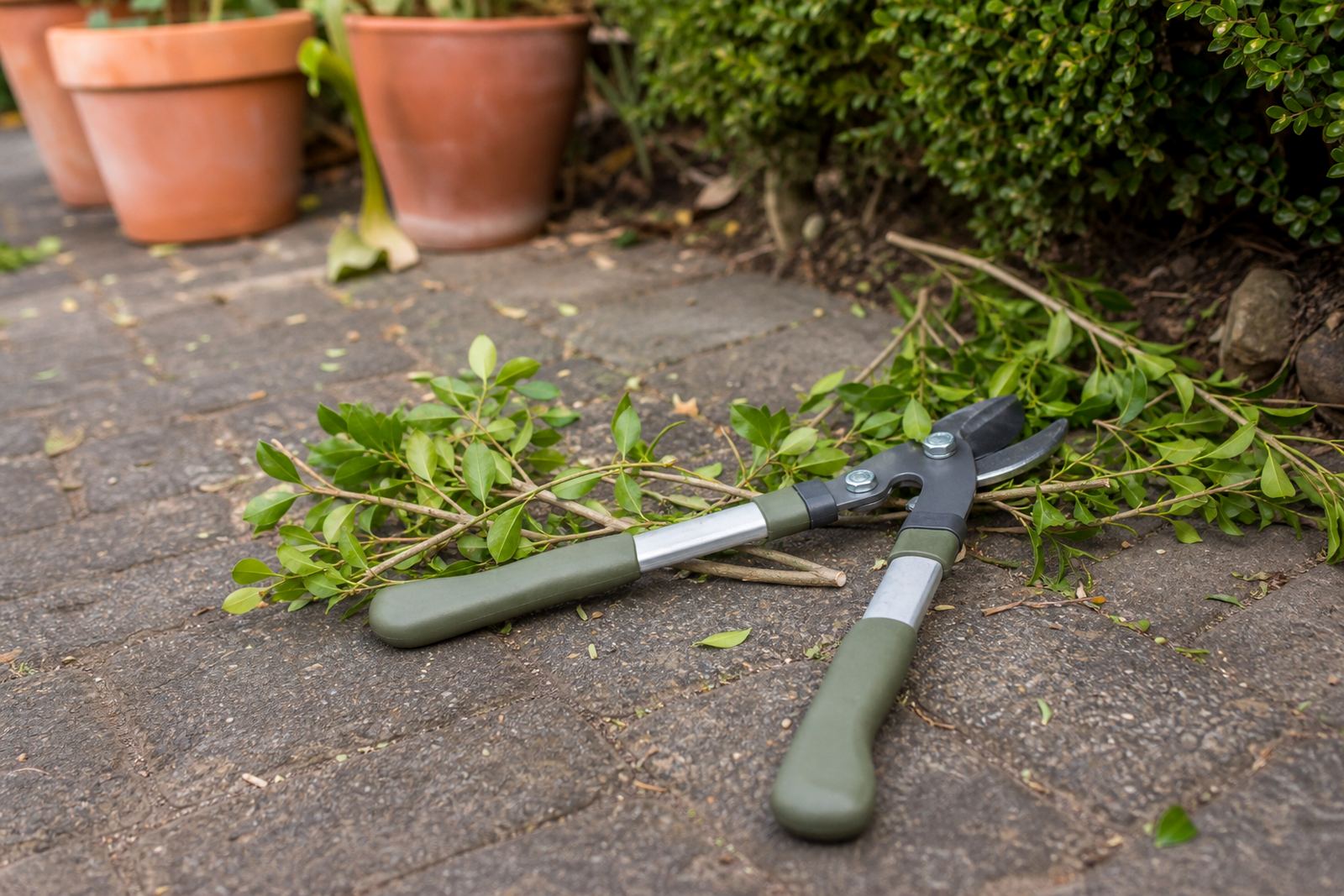
- Longer leverage style for tougher dry stems and woody growth
- Grip options that suit wet hands, gloves and high-use work
- Spring return for quicker open and close action
When choosing a size, match the tool to the stem thickness you cut most often. Using a tool that is too small on hard wood can tire your hand quickly, while an oversized model can feel clumsy in finer work.
Where Anvil Shears Work Best Around the Garden
These shears suit dry stems, dead flower stalks, old herb growth, vine pruning and general maintenance where a clean, powerful closing action is useful. They are handy after dry spells, when growth has hardened off, and for clearing back shrubs before new growth starts. In coastal areas like Durban, where humidity can affect tool storage, a tool that is easy to wipe down and keep dry is a good investment.
They also work well in practical landscaping jobs such as verge clean-ups, hedge edge tidying and property maintenance where speed and control matter more than delicate finish. If you are pruning soft flowering shrubs or very green new shoots, a bypass tool may be better. But for woody leftovers and harder cutting, the anvil style earns its place in the shed.
- Dry stems and deadwood
- Older rose canes and shrub trimming
- Garden clean-ups after winter or drought
- Estate, school and body corporate maintenance
- General pruning where a firm cut is needed
For homeowners in Pietermaritzburg and surrounding areas, these shears are a solid everyday option when the garden has gone a bit wild and you need to get through firmer material without overworking your hands.
No Power, Fuel or Installation Needed
Anvil pruning shears are fully manual, so there is no power supply, fuel or gas requirement. You do not need charging, plug points or setup time, which makes them useful during load-shedding and in gardens where access to power is limited. You simply keep the blades sharp, the pivot adjusted and the tool clean.
Because there is no installation needed, the main things to check are the blade condition, the grip feel and whether the opening action suits your hand. If you are ordering for a team, it helps to standardise on one or two sizes so staff can work faster and do not mix up tools. That is especially useful for landscaping crews moving between sites in Pretoria, Cape Town or Gqeberha.
- No electricity required
- No battery charging or fuel refills
- No assembly beyond basic unpacking and inspection
- Ready for use in remote sites and load-shedding periods
- Simple to carry between jobs and vehicles
The practical advantage is plain: fewer things to fail, fewer delays and less dependence on a charging point or machine maintenance schedule.
Care, Sharpening and Servicing That Keeps Them Working
Anvil shears need regular care if you want them to keep cutting cleanly. Wipe sap and dirt off after use, dry them before storage, and add a light protective oil to help reduce rust. In coastal humidity, or after wet garden work, this step is worth doing every time. A quick clean can extend blade life and keep the pivot from feeling stiff.
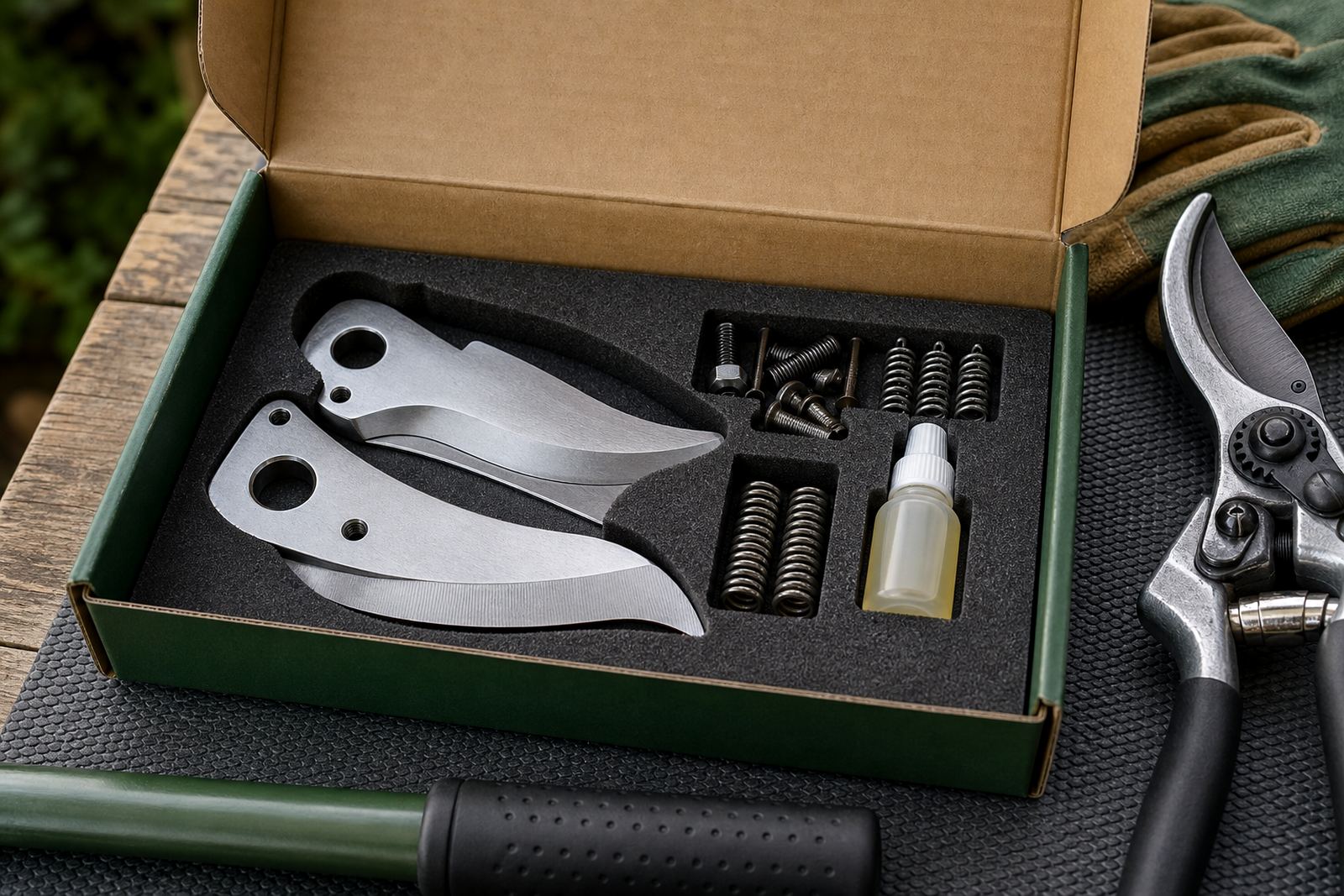
Cut Tools Garden offers Blade Sharpening, Secateur Servicing, Spring Replacement, Grip Replacement, Pivot Adjustment, Rust Removal, Deep Cleaning, Parts Fitting, Tool Inspections and Fleet Care Plans. For commercial users, that can mean less downtime and a better standard across the whole team. If a blade starts crushing rather than slicing, it usually needs sharpening or an adjustment, not replacement straight away.
Keep an eye on the anvil surface too. If it is scored badly or worn unevenly, the cut quality drops. A proper service checks the blade edge, pivot play, spring tension and handle condition so the tool stays safe and comfortable to use. It is a small bit of maintenance that pays off in cleaner cuts and less hand fatigue.
What to Check Before You Order
Before placing an order, check the stem thickness you usually cut, whether you need a compact or heavier model, and if the grip suits gloved use. If the tool will be used by a team, think about consistency across all users. A landscaper cutting thorny hedge waste will often want a different feel from a home gardener shaping shrubs on weekends.
Useful ordering checks include blade type, handle length, lock action, replacement part support and whether the tool is best for right or left hand use. If you are uncertain, compare the cut force you need with the comfort level you want. A tool that feels too light may not last, while one that is too heavy can slow you down.
- Material you prune most often
- Hand size and grip comfort
- Blade sharpness and replacement support
- Locking action for safe storage and transport
- Suitability for home use or commercial maintenance
Clients can reach Cut Tools Garden through the enquiry form on the contact page. We supply from Mkondeni, Pietermaritzburg, with stockists in Pietermaritzburg, Hilton, Howick, Durban, Johannesburg, Pretoria, Cape Town and Gqeberha, and we help match the right tool to the job before it lands in your shed or ute.
Key facts
| Tool type | Anvil pruning shears for dry stems and tougher garden trimming |
|---|---|
| Typical size options | Compact, standard and heavy-duty hand sizes |
| Cutting use | Dry wood, dead stems, old flower stalks and harder pruning jobs |
| Operation | Manual, no electricity, fuel or charging needed |
| Care | Clean, dry, oil and sharpen regularly; inspect pivot and spring |
| Service support | Blade sharpening, servicing, spring replacement, pivot adjustment and rust removal |