Replacement blades that keep cutting edges sharp
A spare blade set gives you a ready replacement when a blade starts to dull, chip or struggle through thicker stems. Instead of forcing the cut and risking ragged branches, you can swap in a fresh edge and keep pruning moving. That matters in KwaZulu-Natal gardens where new growth, damp weather and fast regrowth can wear a blade down quicker than expected.
This product is for compatible hand pruning tools and similar cutting equipment used on shrubs, roses, small branches and hedge trimming jobs. It is a practical item for gardeners who want to keep tools in service for longer, and it suits both light home use and steady work by landscapers or maintenance teams.
What you get in the set
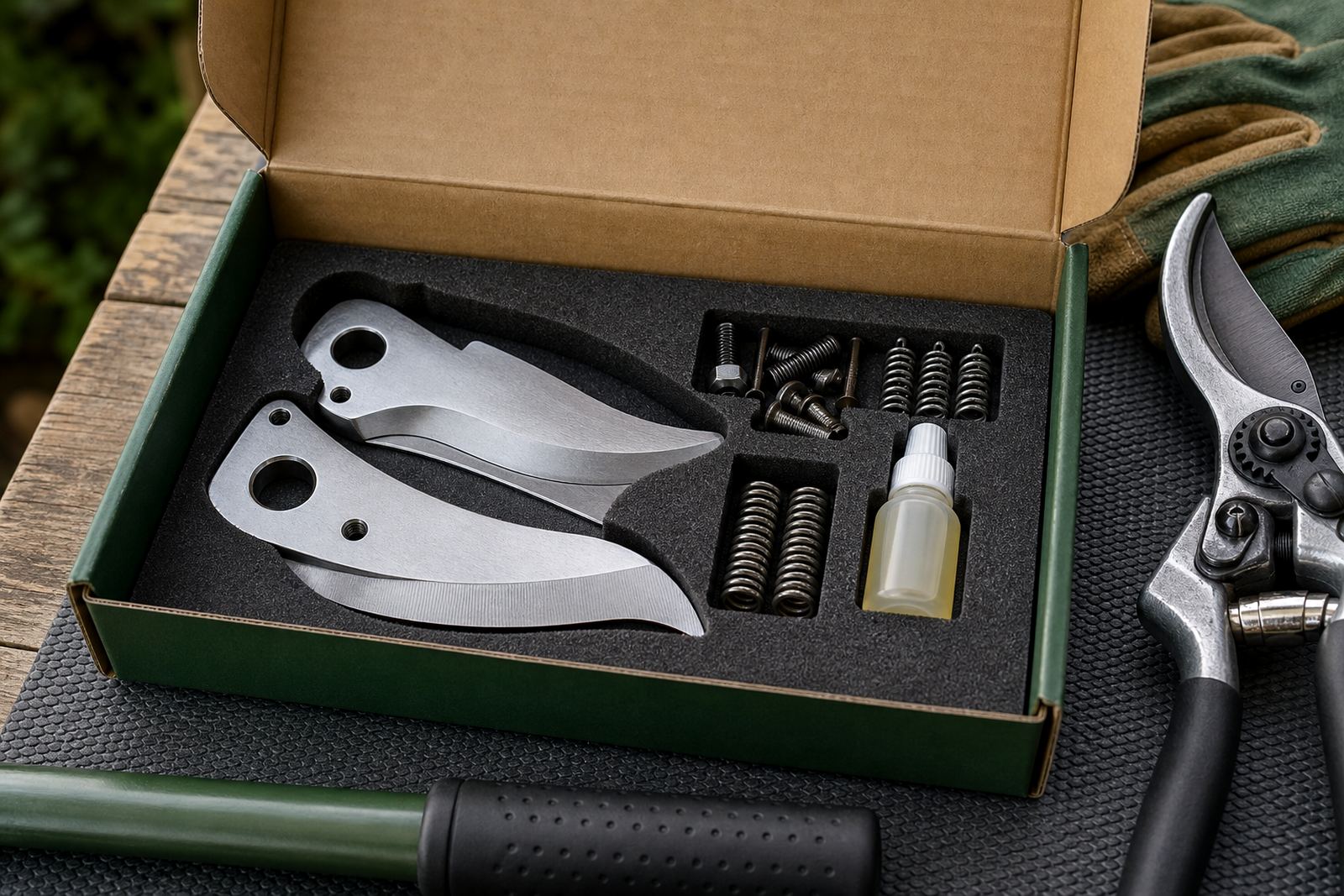
The exact contents depend on the compatible tool model, but a spare blade set generally includes the main cutting blade and the matching fixed blade or counter blade where applicable. Some sets also include small fasteners or a lock washer, depending on the tool design.
- Heat-treated replacement cutting blade
- Matching fixed blade or anvil blade where required
- Mounting holes or slots for correct fitment
- Pre-formed cutting edge for clean, accurate pruning
- Suitable for routine blade change and servicing
These blades are made for tools that need a precise fit, so it is important to check the shape and fixing points before ordering. A blade that is nearly right is usually not good enough for safe use.
Where it suits in the garden
Replacement blades suit gardens where pruning happens often and tools need to stay ready. In Pietermaritzburg, Durban and coastal areas, moisture and sap can speed up rust and blunt the edge. In drier inland areas like Johannesburg and Pretoria, dusty use and hard woody growth can also shorten blade life.
This set is commonly used for:
- Rose pruning and light shrub shaping
- Fruit tree clean-up and suckering
- Hedge finishing on formal gardens
- Estate and body corporate maintenance
- Landscaping crews doing repeat cuts on the same tool set
It is also useful for tool kits kept by schools, churches and small facilities teams that need to keep maintenance costs under control without replacing the whole tool. If your team works around wet grass, coastal salt air or dense hedging, a spare blade set can save time on site.
Sizes, fitment and ordering checks
Before ordering, measure the old blade and compare the fixing pattern, blade length and curvature. Even small differences in hole spacing or the angle of the cutting edge can stop the blade from fitting correctly. If the tool is older, worn pivots may make the original blade sit slightly off centre as well.
Check these details first:
- Overall blade length in millimetres
- Hole spacing and bolt diameter
- Left or right hand orientation
- Curved, straight or offset blade profile
- Blade thickness and mounting shape
- Whether you need the moving blade, fixed blade or both
If you are ordering for a fleet, keep one sample tool on hand and match every replacement against it. That helps avoid delays when several crews are waiting on parts.
Installation, power needs and safe use
This is a manual replacement part, so there are no power or gas needs. It installs on the compatible hand tool with the correct bolts, washers and pivot points. In many cases the blade change can be done during a normal servicing stop, although worn fasteners or bent handles may need attention at the same time.
Before fitting the new blade, make sure the tool is clean, the pivot moves freely and the locking mechanism works properly. A sharp blade can still cut poorly if the tool is loose or misaligned. Keep fingers clear during fitment and test the tool on a small stem before putting it back into full use.
Care after fitting and servicing support
Once the blade is fitted, wipe it down after use and remove sap before it hardens. A light oil helps limit rust, especially in humid coastal conditions around Durban, Gqeberha and Cape Town. Store the tool dry, not hanging in damp sheds or bakkie canopies where condensation builds up overnight.
For longer service life, combine blade replacement with regular checks on the whole tool. Cut Tools Garden also supports blade sharpening, inspections and parts fitting, which helps keep tools working properly instead of being thrown out too early. That is useful for crews working through load-shedding schedules too, since hand tools still need to be ready when powered equipment is delayed.
Good reasons to replace the blade instead of the whole tool
Many pruning tools can keep working well after the blade has worn out if the handles, springs and pivot are still in good condition. Replacing the blade is often the cheaper option and keeps a familiar tool in the hand, which matters when teams are used to a certain weight and grip.
It can also improve the quality of the cut. A tired blade tears rather than slices, leaving rough edges on stems and making plants slower to recover. For gardeners managing regular maintenance in Hilton, Howick or across bigger sites in Johannesburg and Pretoria, that cleaner cut can reduce extra follow-up work later on.
Key facts
| Product type | Replacement spare blade set for compatible pruning tools |
|---|---|
| Use | Pruning, shrub work, rose care, light branch cutting and hedge finishing |
| Material | Heat-treated steel cutting blade components |
| Fitment | Model-specific mounting points and blade profile |
| Power or gas | None required, manual installation only |
| Care | Clean, dry storage, light oiling and periodic servicing |