What Topiary Hedge Shears Are Used For
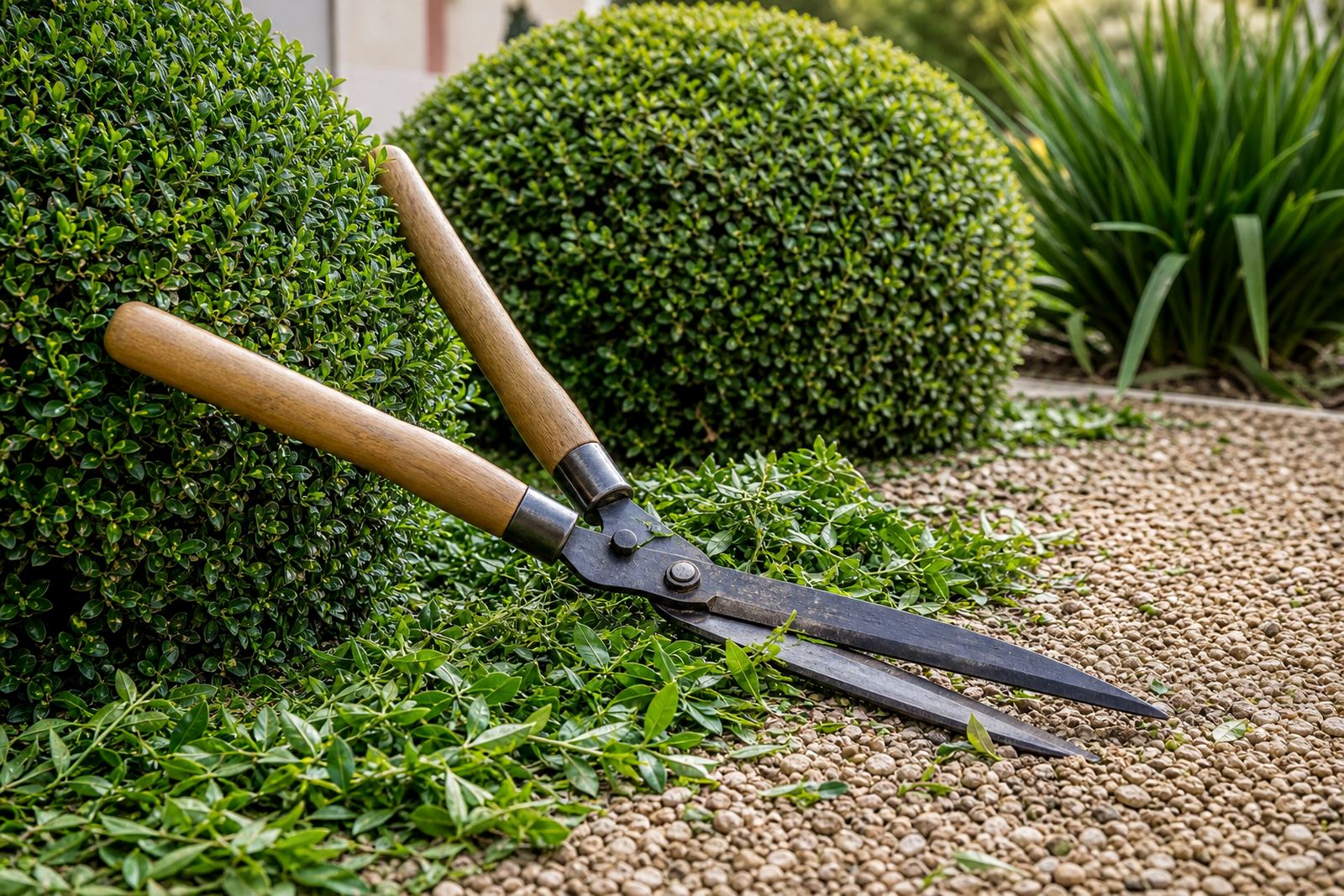
Topiary hedge shears are hand tools for finishing work where accuracy matters more than speed. They are used for clipping fine growth on clipped hedges, rounded shrubs, cones, spirals, cloud shapes and border plants that need a tidy outline. The long blades help keep a steady line, while the slim cutting action allows you to work closer to the shape without tearing leaves.
These shears suit gardens in Durban, Johannesburg, Pretoria, Cape Town and Gqeberha where homeowners want neat formal planting, as well as landscapers maintaining entrance beds, townhouse gardens and commercial sites. They are especially useful for soft stems and new growth. For thicker woody branches, a lopper or pruning shear will be the better choice.
Sizes, Blade Lengths and Handle Options
We supply topiary hedge shears in practical sizes that suit both close detail work and longer trimming sessions. Shorter blades are easier to control for shaping curves and fine points, while longer blades cover more surface when you are levelling a hedge face or keeping a box shape even. Handle length and grip style also matter, particularly if you work for more than an hour at a time.
- Blade lengths commonly suited to topiary work: 180 mm to 260 mm
- Overall tool length: about 450 mm to 650 mm depending on model
- Grip options: straight handles or cushioned handles for better control
- Blade finish: hardened steel for cleaner cuts and better edge life
- Weight: lighter models for detail work, heavier models for steady hedge trimming
If you are shaping small ornamental shrubs, a shorter tool is usually easier to guide. For larger formal hedges, a longer blade helps you keep the line straighter with fewer passes.
Where These Shears Suit Best in South African Gardens
Topiary hedge shears are a practical choice for gardens that need regular grooming. They work well around driveways, courtyards, pool areas, entrance gardens and formal boundary planting. In humid coastal areas like Durban and Gqeberha, where growth can be quick after rain, they help keep soft new shoots under control before the plant loses its shape.
In cooler inland areas such as Pretoria and Johannesburg, they are useful for seasonal shaping and tidying after a flush of growth. They also suit landscapers working on estates, retirement villages, schools and office parks where a neat finish matters. For clients with municipal visibility rules or frontage requirements, regular light trimming is usually easier to manage than letting the hedge run too far and cutting back hard later.
- Best for decorative shrubs and clipped borders
- Good for light hedge maintenance and topiary finishing
- Useful for landscape crews doing repeat site visits
- Suitable for domestic gardens and managed properties
Comfort, Balance and Cutting Control
A good topiary shear should feel balanced in the hand and not fight you while cutting. The pivot point should open and close smoothly, and the blades should meet cleanly without a gap. If the tool is too heavy, your wrist and shoulder will tire quickly. If it is too light with loose tension, the cut can feel uncertain and leave frayed tips.
For better handling, look for a comfortable grip that gives steady hold even with gloves on. This matters when working in warm KwaZulu-Natal weather or during long afternoon sessions in the sun. A well set tool makes shaped work easier and helps reduce strain, which is important for gardeners who do this every week. One small thing that gets overlooked is blade alignment, but it makes a big differnce to the final finish.
Care, Servicing and Long-Term Use
These shears last longer when they are cleaned after use and stored dry. Sap, dust and plant residue can build up on the blades, especially after trimming soft growth or working near dusty paths. A quick wipe after each session helps prevent rust and keeps the cut smooth. If you are working near the coast, moisture in the air can speed up surface corrosion, so regular care matters even more.
Cut Tools Garden supports servicing for pruning and hedge tools, including blade sharpening, pivot adjustment, spring replacement, grip replacement, rust removal and deep cleaning. For landscape teams and frequent users, routine inspections help avoid downtime. If a blade starts catching or the handles feel loose, it is better to sort that out early rather than push through the job with a poor cut.
- Wipe blades clean after each use
- Keep the pivot lightly oiled, not dripping
- Store in a dry toolbox or lockable cabinet
- Check blade tension before shaping work starts
- Book servicing when cutting becomes uneven
What To Check Before You Order
Before placing an order, think about the type of plants you trim most often, the size of the area, and how frequently the tools will be used. A homeowner shaping a small front garden may want a lighter, shorter tool. A landscaper handling multiple properties may prefer a stronger model with better grip and more durable blades. It also helps to know whether the work is mostly fine detail or broader hedge levelling.
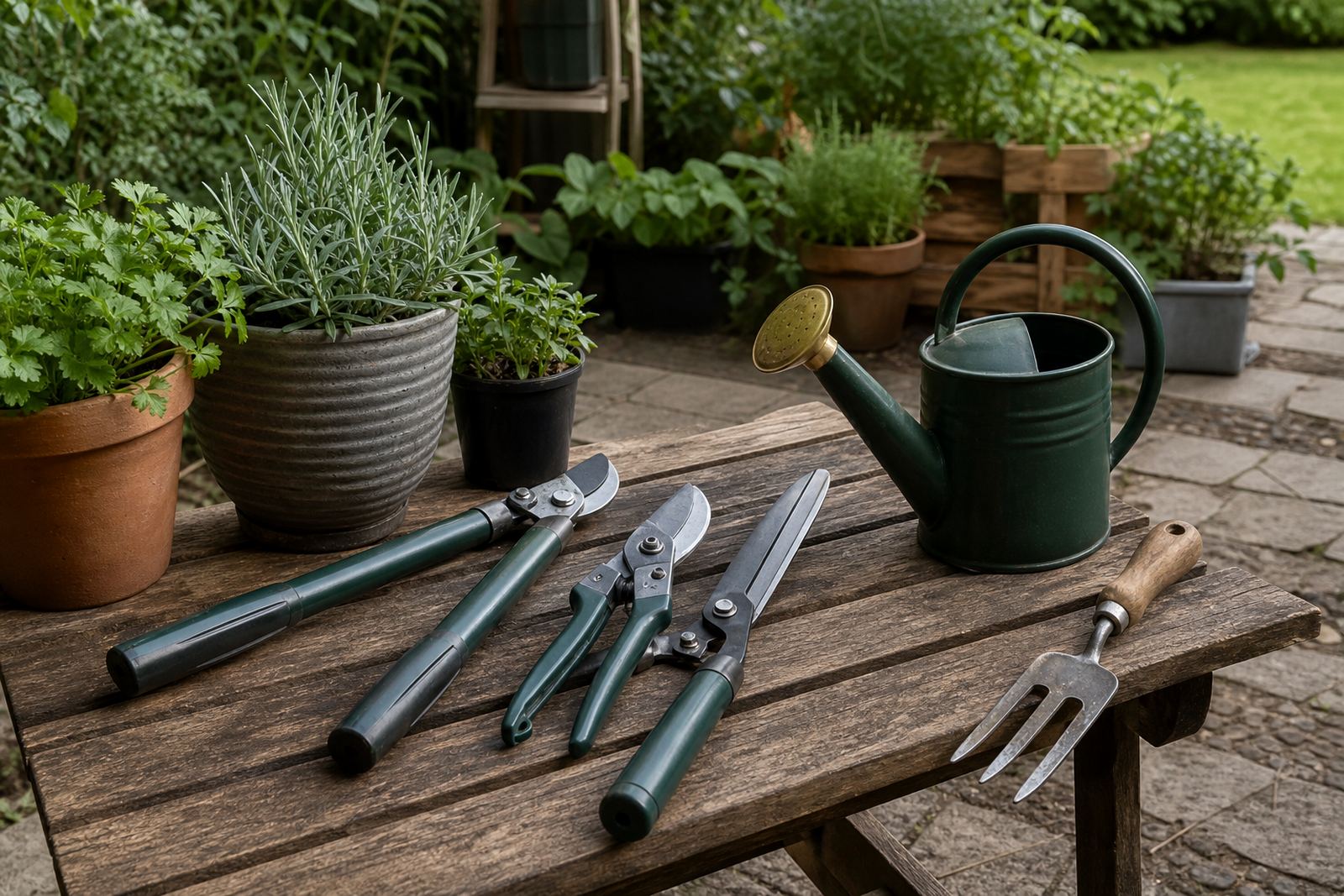
Check the blade length, handle comfort, total weight and whether the tool is suited to soft growth rather than thick stems. If you already use pruning shears and loppers on site, topiary hedge shears should fill the detail-shaping gap. Also consider how the tool will be stored between visits, since good care affects how long it stays sharp and safe to use.
- Blade length and overall reach
- Handle comfort for your hand size
- Weight for repeated use
- Type of plants being trimmed
- Whether the tool will be used by one person or a team
- Need for servicing support after purchase
Supplying Pietermaritzburg and Major South African Cities
Cut Tools Garden is based in Mkondeni, Pietermaritzburg and supplies home gardeners and landscapers across South Africa. Clients in Durban, Johannesburg, Pretoria, Cape Town and Gqeberha can reach us through the enquiry form on our contact page for product questions, stock details and tool care support. We also work with local stockists in Pietermaritzburg, Hilton and Howick for easier access in the KZN Midlands.
Our team includes Sibusiso Mthembu, Nokuthula Zondi, Jason Naidoo, Lerato Khumalo, Megan van Wyk and Themba Dlamini, with support for inspections, servicing and fleet care plans where needed. Whether you are maintaining a single home hedge or managing several sites, the right topiary shears make shaping work cleaner and more controlled.
Key facts
| Product type | Hand topiary hedge shears for shaping shrubs and formal hedges |
|---|---|
| Typical blade length | 180 mm to 260 mm |
| Overall length | About 450 mm to 650 mm |
| Blade material | Hardened steel |
| Best use | Detail trimming, topiary shaping and light hedge finishing |
| Service support | Sharpening, pivot adjustment, spring replacement and deep cleaning |