Built for fruit tree pruning and clean seasonal cuts
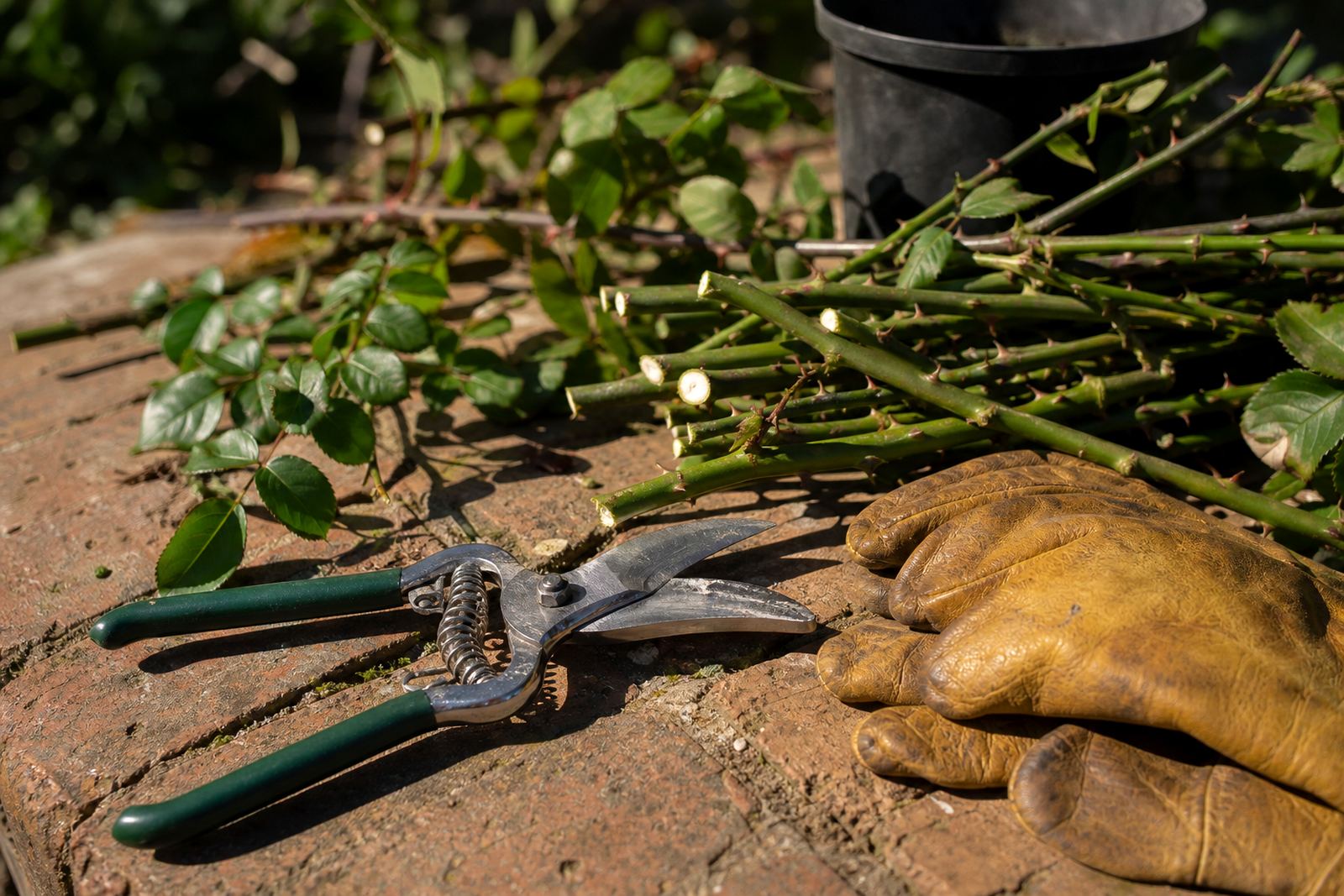
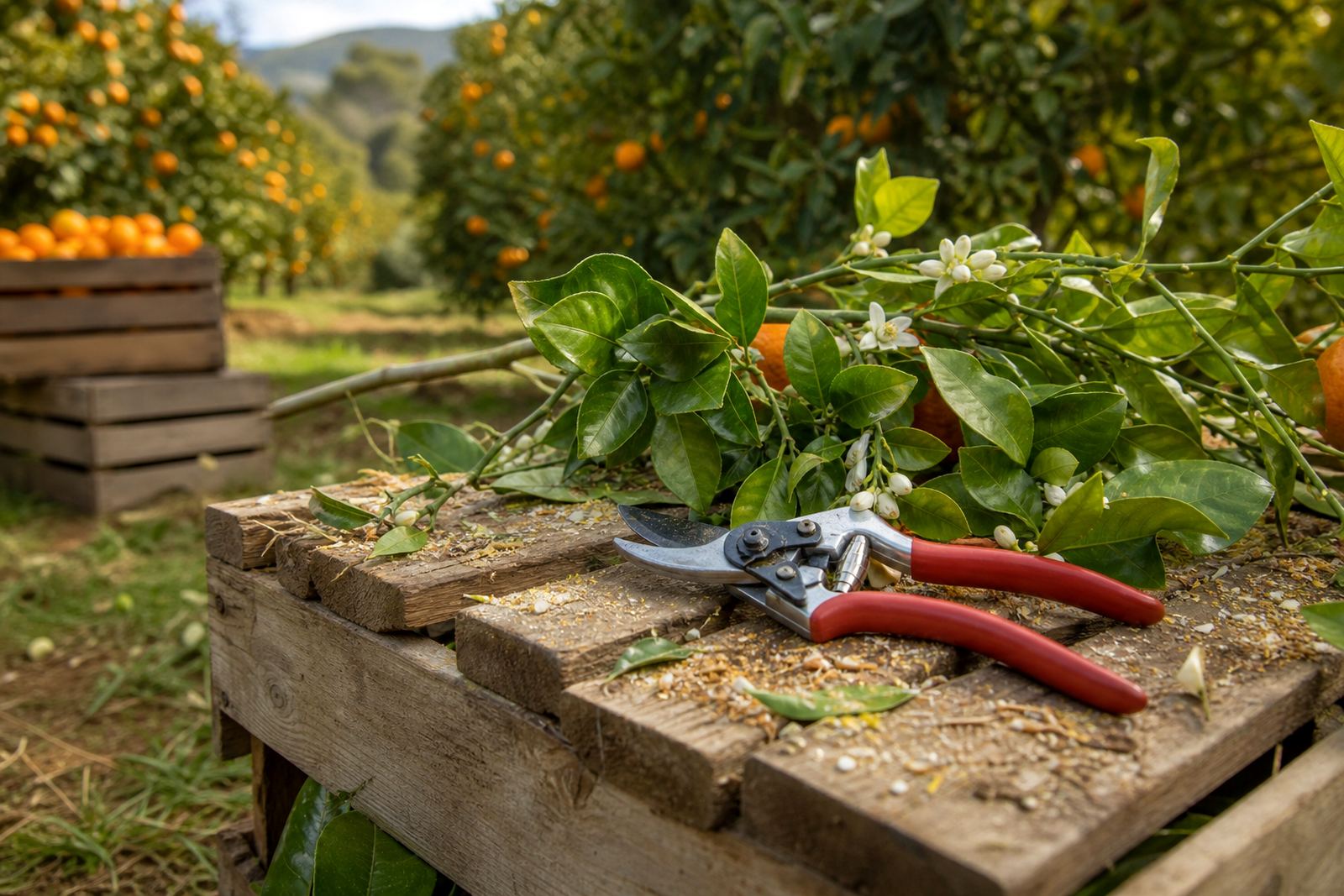
Orchard pruning shears are hand tools used for trimming fruit trees, removing small dead growth and keeping trees open to light and airflow. They are a practical choice for apples, citrus, peaches, pears and other orchard plantings where neat cuts matter for healthy regrowth and easier harvesting.
For home gardens in Pietermaritzburg, Durban and coastal towns where humidity can encourage fast growth, these shears help with regular maintenance through the season. They are also useful for landscapers working in school grounds, estates and smallholdings where pruning has to be tidy and controlled, not rough or rushed.
- Suitable for green growth, small woody stems and clean thinning work
- Comfortable for repeated use during orchard rounds and garden clean-ups
- Useful where a hand tool is preferred over powered equipment
Sizes, blade styles and handle options to compare
Orchard shears are commonly chosen by blade length, overall length and handle grip style. Shorter models are easier for close work in tighter canopies, while longer-handled options give a bit more reach for overhead cuts and awkward branches. If you are pruning regularly, the handle shape and spring action matter almost as much as the blade itself.
Typical options include straight blades for precise snips, bypass-style cutting action for live wood and cushioned grips for longer sessions. A good orchard shear should feel balanced in the hand, with enough leverage for clean cutting but not so much weight that your wrist gets tired halfway through the job.
- Blade length: usually 180 mm to 260 mm depending on the model
- Overall length: often 600 mm to 900 mm for orchard and garden use
- Grip types: plain metal, rubberised or padded handles
- Cutting action: manual, with spring return on selected models
Where orchard shears suit best on the property
These shears suit fruit trees, vineyard-style training, home orchards, hedging around planted borders and seasonal clean-up after wind or storm damage. They are handy where you need accurate control around fruit spurs, young stems and inside branches without crushing the cut. In the KZN Midlands and coastal suburbs, the tool is also useful for removing salt-damaged tips and small twigs after harsh weather.
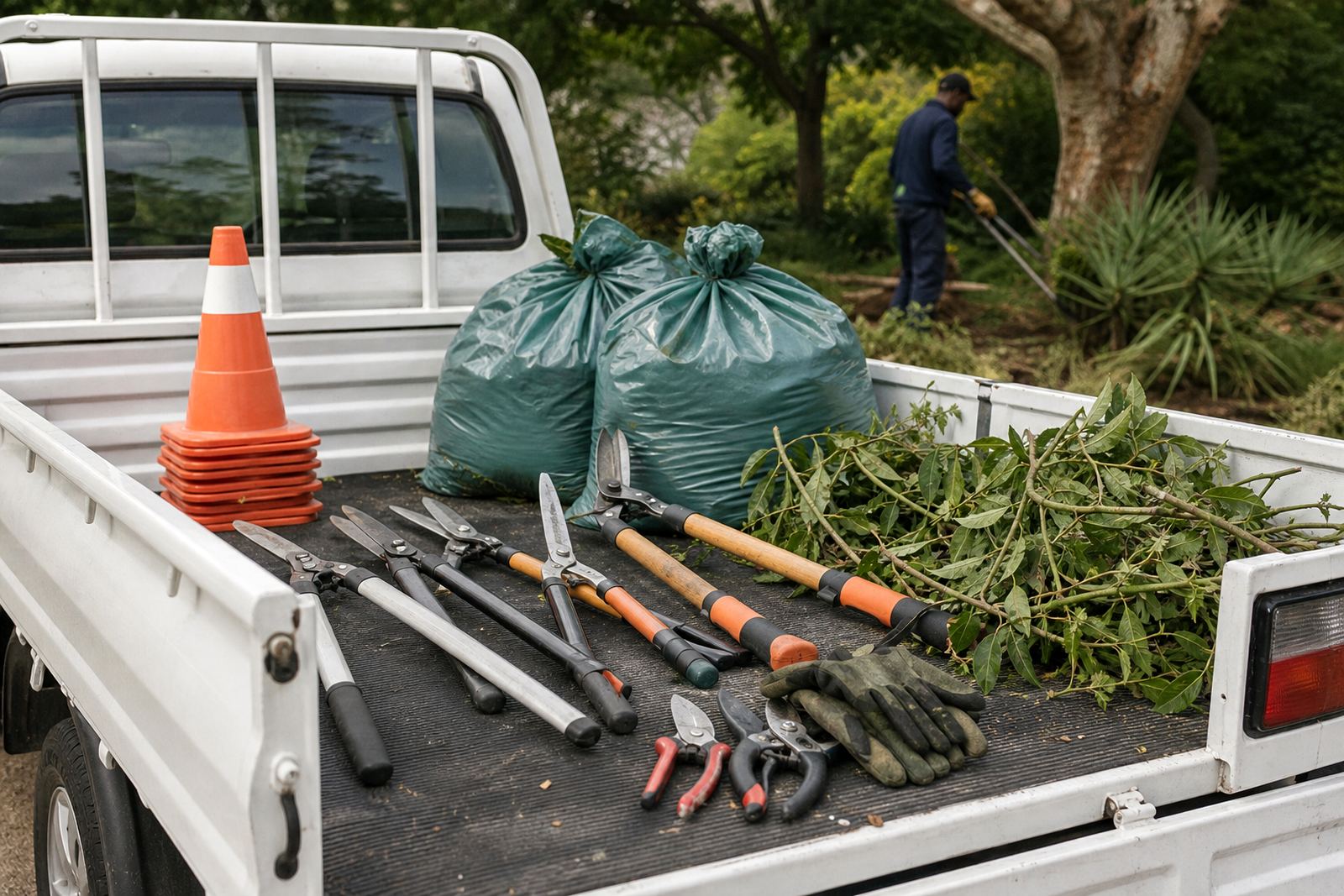
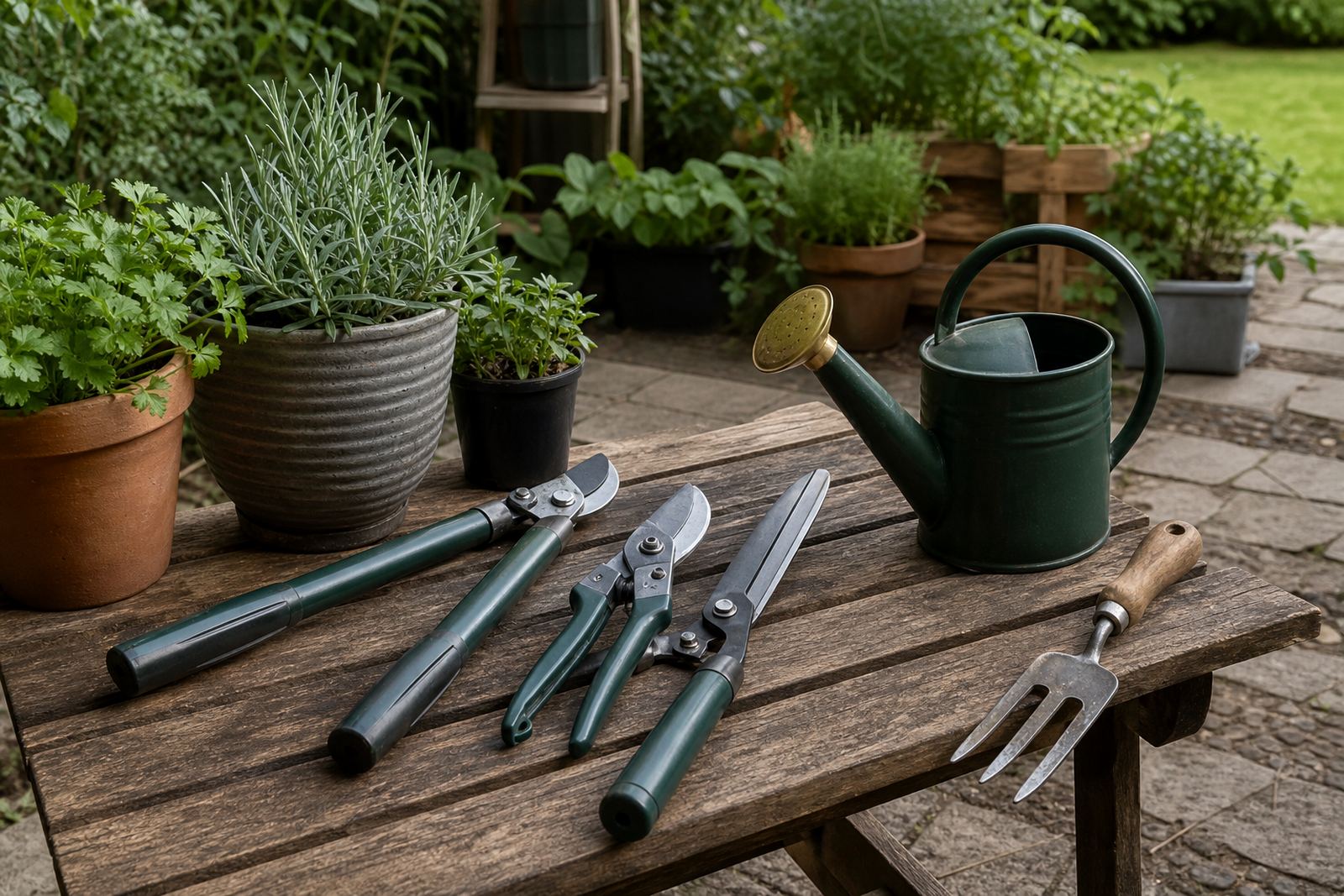
For larger grounds, orchard shears are best kept as part of a wider pruning kit alongside loppers and hedge tools. That way you can move from light trimming to heavier cuts without forcing the wrong tool to do the whole job. It saves time and helps reduce hand strain, which matters on long days.
- Fruit tree training and maintenance
- Seasonal clean-up in home gardens and estates
- Light pruning where access is tight
- Touch-up work after lopper cuts or hedge shaping
No power or gas needed, just proper hand use
Orchard pruning shears do not need electricity, petrol or gas. That makes them a strong option during load-shedding, on remote properties and in places where you want quiet work with no fuel costs. They are ready to use whenever the job calls for a careful hand cut, even on small estates outside town where outlets are far from the trees.
Because they are manual tools, the main requirement is correct technique and a clean cutting edge. If the blade starts to drag or crush stems, it is time to sharpen, service or replace worn parts. On wet mornings or after irrigation, wipe the blades dry before storage so rust does not take hold, especially in humid areas like Durban and Gqeberha.
Care, servicing and working life
Good care extends the life of orchard shears and keeps the cut neat. After use, remove sap and dirt, dry the blades and check the pivot for smooth movement. A drop of light oil on the moving parts helps keep action consistent, and a quick inspection catches loose fittings before they become a problem.
If the tool has lost grip comfort or the spring is weak, servicing is usually a better move than forcing the tool to carry on. Cut Tools Garden can assist with blade sharpening, spring replacement, pivot adjustment, deep cleaning and rust removal. For landscapers with several tools in service, fleet care plans can help keep the kit ready during busy pruning periods.
- Clean after each session, especially after sap-heavy work
- Store dry and out of standing moisture
- Check blade edges for chips, bends or dull spots
- Replace grips and springs before they fail on site
What to check before you place an order
When ordering orchard pruning shears, check the type of wood you will cut, how often the tool will be used and the size of your hands. A light garden user in Hilton may want a simpler, smaller tool, while a contractor working in Pretoria or Cape Town may need a model that can handle repeated use through the week. It is worth matching the tool to the job rather than buying too light or too heavy.
Also check the blade material, locking action, spare parts availability and whether the handle shape suits gloved use. If you are ordering for a team, make sure the same model can be maintained easily across the set. That keeps servicing simpler and avoids mixed parts in the workshop.
- Expected branch thickness for your pruning work
- Hand size and grip comfort for long sessions
- Blade type and whether you need a spring return
- Access to sharpening, servicing and parts fitting
Key facts
| Product type | Manual orchard pruning shears |
|---|---|
| Best for | Fruit tree maintenance, seasonal clean-up and light shaping |
| Common sizes | 180 mm to 260 mm blade length, 600 mm to 900 mm overall length |
| Power needs | None, manual hand operation only |
| Maintenance | Sharpening, cleaning, spring replacement, pivot adjustment |
| Typical use areas | Home gardens, orchards, estates, smallholdings and landscaping teams |