Built for cleaner rose cuts and better plant recovery
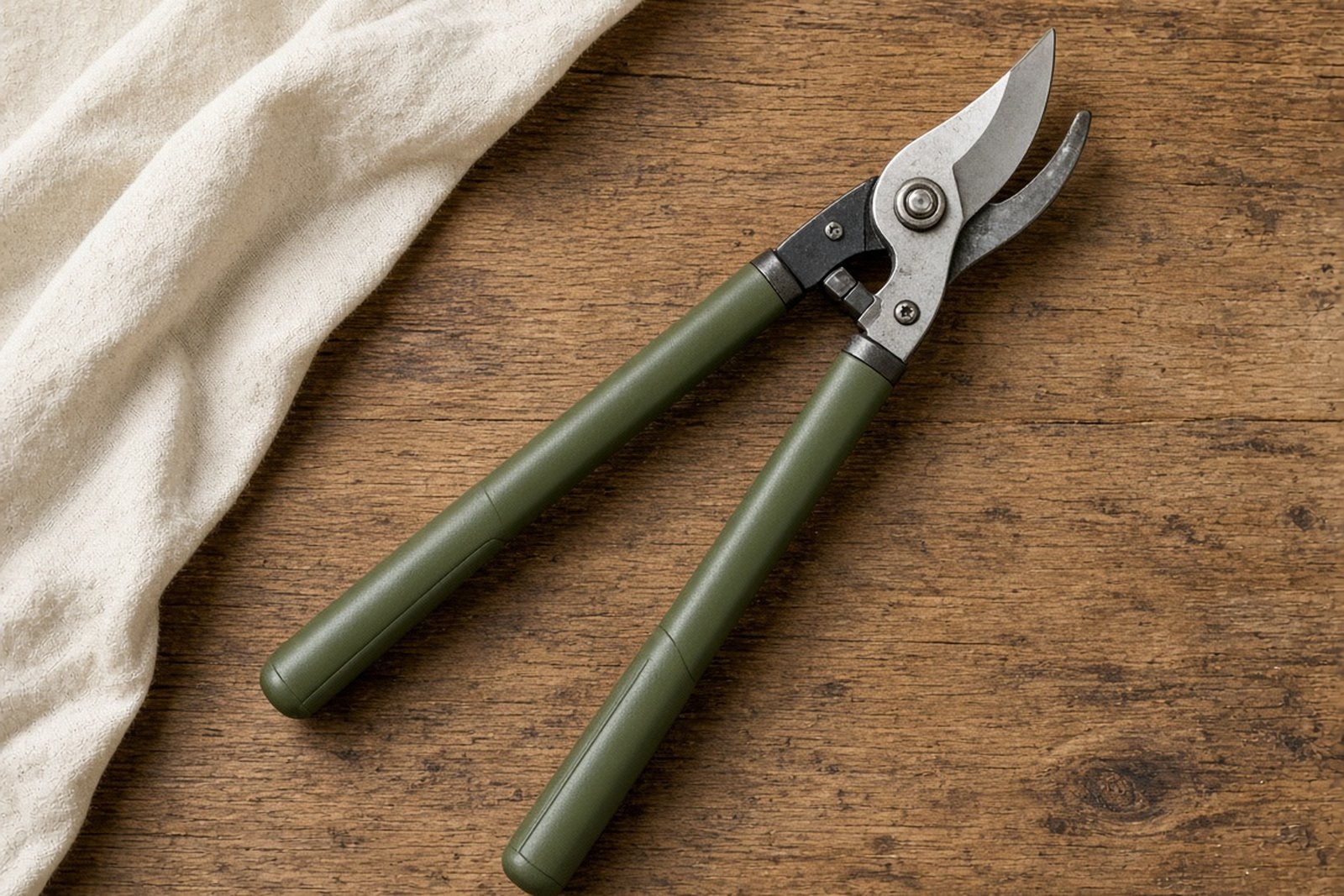
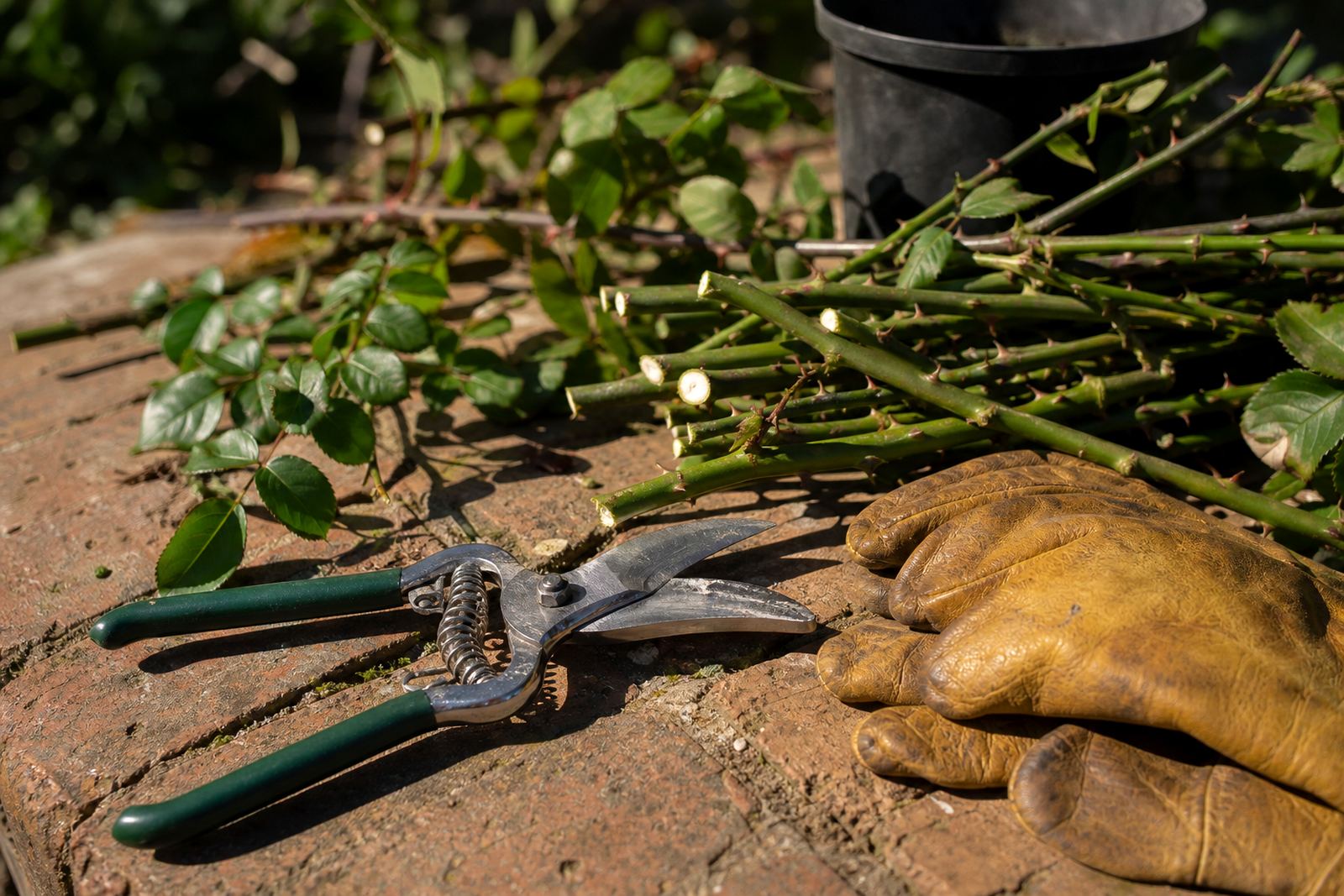
Rose pruning shears are hand-held cutting tools shaped for precise work on stems, canes and soft woody growth. They are commonly used on hybrid tea roses, shrub roses and climbers where a neat cut helps the plant recover faster and keeps the bed tidy. For gardeners in KwaZulu-Natal and beyond, a good pair makes regular pruning quicker, especially when you are working through thorny growth or cutting back after flowering.
These shears are designed for one-handed use, with a sharp bypass cutting action that slices rather than crushes the stem. That matters when you want less bruising around the cut point and a cleaner finish on spent blooms, thin stems and light pruning jobs. The handle shape also helps reduce hand strain during longer pruning sessions, which is useful for landscapers and keen home gardeners alike.
- Suitable for rose stems, soft twigs and general light pruning
- Bypass-style cutting action for cleaner plant cuts
- Comfort grip handles for repeated use
- Useful for gardens, estates and small maintenance teams
Sizes and options to match different hand sizes
Rose pruning shears are usually selected by blade length, handle size and cutting capacity. A compact model is easier to control in dense rose beds, while a larger pair gives a stronger feel for thicker stems and longer sessions. If your team works in Pietermaritzburg, Durban or on estate gardens where the pruning load changes from bed to bed, it helps to choose a size that feels balanced in the hand.
Some gardeners prefer spring-loaded shears for faster opening and closing, while others want a plain manual action for a firmer grip. The right choice often comes down to hand strength, the volume of pruning and the kind of roses being maintained. For mixed planting beds, a mid-size shear with a good blade length is usually the easiest all-round option.
- Compact hand sizes for fine shaping work
- Mid-size options for general rose care and routine pruning
- Heavier options for thicker canes and longer use
- Spring-assisted models for reduced hand fatigue
Where rose pruning shears work best
These shears suit home gardens, townhouse courtyards, school grounds, municipal beds and landscaped properties where roses are planted alongside other ornamentals. They are also handy for gardeners managing coastal properties in places like Durban or Gqeberha, where humidity can speed up rust if tools are not cleaned and stored properly. In hotter inland areas like Pretoria and Johannesburg, the tools are equally useful for regular seasonal pruning and deadheading.
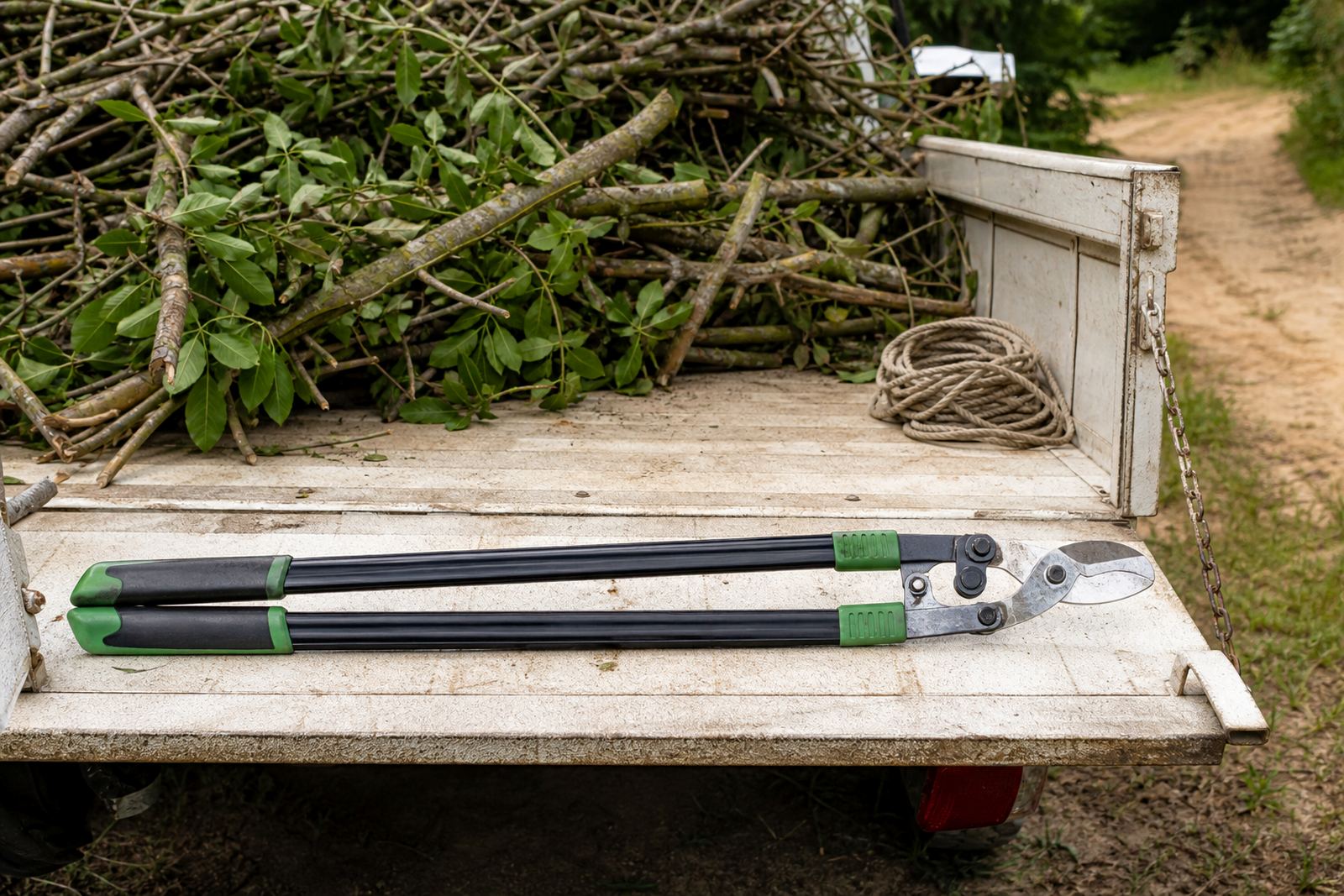
Rose pruning shears are not for heavy branch cutting. They are best used on living stems and smaller growth where control matters more than sheer cutting force. If the cane is too thick, step up to loppers. Using the right tool reduces damage to both the plant and the blade, and it keeps the job moving without unnecessary strain.
- Best for rose beds, borders and decorative planting areas
- Good for deadheading spent flowers and shaping new growth
- Not intended for large woody branches or tree limbs
- Useful in coastal, inland and high-traffic garden settings
No power, gas or installation required
Rose pruning shears are fully manual tools, so there is no installation, charging, fuel or power connection needed. That makes them practical during load-shedding, on remote properties and in areas where outdoor electrical access is limited. You simply keep the blades clean, check the cutting action and use them when the garden needs attention.
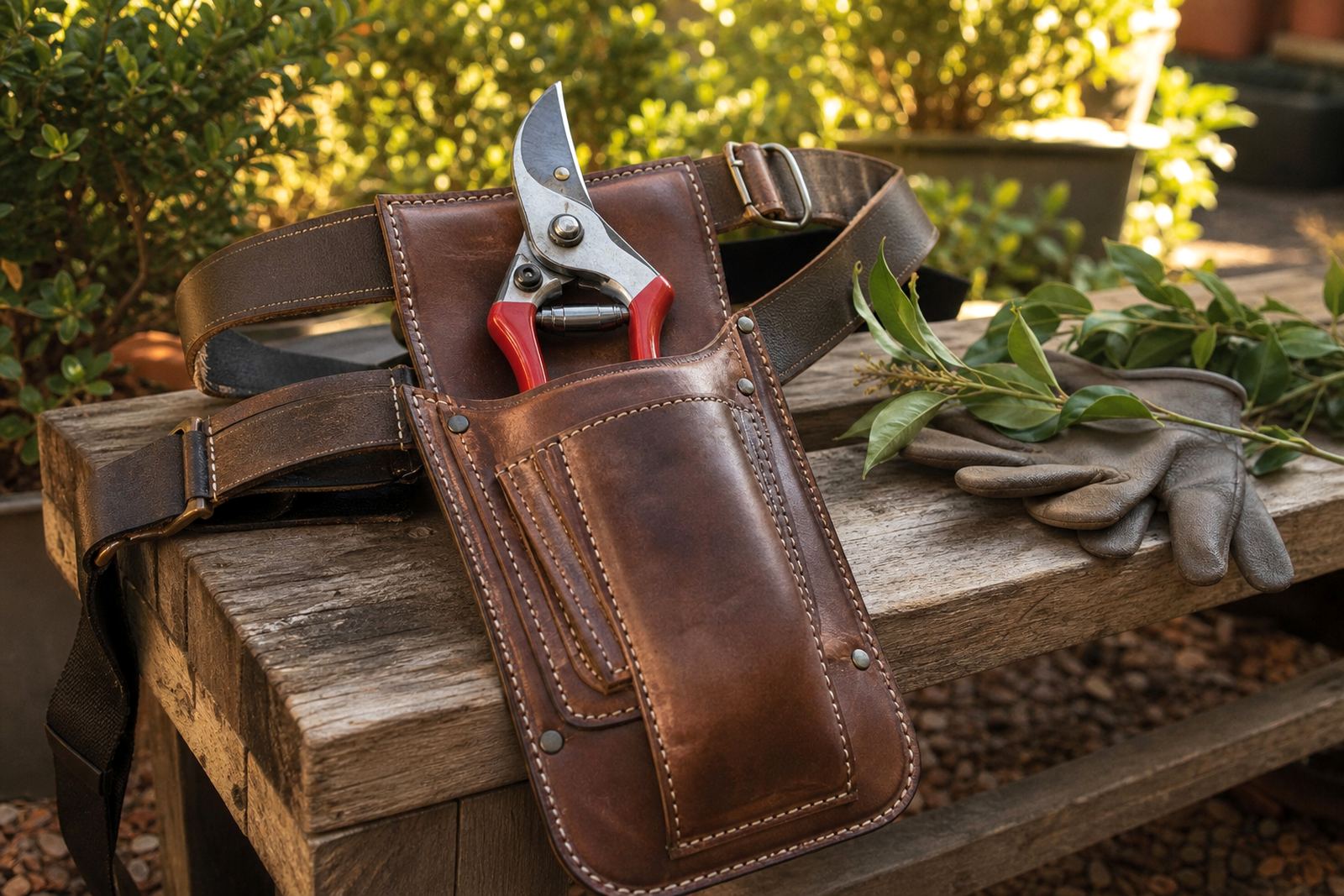
Because they are hand tools, they are easy to carry between sites and simple to store in a toolbox or garden shed. For landscapers working across multiple properties, that means less downtime and fewer moving parts to worry about. A properly set pivot and sharp blade will do more for performance than any powered setup on a small pruning job.
Care, servicing and blade maintenance
Like all cutting tools, rose pruning shears need regular care to stay sharp and safe. Wipe the blades after use, especially after cutting wet stems or working in humid weather. In coastal areas, salt in the air can lead to surface rust if the tool is left dirty or damp, so dry storage makes a real difference. A light oil on the pivot and blade helps keep movement smooth.
If the blades start to drag, the cut quality drops and the hand effort rises. That is usually a sign that sharpening, cleaning or pivot adjustment is needed. Cut Tools Garden offers blade sharpening, spring replacement, grip replacement, pivot adjustment, rust removal, deep cleaning and parts fitting, which helps extend the working life of the tool.
- Clean sap and moisture off after use
- Store dry to reduce rust and staining
- Check the pivot for tightness and smooth movement
- Sharpen before the blade starts tearing stems
What to check before placing your order
Before ordering, check the type of roses you prune most often, the size of your hands and how much cutting you do in a typical week. If you are pruning only a few beds at home, a lighter pair may be enough. If you manage larger gardens or teams across multiple sites, you may want a tougher model with stronger handles and easier servicing. Also check whether you prefer a straight or curved handle feel, as that can affect comfort over a full morning of work.
It is also worth checking blade condition, replacement parts and aftercare support. A good pruning shear should give clean cuts, fit comfortably and be simple to maintain. If you are buying for a fleet or for regular landscaping use, ask about servicing support so the tools stay in working order and do not end up sitting unused after the first dull edge.
- Match the shear size to your hand and cutting volume
- Check blade type and replacement part availability
- Consider servicing support for regular use
- Make sure the tool suits rose work, not heavier branch cutting
Ordering from Pietermaritzburg for delivery across SA
Cut Tools Garden is based in Mkondeni, Pietermaritzburg and supplies gardeners, landscapers and stockists across South Africa, including Durban, Johannesburg, Pretoria, Cape Town and Gqeberha. Clients can reach the team through the enquiry form on the contact page for product questions, stock checks and servicing support. The team includes Sibusiso Mthembu, Nokuthula Zondi, Jason Naidoo, Lerato Khumalo, Megan van Wyk and Themba Dlamini, with local knowledge of practical garden tool use in South African conditions.
Whether you are maintaining a private rose garden, trimming a body corporate planting bed or looking after a larger landscape contract, the aim is to supply a tool that cuts cleanly and lasts. Rose pruning shears are a small tool, but the right pair saves time, protects the plant and keeps the job neater from the first cut to the last. Small tool, big difference, especially when the roses are thorny and the morning is already busy.
Key facts
| Tool type | Manual bypass rose pruning shears |
|---|---|
| Typical use | Deadheading, shaping, light stem pruning |
| Cutting capacity | Best for soft woody growth and rose canes up to about 10 mm |
| Blade material | Hardened steel cutting blades |
| Handle | Comfort grip handles with secure hand hold |
| Power or gas needed | None, fully manual hand tool |