
Made for left handed cutting control
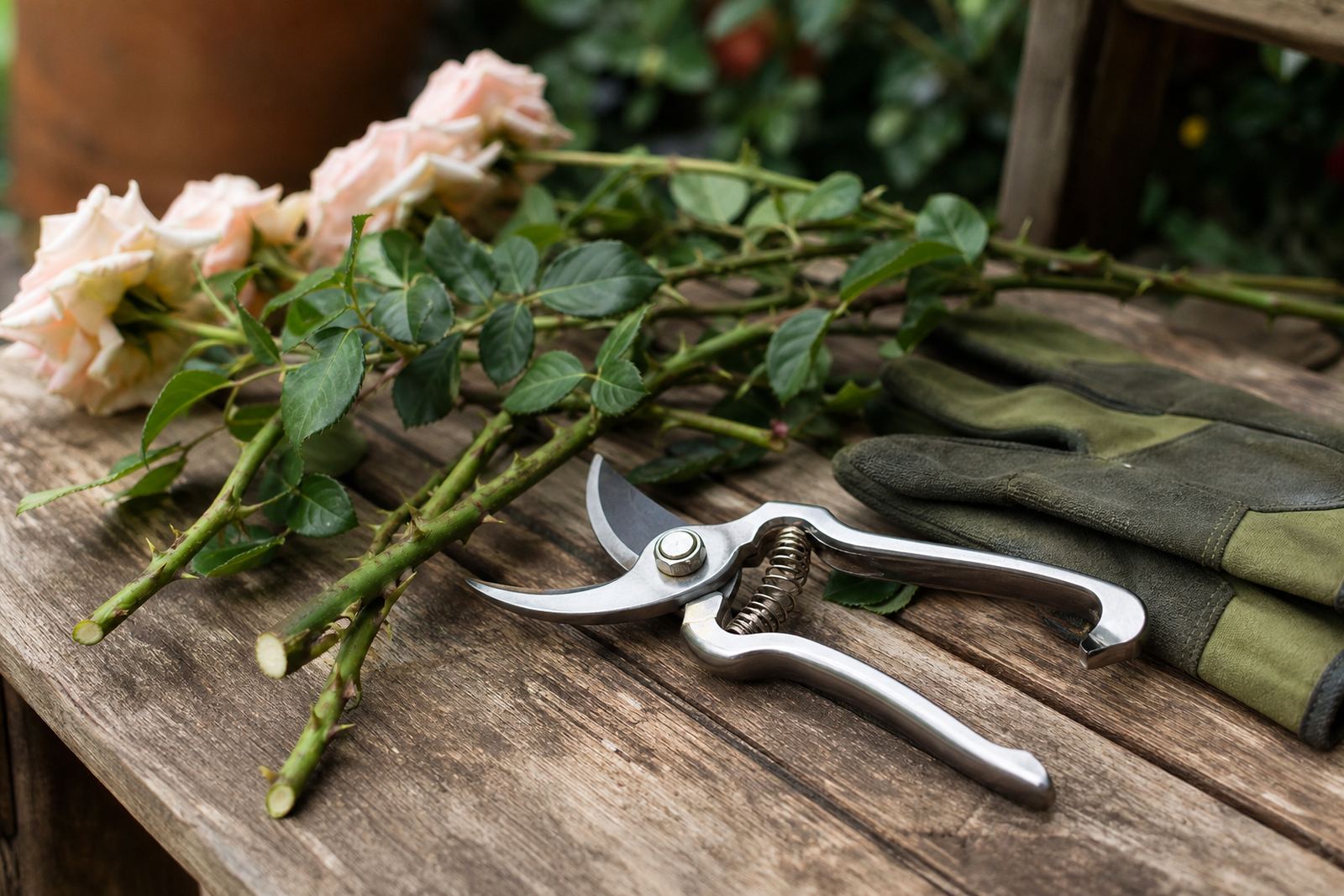
This left hand pruner is shaped so the handle sits comfortably in the left hand, which helps the blade line up more naturally with the cut. That gives better confidence when you are working on flowers, soft stems, fruit trees, herbs and general yard clean-up. The grip feels more settled, so you are not fighting the tool while trying to make a clean cut.
For many gardeners, a standard pruner can feel awkward after a few minutes. A left-hand model reduces that awkward twist and makes repeat cutting easier on the fingers and wrist. It is a practical choice for home gardeners, nursery teams and landscaping crews that need dependable hand tools in daily use.
- Better alignment for left handed users
- Cleaner cuts on fresh growth and thin woody stems
- Less hand strain during longer pruning sessions
Sizes and options to match the job
Left hand pruners are generally available in compact and medium sizes, with cutting capacity suited to light to medium pruning. Some versions use bypass blades for cleaner cuts on live plant material, while others use a more general purpose cutting action for mixed garden tasks. If you work around roses, shrubs, young trees or potted plants, the smaller format is usually the easiest to handle.
When choosing a size, look at handle length, blade opening and overall hand fit. A pruner that is too large can slow you down, while one that is too small may pinch or tire your hand. The right fit matters more than people think, especially if you are pruning in warm weather or doing several properties in one day.
- Compact option for lighter trimming and tighter spaces
- Medium option for regular garden maintenance
- Bypass style suited to live stems and cleaner cuts
Where this pruner works best
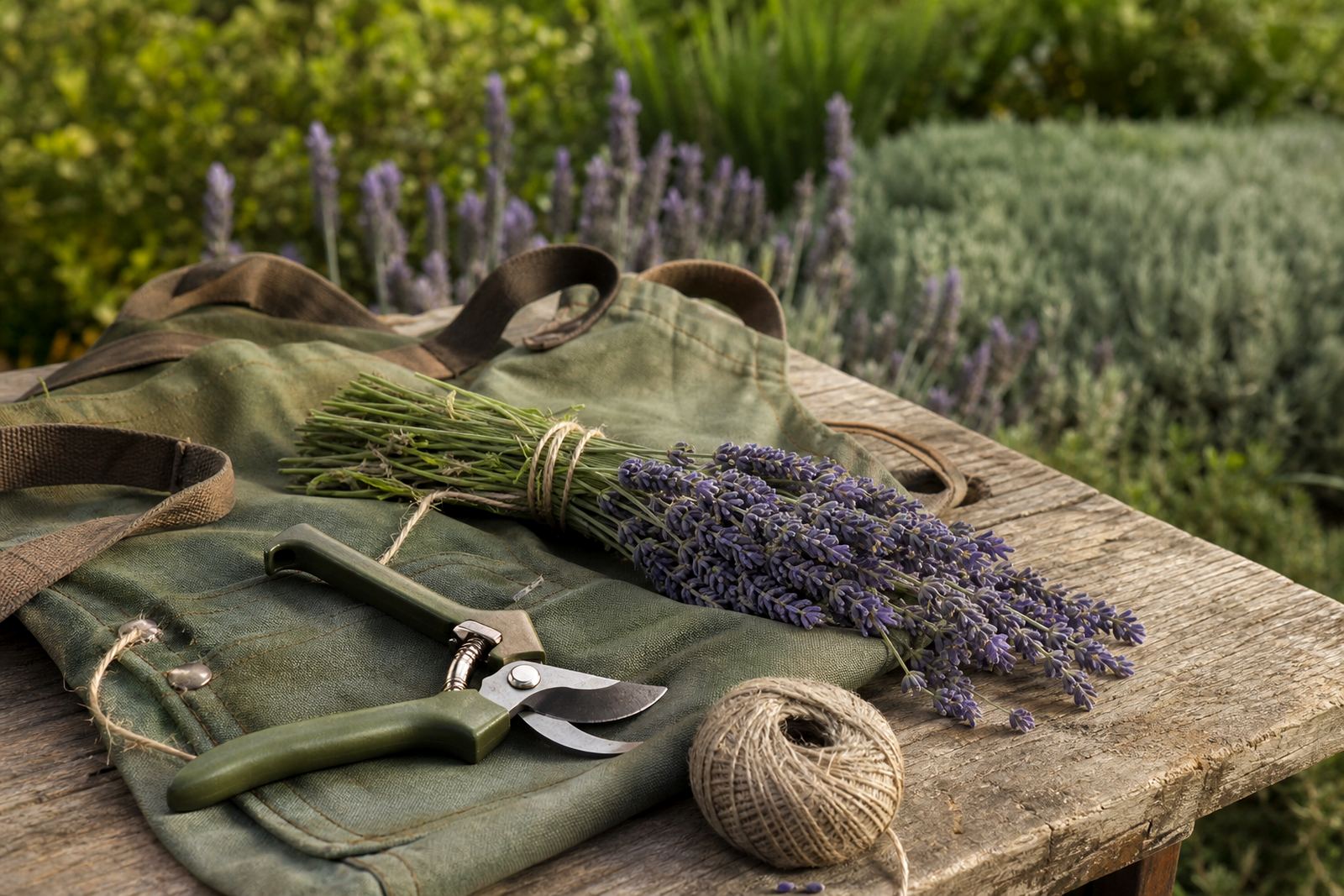
This tool suits gardens with shrubs, hedges, herb beds, fruit trees and ornamental plants. In Pietermaritzburg and the coastal areas, it is handy for regular shaping after fast spring growth and for tidying plants affected by humidity and heavy rainfall. In hotter inland areas, it helps keep lawns and garden borders neat without needing a large tool for every small cut.
It also works well for landscapers who need a left handed option on the truck, or for teams that want a dedicated pruner for a specific operator. If you manage a body corporate garden, municipal verge or school grounds, having the right handed tool on site can improve speed and reduce mistakes.
- Home gardens and townhouse yards
- Nurseries, estates and school grounds
- Landscaping teams and property maintenance crews
Power, gas and installation needs
This is a manual hand pruner, so it does not need electricity, batteries, fuel or gas. There is no charging downtime and no worry about load-shedding interrupting the work. That makes it reliable for quick jobs, remote sites and areas where power supply is uncertain.
Installation is simple because there is none. The key is correct use: keep the cutting edge clean, hold the stem firmly and cut at the right angle for the plant type. If the pruner has an adjustable pivot or tension setting, check that it feels smooth but not loose before starting work. A tool that is set too tight can fatigue the hand, while one that is too loose may give poor control.
Care, servicing and parts support
Like any hand tool, a left hand pruner lasts longer with regular cleaning and light servicing. Remove sap and debris after use, dry the blades before storage and oil the pivot if the action starts to feel stiff. In coastal conditions such as Durban or Gqeberha, extra care helps reduce rust from salt air and moisture.
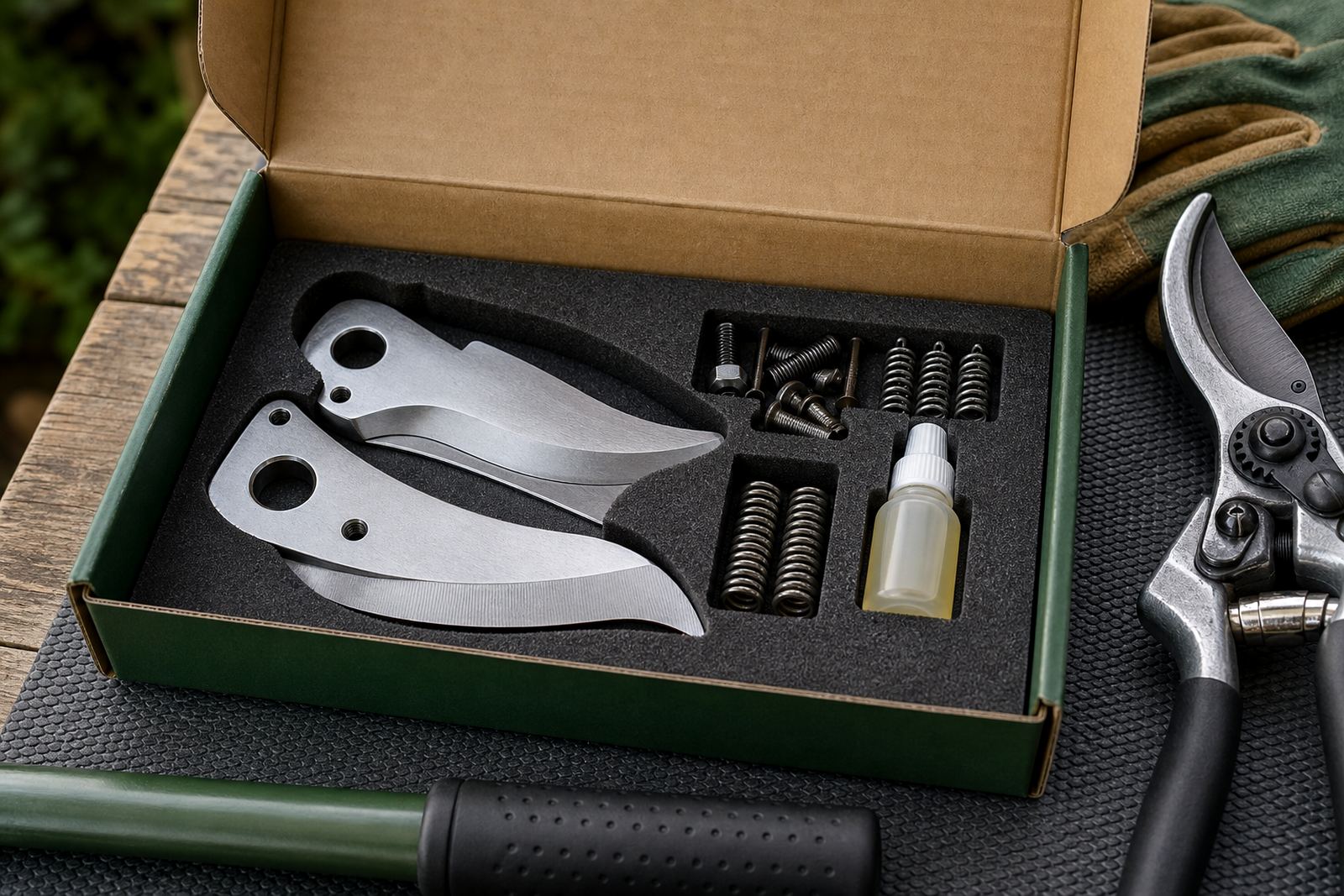
Our servicing support includes blade sharpening, spring replacement, grip replacement, pivot adjustment, rust removal, deep cleaning and parts fitting. If the pruner is used daily by a gardening team, schedule inspections before peak growing seasons so you do not lose time to blunt blades or loose joints.
- Wipe down after each use to stop sap build-up
- Store dry and away from fertiliser and damp soil
- Check spring tension and pivot play regularly
What to check before you order
Before you place an order, check the hand orientation, cutting capacity and the type of work you do most often. It helps to know whether you need a compact pruning tool for lighter stems or a stronger model for heavier growth. If the tool will be used by several people, make sure the handle size suits the main user and that the grip feels comfortable in the left hand.
You should also confirm whether you need a bypass-style blade, whether replacement parts are important, and whether the tool will be used in a home garden or for commercial work. If you are buying for a team in Johannesburg, Pretoria, Cape Town or here in KwaZulu-Natal, a clear order note helps us match the right option first time, no fuss.
- Left-hand orientation and grip feel
- Expected stem thickness and daily workload
- Need for serviceable parts and future maintenance
Supplying gardeners and landscapers nationwide
Cut Tools Garden is based in Mkondeni, Pietermaritzburg and supplies garden pruning shears, loppers and hedge tools to home gardeners and landscapers across South Africa. Our team handles enquiries through the contact page, and we support stockists and clients in Pietermaritzburg, Hilton, Howick, Durban, Johannesburg, Pretoria, Cape Town and Gqeberha.
Whether you need one left hand pruner for your own garden or a repeat supply for a maintenance team, we focus on practical tools that are comfortable in the hand and ready for regular use. Sibusiso Mthembu leads the business with a team that understands dispatch, tool care and after-sales support, so you can order with confidence and keep the job moving.
Key facts
| Tool type | Left hand manual pruner |
|---|---|
| Blade style | Bypass style for clean cuts on live stems |
| Cutting capacity | Best for light to medium pruning up to about 20 mm |
| Power requirement | None, fully manual |
| Typical users | Home gardeners, landscapers, nursery teams and maintenance crews |
| Service support | Sharpening, spring replacement, grip replacement, pivot adjustment and rust removal |