
What bypass pruning shears are used for
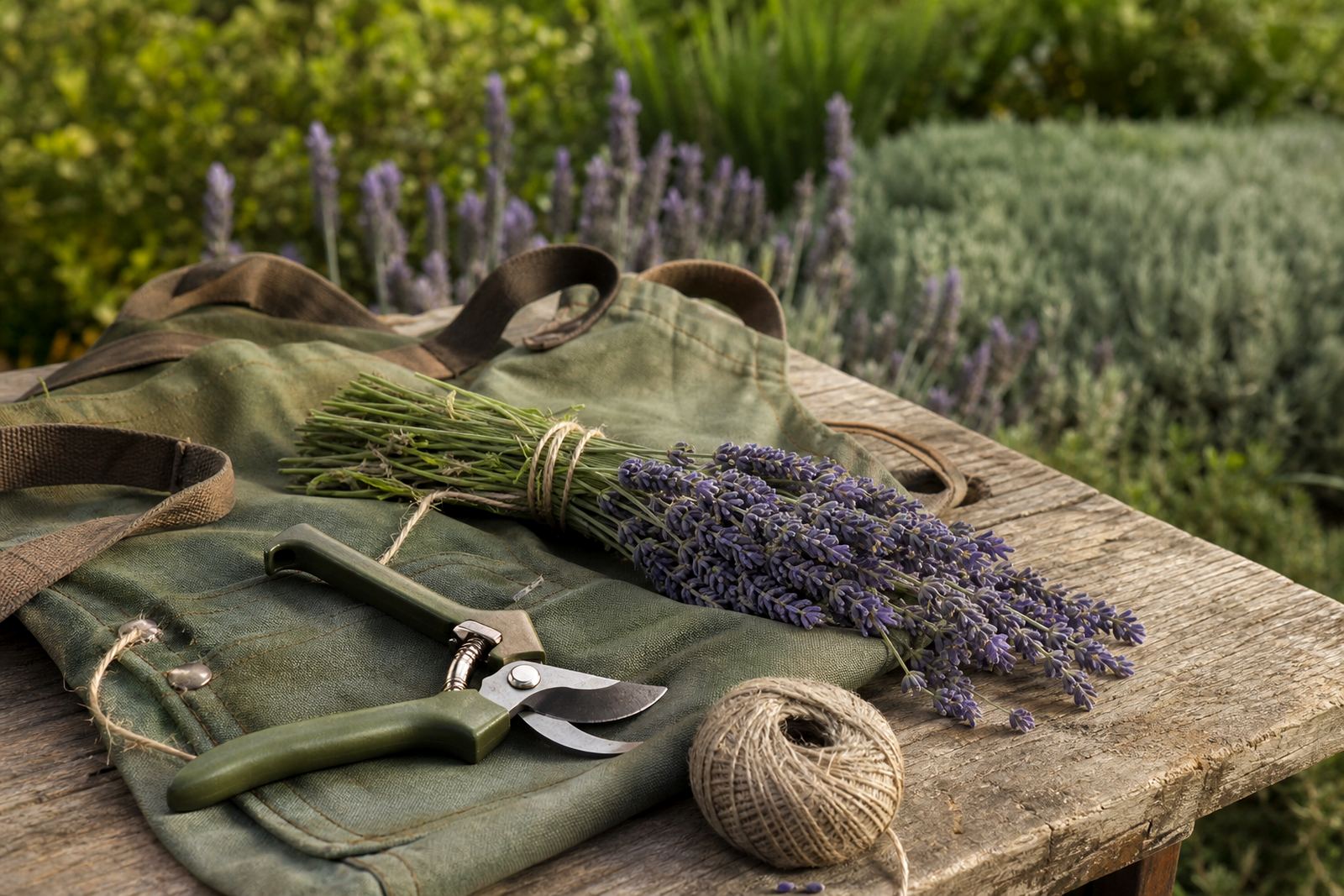
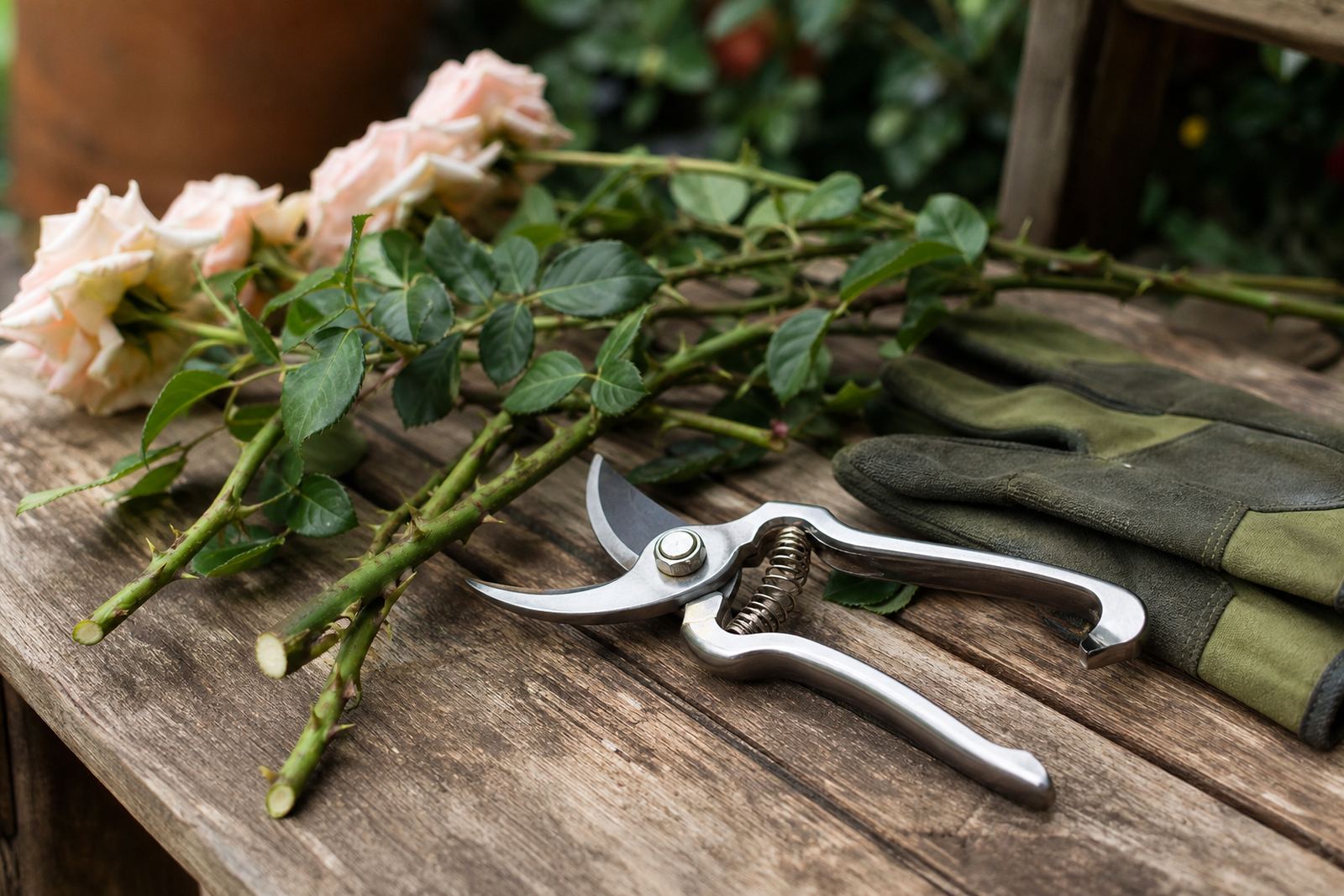
Bypass pruning shears use two curved blades that pass each other like scissors, which makes them the right choice for live plant material. They are ideal for roses, herbs, soft shrubs, young stems and general garden tidying where a clean cut helps the plant heal properly. For South African gardeners dealing with summer growth after rain or winter clean-ups in dry areas, this style of shear is the everyday tool you reach for first.
These are light-duty hand tools for regular pruning around beds, pots and small borders. They are not for thick, dry branches or hard woody cuts, which is where loppers or hedge tools come in. In a home garden or a small landscaping crew, bypass shears save time because they cut neatly without crushing the stem, so the work looks tidier and the plant takes less strain.
- Best for live stems and green growth
- Gives a cleaner cut than anvil-type cutting on soft plant material
- Useful for roses, shrubs, seedlings and small ornamental plants
- Simple to carry in a pocket or tool belt
Sizes, grip styles and blade options
Bypass pruning shears are usually supplied in compact hand sizes that suit most users. The common lengths are around 180 mm to 220 mm overall, with blade lengths typically between 45 mm and 65 mm depending on the model. A smaller size is easier for delicate work and narrow hands, while a larger frame gives a bit more leverage for firmer stems. If you work for longer periods, handle shape matters just as much as blade type.
Look for cushioned grips, a solid locking catch and a spring that opens the tool smoothly after each cut. Some models use hardened steel blades for better edge retention and some include replaceable springs or grips for longer service life. In coastal areas like Durban and Gqeberha, a simple wipe-down after use is important because humidity can lead to surface rust if the tool is left wet. A light oil after cleaning helps a lot, and yes it is worth the extra minute.
- Overall length: 180 mm to 220 mm
- Blade length: about 45 mm to 65 mm
- Common cutting capacity: up to 18 mm, depending on stem softness
- Options may include cushioned grips, safety latch and replacement spring parts
Where bypass shears fit in your garden work
These shears suit home gardeners, nursery staff and landscapers who need a reliable hand tool for frequent light pruning. They work well in Pietermaritzburg gardens where new growth can get away from you after a few rainy weeks, and they are equally handy in drier inland areas where precise trimming matters around established shrubs. If you keep a tidy yard, grow herbs or manage small client gardens, bypass shears become part of the daily routine.
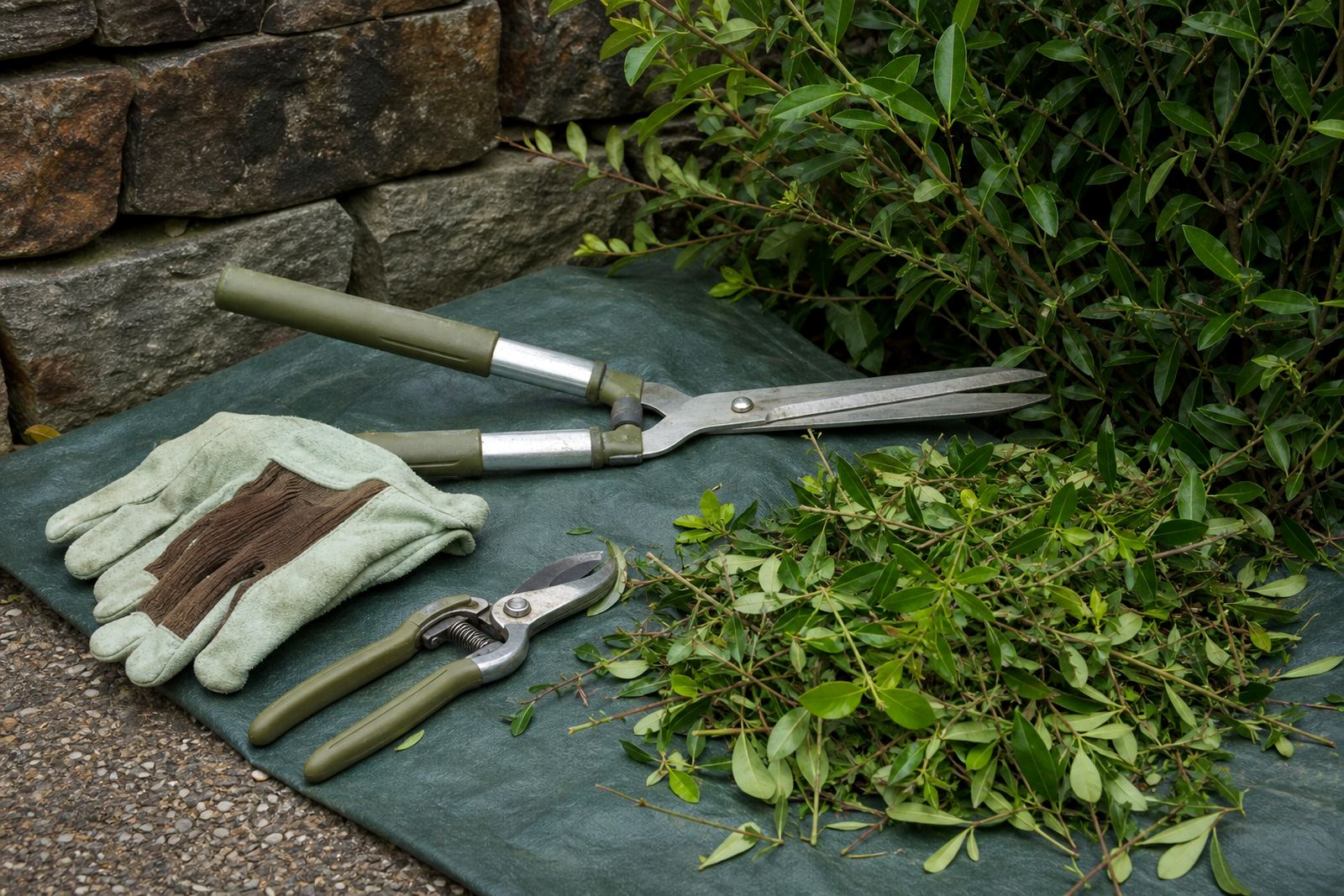
They are also useful for detail work after hedge trimming or before flower picking. When you need to remove spent stems, shape a shrub or clear a few stray shoots around paving and walls, the lighter cutting action gives better control. Because they are manual, there is no fuel, no charging and no waiting for power, which makes them dependable during load-shedding or on sites with no electricity at all.
- Home gardens and townhouse courtyards
- Small landscape maintenance teams
- Nursery work and plant shaping
- Finishing cuts after hedge or lopper work
No power or gas needed, just good hand control
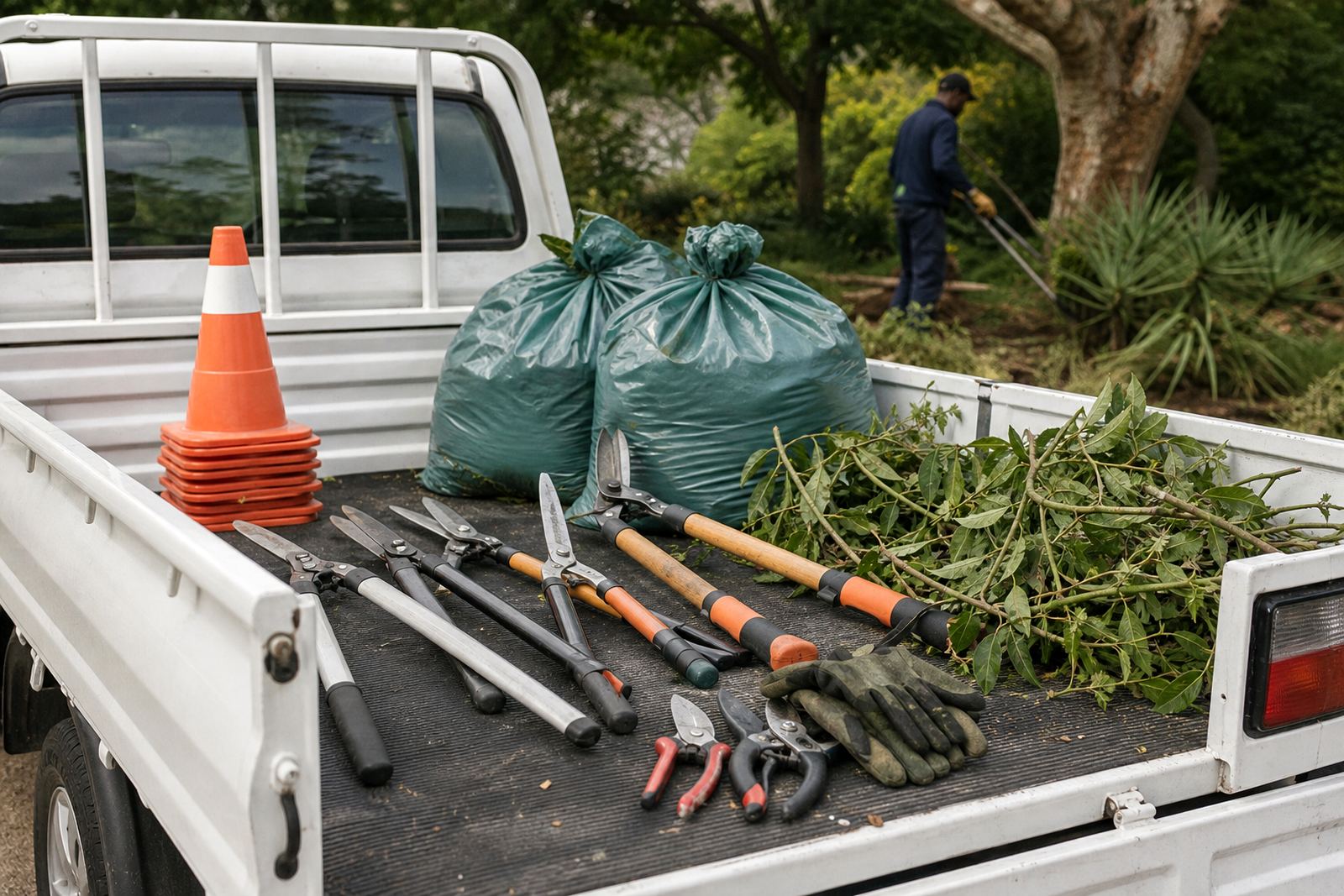
Bypass pruning shears do not need electricity, batteries or fuel. That makes them one of the simplest tools to keep in a vehicle, shed or storage room. There is no start-up delay and no fuel smell, so they suit quick jobs between other tasks and clean-up work after municipal watering days or storm damage. For teams moving between sites in Johannesburg, Pretoria or Durban, that simplicity saves time.
Because they are hand tools, the main thing is correct use. Let the blades do the work and avoid twisting the wrist while cutting. If a stem is too thick, move to a lopper instead of forcing the cut. Overloading the shears can bend the blade or loosen the pivot screw. A clean cut comes from matching the tool to the size of the stem, not from extra pressure.
- No electricity required
- No fuel or charging needed
- Quiet operation for residential areas
- Best used on live stems within the rated cutting capacity
Care, servicing and parts that keep them working
Good maintenance makes a big difference to hand shears. After use, remove sap and soil with a dry cloth or a little mild soap and water, then dry the tool fully. If sap has built up, a deeper clean may be needed before oiling the pivot and blade face. In humid coastal conditions, leave the tool dry before storing it. A blade that is clean and lightly oiled cuts better and lasts longer.
Cut Tools Garden supports servicing for these tools, including blade sharpening, spring replacement, grip replacement, pivot adjustment, rust removal, deep cleaning and parts fitting. That matters for regular users and landscaping crews because a tool that works smoothly reduces hand strain. If the cut starts to pinch rather than glide, it usually means the blade needs attention or the pivot has loosened a touch.
- Wipe sap off after each use
- Oil the pivot point regularly
- Check the safety catch and spring tension
- Send for sharpening or servicing when cuts feel rough
What to check before you order
When choosing bypass pruning shears, start with the kind of plants you cut most often. Soft growth, roses and general garden trimming call for a standard bypass action, while thicker growth may need a different tool. Check the stated cutting capacity, overall length, grip comfort and whether replacement parts are available. If several people will use the same tool, choose a size that fits the smallest user comfortably so the handle does not tire the hand.
Also check whether you need a single pair for home use or a few tools for a fleet care plan across different properties. For landscapers working across KwaZulu-Natal and further afield, it helps to keep extra springs and a service routine in place. If you are comparing options, ask about stock availability, servicing turnarounds and the best model for your usual stem size. It saves hassle later, especially during peak pruning season.
- Live-stem cutting capacity
- Handle size and grip comfort
- Blade material and replacement part support
- Suitability for home use or daily landscape work
Key facts
| Product type | Bypass pruning shears for live stems and light garden pruning |
|---|---|
| Overall length | Approximately 180 mm to 220 mm |
| Blade length | Approximately 45 mm to 65 mm |
| Cutting capacity | Up to 18 mm, depending on stem softness and user technique |
| Power requirement | None, fully manual hand tool |
| Care support | Sharpening, spring replacement, grip replacement, pivot adjustment and deep cleaning |