

Home / Projects / Walmer Front Garden

Projects

Walmer Front Garden

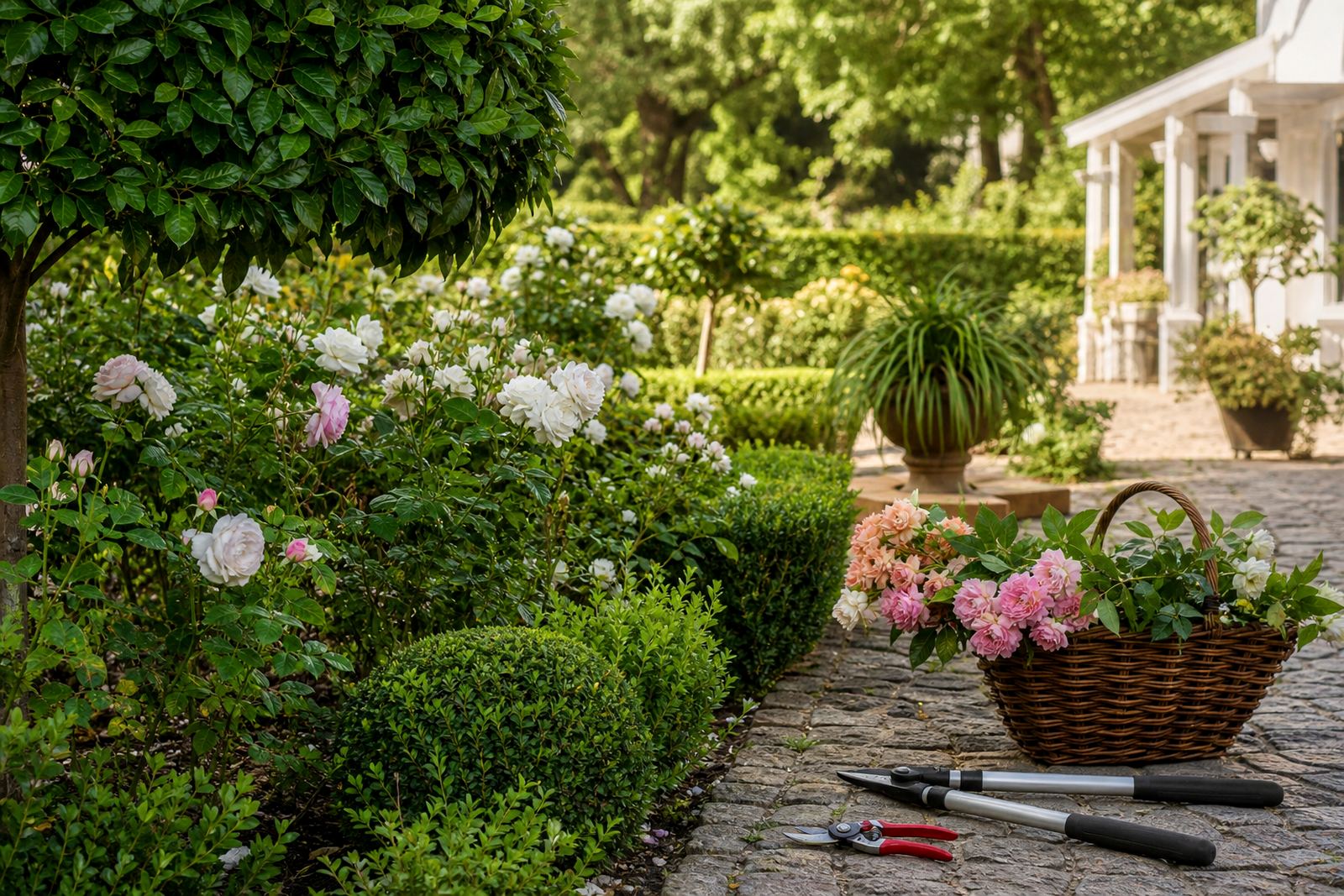
An ornamental front garden in Walmer needed a clean seasonal prune before the first strong summer growth. We trimmed, shaped and cleared the beds so the frontage stayed neat, open and easy to manage.

Walmer Front Garden

Walmer front garden brief and site conditions

The property was a private home in Walmer, Gqeberha, with a compact ornamental front garden that had outgrown its shape after winter. The owner wanted a neat seasonal prune, not a hard cut back, and asked for the beds and boundary planting to look tidy from the street without losing the softer garden form.

The main constraints were straightforward but important. The garden sat close to paving and a driveway, so clipping control mattered. There were mixed shrubs, a few flowering plants and an established hedge line that had to be kept even at the top. Coastal air also meant the growth held moisture, so we paid attention to clean cuts and removed all waste the same day.

  • Location: Walmer, Gqeberha
  • Garden type: ornamental front garden
  • Work window: before summer flush growth
  • Access: narrow front boundary and driveway edge
  • Main concern: keep shape tidy without over-pruning

Tools and servicing prepared for the cut

For this kind of work we used hand pruning shears, a light lopper for thicker stems and hedge tools for the formal line. The cutting edges were checked before the job and the pivots adjusted so each tool moved cleanly through the material. That matters on fine ornamental growth, because a blunt blade tears instead of cutting.

We also brought spare springs and grip components in case any of the hand tools needed attention during the visit. On a small property the difference between a smooth action and a stiff handle shows up very quickly, especially when you are working around tight corners and mixed plant sizes. The aim was simple: neat cuts, comfortable handling and no repeated passes over the same stem.

  • Pruning shears for soft and medium growth
  • Lopper for thicker woody stems
  • Hedge tools for line trimming and top shaping
  • Cleaning gear for sap and leaf residue
  • Disposal bags and waste loading for a clean finish

What we supplied and carried out on site

We carried out the prune in one scheduled visit and completed the work in around 3 hours. The front hedge was lifted back to its intended line, overlong shoots were shortened, and the flowering shrubs were thinned to keep air moving through the beds. We stayed with hand tools where possible so the finish stayed precise, especially on the visible street-facing side.

The job included light shaping, stem removal, deadwood clearing and a full tidy-up of the paving edge. A few stems near the walkway had started leaning into the entrance path, so those were cut back to stop future interference. We also checked every tool during the work and wiped down the blades when sap built up, which helps keep the next cut cleaner.

By the end of the visit the front garden had regained its clean outline and the owner could see the structure again rather than just bulk growth. It was the kind of prune that makes the garden feel cared for without looking overworked.

Site constraints we worked around

Walmer gardens often need a careful hand because the plantings are close to walls, driveways and boundary edges. In this case the owner wanted the frontage to look smart from the road, but also wanted enough growth left in place to protect the beds from harsh sun later in the season. That balance is important in Gqeberha where dry wind and coastal conditions can be hard on exposed shrubs.

There was also a practical access issue. With the front area close to the road and vehicle movement expected during the morning, we worked in a way that kept the path clear and moved waste as we went. No noisy machinery was needed, which suited the property and kept disruption low. We did not need to disturb the roots or the soil, so the garden could recover quickly.

  • Kept walkways open during the job
  • Protected the ornamental shape of the planting
  • Worked around driveway access and street visibility
  • Minimised disturbance to soil and roots
  • Removed all cuttings before leaving

Results after the seasonal prune

The result was a front garden that looked ordered, lighter and ready for the summer growth cycle. The hedge line was even again, the shrubs had better spacing and the entrance area was clearer from the pavement. The owner wanted a garden that looked maintained every day not just after a big cut, and that is exactly what the trim achieved.

Because the cuts were made cleanly and at the right points, the plants kept their shape instead of producing awkward stubs. The beds also looked less crowded, which will help with airflow and reduce the chance of mildew after heavy rain or humid days. The front of the property now presents well and should hold that shape longer between visits.

What we would do again on a similar property

We would repeat the same approach for another ornamental frontage in Walmer or anywhere along the coast. Start with sharp shears, inspect the hedge line first, remove the crossing shoots and finish with a careful hand tidy. That sequence saves time and gives a better result than rushing into a heavy cut.

If the same garden came up again in late spring, we would likely recommend a lighter follow-up trim after the first strong growth flush. That keeps the shape under control without stressing the plants. For homes in Gqeberha and nearby areas, a seasonal prune before summer usually gives the best value and the garden stays easier to manage for longer.

Key facts

ProjectWalmer Front Garden
TownWalmer, Gqeberha
Property typePrivate home front garden
Timeline1 visit over 3 hours
Work completedSeasonal prune, shaping, clearing and waste removal
Tools usedPruning shears, lopper and hedge tools

What our Garden Tools customers say

Verified Google reviews

Questions we get asked

Why was this front garden pruned before summer?

To remove winter growth, restore the shape and keep the ornamental planting neat before the stronger summer flush made it harder to manage.

Was heavy cutting needed?

No. The brief was for a seasonal prune, so we kept the structure in place and only reduced the growth that was affecting shape and access.

How often should a similar front garden be trimmed?

For a coastal garden like this, a main seasonal prune with a lighter follow-up trim in spring or early summer usually keeps the frontage in good order.

Planning something? Send the team a message.

Contact form