Waterwise brief for a Cape Town garden
The project came from a residential client in Cape Town who wanted structured planting kept tidy through the dry months. The garden had hardy shrubs, clipped borders and a few taller hedge lines that needed to stay formal without looking overworked. The aim was simple, keep the lines clean, reduce weak growth and avoid heavy cutting that would leave the beds exposed to sun and wind.
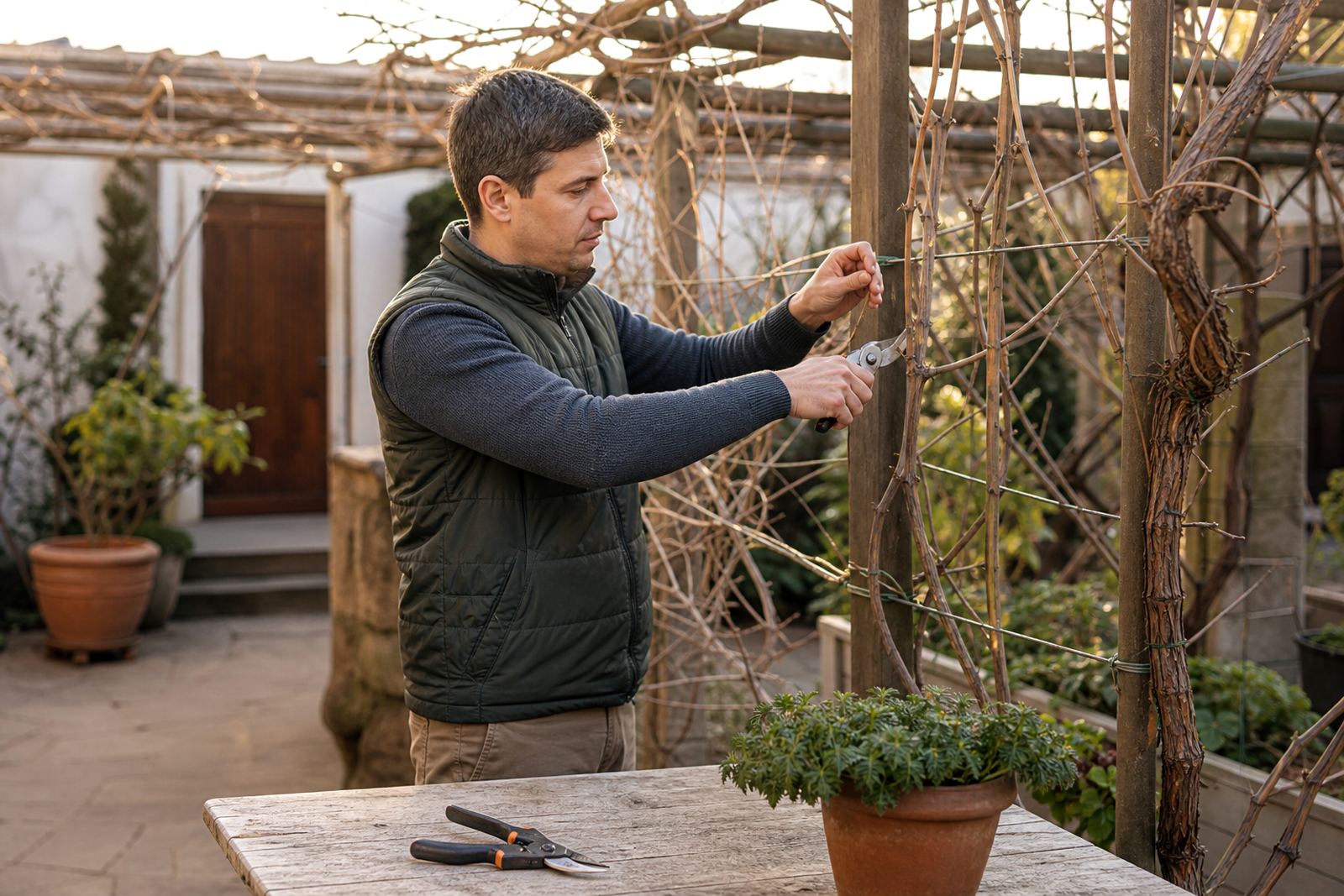
The site sat in a part of the city where water use had to be watched carefully and the garden also faced salt in the air from time to time. That meant the pruning plan had to support plant health rather than push fast regrowth. We selected hand tools and light hedge tools that gave precise control, which mattered around younger stems and any plants that were already carrying stress from summer heat. The client wanted a neat finish with as little disruption as possible, and that set the tone for the whole job.
What we checked before the first cut
Before any pruning started we assessed growth density, stem thickness, dead tips and the shape of each shrub block. Some sections only needed tip trimming while other parts needed thinning so light could move through the inside of the plant. We also checked for brittle stems, rust spots and old cuts that had sealed poorly. That helped us decide where to cut and where to leave growth alone.
- Plant type mix: hardy shrubs, clipped edging and mixed hedge lines
- Cut depth: light to moderate, with no hard reset cuts
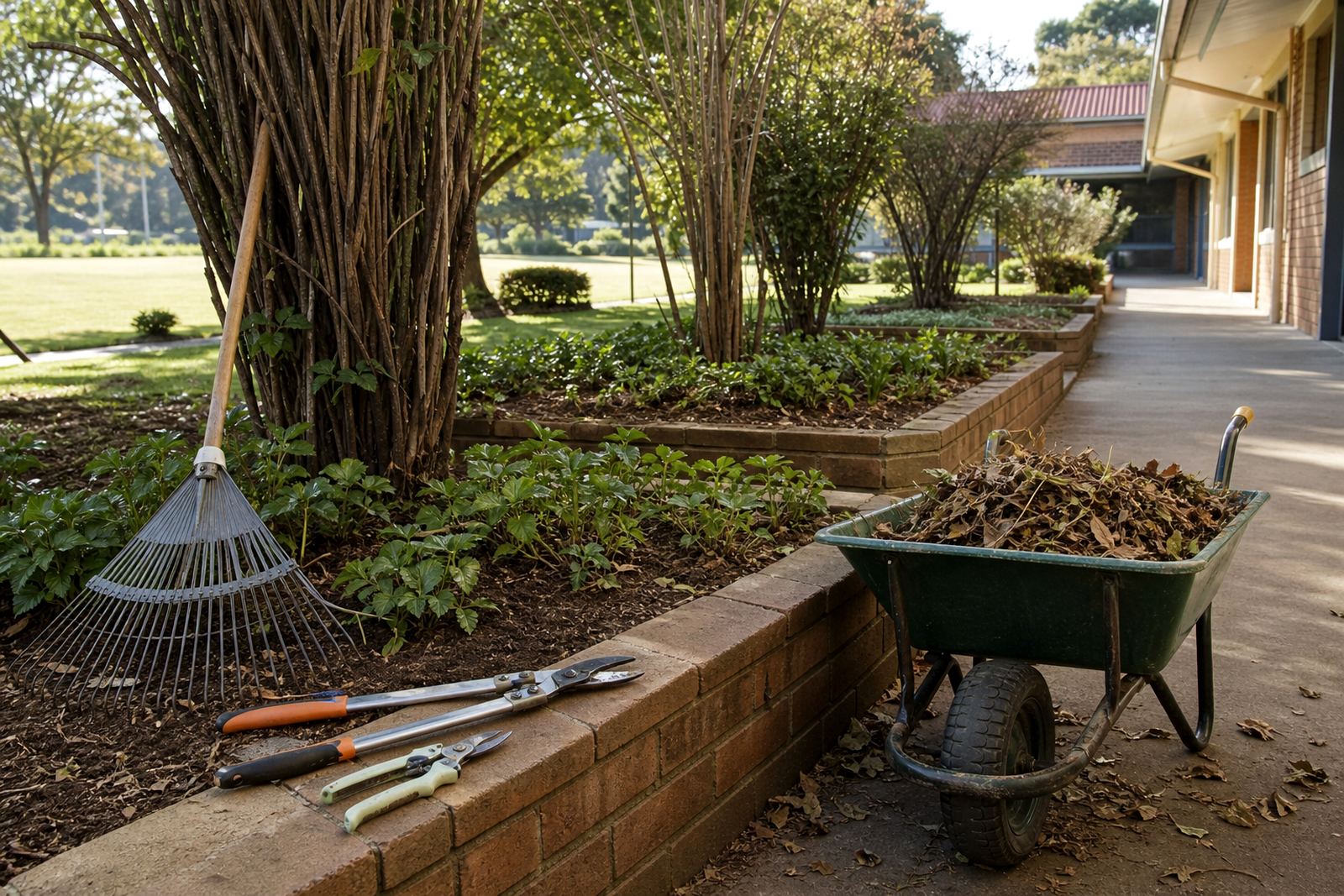
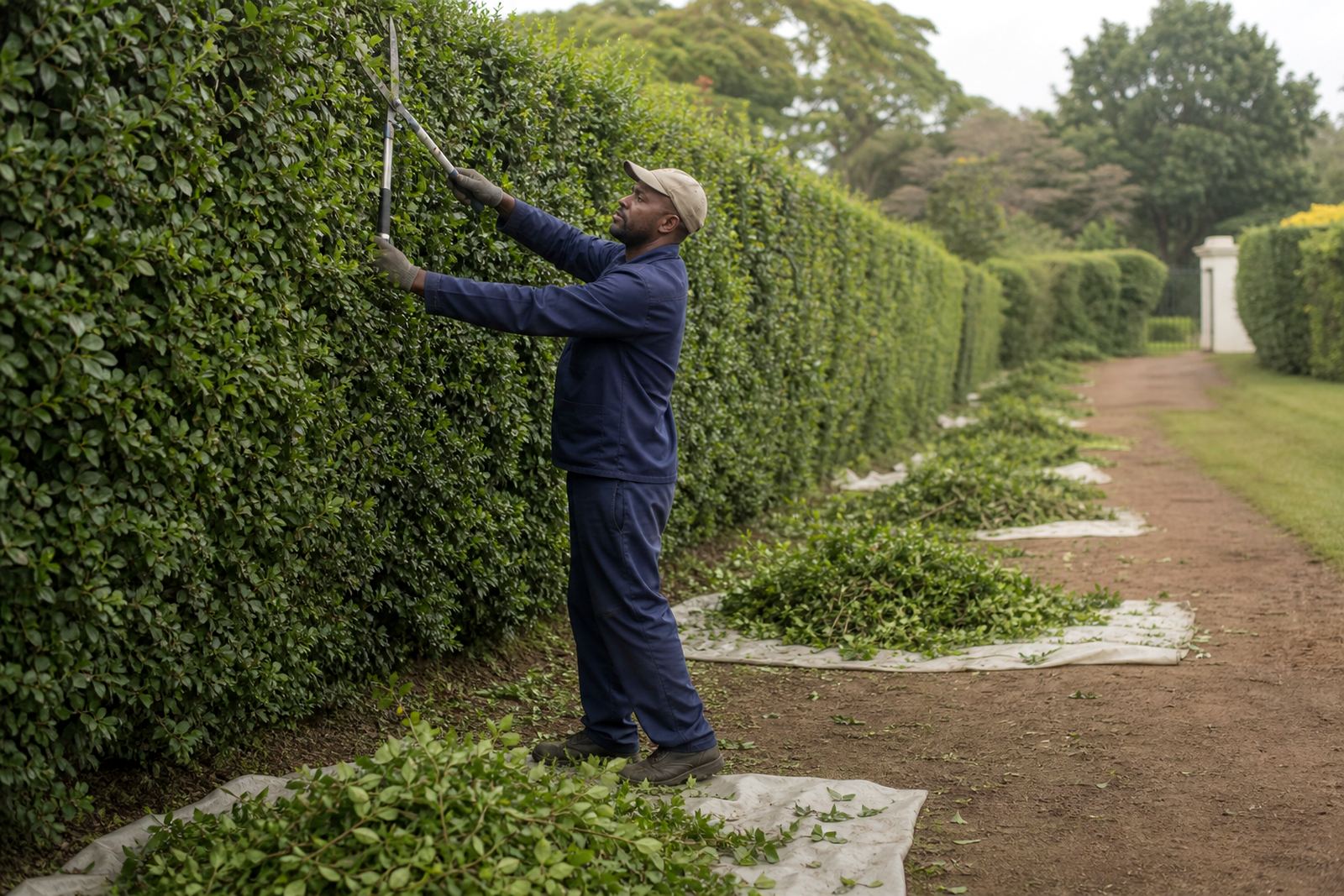
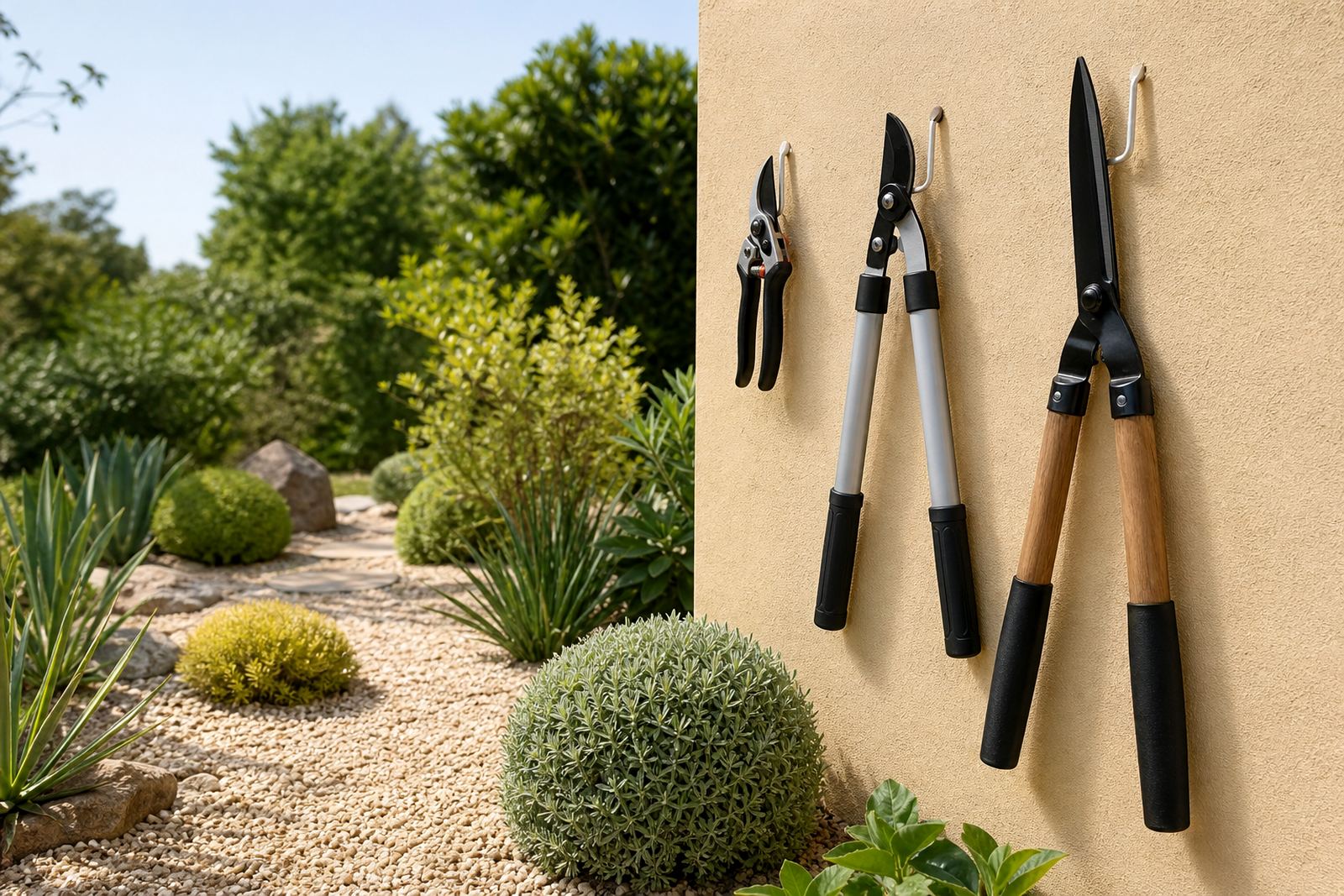
- Tool approach: secateurs for fine work, loppers for heavier stems, hedge shears for line work
- Risk factors: dry wind, coastal exposure, waterwise maintenance limits
The property needed a tidy look from the street but also a healthy framework for the next season. So we focused on keeping the canopy even and the bases open, which also made future watering and feeding more effective. It sounds small, but that kind of prep makes a big difference over a few months.
Tools supplied and servicing carried out
We supplied pruning shears, loppers and hedge tools suited to repeated use across a mixed planting scheme. The blades needed to stay sharp through woody growth and the handles had to sit comfortably in hand for longer sessions. After the job, several tools came in for servicing at our Pietermaritzburg workshop so they would be ready for the next round of maintenance. That included blade sharpening, pivot adjustment and rust removal where needed.
- Blade sharpening for clean cuts that reduce bruising on stems
- Spring replacement and grip replacement on worn hand tools
- Pivot adjustment for smoother opening and closing action
- Deep cleaning to remove sap, dust and fine debris
- Parts fitting and tool inspections before reuse on the next site
For a garden of this kind, a clean cut matters more than force. A sharp blade slices the stem, while a blunt edge crushes it and leaves the plant slower to recover. That is especially important in Cape Town where hot days and water restrictions can already put pressure on growth. The tools had to do their part properly, every time.
How the pruning was done over two weeks
The work took place over two weeks. Week one was inspection, selective pruning and hedge shaping. Week two was follow up trimming, cleanup and a final pass to check the form from the pavement side and from inside the beds. We worked in stages so the garden never lost its structure all at once and the client could keep using the outside areas with no fuss.
On the first visit we removed damaged tips, crossed stems and weak inner shoots. On the second, we tightened the profile of the hedges and made sure the top lines were level. We did not chase perfect symmetry by overcutting, because that usually creates more problems later. Instead we kept the natural form of the shrubs while tidying the edges. It took patience, but the result looked better and aged better too.
Results that suited the site and the climate
By the end of the project the planting looked neater, lighter and more controlled without losing its volume. Airflow through the shrubs improved, which helps with drying after rain and reduces the chance of fungal issues in damp pockets. The property kept its formal look, but the cuts were light enough to support healthy regrowth rather than force a flush of tender shoots.
- Cleaner hedge lines along the boundary and garden paths
- Better light movement through dense shrubs
- Less clutter from deadwood and weak growth
- Improved recovery because the cuts were selective, not harsh
The client wanted a waterwise result, and that was achieved by reducing unnecessary leaf mass while keeping the plant structure intact. It also means the garden can hold its shape for longer between visits. That saves time and water, which is often the point in Cape Town anyway.
What we would do again on a similar project
If we were called back to the same style of garden, we would follow the same approach. Start with a close inspection, use sharp hand tools, make fewer cuts and keep the plant structure in mind from the start. We would also schedule the work for a cooler part of the day, especially in summer when the wind can dry fresh cuts quickly.
For waterwise properties around Cape Town, the best routine is steady maintenance rather than one big corrective prune. A light trim every few months keeps the lines neat and helps avoid stress on shrubs that already have to cope with heat, coastal air and limited watering. That approach works well for home gardens, landlords and landscapers alike, and it keeps the job practical from season to season.
Key facts
| Project type | Waterwise residential garden pruning and hedge maintenance |
|---|---|
| Town | Cape Town, Western Cape |
| Timeline | 2 weeks |
| Tools used | Pruning shears, loppers and hedge tools |
| Key services | Blade sharpening, pivot adjustment, rust removal, deep cleaning |
| Outcome | Tidy structure with minimal cutting and healthier regrowth |