Brief for a busy guest arrival area
The client was a small hospitality property in Umhlanga, Durban North, where first impressions matter every single day. The brief was simple but strict: keep the entry hedges even, hold the shape of the feature pots, and make sure the garden always looked cared for before breakfast service and late afternoon arrivals.
Because the site had a compact forecourt and repeated foot traffic, the tools had to be light enough for quick work, but still strong enough for regular trimming. The team also wanted equipment that would sit comfortably in hand during longer sessions, since the same areas had to be revisited more than once a week in the growing season.
- Location: Umhlanga, KwaZulu-Natal
- Property type: guesthouse with daily visitor presentation needs
- Main areas: entry hedges, feature pots, walkway borders and clipped accents
- Target finish: neat, level and easy to maintain between visits
Site conditions and the practical limits we had to work with
The garden sat close to the coast, so the metal fittings and cutting edges had to cope with humidity, salt air and the occasional heavy rain spell. That meant rust control mattered just as much as cutting performance. The garden team also needed to work around visitors, parked vehicles and early cleaning schedules, so noisy or awkward equipment would have caused problems.
Another constraint was access. The planting beds were narrow in places, with pots placed near the entrance to frame the building. That meant long handles could become awkward, while short tools needed enough leverage to give a clean cut without crushing stems. In our experience, this is where the right size of tool makes all the difference.
- Coastal humidity required regular blade care and dry storage
- Trim work had to fit around guest movements and cleaning windows
- Some shrubs needed fine shaping rather than heavy cutting
- Feature pots needed controlled pruning, not rough snipping
Tools supplied for the garden team
We supplied a practical mix of pruning shears, loppers and hedge tools suited to soft growth, semi-woody stems and light formative trimming. The selected shears were used for crisp cuts on smaller growth and deadheading around the pots. The loppers were kept for thicker stems that were starting to harden, while the hedge tools were used to keep the front line straight and tidy.
For this kind of property, comfort is not a luxury. Handles with a steady grip reduce hand strain, especially when the same edge is cut repeatedly to keep it level. We also checked that the cutting action stayed smooth, because a sticky pivot or misaligned blade can slow a simple job right down.
- Garden pruning shears for fine shaping and detail work
- Loppers for thicker stems and small structural cuts
- Hedge tools for straightening entry hedges and borders
- Servicing support for blade sharpening and pivot adjustment
What was done on the ground
The work started with a walk-through of the front garden and entrance points so the team could separate quick-touch areas from heavier pruning spots. We then matched the tools to the job type and set up a simple maintenance plan for the guesthouse staff. The goal was not just a single tidy-up, but a garden that could be kept looking right through the week.
We also advised on basic tool care after use. On coastal sites, a quick wipe-down after cutting and a proper dry off can extend blade life by months. For the guesthouse team, that mattered because the planting needed to stay presentable without constant replacement of worn equipment.
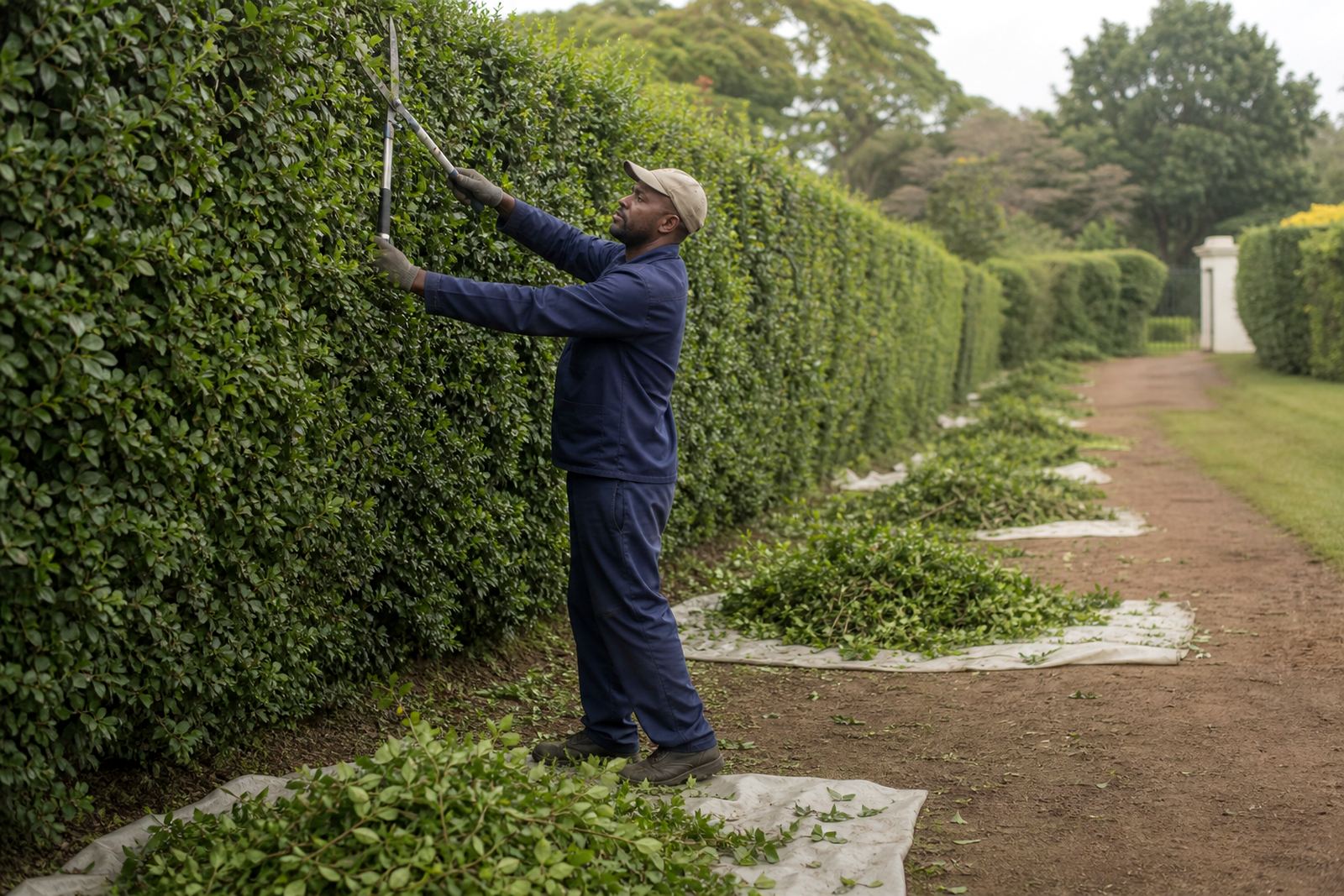
- Trimmed hedge faces to keep the entrance line level
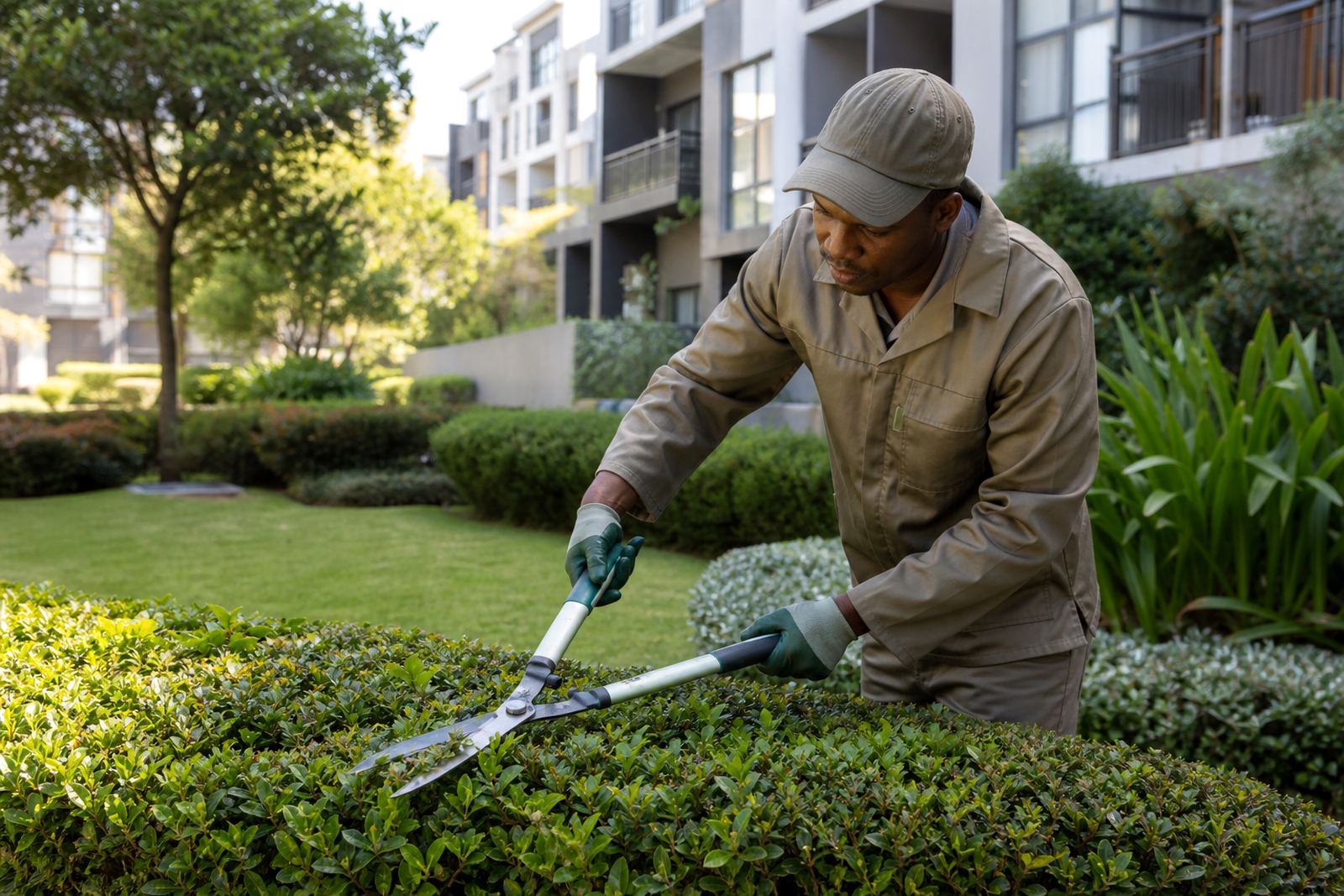
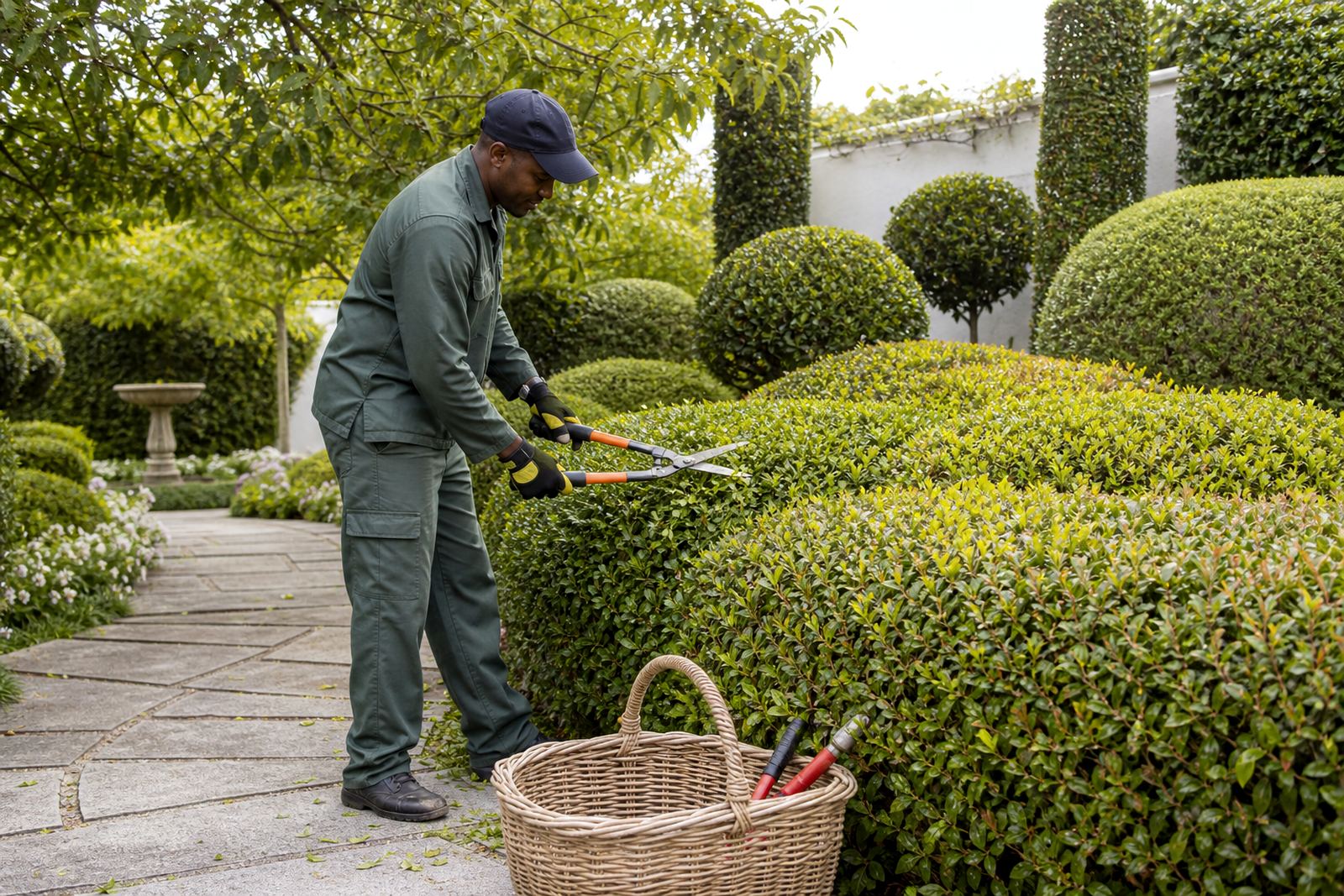
- Used fine-cut shears on pots and decorative shrubs
- Removed older, woody stems with loppers where needed
- Checked tool condition and recommended a short servicing cycle
Timeline and working rhythm over three weeks
The project ran over three weeks. In the first week we assessed the garden layout, tool requirements and the likely wear points on the blades and pivots. The second week focused on supply and setup, including final checks on cutting action, grip comfort and blade alignment. By the third week, the team had a clear routine for daily touch-ups and the heavier weekly shaping work.
That rhythm suited the property well. Guesthouse gardens do not need constant heavy intervention, but they do need a sharp, repeatable finish. A little work done regularly is easier on the plants and quicker for staff than waiting for growth to get away from them.
- Week 1: site review and tool selection
- Week 2: supply, checks and care guidance
- Week 3: routine use with a maintenance plan in place
Results at the entrance and feature pots
The main result was consistency. The entry hedges held a cleaner shape, the feature pots stayed neater between guest arrivals, and the overall front presentation looked more settled from day to day. For a guesthouse, that kind of consistency supports the whole stay experience before anyone even steps inside.
There was also less strain on the team. With the right tool for each task, the staff could finish detail work faster and with less hand fatigue. The garden no longer needed over-cutting to get back into shape, which helped protect the planting and reduced the need for corrective work later on.
- Sharper edges and cleaner hedge lines at the front entrance
- Better control on pot planting and decorative shrubs
- Less hand strain during repeated trim sessions
- Lower risk of rough cuts and damaged stems
What we would do again for similar guesthouse sites
For similar hospitality gardens in Umhlanga, Ballito, Durban or even inland sites with dry winter growth, we would use the same practical approach: light but capable tools, a short servicing cycle and clear separation between fine trimming and heavier cutting. That keeps the garden presentable without making the work harder than it needs to be.
We would also recommend scheduled blade sharpening, spring replacement where needed, and a quick inspection after periods of wet weather or heavy use. On a guesthouse site, the garden is part of the business image, so the tools must stay ready. When the equipment works properly, the finish stays neat and the team can focus on presentation rather than fighting blunt blades.
- Keep a separate tool set for detail work and heavier cuts
- Service pivots and springs before they cause slow cutting
- Store tools dry to limit rust in coastal conditions
- Plan quick inspections before busy visitor periods
Key facts
| Project | Umhlanga Guesthouse Garden |
|---|---|
| Location | Umhlanga, KwaZulu-Natal |
| Timeline | 3 weeks |
| Primary tools | Pruning shears, loppers, hedge tools |
| Key constraint | Coastal humidity and daily visitor presentation |
| Outcome | Neat entry hedges and feature pots kept tidy |