Hilton garden brief: tidy growth without stressing the plants
This project was for a suburban homeowner in Hilton, just outside Pietermaritzburg, where the garden had settled into a mixed pattern of fast spring growth and older woody stems. The brief was straightforward: clean up roses, shape shrubs, neaten the path edges and keep everything looking cared for without taking too much growth off in one pass. The client wanted a practical result that would hold up through the wetter KZN months and still look good once the dry spells returned.
We looked at the site as a working garden rather than a showpiece. There were flower beds beside the walkway, a small lawn border, a few established shrubs and a hedge line close to boundary fencing. The job needed tools that could make precise cuts, stay comfortable in the hand and handle repeated use over a full morning. In Hilton, where humidity can sit heavy after rain, the tools also had to be easy to clean and store properly to avoid rust and sticky sap build-up.
- Client type: private homeowner
- Location: Hilton, KwaZulu-Natal
- Garden focus: roses, shrubs, pathway edges and hedge touch-ups
- Key need: neat cuts with minimal plant stress
What we supplied for the pruning refresh
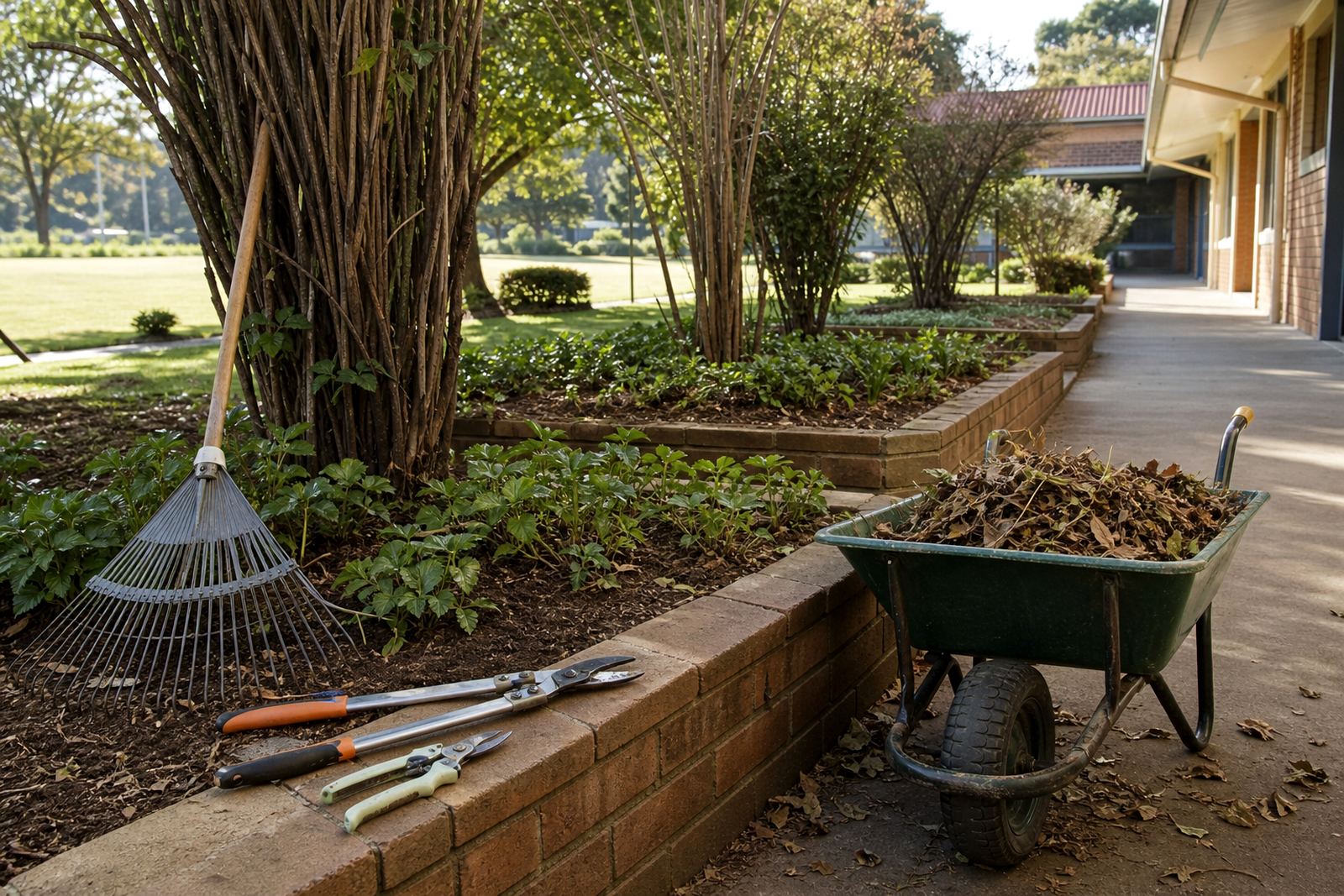
For the rose beds and finer shaping work, we supplied garden pruning shears with a bypass cutting action for clean cuts on green stems. These were paired with a compact lopper for thicker branches that were too hard for hand shears, plus hedge tools for the straightening and trimming along the walkway and boundary line. The mix gave the client enough range to move from delicate cuts to heavier stems without changing the whole approach halfway through the job.
Because the garden had a few older stems and some low branching near walls, we selected tools with solid grip comfort and balanced handles. That matters when you are working for an hour or more, especially if the surface is uneven or the gardener is reaching across beds. We also made sure the blades were sharp before use, since blunt edges tear stems and leave rough wounds that dry out badly in hot afternoon sun.
- Pruning shears for roses and light stems
- Lopper for thicker woody growth
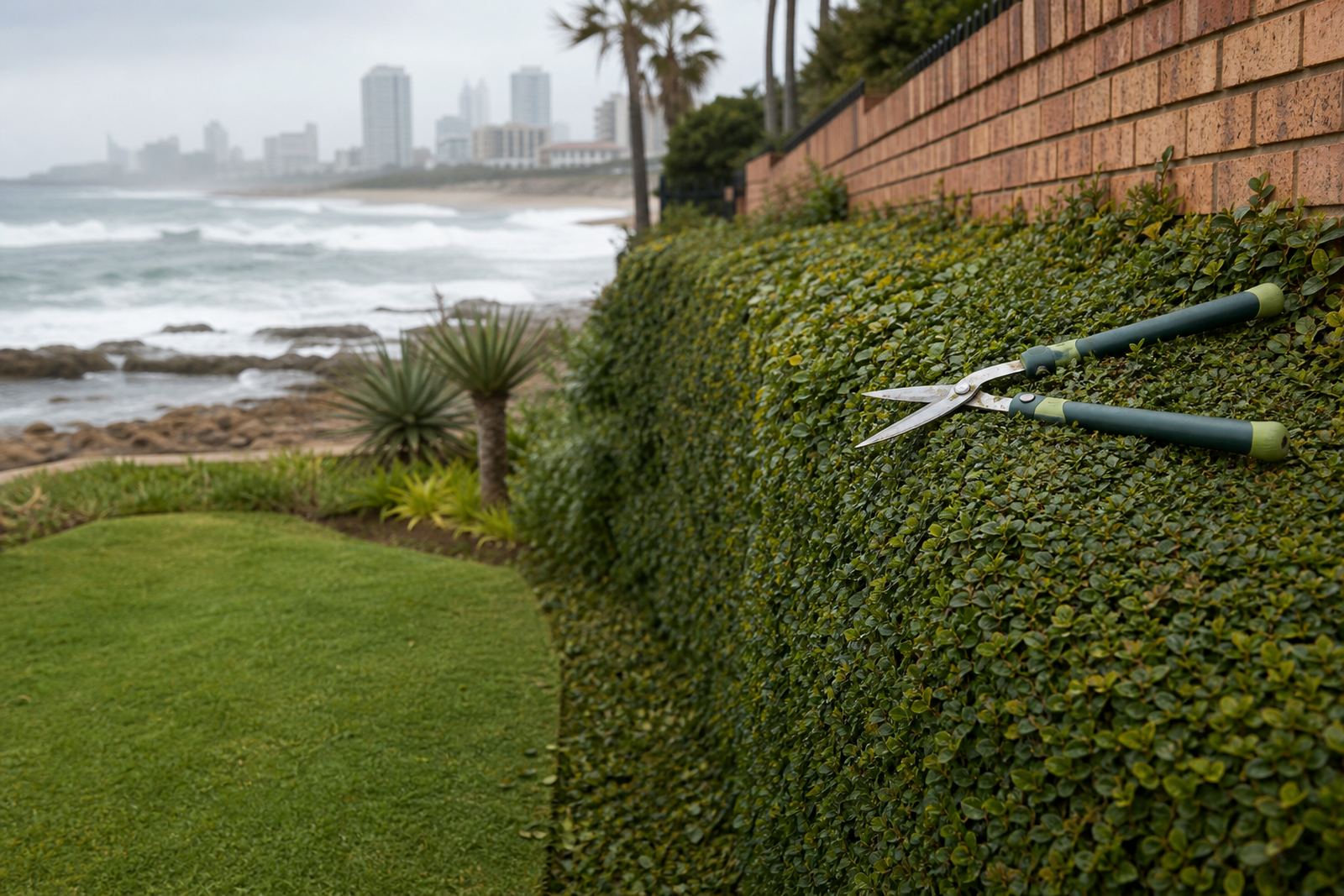
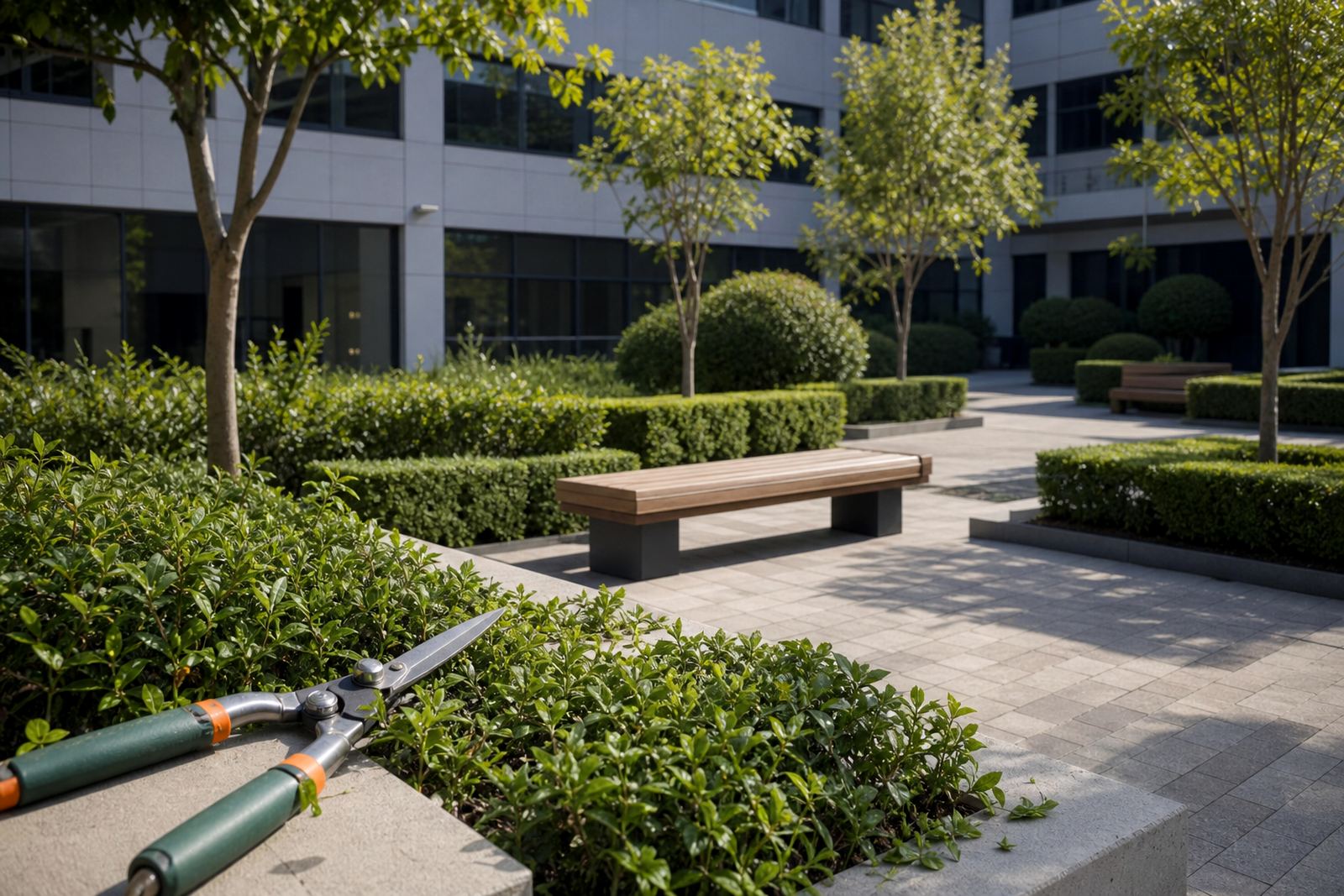
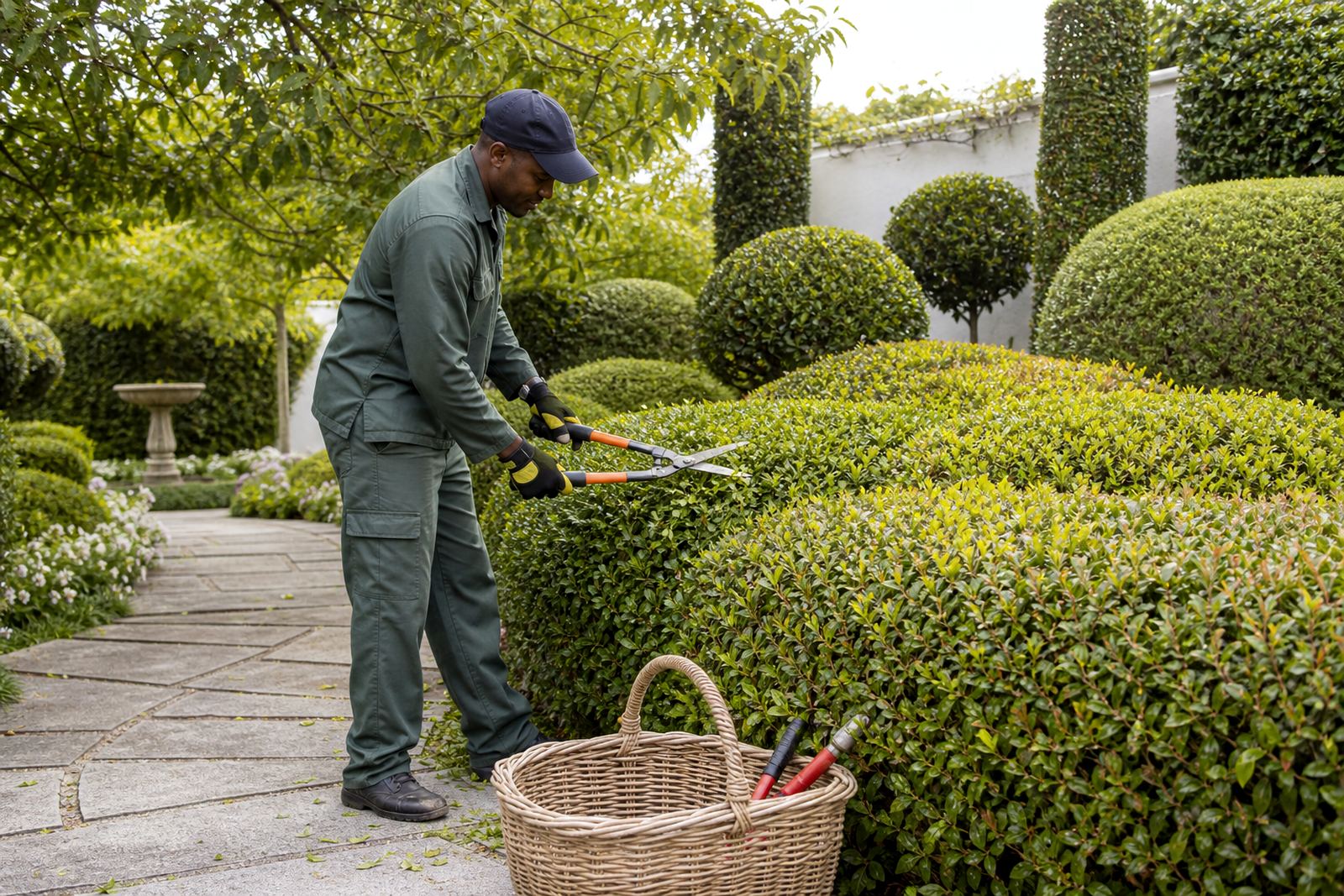
- Hedge tool for straight edge trimming
- Serviced blades for cleaner, easier cutting
Constraints on a suburban KZN property
The main constraint was access. The property had narrow side paths, close planting and a few sections where the client did not want soil disturbance or clipped debris left behind. There was also the usual Hilton weather factor. Morning moisture and afternoon showers can change how plants behave in one day, so the pruning had to be timed to avoid working on overly wet growth. That helps reduce spreading disease on roses and keeps the cut surfaces cleaner.
We also had to work around municipal-style expectations for tidy verge presentation, since the front edge faces a pedestrian route used by neighbours and delivery vehicles. No one wants branches hanging into a path or thorny canes left low where someone might brush past them. The job therefore needed careful height control, not just a quick trim. We kept the line of the hedge even and the path edges open, while still leaving enough foliage for the plants to recover well.
Load-shedding was another practical point. The homeowner wanted a manual tool solution that did not depend on power, which is sensible for regular maintenance in South Africa. That makes hand tools, proper servicing and a small care routine much more reliable than waiting for a powered cutter to be ready.
Tool servicing and setup for a cleaner cut
Before the pruning began, we checked the cutting faces, pivots and handles so the tools were ready for a full session. The shears received blade sharpening, pivot adjustment and a light clean to remove old sap. The lopper was inspected for spring action and grip condition, while the hedge tool was checked for alignment so it would not bind halfway through a stroke. Small issues like loose pivots or dry hinges can make a routine job feel harder than it should be.
The project also included a basic maintenance pass after the cut. That meant rust removal on small marks, deep cleaning of sap residue, and a quick check of replacement parts where wear was starting to show. For a home garden in a humid area, this is the difference between a tool set that lasts and one that starts sticking after a few uses.
- Blade sharpening for better cut quality
- Pivot adjustment for smoother action
- Rust removal and deep cleaning
- Spring replacement where needed
- Grip replacement on worn handles
Timeline and results over two weeks
The work was completed over two weeks. In the first week, we handled the site assessment, tool selection and service prep. In the second week, the pruning refresh was carried out and the finished result was checked with the client. This staged approach suited the garden because it gave enough time to see which sections needed heavier reduction and which only needed shaping.
The result was a more open and orderly garden with clearer path edges, better light reaching the rose beds and cleaner lines around the shrubs. The hedge no longer pushed into the walkway, and the rose canes were reduced to healthy, productive stems instead of long, tangled growth. The client wanted neatness without that over-cut look and that is exactly where the job landed. The garden looked cared for, not stripped back.
For anyone maintaining a similar suburban garden in Hilton, Howick or Pietermaritzburg, the biggest gain comes from doing the cuts with the right tool and not forcing blunt blades through woody growth. It saves time, protects the plants and leaves far less follow-up mess.
What we would do again for a similar garden
If we were called back to a similar property, we would repeat the same approach: inspect the growth first, match the tool to the stem thickness, and keep the cut line consistent across beds and boundaries. We would also recommend a simple seasonal service plan before the wetter months and again before the dry period. That keeps the shears, loppers and hedge tools ready for regular use and avoids the common problem of trying to prune with tired blades and stiff pivots.
For home gardeners and landscapers working across Durban, Johannesburg, Pretoria, Cape Town and Gqeberha, this is a practical way to manage a garden without overcomplicating the process. A good cut tool set, proper servicing and a sensible schedule will do more for plant health than rushed trimming ever will. In a place like Hilton, where gardens can go from neat to untidy quickly after rain, steady maintenance is the real answer.
- Repeat with sharp, serviced tools only
- Schedule light pruning more often instead of hard cut-backs
- Keep handles, springs and pivots checked between jobs
- Store tools dry after use to reduce rust
Key facts
| Project town | Hilton, KwaZulu-Natal |
|---|---|
| Garden type | Suburban home garden |
| Main plants | Roses, shrubs and hedge lines |
| Timeline | 2 weeks |
| Tools supplied | Pruning shears, lopper and hedge tools |
| Service work | Sharpening, servicing, cleaning and parts fitting |