Coastal hedge work in Gqeberha needs the right bite
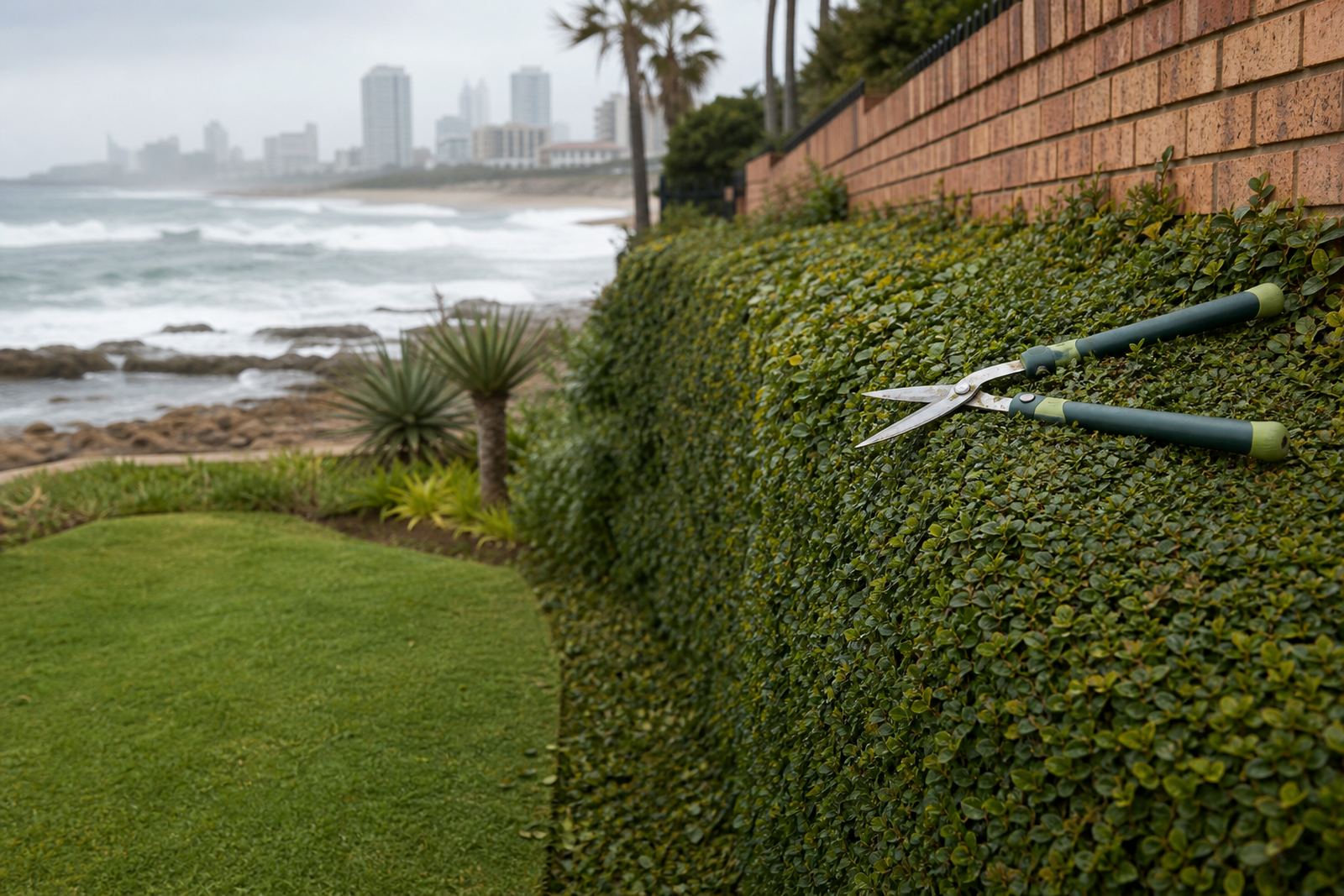
This project came from a private garden and light maintenance team in Gqeberha managing dense hedges on an exposed coastal property. The hedges bordered driveways, boundary walls and a small courtyard, so the finish had to be clean, straight and safe around paving, gates and irrigation points.
The brief was simple enough on paper: tame wind-swept growth, improve the shape, and keep the hedge line tight through the season. In practice the site had plenty of pressure points. Salt in the air had started to dull blades faster than expected, the hedge growth was mixed in thickness, and some sections had woody stems that would not cut cleanly with light tools. The client also needed tools that were comfortable enough for longer sessions because the work was being done over several mornings, not in one quick visit.
We discussed blade length, cutting capacity and handle grip before supplying tools suited to that type of site. For thin new growth, lighter pruning shears were fine. For older stems and fuller hedge faces, longer hedge tools and loppers made the job quicker and cleaner. It is the sort of task where the wrong tool makes twice the work, and on a windy site that gets old fast.
- Site type: exposed coastal residential garden
- Town: Gqeberha, Eastern Cape
- Hedge condition: dense, uneven growth with woody sections
- Main challenge: wind, salt air and mixed stem thickness
What we supplied for the cut and the clean-up
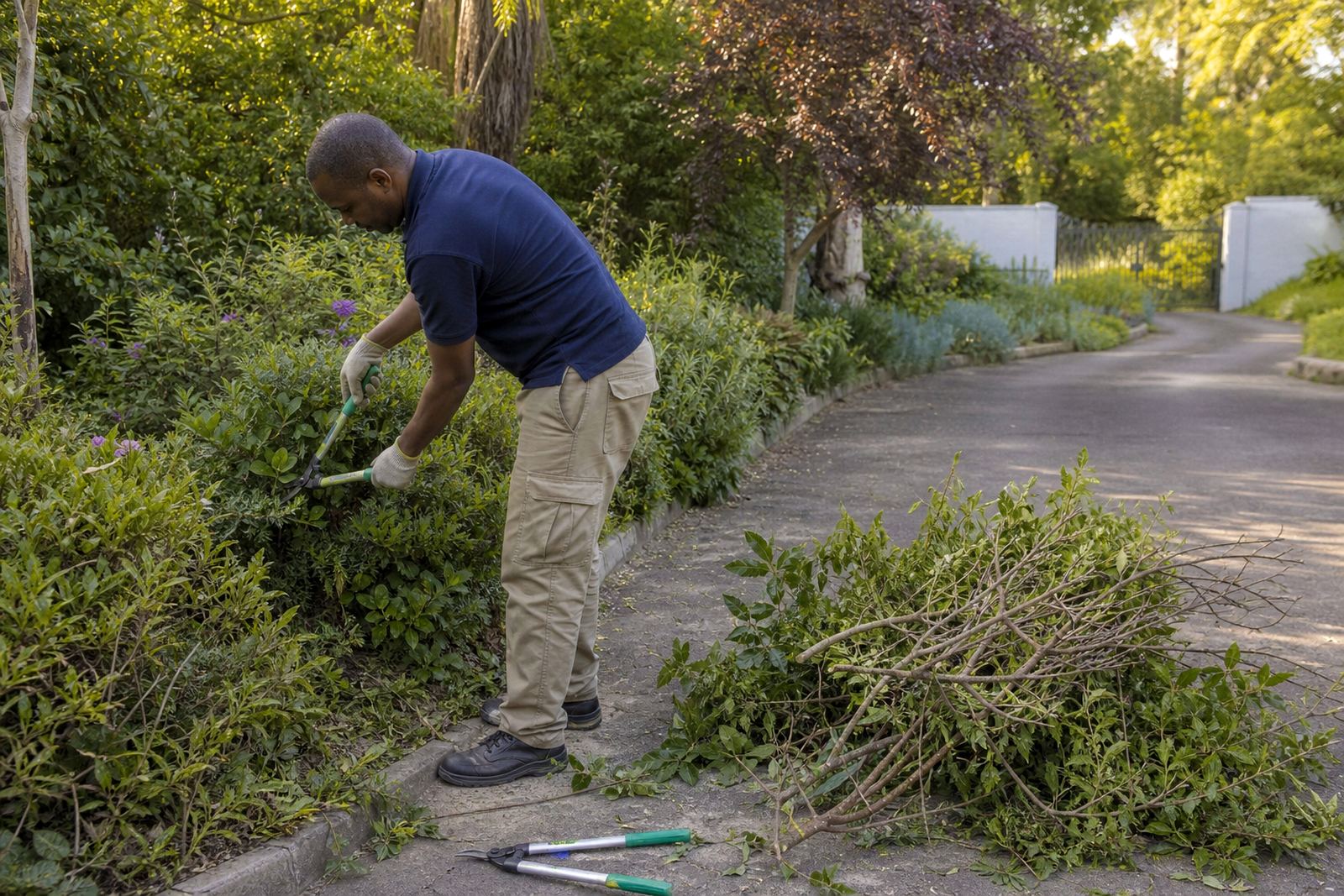
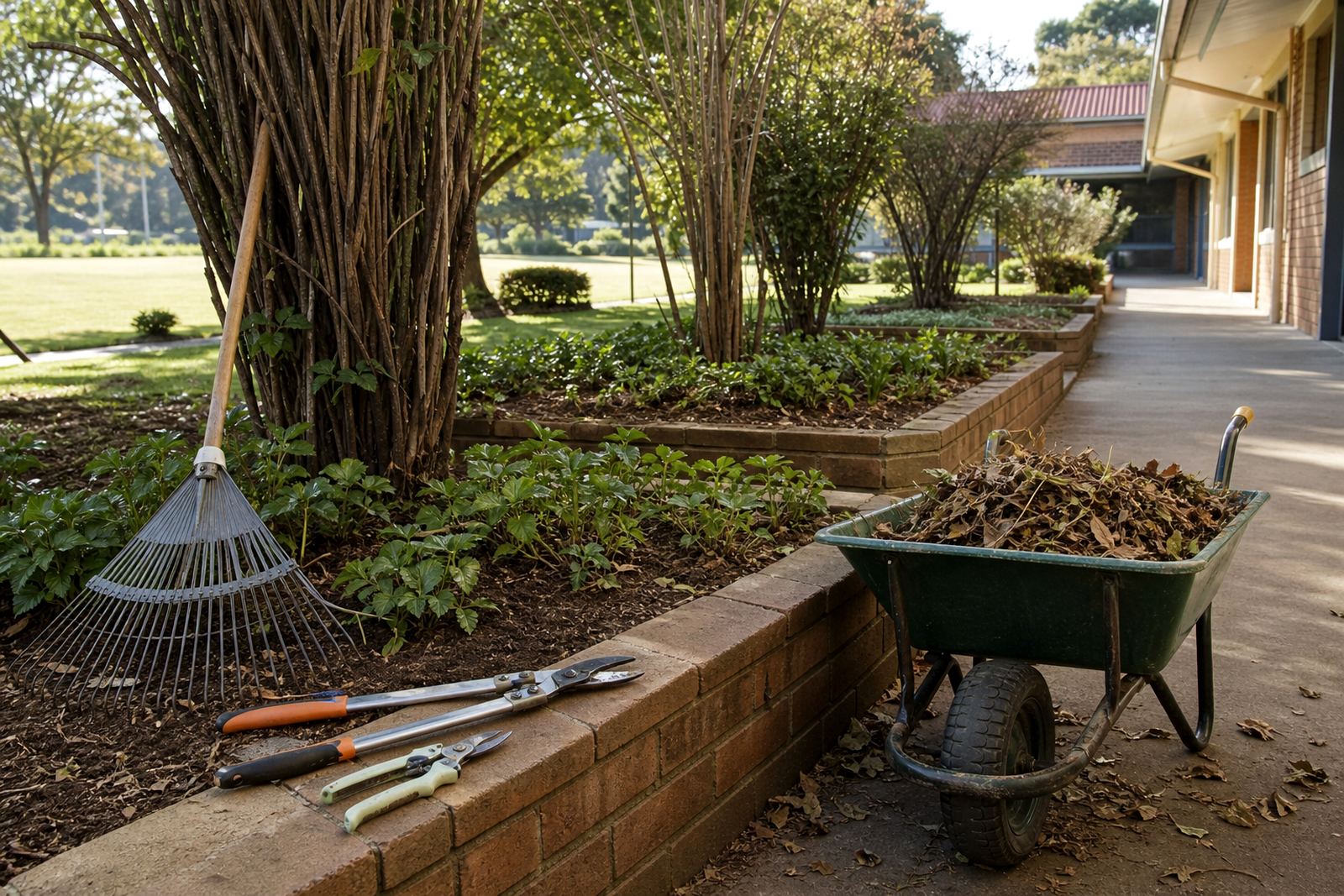
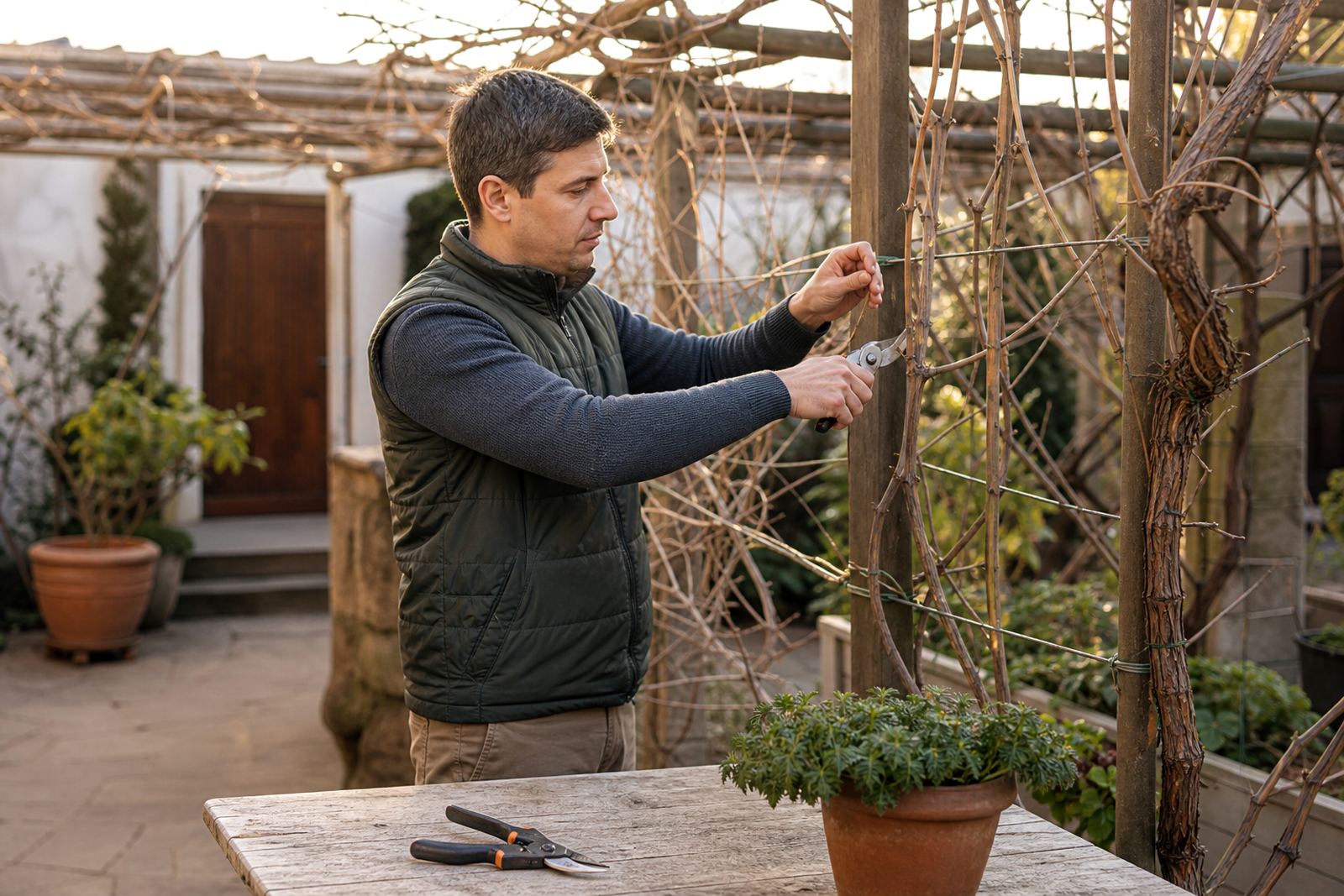
We supplied a mix of hand tools chosen for controlled cutting and easy handling. The pruning shears were used for fine finishing, tip reduction and detail work around corners. The loppers were used where stem thickness made hand shears too slow. Hedge tools handled the longer straight runs and face trimming, especially on the outer edges where the wind had pushed growth out of line. The aim was to keep every cut clean so the plants could recover properly rather than tearing and bruising the stems.
Because the site was close to the coast, we also paid attention to maintenance after use. Salt air can turn a good blade rough if it is left dirty. That meant regular wiping, light oiling and a quick inspection at the end of each session. It sounds basic, but it keeps tools cutting well and reduces the risk of sticky pivots or rust patches later on.
- Pruning shears for detail cuts and soft growth
- Loppers for thicker stems and stubborn points
- Hedge tools for long runs and straight faces
- Blade cleaning and rust prevention after each use
How the hedge shaping was carried out over three weeks
The work ran across three weeks so the hedges could be brought back in stages without overcutting the plant material. In week one, the worst wind damage and uneven growth were reduced. That gave the team a cleaner outline to work from. In week two, the hedge lines were squared up and the top growth was levelled. In week three, finishing cuts were made and weak or split stems were removed.
Staging the work helped with timing as well. Morning sessions were used where possible because the wind picked up in the afternoon. On some days the team had to stop and wait for a calmer gap before finishing the straight lines. That is common enough in coastal KwaZulu-Natal and the Eastern Cape, and it makes a difference to the final look.
The tools selected for the job had to stay comfortable in hand over long periods. Good grip matters when you are working around dense growth, and so does blade balance. A heavy tool can leave the finish uneven by the end of the day. We kept the setup practical, with enough cutting power for the thicker sections but still light enough for careful shaping.
- Week 1: reduce wind damage and open up the hedge face
- Week 2: level the tops and straighten the outer lines
- Week 3: finish cuts, tidy weak stems and inspect the result
The result: tighter lines and easier follow-up maintenance
By the end of the project, the hedges had a cleaner profile and the boundary lines looked far more settled from the street and the driveway. The client wanted a proper shape rather than a rough trim, and that was delivered. The dense sections were opened up enough to improve airflow, while the exposed faces were left neat and even.
Just as important, the maintenance burden dropped. With the hedge already cut back to a sensible line, later visits would need less force and less time. That means fewer ragged edges, less strain on the operator and less waste from repeated overcutting. In coastal conditions, a tidy first pass saves work down the line, especially when hedge growth comes back quickly after summer rain.
The team also noted that the tools held their edge well through repeated use after sharpening. That is where correct servicing pays off. A clean blade gives a cleaner cut, which is better for the plant and easier on the user. It also keeps the work moving when there is a lot of hedge to get through.
Servicing choices that made sense for a salt-air site
For exposed properties near the coast, we normally suggest a maintenance routine rather than waiting until tools are blunt. This job confirmed that approach. The client was able to keep the hedge tools in better condition by following a simple care schedule between sessions, which included cleaning, pivot checks and rust removal where needed.
We would use the same servicing approach again on another windy site in Gqeberha, Durban or any coastal suburb where salty moisture shortens tool life. It is not complicated, but it does need to be consistent. If blades are kept sharp and pivots set correctly, the cut stays cleaner and the operator can work with less effort. That matters when the hedge line is long, the day is warm, and the wind keeps changing direction.
- Routine blade sharpening after heavy hedge work
- Pivot adjustment for smoother action
- Grip replacement where hands need better hold
- Rust removal before storage in humid conditions
What we would do again on the next windy hedge job
We would repeat the same approach: start with a proper site assessment, choose tools by stem thickness and hedge length, and plan the work in stages rather than rushing it. That gives better control, a neater finish and less wear on the tools. For this kind of property, a measured plan beats brute force every time.
If the hedge is in a neighbourhood with close neighbours or municipal visibility, we would also set the work order around timing and clean-up discipline. Dropped clippings, loud early starts and untidy edges are what create complaints. A neat hedge job is not just about cutting plants. It is about leaving the property looking cared for and making the next service easier. That’s the kind of result the client in Gqeberha was after, and it is the same standard we would bring to the next one.
Key facts
| Project town | Gqeberha, Eastern Cape |
|---|---|
| Client type | Private garden and light maintenance team |
| Timeline | 3 weeks |
| Tools used | Pruning shears, loppers and hedge tools |
| Site conditions | Coastal wind, salt air, mixed stem thickness |
| Main outcome | Cleaner hedge lines with easier follow-up maintenance |