
The brief for a busy Johannesburg complex
The client was a residential body corporate managing shared gardens in Johannesburg, with lawn edges, screened walkways and planted beds around several apartment blocks. Their main need was simple: keep hedges neat, stop shrubs from pushing into paths and reduce the time spent on each round of maintenance.
The site had mixed planting and a fair amount of foot traffic, so the tools had to cut cleanly without tearing soft growth. The gardening team also wanted equipment that could handle repeated use through the week, because the same areas were being trimmed in sections rather than all at once.
Site conditions and the main constraints
Johannesburg weather can swing from dry heat to sudden rain, so the tools had to stay dependable across changing conditions. The gardens were exposed in some corners and shaded in others, which meant uneven growth and the occasional burst of softer shoots after watering. There was also regular pressure from load-shedding, so the team relied on hand tools rather than electric cutting equipment.
The access routes were narrow in places and the complex had parked cars close to the planting beds. That meant working with tidy cut lengths, controlled blade action and low disturbance. The team also needed tools that were comfortable for longer shifts, because repetitive trimming can become hard on wrists and shoulders if the grips are poor.
- Restricted access around parking bays and walkways
- Mixed hedge heights from 900 mm to about 1.8 m
- Frequent maintenance visits instead of one large cut-back
- Need for manual tools during outages and early morning work
What we supplied and how it was used
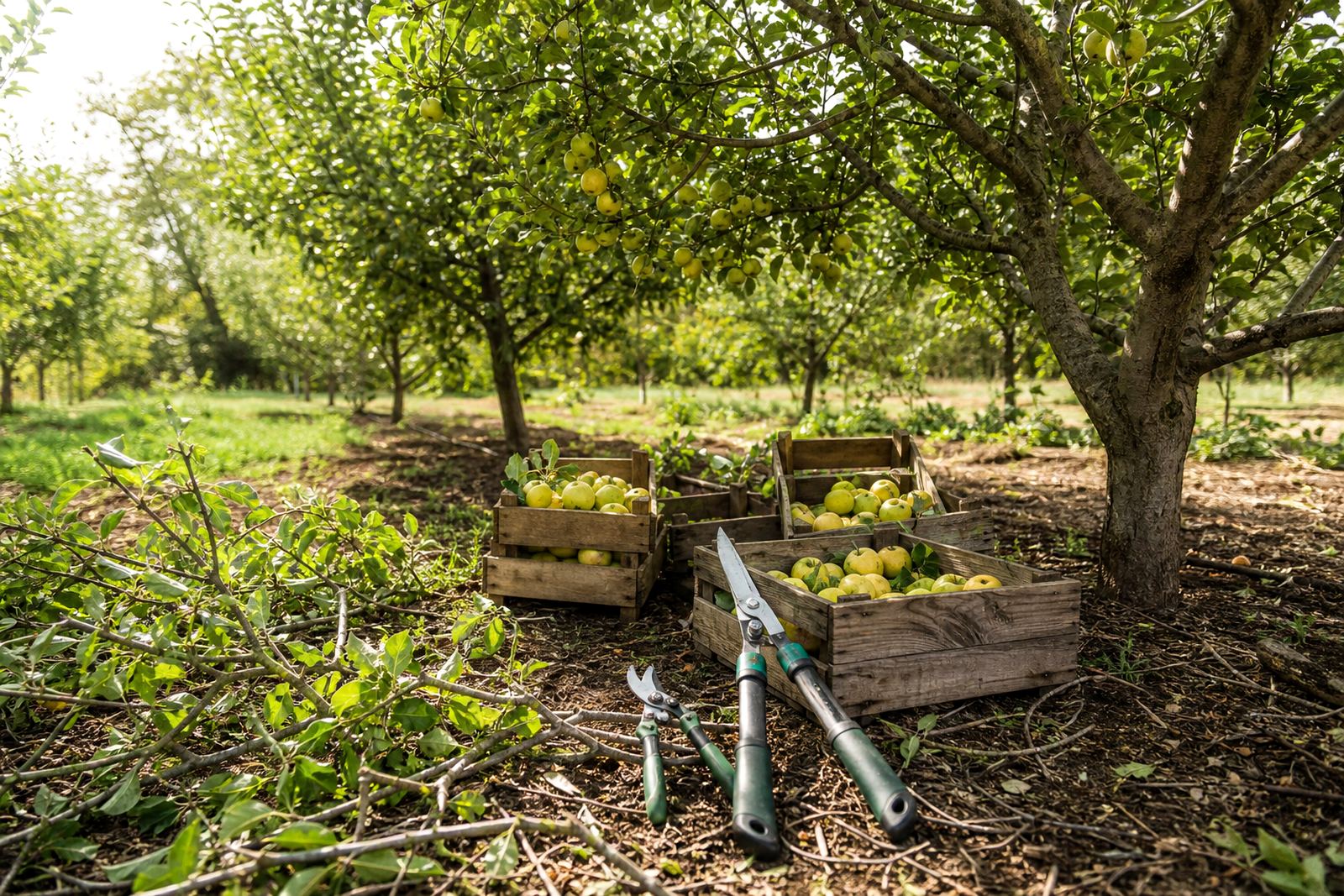
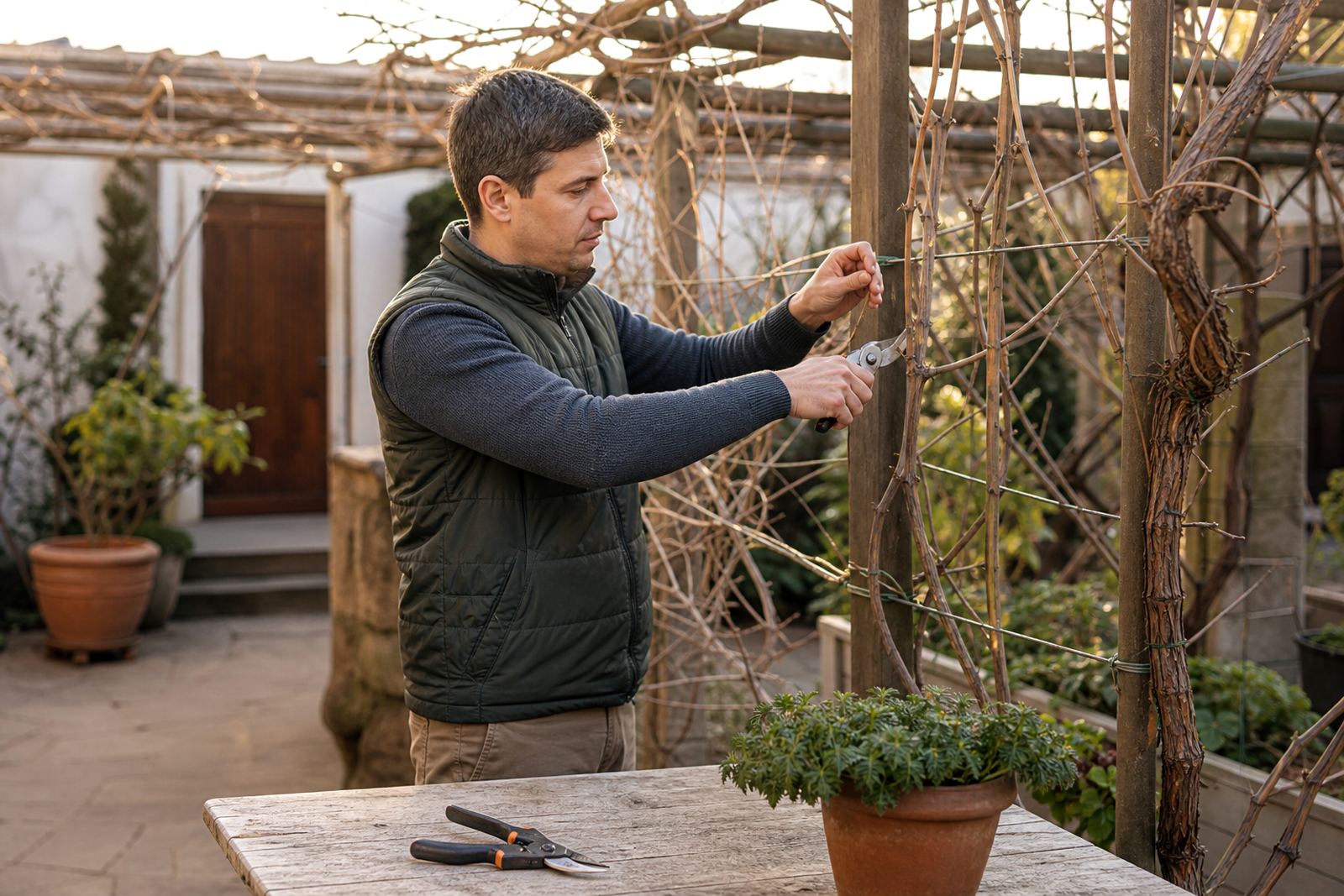
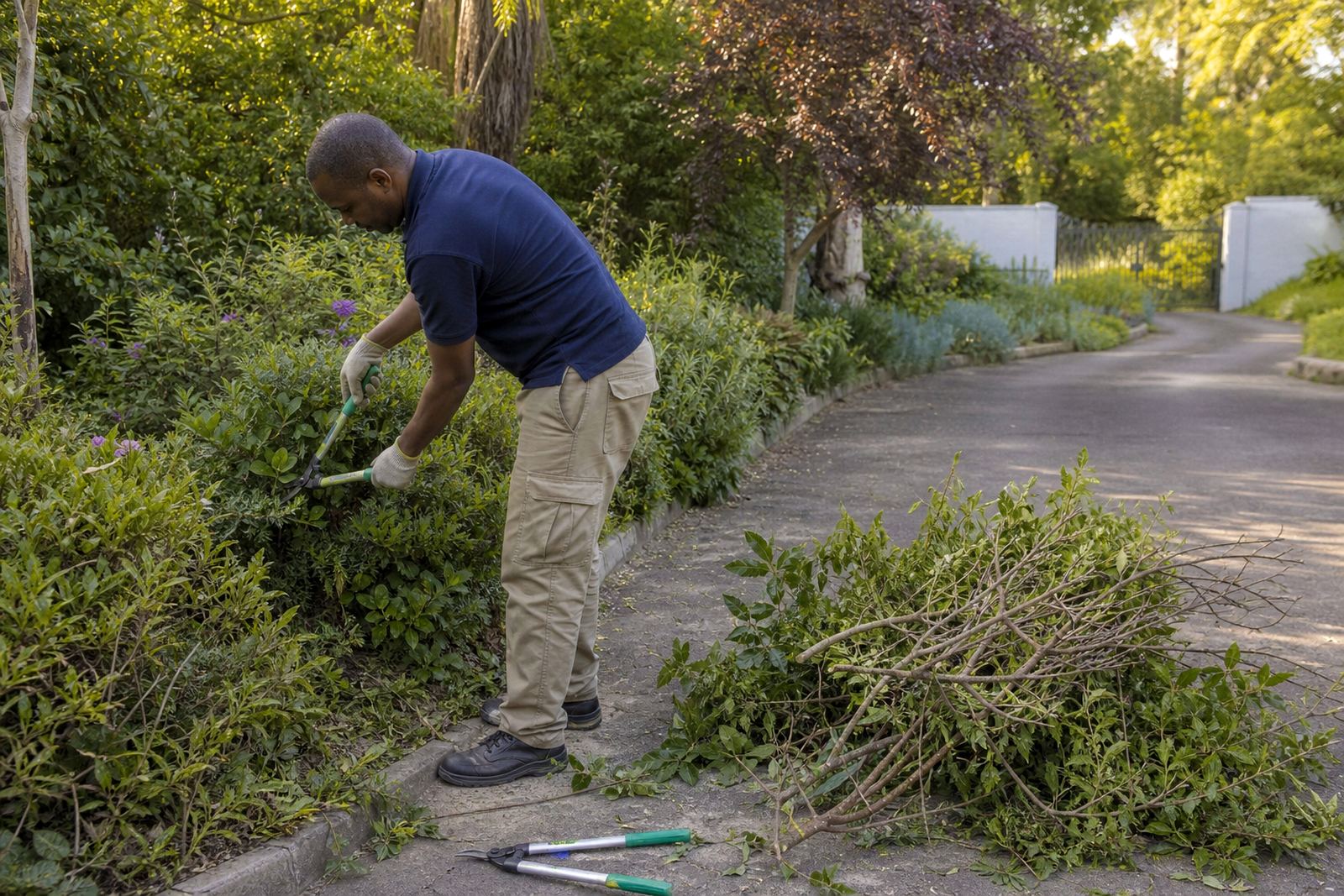
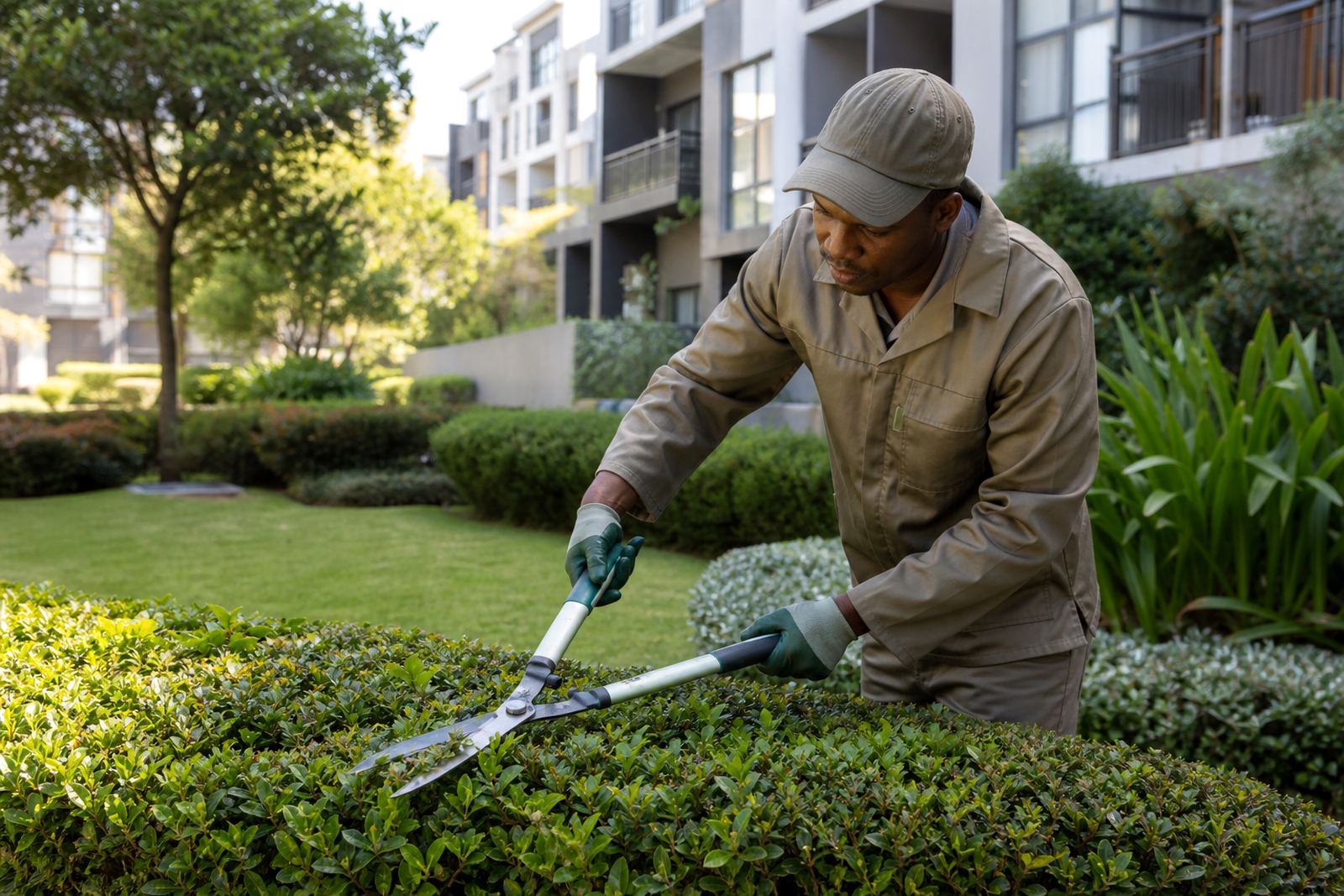
We supplied a working mix of garden pruning shears, loppers and hedge tools selected for regular residential upkeep. The pruning shears were used for fine shrub work and deadheading, while the loppers handled thicker stems and the hedge tools were used for shaping longer runs of screening plants. Each tool type had to offer clean cutting, steady balance and comfortable handling over a full shift.
The blades were chosen for straight, precise cuts that reduce bruising on stems. That matters in shared gardens because tidy cuts heal better and the plants keep their shape for longer. The handles were specified for grip control in warm weather and after rain, when gloves can become slick. In a few areas the maintenance crew also asked for servicing support to keep the pivot action smooth, especially after heavy dust and sap build-up.
- Pruning shears for detail work on shrubs and borders
- Loppers for thicker branches and overgrowth near walls
- Hedge tools for uniform shaping along long boundary screens
- Servicing support for blades, pivots, springs and grips
Service support that kept the team moving
Because the same crews returned week after week, the garden tools needed regular attention. We supported blade sharpening, pivot adjustment, spring replacement and deep cleaning so the cut stayed clean and the action stayed light. Rust removal was also part of the plan, since Johannesburg dust and moisture from watering can leave tools looking tired if they are not wiped down properly.
Parts fitting was used where needed, especially on tools that had been dropped or stored with soil still on the blades. A proper inspection routine helped the team catch loose screws, worn grips and bent cutting edges before they caused downtime. In a complex environment, one dull tool can slow a whole run of maintenance, so keeping the set in order saved time on site.
- Blade sharpening for cleaner cuts and less crushing
- Spring and grip replacement where wear had set in
- Inspection checks to catch damage early
- Deep cleaning after dusty or wet workdays
Timeline from first issue to settled routine
The project ran over four weeks from initial assessment to a settled maintenance routine. In week one, we reviewed the garden layout, the types of shrubs in use and the pressure points where growth was pushing into paths. Week two focused on supplying the correct tool mix and checking the handling needs of the team. By week three, servicing work had started on the most frequently used items, and the crew was reporting smoother cuts. In week four, the maintenance pattern had been bedded in and the team could move through the complex more efficiently.
The setup was practical rather than complicated, which suited the site. The team did not need oversized equipment or a lot of moving parts, just properly matched hand tools and a clear servicing routine. That kept the work predictable, even when weather or resident movement changed the day plan.
Results in the shared gardens
The main result was better control over hedge lines and shrub growth across the complex. Walkways stayed clearer, planting edges looked tidier and the maintenance crew spent less time fighting blunt blades. Cuts were cleaner too, which made the hedges look better between visits. The gardens were not transformed by one big intervention, they were simply easier to manage week after week.
The body corporate also had fewer complaints about overgrown sections near entrances and parking corners. Because the tools were easier to handle, the crew could work with more consistency and less fatigue. That matters on residential sites where the same tasks repeat and the standard has to stay high without wasting labour.
- Cleaner hedge lines along shared walkways
- Less time lost to blunt or sticky tools
- Better control of shrubs near entrances and parking areas
- More comfortable handling for regular maintenance crews
What we would do again on a similar site
For another Johannesburg complex with similar conditions, we would take the same approach: assess the growth type, match the hand tools to the work and keep a simple servicing cycle in place. We would also keep a spare set of cutting tools available for peak growth periods, because in summer the pace of trimming can change quickly after rain. For coastal sites the plan would shift slightly, with extra attention to rust protection, but the principle stays the same.
On shared residential properties, the right tool setup saves time and helps the gardens hold their shape for longer. That is especially useful in places where access is tight and the work has to be done around residents, parked cars and municipal waste days. It keeps the site orderly and the team working steadily, without unnecessary stop-start delays.
Key facts
| Project type | Shared residential gardens in Johannesburg |
|---|---|
| Tool mix | Pruning shears, loppers and hedge tools |
| Service period | 4 weeks |
| Main constraints | Narrow access, parked vehicles, load-shedding, mixed hedge heights |
| Support provided | Sharpening, servicing, spring replacement, grip replacement, inspections |
| Outcome | Cleaner cuts, tidier walkways and easier routine maintenance |