Client brief in Paarl’s rose-growing conditions
The client was a private garden owner in Paarl, Western Cape, looking after a sizeable rose planting that had become uneven after a heavy flowering run. The brief was clear: remove spent blooms, bring the beds back into shape, and keep the plants productive without stressing the new growth. Paarl heat, dry spells and strong afternoon sun meant the pruning had to be clean and measured, not rushed.
The garden needed work that would suit both the current flush and the next one. Beds were dense in places, with crossed stems, old flower heads and a few woody sections that were holding the shape back. The goal was to open up each plant so light and air could move through, while keeping enough structure to strenghten the next round of blooms.
Key site constraints and seasonal pressure
Rose beds in the Cape Winelands can go from full and healthy to tired-looking very quickly if deadheading is left too long. The main constraints on this project were access between the beds, the need to protect fresh buds, and the risk of bruising stems in the midday heat. We also had to work around water use and keep the tidy-up efficient, because the client wanted the beds looking neat without turning the area over for days.
- Hot, dry afternoons in Paarl with strong sun on exposed beds
- Mixed rose growth, from young canes to older woody stems
- Narrow working paths between established planting
- Need for clean cuts to reduce disease risk after pruning
- Ongoing watering schedule that could not be disrupted
Because roses are sensitive to rough handling, the cutting edges and grips had to be in top condition. Dull blades would have crushed stems and slowed recovery, which is the last thing you want when flowering cycles are being managed through the season.
What we supplied and how the work was carried out
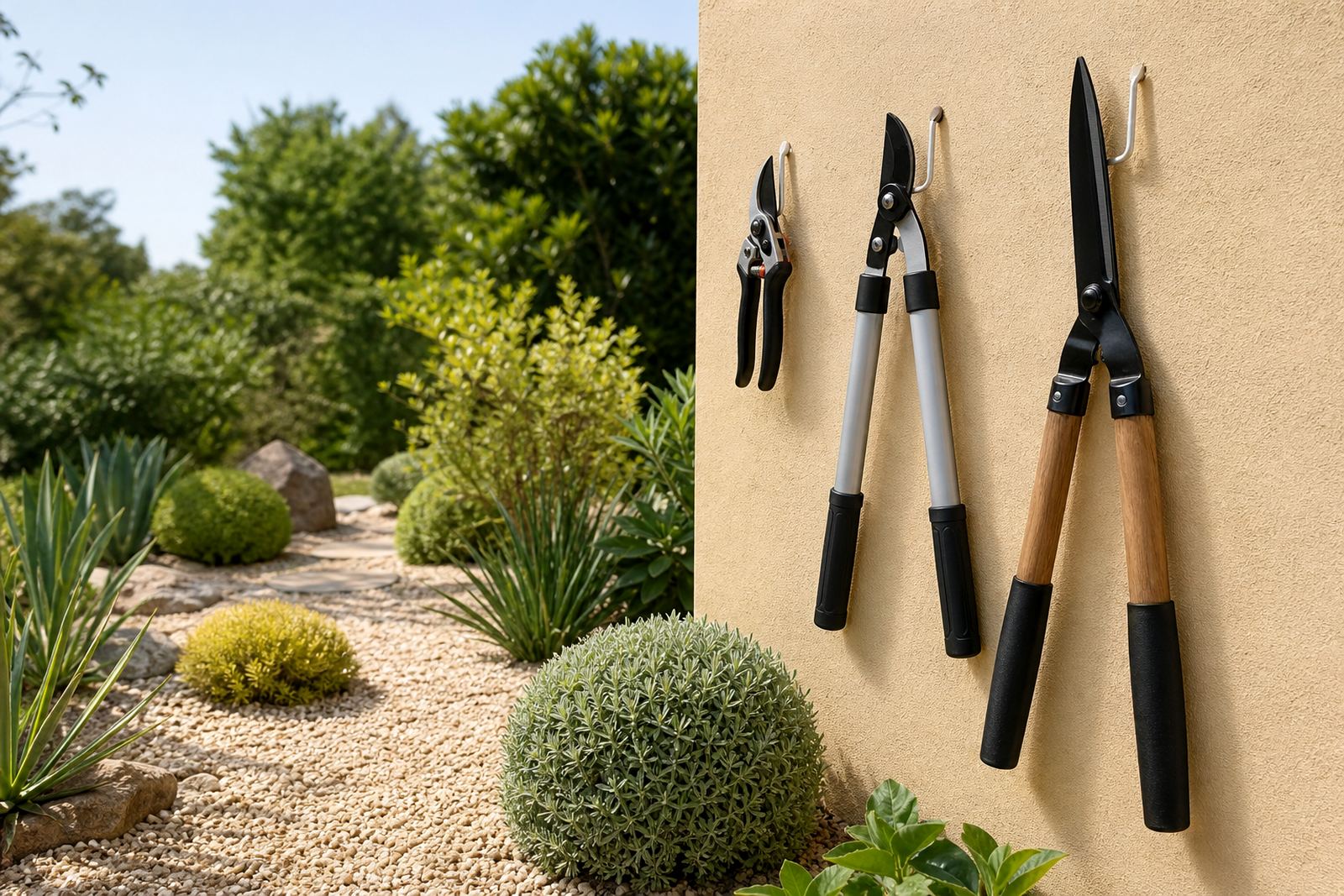
Cut Tools Garden supplied pruning shears, loppers and hedge tools suited to the scale of the beds. The shears were used for close deadheading and shaping around individual canes, while the loppers handled thicker woody sections and older stems that had to be removed cleanly. Hedge tools were used on the outer edges where the rose mass needed a neater line. All tools were checked for blade condition, pivot movement and grip comfort before work started.
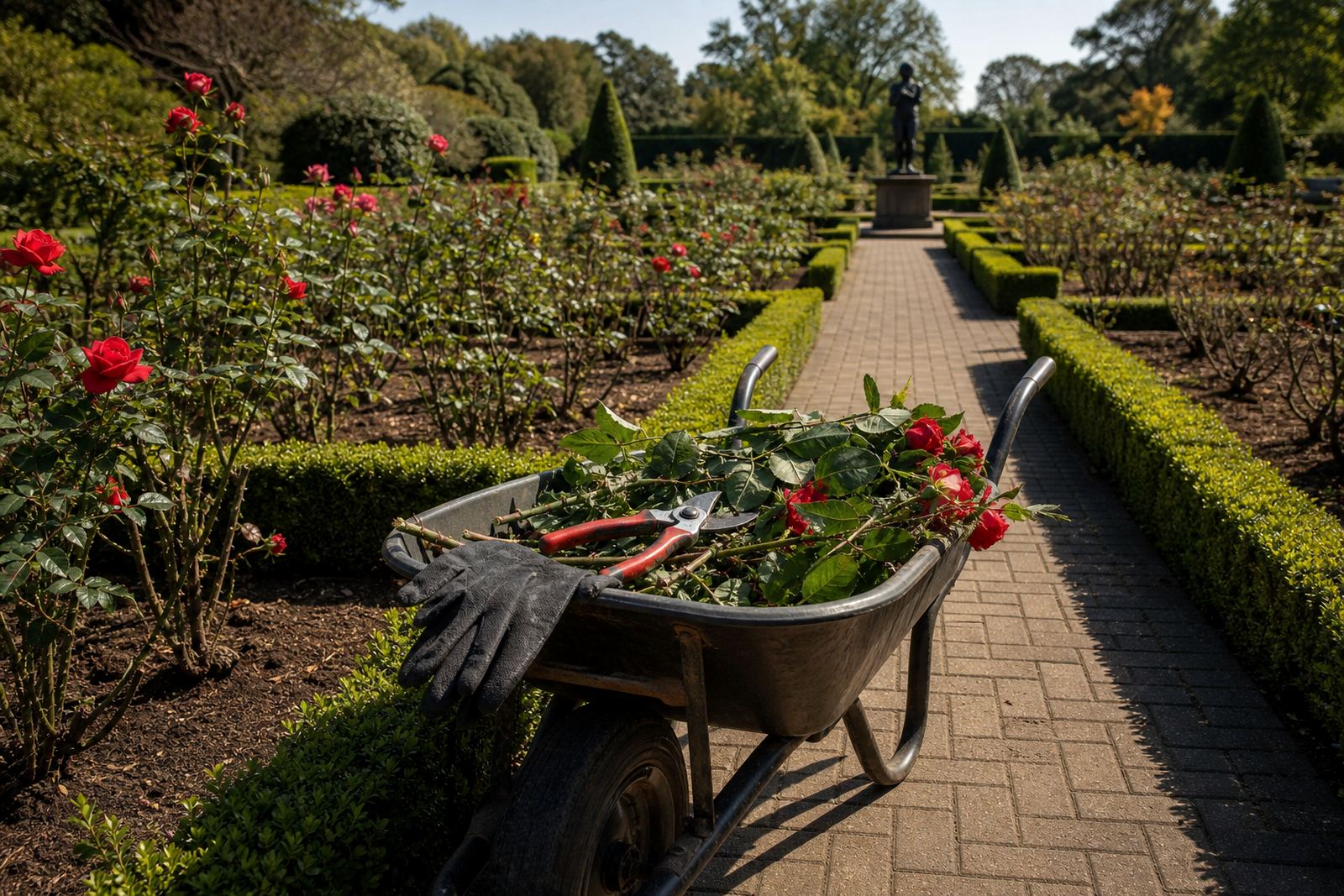
The team began with a full deadheading pass, cutting spent flowers back to healthy outward-facing growth. After that, we thinned congested sections, removed weak crossing stems and reshaped the edges so the beds read as one even planting again. Care was taken not to cut too hard into fresh growth, and every cut was made with clean edges to limit dieback and reduce the chance of fungal issues. A careful approach matters here, especially in humid coastal pockets of KwaZulu-Natal, but even inland gardens still benefit from the same discipline.
- Pruning shears for deadheading and fine shaping
- Loppers for thicker stems and old wood removal
- Hedge tools for edge control and bed form
- Tool inspection before and after use
- Blade cleaning and rust checks during the job
Project timeline and service interval
The full project ran over 2 weeks, with the first week focused on cutting back, deadheading and reshaping the heaviest sections. The second week was used for a follow-up check, fine trimming and final cleanup once the plants had settled back. That staggered approach allowed the garden to recover while still keeping the client in control of the overall look.
For rose beds of this size, we would normally recommend a deadheading and inspection cycle every 7 to 14 days during peak flowering, then a lighter maintenance pass every 3 to 4 weeks once growth slows. In summer heat, checking the beds more often helps avoid wasted energy on fading blooms and keeps the next flush moving. The service plan was kept practical, with no unnecessary cutting and no long gaps between attention to the plants.
Results after reshaping and deadheading
By the end of the job, the beds were visibly more open and balanced. The rose plants had clearer structure, fewer spent heads, and a better chance to channel energy into fresh flowering shoots. The client also gained easier access for watering, feeding and future inspections, which matters when a bed is large and tightly planted.
The finished result was not just tidier, but more workable for the next few weeks. The roses looked less crowded, the edges sat straighter, and the beds had a more deliberate form. That makes a difference for both display and plant health, because a clean, airy bed is easier to maintain and less likely to trap disease or hidden pests.
- Cleaner flowering cycle after spent blooms were removed
- Better airflow through dense sections
- Stronger bed shape for repeat maintenance
- Reduced stem clutter around the centre of each plant
- Improved access for ongoing watering and feeding
What we would repeat on the next rose project
If we were called back to a similar rose bed in Paarl, we would use the same measured approach and keep the work split into a first structural cut followed by a review visit. That method gives better control over flowering and avoids taking too much off in one go. We would also keep blades sharp throughout the job, because rose stems show any poor cut immediately.
For larger gardens, we would also recommend a tool care check before the season turns hot, including blade sharpening, pivot adjustment and rust removal if the tools have been stored through winter. In gardens where load-shedding affects the routine, hand tools that are clean, comfortable and ready to use make a proper difference. The result is less strain on the gardener and better work on the beds.
Key facts
| Project location | Paarl, Western Cape |
|---|---|
| Client type | Private garden owner with established rose beds |
| Scope | Deadheading, reshaping, thinning and edge control |
| Timeline | 2 weeks total with follow-up visit |
| Tools used | Pruning shears, loppers and hedge tools |
| Outcome | Stronger flowering cycles, cleaner bed structure and easier ongoing care |