When vine training cuts become part of the job
Vine training cuts are not the same as general shaping. You are guiding the plant to grow where you want it, then removing the shoots that fight the structure. In Pietermaritzburg and the coastal belt, strong spring growth can send runners across gutters, fence tops and courtyard rails in just a few weeks, so it helps to work early and often.
For young vines, the aim is to select a few healthy shoots and keep the rest out of the way. On established covers, the work is usually about thinning, shortening, and taking out growth around brackets, posts and tension wires. A clean cut lets the plant heal faster and reduces the chance of split stems or ragged ends.
Typical tool set for climbers and support work
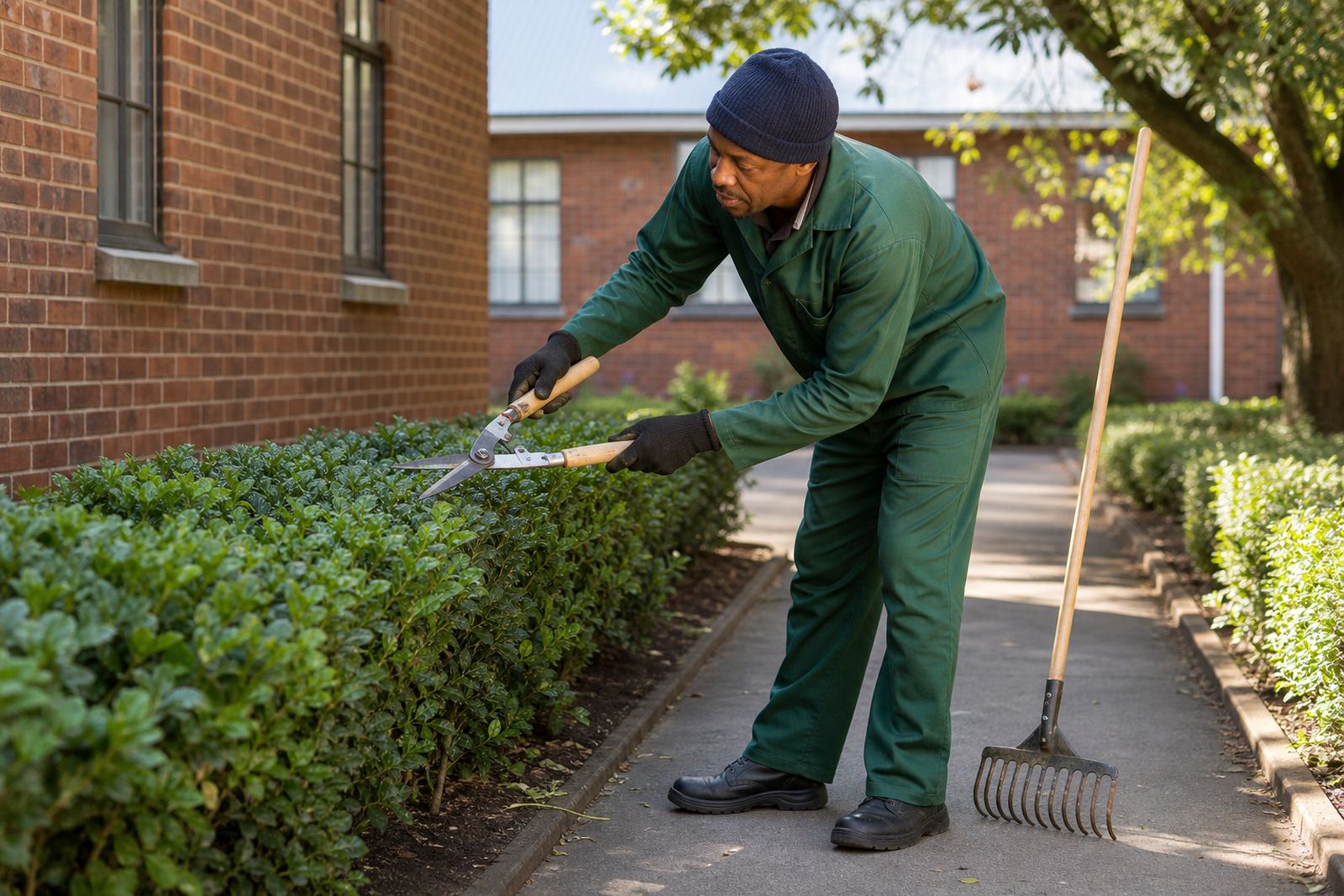
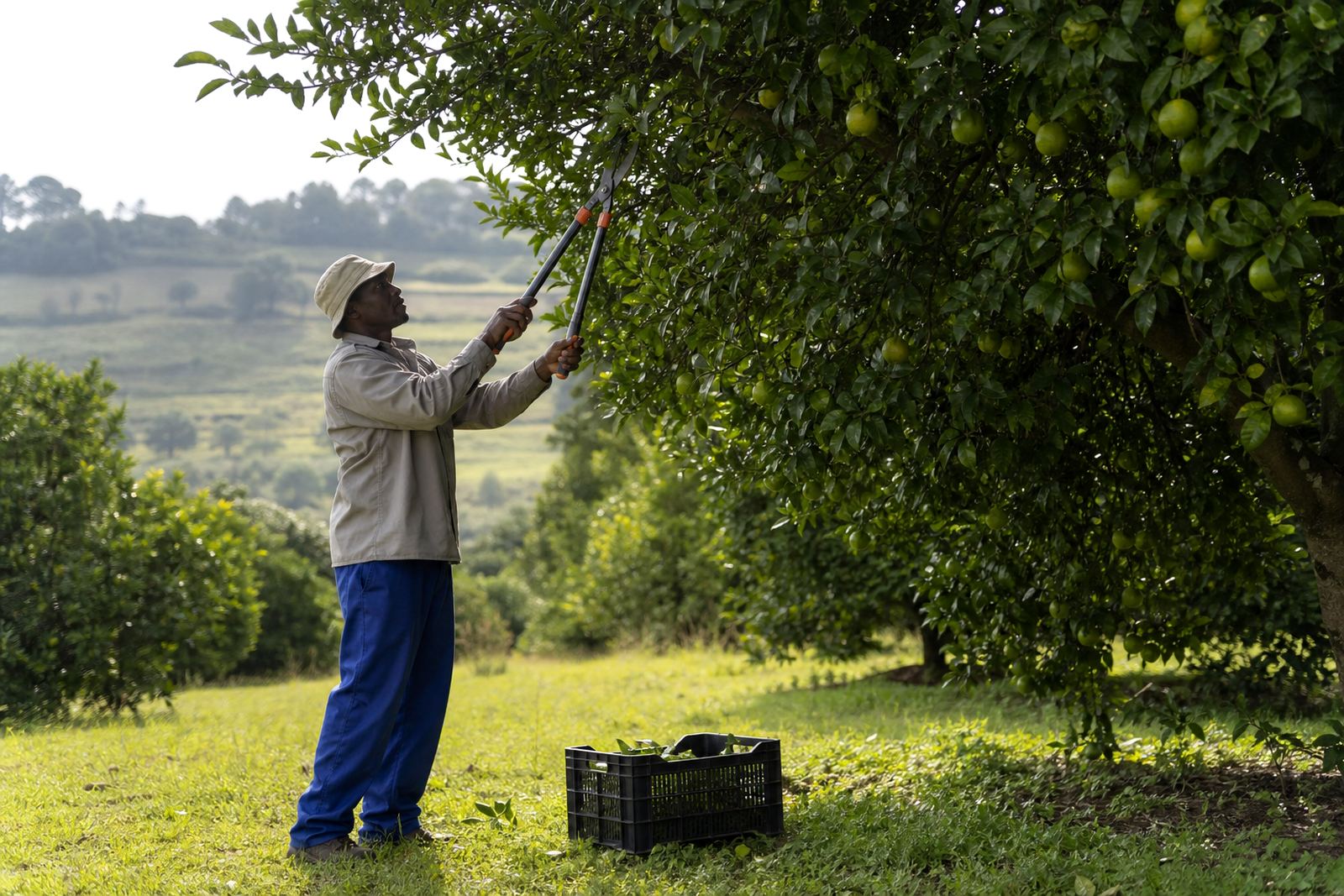
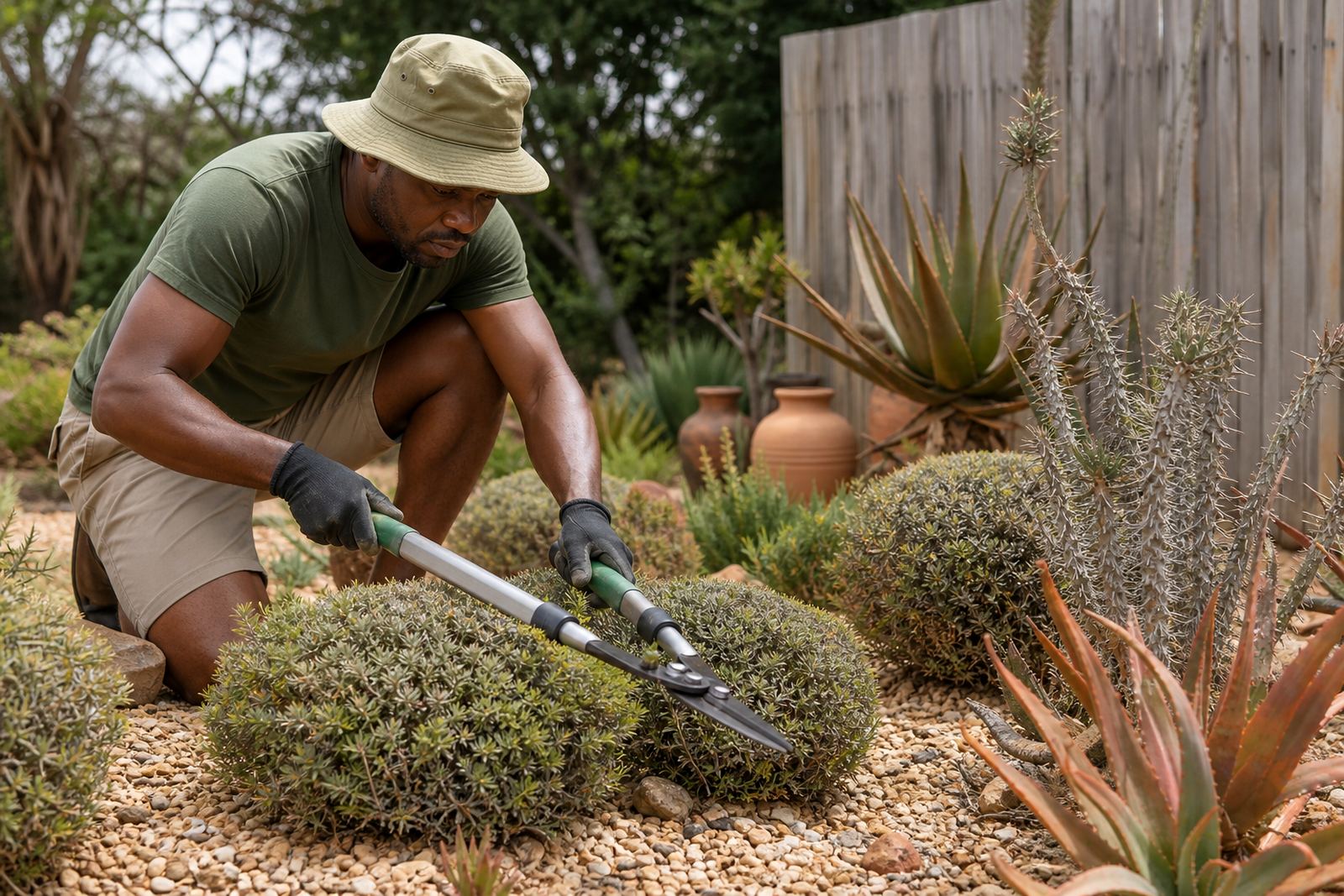
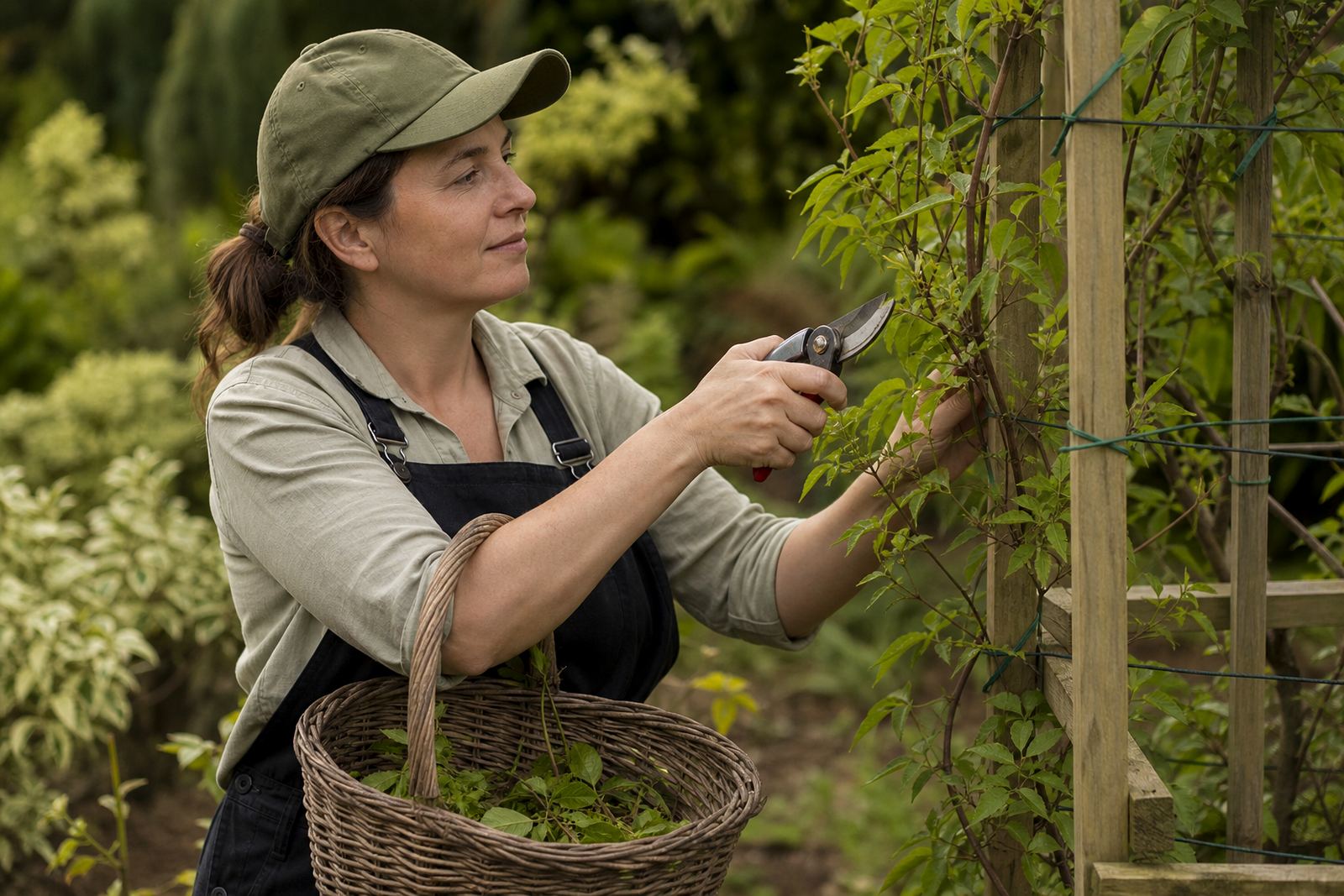
Most vine training jobs can be handled with a small, well chosen kit. Light bypass secateurs suit green shoots and fine shaping. Long handled loppers help when a stem has hardened off a bit or sits just beyond arm reach. Hedge tools are useful for trimming broad face growth along pergolas, screens and boundary plantings where you need an even line.
- Bypass secateurs for soft growth and precise cuts near buds
- Loppers for thicker shoots, usually around 20 mm to 35 mm depending on the tool
- Hedge shears for levelling soft top growth and stray side runners
- Gloves with grip for wet mornings, coastal humidity and thorny sections
- Bucket or trug for cut material so paths and paving stay clear
If you are maintaining vines on a larger property or doing several units in one day, having more than one cutting tool on hand saves time. It also helps to keep one pair dedicated to clean fine work and another for tougher stems so the blades stay in better condition.
Layout and planning before the first cut
Before cutting starts, walk the line of the vine and look at the support system. Check where the main stem is tied, where laterals are crossing and which growth is shading fruiting wood or blocking access. On shared boundaries and body corporate properties, it is wise to confirm where the legal cut line sits so you do not trim beyond the agreed area.
Think in zones. First remove damaged, rubbing or diseased growth. Then clear the support points, the corners, and the section closest to foot traffic. Lastly, even out the visible face. That order keeps the structure stable and prevents over-cutting. If the vine is close to walls or painted timber, leave enough air movement for drying after rain and morning dew.
- Work from the inside out, not only from the outer edge
- Leave selected shoots in place for future training
- Keep cuts just above a node or bud, not far above it
- Step back every few minutes to check balance and symmetry
Common mistakes that make training harder
The biggest mistake is cutting too much at once. A vine that has been cleared hard can respond with a flush of weak growth, then becomes harder to control the following month. Another common error is using blunt blades. Crushing the stem instead of slicing it cleanly slows recovery and can leave the plant open to rot, especially in damp coastal conditions.
People also tend to ignore tool size. Using a hedge tool on stems that should be cut with secateurs can tire the hands fast and gives an untidy finish. The opposite is just as bad, trying to force small tools through woody growth. And if the grips are loose or the pivot feels rough, control drops quickly. That is where servicing matters more than many gardeners expect.
Budget ranges for home gardens and site crews
For a simple home setup, budget around R350 to R900 for a reliable pair of secateurs and a set of light loppers. Add R250 to R700 if you want hedge tools for broader training work. A small garden can often be maintained without spending much more than that, provided the blades are kept sharp and the pivots are adjusted properly.
For landscapers, estates and maintenance teams working across several sites in Durban, Johannesburg, Pretoria, Cape Town or Gqeberha, a practical kit usually sits between R1 200 and R3 500 per crew member depending on handle length, blade quality and spare parts needs. If the work includes regular servicing and replacement grips or springs, it makes sense to keep a little extra in the maintenance budget instead of waiting for failures in the middle of a busy week.
Keeping tools ready through the growing season
Vine work is easier when tools are kept clean between visits. Remove sap and moisture after use, then store the blades dry. In humid weather or near the coast, a light rust film can appear faster than expected, so regular wiping matters. In winter, check for spring tension and pivot play before the main pruning round begins.
For customers who manage larger garden routes, our servicing options help keep tools dependable through the season. Blade sharpening, spring replacement, pivot adjustment and deep cleaning all make a difference. A well cared-for pair of secateurs can stay accurate for months, and that saves time on every support line and fence run.
- Clean sap off the blades after each job
- Oil the pivot lightly if the action starts to feel stiff
- Replace grips before hand fatigue starts setting in
- Book inspections before peak growth periods, not after breakage