Keeping school gardens tidy through the term
School gardens are usually maintained by a mix of grounds staff, teachers, learners and volunteers, so the tool set has to be easy to use and forgiving. The aim is not heavy-duty clearing every week, but regular trimming that keeps pathways open, shrubs in shape and planting beds neat for lessons, assemblies and community events.
In Pietermaritzburg and other inland towns, growth can move fast after summer rain, while coastal schools in Durban, Gqeberha and nearby areas deal with salt air and faster rust on poorly stored tools. Good school garden care starts with tools that cut cleanly, feel balanced in the hand and can be serviced before they become a problem. That saves time and keeps the grounds looking cared for without turning it into a full day job.
- Use lightweight pruning shears for small branches, roses and soft growth.
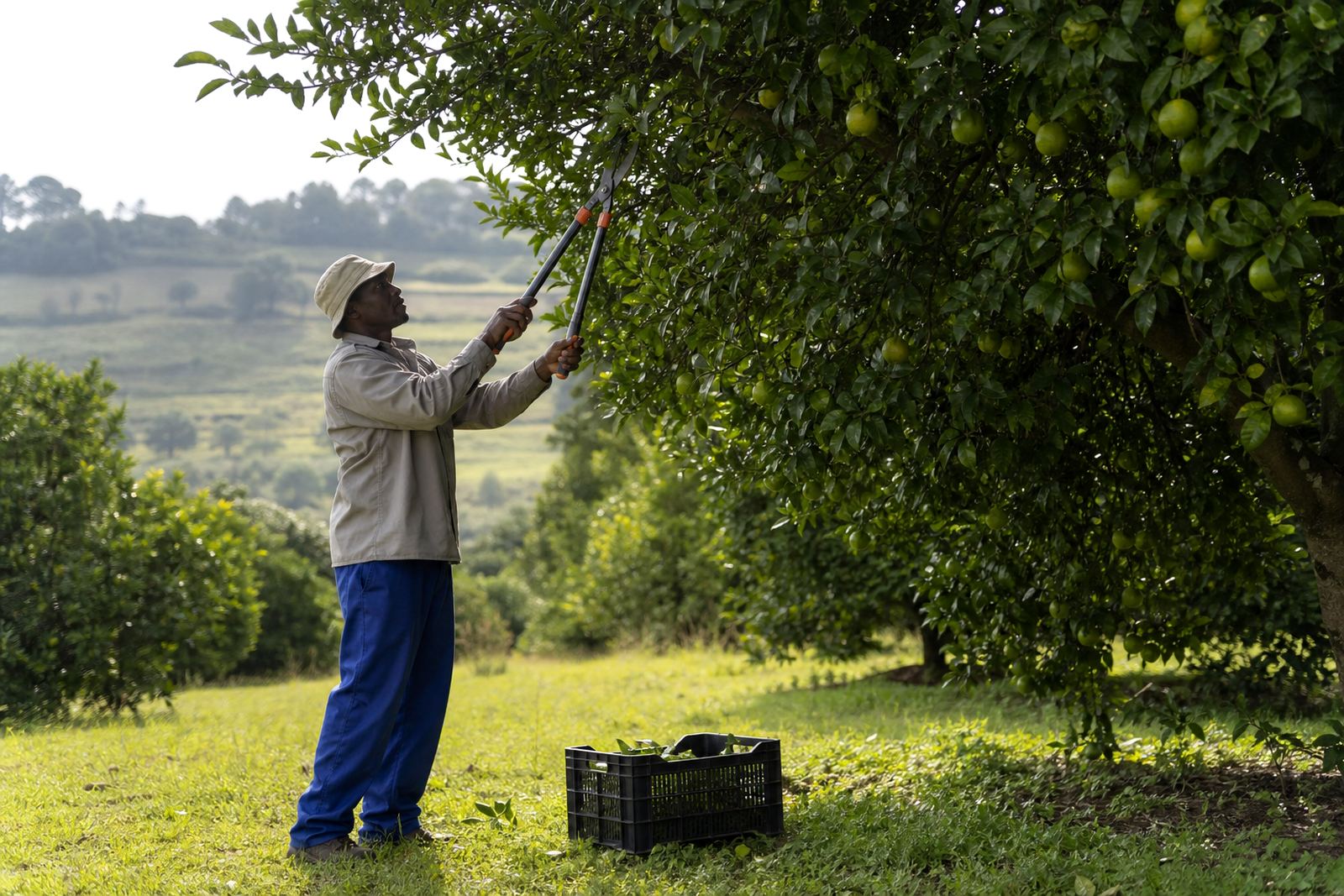
- Keep loppers for thicker stems on shrubs and small trees.
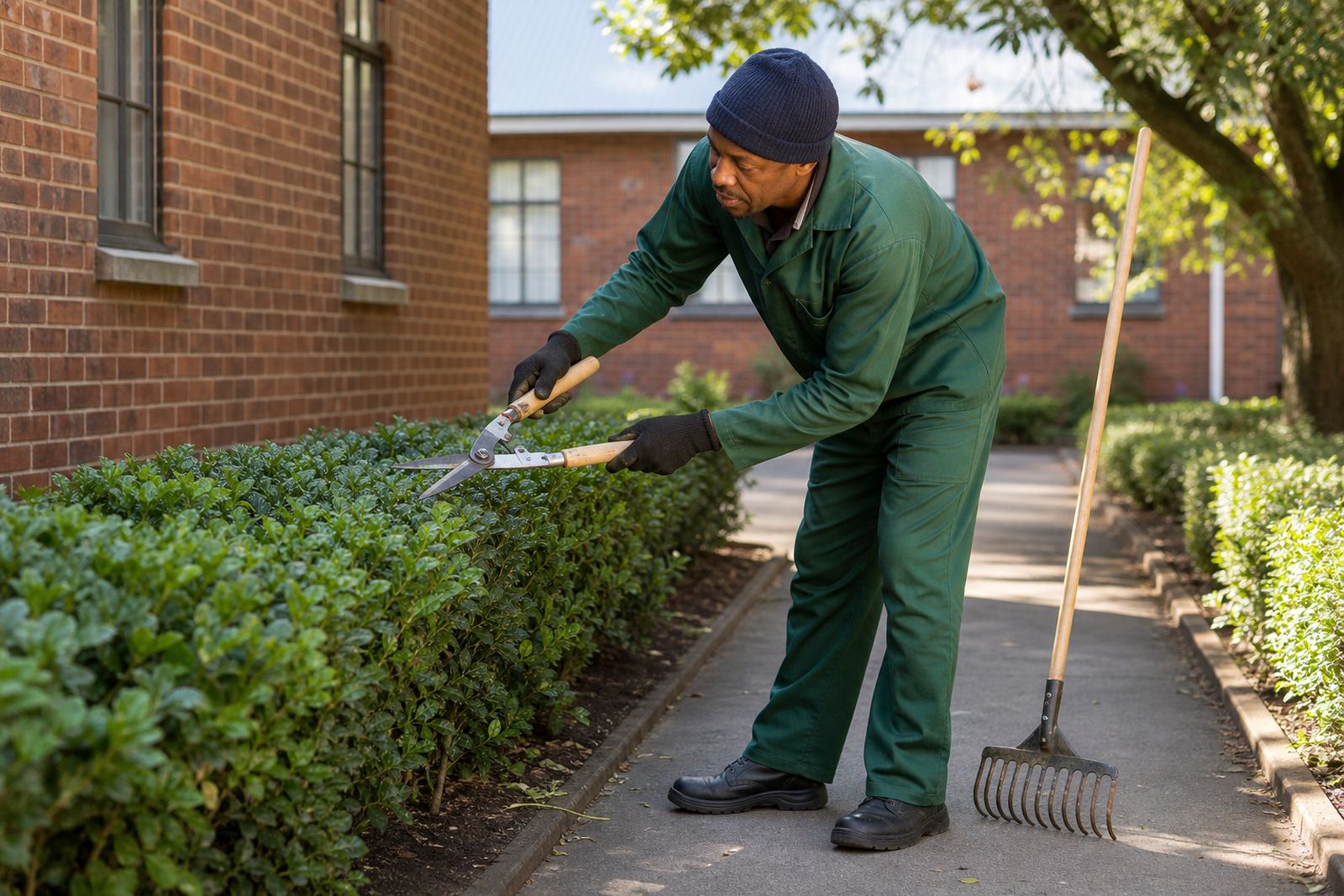
- Use hedge tools for neat edges on hedges and screening plants.
- Store tools in a dry cupboard or locked storeroom after each use.
A practical tool set for school grounds teams
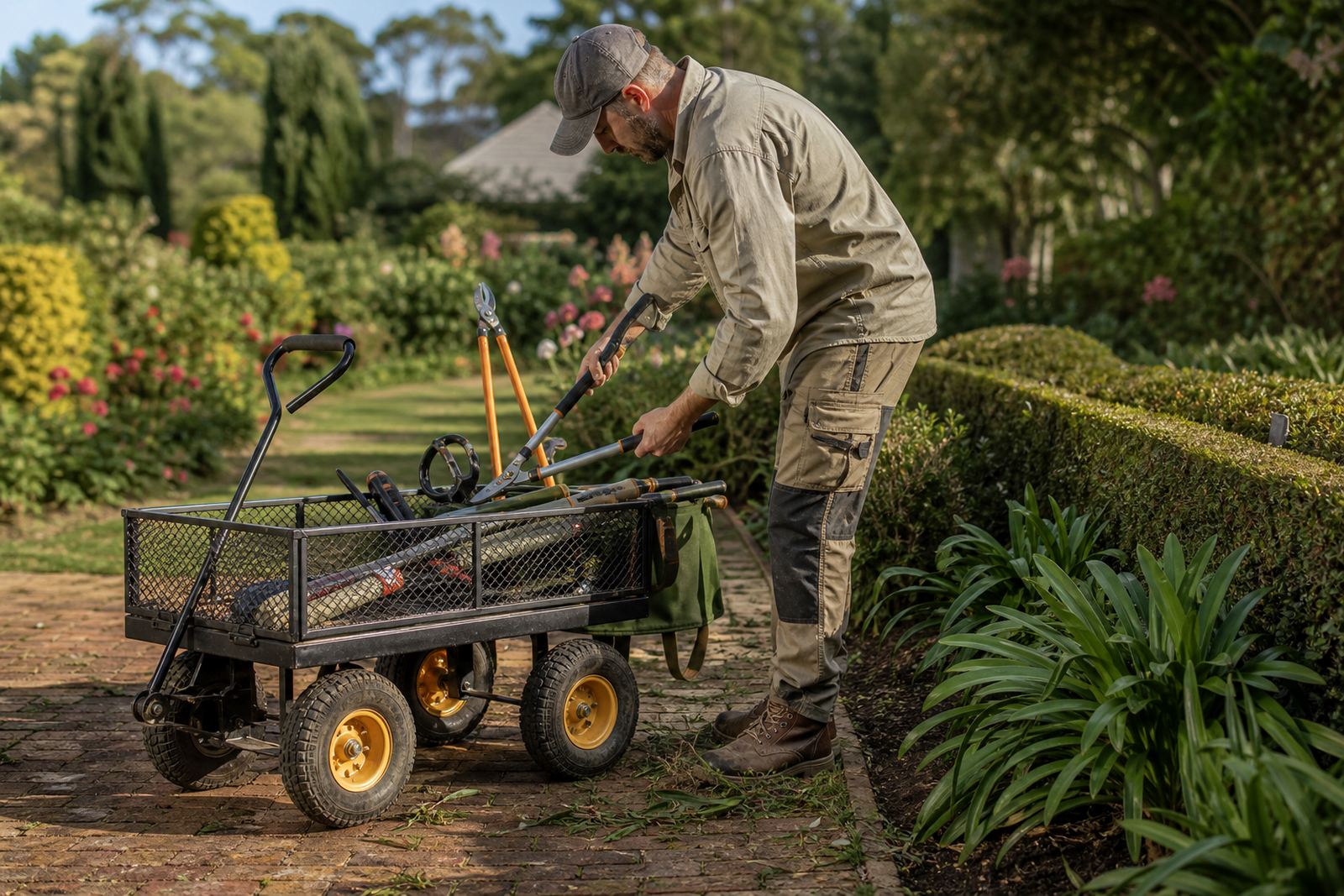
A school garden does not need a huge equipment list. A compact set usually covers daily trimming, seasonal shaping and quick cleanup before visitors arrive. For most schools, the right starting point is a few pairs of pruning shears, two or three loppers, and hedge tools sized for the people who will actually use them.
For mixed-use schools, it helps to choose tools with comfortable grips and simple locking mechanisms, especially where younger learners assist under supervision. If the garden team also handles sports field edges or perimeter planting, a longer handled lopper can reduce bending and strain. Jason and the operations team often see that schools do better when the kit matches the staff count and the size of the grounds, not just a shopping list from one season.
- Pruning shears for small shrubs, flowers and herb beds.
- Loppers for branches that are too thick for hand shears.
- Hedge shears or hedge trimmers for formal lines and boundary hedges.
- Spare springs, pivot parts and grips for regular servicing.
Layout advice for neat, safe school gardens
Good layout makes school garden care easier and safer. Paths should stay clear, beds should be reachable from both sides where possible, and taller shrubs should not block sight lines near gates, walkways or play areas. In schools with limited staff, a simple layout can reduce pruning time every week and make the whole space look more organised.
It is also worth thinking about where tools will be used and where they will be washed down after the job. A water point near the garden helps, but if that is not available, a bucket station and a dry storage point can still work well. In coastal areas, a quick wipe-down after use matters a lot, because the salt in the air can start surface rust faster than many schools expect. Learners can help with sweeping and light pruning, but the cutting tools should stay in adult hands.
- Keep wider access paths for wheelbarrows and refuse bags.
- Group plants by height so trimming is easier to manage.
- Place thorny or dense plants away from high-traffic walkways.
- Plan storage close to the work area to cut down on carry time.
Common mistakes schools make with pruning tools
The most common mistake is buying tools for one big job and then leaving them in service for the whole year without sharpening or inspection. Blunt blades tear plant material, make work slower, and can lead to sore hands and poor cuts. Another issue is buying too few tools, which means everyone waits their turn and the job drags on.
Schools also tend to overlook maintenance between terms. Springs lose tension, grips loosen, and pivots collect dirt. If the tools are not cleaned and checked, they become harder to use and less safe. We often see rust on tools that were put away wet after a Saturday volunteer day. A small service plan can prevent those problems and keep the kit ready for the next busy period.
- Do not leave tools outdoors or in damp storerooms.
- Do not use one tool for every cutting task.
- Do not wait for a blade to fail before servicing it.
- Do not let learners handle cutting tools without supervision.
Budget ranges for school garden care in Rand
Budgeting depends on the size of the grounds, the number of staff using the tools, and how often the school trims hedges or shrubs. A small primary school with light upkeep may only need a basic starter set, while a larger campus or boarding school may need more items and regular servicing. For many schools, it makes sense to plan both a once-off purchase and a small yearly maintenance allowance.
As a guide, a basic school garden care kit can start from about R900 to R2 500 for essential hand tools. A more complete set for a larger site can run from R3 500 to R8 500, depending on quantities and handle style. Service work such as blade sharpening, spring replacement, grip replacement and rust removal is usually far less than replacing worn tools, so a budget of a few hundred Rand every term can go a long way. For schools in Durban and other humid areas, that servicing line item matters more than many people realise, and it can save the team from surprise breakages right in the busy season.
Why schools across South Africa ask for serviced tools
School grounds are shared spaces, so the tools need to be predictable and easy to maintain. When the same shears cut smoothly term after term, staff can focus on shaping the garden rather than fighting sticky blades or loose pivots. That is especially useful where grounds care is shared between a caretaker, an outside contractor and a volunteer team.
Cut Tools Garden supports schools from Pietermaritzburg, Hilton, Howick and the wider KZN area through to Johannesburg, Pretoria, Cape Town and Gqeberha. The team includes Sibusiso Mthembu, Nokuthula Zondi, Jason Naidoo, Lerato Khumalo, Megan van Wyk and Themba Dlamini, with tool care and dispatch handled from Mkondeni. Clients reach us through the enquiry form on the contact page for product guidance, servicing needs and fleet care plans for multi-site education groups.