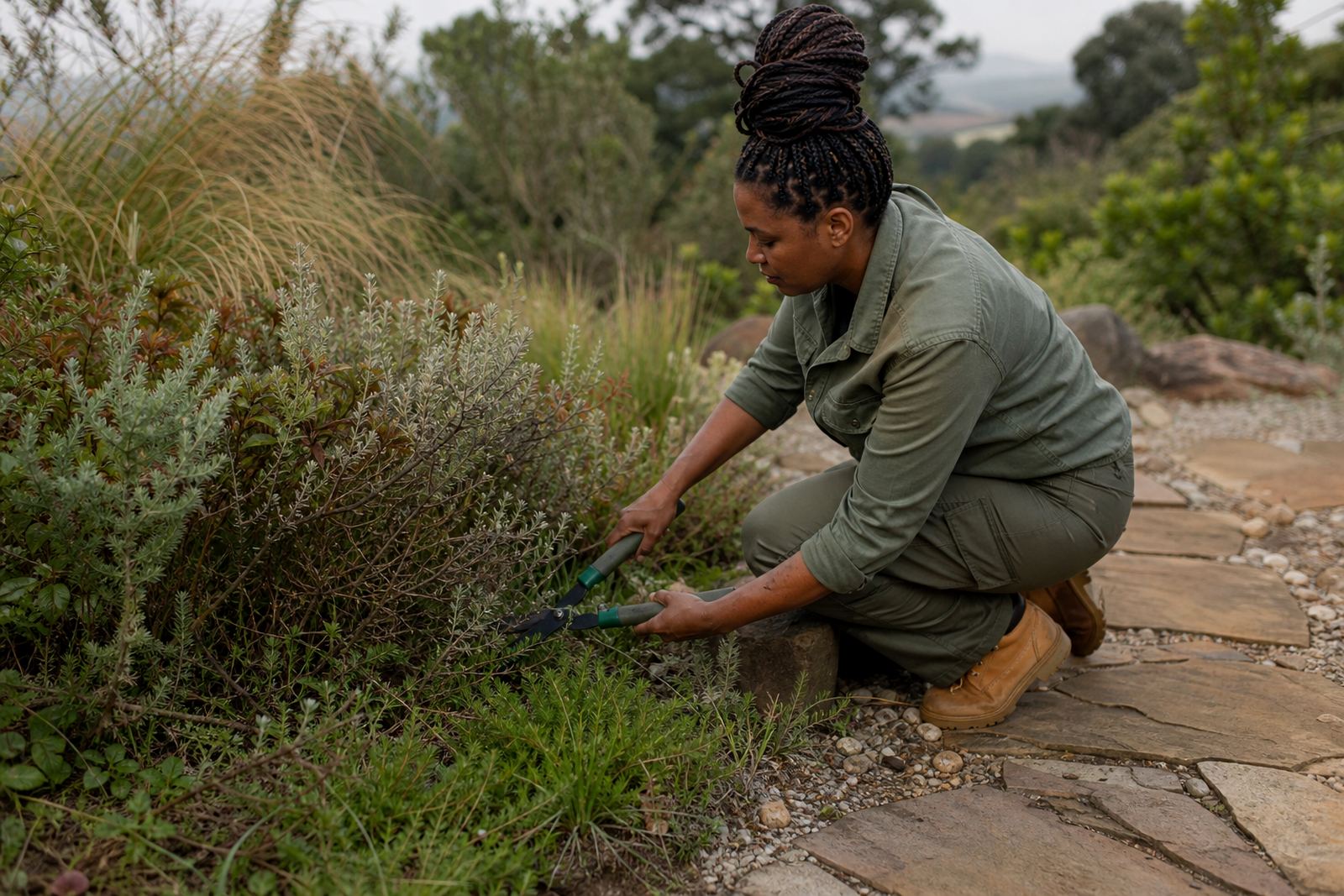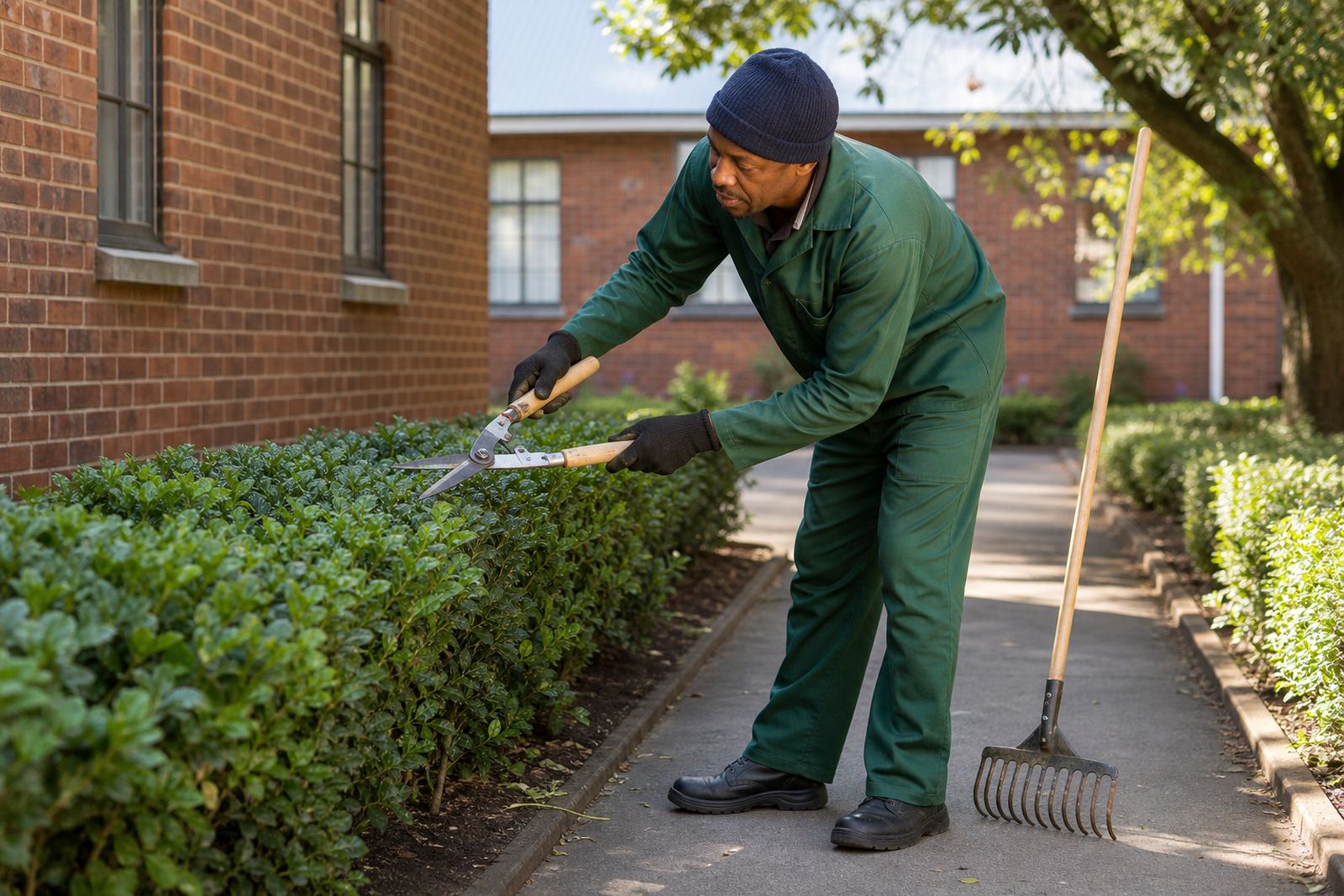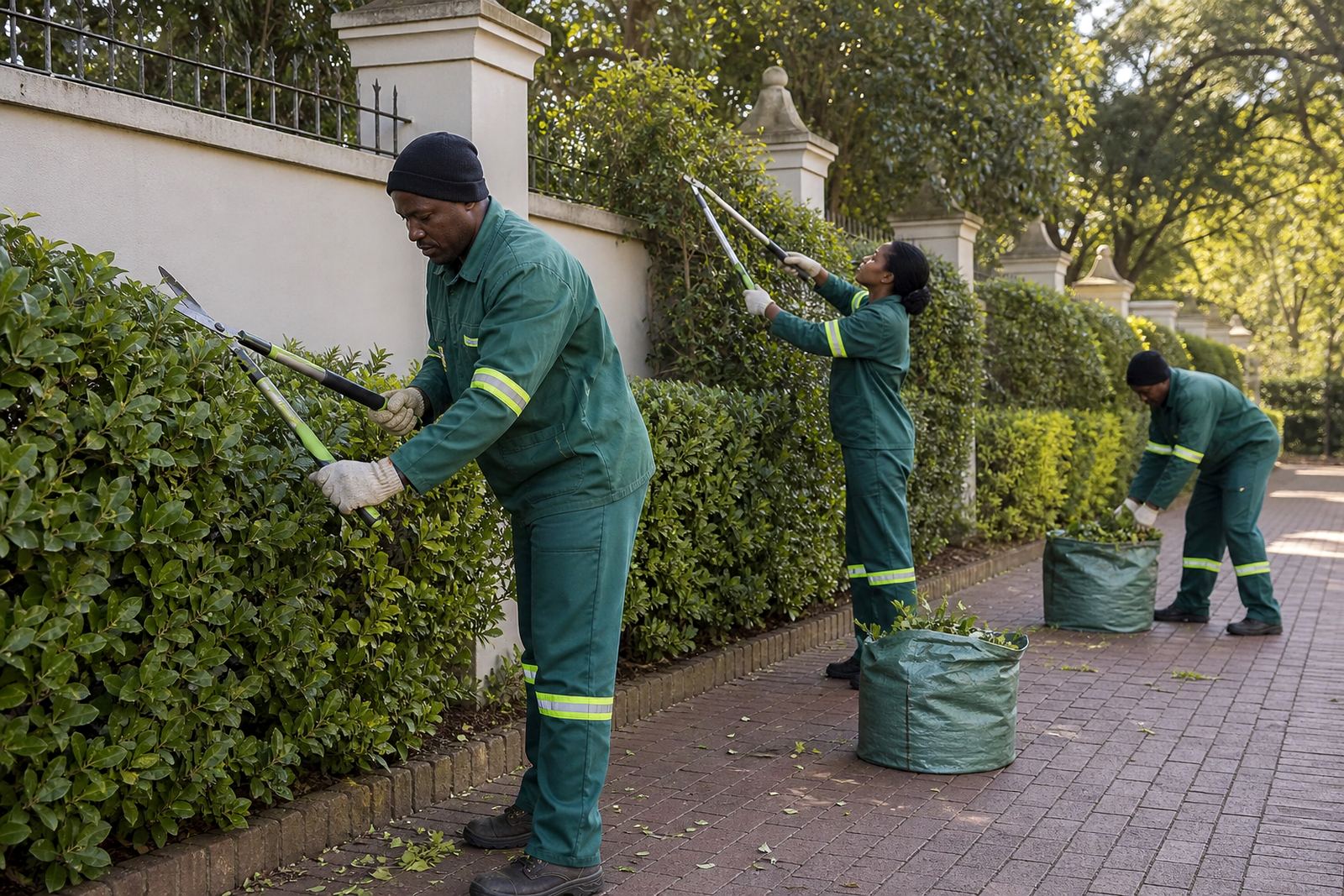

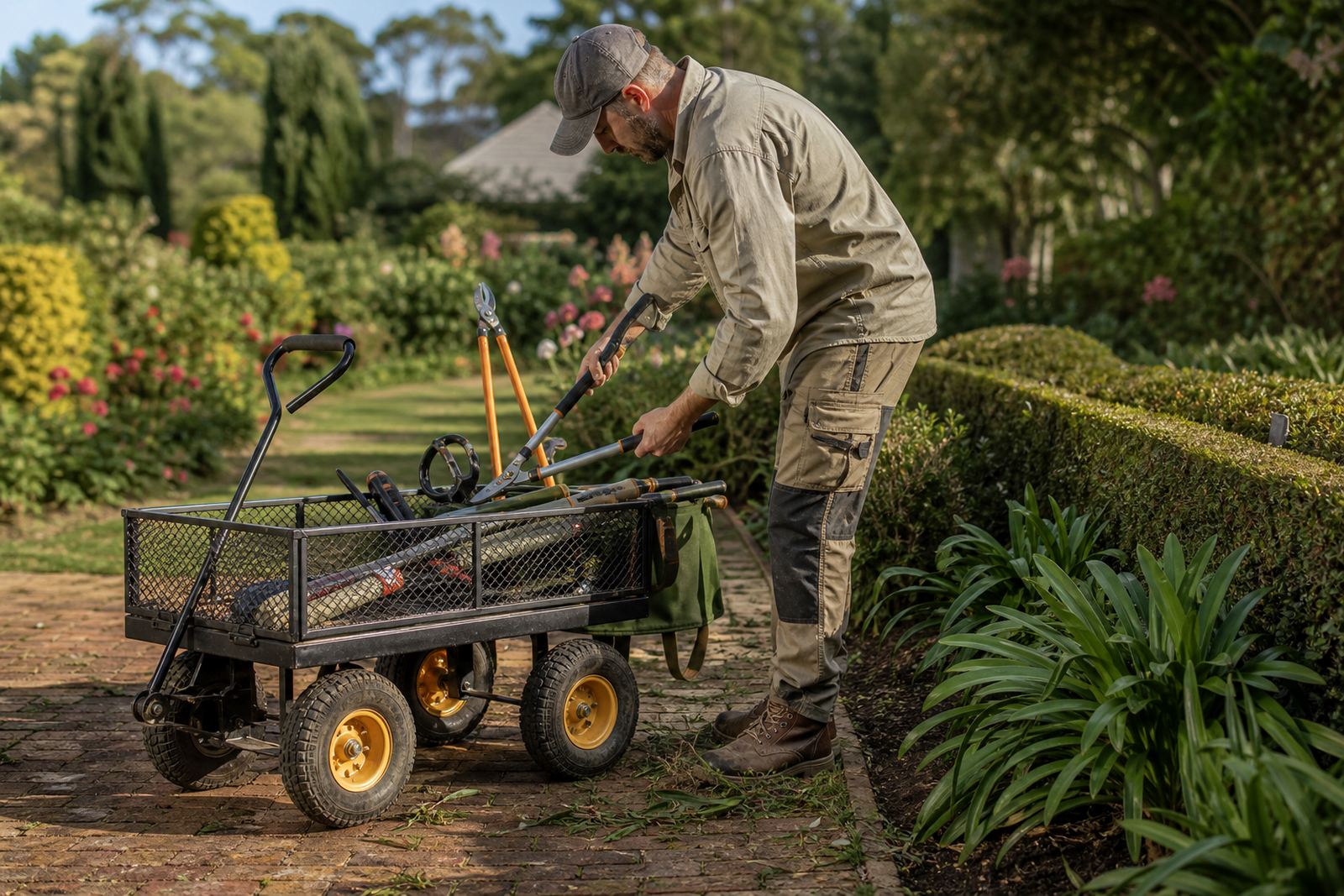
Mixed pruning jobs call for a simple, balanced kit
When you are moving between townhouse gardens, body corporate properties and larger commercial sites, the last thing you want is a heavy kit that only suits one type of cut. A contractor setup should cover light deadheading, soft growth trimming, woody stems, hedge shaping and small branch removal, all in one day if needed. In Pietermaritzburg, where humidity can lift rust quickly and afternoon rain can interrupt a shift, tool choice matters just as much as speed. A good set is easy to carry, easy to clean and easy to keep sharp.
Most landscaping teams start with a core kit for each crew member or each van. That usually means bypass secateurs for clean stems, loppers for thicker branches, and hedge shears or a hedge tool for shaping. If your team works across Durban, Johannesburg, Pretoria, Cape Town and Gqeberha, the kit needs to cope with different conditions too, from salt air on the coast to dry dust inland. That is where comfortable grips and reliable pivots pay off because hand fatigue can show up before lunch, especially on larger properties.
- Secateurs for soft stems, roses and detailed cuts
- Loppers for branches beyond hand-tool range
- Hedge tools for formal hedges and topiary edges
- Spare springs and pivot parts for quick turnaround
A practical equipment set for landscapers on the move
For contractor garden use, the set should be planned around the kind of work your crew sees most often. A residential maintenance team will use different tools from a garden upgrade crew or a commercial grounds team. As a rule, one good secateur, one medium lopper and one hedge tool per active worker is a sound starting point. If a team member handles cleanup and detail work, add a second pair of secateurs so there is a clean set ready while the first one is being serviced. That small step saves time on site and helps keep the job moving.
Many contractors also keep a service pack in the van. This can include spare springs, replacement grips, a cloth for wiping sap, light oil and a small file for basic edge care. We often see teams ignore this until a tool starts sticking or leaves rough cuts. That leads to extra strain on the wrist and slower progress. A better approach is to treat each tool like part of the working kit, not just a purchase. If you are quoting for monthly maintenance, include tool care in the plan so the gear stays in service longer.
- 1 pair of bypass secateurs per worker, plus 1 spare for the crew
- 1 set of loppers for every 2 to 3 workers on mixed jobs
- 1 hedge tool for shaping teams that work on formal hedges
- Service pack with oil, cloth, spare springs and replacement grips
Layout and van planning that saves time between jobs
The best kit is no use if it is buried under fertiliser bags, edging lines and trimmers. On contractor runs, layout matters. Keep pruning tools in a separate crate or wall rack inside the bakkie or trailer so the blades are not knocking against metal parts. Wet tools should not be left in a closed box after a rainy morning in Hilton or Howick, because trapped moisture speeds up rust and can blunt the edge faster than the cutting itself. A simple dry cloth and an open airing spot at the depot can make a real difference.
At the yard, many teams organise tools by task rather than by size. That helps when a crew is sent out for hedge work in the morning and cut-back work after lunch. Label shelves by use case: detail pruning, branch removal, hedge shaping and maintenance spares. It is a small habit, but it reduces the chance of the wrong tool being loaded in a rush. It also helps supervisors see what needs sharpening or repair before the next dispatch. In our experience, the cleanest operations are the ones where gear has a place and everyone knows it.
- Store blades dry and separate from loose metal parts
- Keep service items together so sharpening and repairs are not delayed
- Load the van by job type, not by whatever is closest
Common mistakes that cost contractors time and money
One common mistake is buying only one type of cutter and expecting it to handle every task. A lightweight secateur is not meant for heavy woody stems, and forcing the cut can throw the blade out of alignment. Another mistake is ignoring grip condition. On long days, worn grips can cause slipping and sore hands, and that slows the crew down more than many managers realise. It is a small detail but it affects output. So too does a loose pivot, which can make cuts uneven and create more work at the finish.
Contractors also lose money when they wait too long for servicing. Once blades are badly nicked or springs are weak, the crew spends more time fighting the tool than using it. Regular blade sharpening, pivot adjustment and rust removal are cheaper than replacing the whole set too early. We also see teams skip inspections after a busy month. That is when small faults are usually caught. A quick check before a big maintenance round in Durban or Pretoria can prevent a full day of poor cutting.
- Do not force small tools through thick stems
- Do not leave blades wet in a closed toolbox
- Do not ignore weak springs, loose pivots or split grips
- Do schedule regular servicing before the next peak season
Budget ranges for contractor teams in Rand
Budgeting for contractor garden use depends on team size, job type and how often the tools are serviced. A small maintenance crew can start with a practical kit from about R1 500 to R3 500 for basic secateurs and loppers, while a more active landscaping team may spend R4 500 to R10 000 or more when hedge tools, spares and backup sets are included. Those figures can shift depending on blade quality, handle comfort and how many workers need a personal tool set. The point is not to buy the most expensive set first, but to buy enough to keep work moving without constant sharing.
Servicing should also be part of the budget. Blade sharpening, spring replacement, grip replacement, pivot adjustment and deep cleaning cost far less than replacing worn tools too early. For crews working near the coast, a maintenance allowance is especially sensible because salt in the air can bring on rust faster than expected. If your team handles municipal or body corporate work, it helps to set aside a monthly amount for inspections and small repairs. That way the budget does not get knocked around by sudden breakages.
At Cut Tools Garden, we work with contractors who need practical gear, not fancy promises. From our base in Mkondeni, Pietermaritzburg, we support home gardeners and landscaping teams across South Africa, with enquiry requests handled through the contact page. Our team, led by Sibusiso Mthembu, includes sales, operations, customer support, tool care and dispatch staff who understand the pace of contractor work. If you need help planning a crew set, it is better to match the tools to the job than to make the job fit the tools.
How to choose the right set for your next contract
Start with the work you do most often. If your week is full of light pruning and hedge finishing, keep the set focused on control and comfort. If you do a lot of clearing back and structural cuts, add stronger loppers and a spare secateur for backup. For mixed jobs across South Africa, the best choice is usually a balanced kit that can be maintained easily and replaced in parts rather than all at once. That keeps downtime low and helps the crew finish neat, even when the day runs long.
A useful rule is to test the tool feel before you scale up the order. Check whether the handles suit gloved hands, whether the cut is clean on soft and woody material, and whether the pivot feels tight but not stiff. The right tool should feel steady in the hand after repeated use. If it does not, the crew will compensate with extra effort, and that usually shows up in the wrists and the finish. A well planned kit is not just about buying tools, it is about keeping the whole working routine efficient.
For contractors, the right garden tool set is really a work system: carry what you need, keep it sharp, repair it early and load it for the next site before the day ends.