
What estate crews need from day-to-day pruning tools
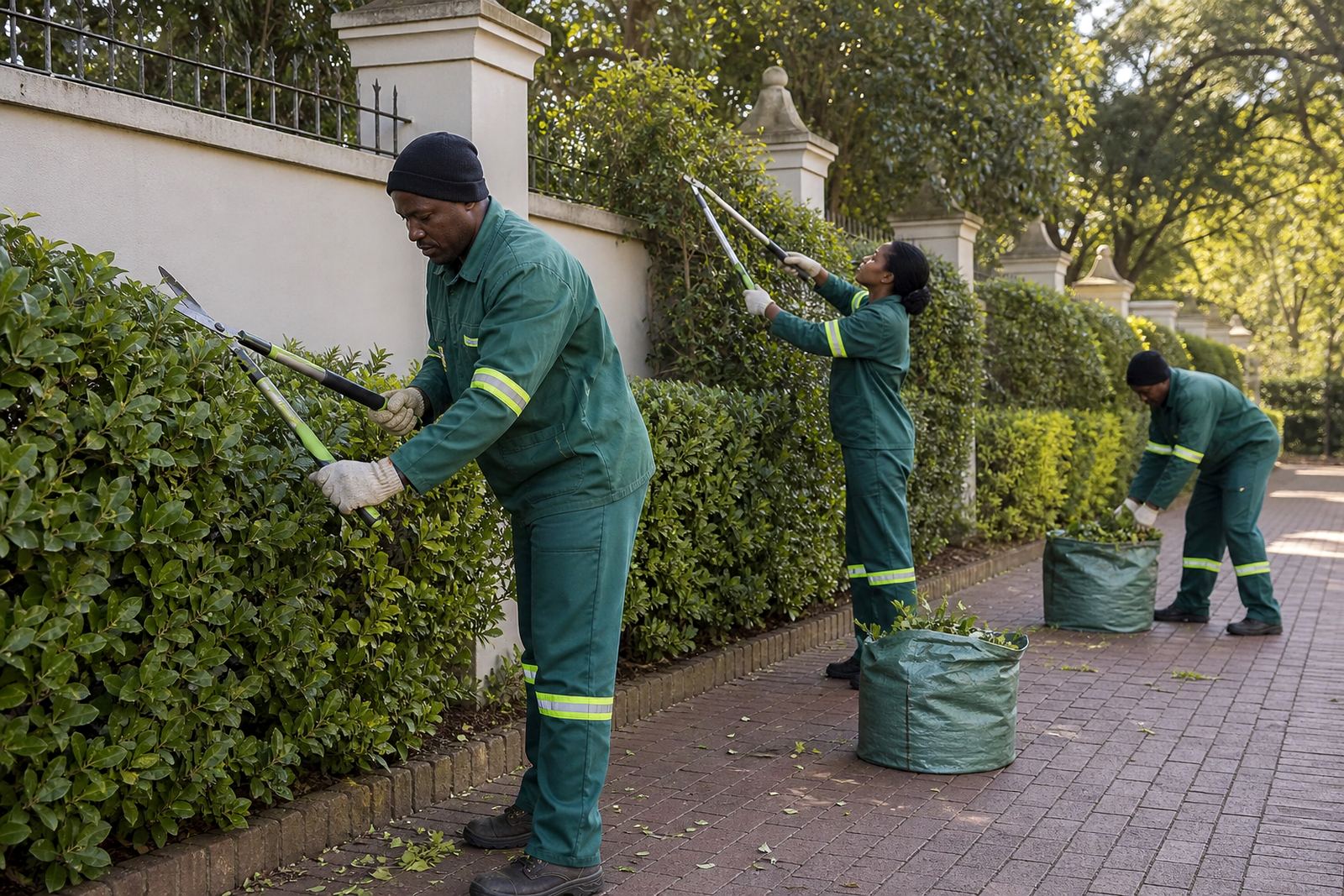
On an estate, pruning is not a once-a-week job. Crews move from hedges to shrubs, tree suckers, formal borders and cleanup work, often before the sun is fully up. Tools must cut cleanly, feel steady in the hand and stay comfortable through repeated use. In humid coastal areas like Durban and Gqeberha, or in wetter inland conditions around Pietermaritzburg and Howick, tools also need proper care so rust does not shorten their working life.
For larger grounds, the main challenge is consistency. A sharp blade on the first cut and a tired blade by midday can change the finish across the whole property. That is why estate managers usually prefer a standard set across the team, with the same grip feel, blade action and servicing routine. It keeps training simple and reduces wasted time.
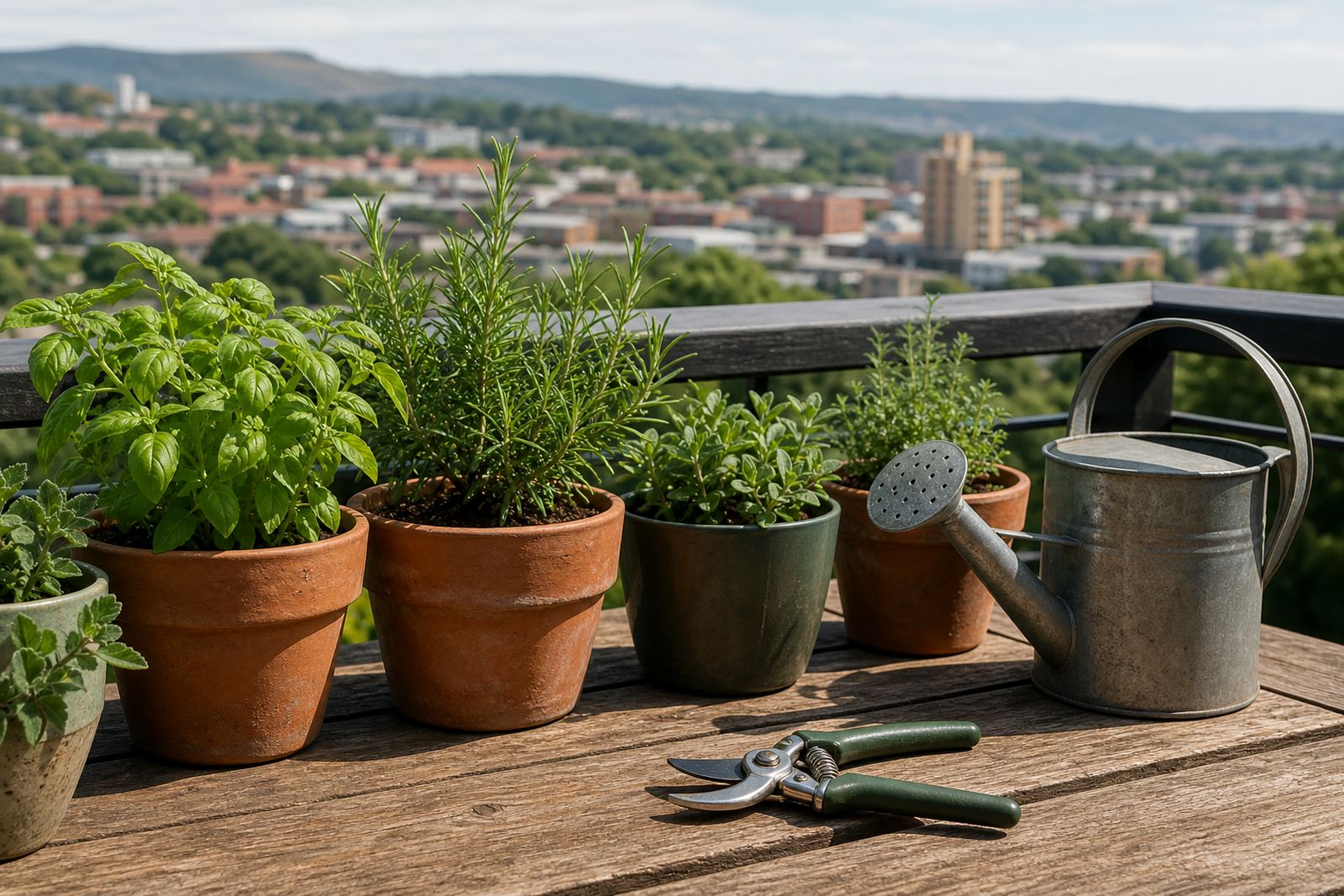
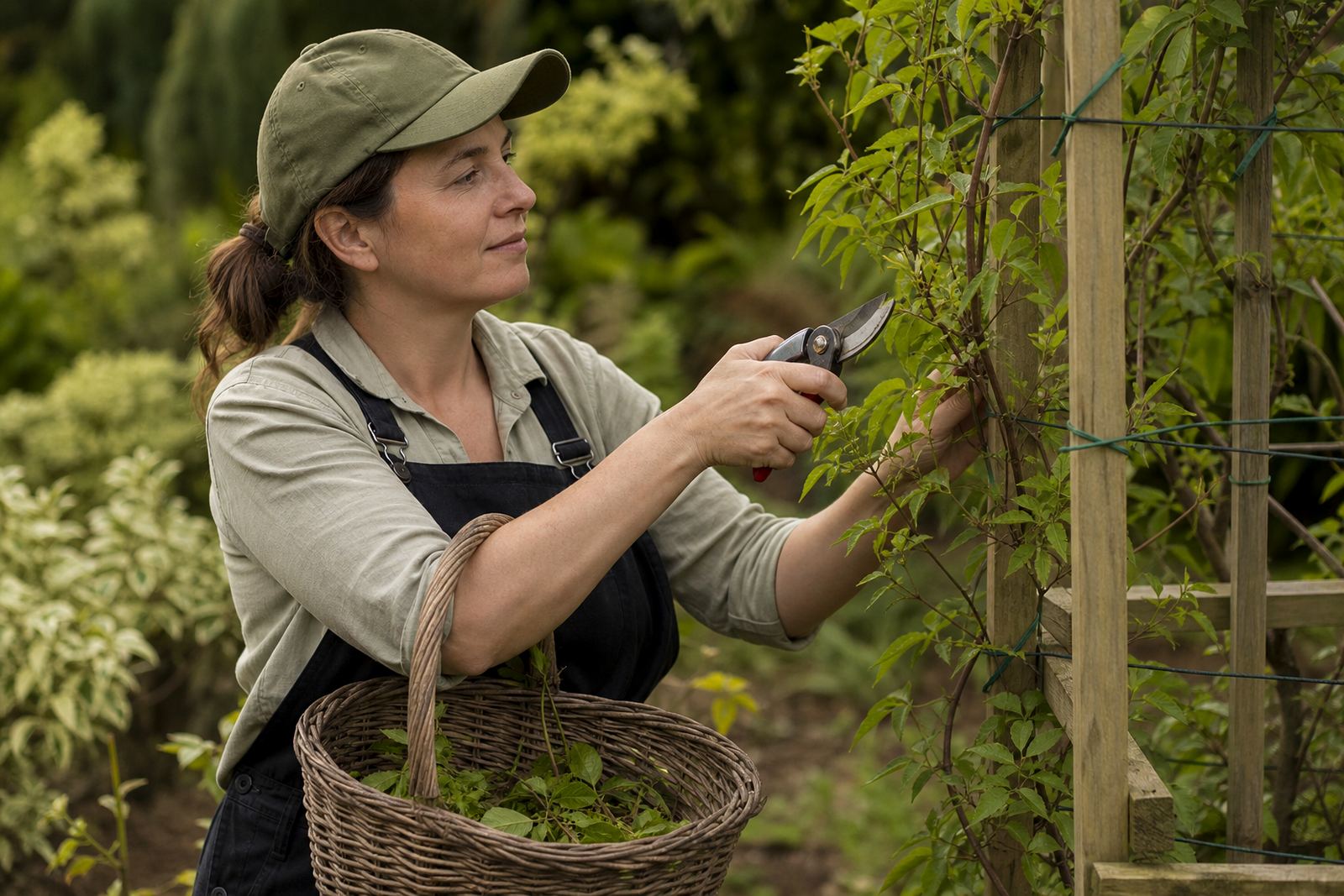
- Pruning shears for light stems, deadheading and fine shaping
- Loppers for thicker branches and quick reduction work
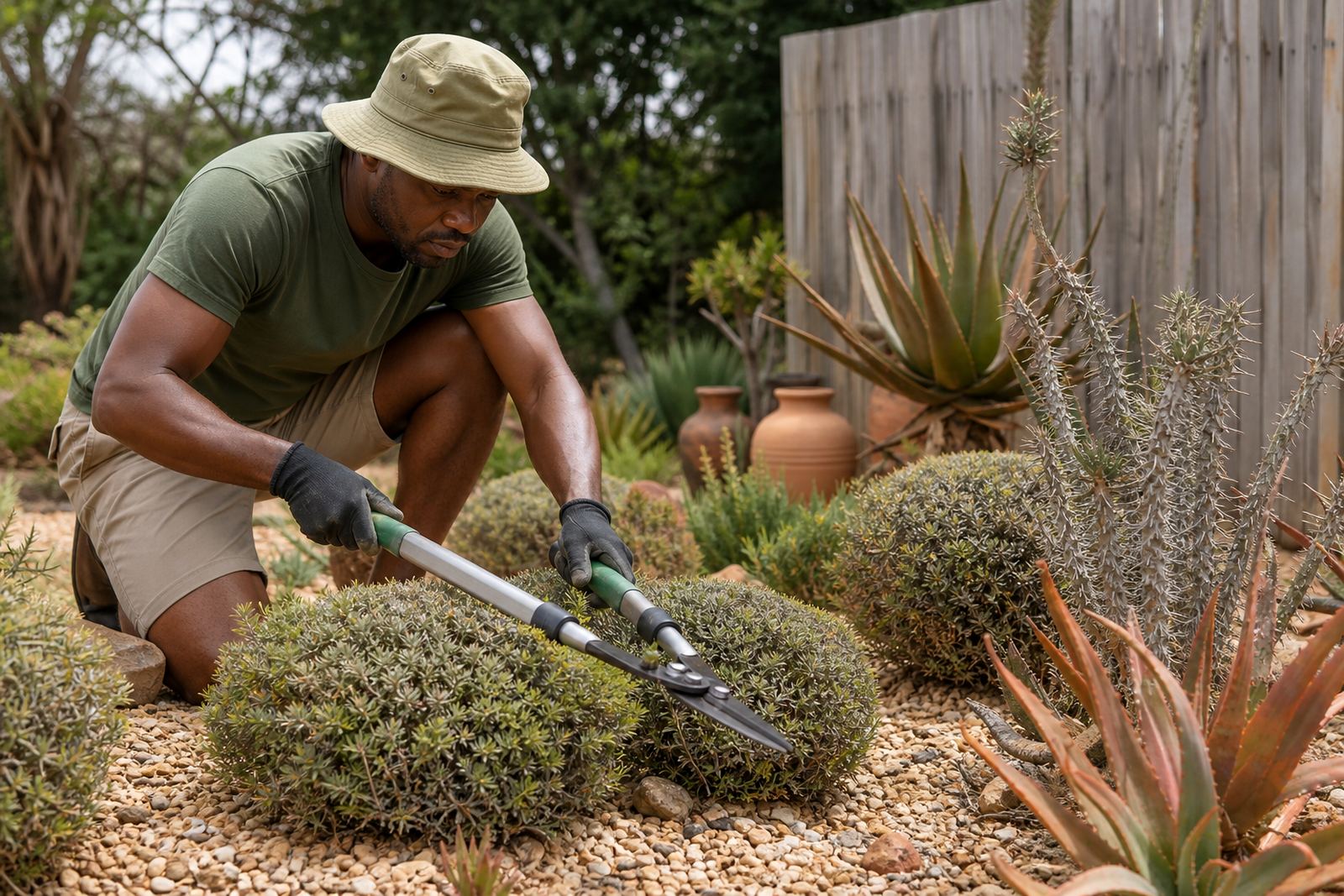
- Hedge tools for straight lines, topiary and perimeter trimming
- Spare springs, grips and pivot parts for quick maintenance
A practical equipment set for larger grounds
A good estate maintenance set does not have to be complicated. Most teams do better with a balanced mix of hand tools rather than too many different models. That makes it easier to swap tools between team members and to track servicing. On bigger properties, one crew may work on lawns, another on borders and another on hedges, so the set should cover repeated daily tasks without slowing anyone down.
For a medium to large estate, a simple working mix would usually include pruning shears for each gardener, one or two loppers per team, and enough hedge tools for the number of people assigned to clipping. Some sites also keep a small reserve box for lost or worn items. It sounds basic, but having a backup tool on hand saves a lot of time when a blade chips or a spring gives in during the day.
- 1 pruning shear per worker, plus 1 spare per team
- 1 lopper for every 2 to 3 workers
- Hedge tools matched to the length of hedging on site
- Servicing parts held in reserve for busy seasons
How to plan tools by zone, route and crew size
Estate work runs smoother when the layout of the grounds guides the tool plan. Start by splitting the property into zones such as entrance areas, formal gardens, boundary hedges, orchard sections, and back-of-house planting. Each zone needs a different pace and sometimes a different cutting style. A tidy entrance drive in Hilton will need a neater finish than a wind-exposed boundary in a coastal suburb.
Route planning matters too. If a crew has to walk back to the workshop for a single missing lopper, you lose time on every shift. Keep the most used tools close to where the work happens. For example, hedge tools can stay with the team working along long fence lines, while pruning shears and loppers are better kept in a mobile kit for mixed beds and shrubs. It also helps to assign one person to check blades, handles and spring tension before work starts. Small faults become big delays if they are ignored.
Where possible, make tool checks part of the weekly routine. A quick inspection before Monday mowing or Friday tidy-up can catch loose pivots, blunt edges and grip wear early. That keeps the team productive and the finish neater across the property.
Common mistakes that slow down estate maintenance
The biggest mistake is buying tools only for price and not for repeated use. A cheaper tool may work for a few weeks, then start slipping at the pivot or losing its edge. On an estate, that means more effort for the crew and a rougher finish. Another mistake is mixing too many styles of tool in one team. When everybody uses something different, it is harder to share, harder to train and harder to service.
Neglecting maintenance is another common issue. In humid towns and on coastal properties, a tool left wet in a vehicle can show rust quickly. If that rust is not removed early, the blades bind and the cut becomes messy. Crews should wipe tools dry after use, keep them out of wet grass overnight and book servicing before the busy season starts. A minor typo in a log book can be fixed, a worn blade on a hedge line takes longer to sort out.
- Do not leave tools dirty after sap-heavy trimming
- Do not store wet tools in closed bins or bakkie canopies
- Do not wait for a spring to snap before replacing it
- Do not run one tool type across every job on site
Budget ranges in Rand for estate teams
Budgeting for estate maintenance tools depends on crew size, the number of hedges, and how much pruning is done each month. For a small team with basic daily maintenance, a starter spend may sit around R3 500 to R8 000 for a practical hand-tool set. A larger estate or multi-zone property can easily move into the R12 000 to R35 000 range once you include extra loppers, hedge tools and spare parts.
It is worth planning for servicing as part of the budget, not as an afterthought. Blade sharpening, pivot adjustment, spring replacement and grip replacement cost far less than replacing whole tools too early. For estates in Johannesburg or Pretoria where the workload can be heavy and repetitive, scheduled servicing can stretch the life of the tools and keep the crew moving. In places with salty air, budget a little more for rust removal and deeper cleaning during the wetter months.
A practical approach is to buy for the core crew first, then add backups and parts once the workflow is settled. That keeps cash flow controlled while still giving the team what it needs to work properly.
Servicing and support that keeps crews working
Estate maintenance teams do better with a servicing plan rather than waiting for tools to fail. Regular blade sharpening gives a cleaner cut and reduces strain on the hands. Pivot adjustment helps keep the action smooth, and grip replacement matters on long shifts when wet hands or sunscreen can make handles slippery. If tools are used daily, deep cleaning and rust removal should be part of the schedule, especially after rainy weeks or coastal exposure.
Cut Tools Garden supports teams with servicing that covers the common wear points found on busy sites. That includes inspections for blade wear, spring condition and loose fittings, plus parts fitting when a tool needs a specific repair. For estates with several gardeners, a fleet care plan can help keep everything in order without waiting until the whole set is worn out.
- Blade sharpening for shears, loppers and hedge tools
- Spring replacement and grip replacement
- Pivot adjustment and rust removal
- Deep cleaning, inspections and parts fitting