Small-space trimming starts with the plants you actually keep
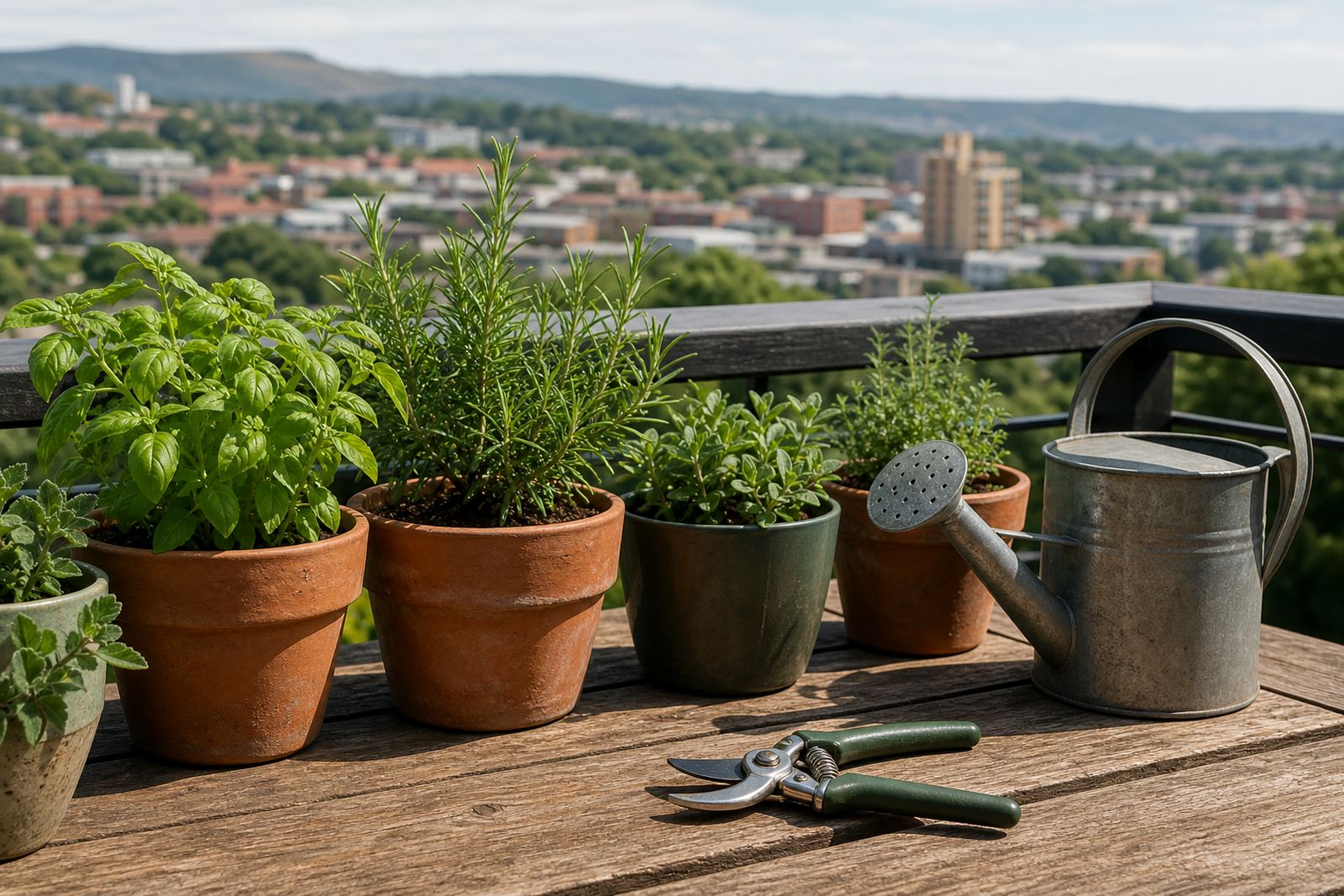
Balcony gardens are usually a mix of basil, rosemary, thyme, chillies, dwarf shrubs and a few flowering pots. That means you do not need heavy cutting kit, but you do need tools that can handle regular light trimming without bruising stems or taking up half the shelf space. In Pietermaritzburg and Durban, where humidity can push growth on quickly, many balcony gardeners trim little and often rather than waiting for a big clean-up.
The best approach is to match the tool to the job. Soft herbs need fine, clean cuts. Woody stems on small shrubs need more leverage. Dead flower heads and thin new shoots can be handled with lighter cutting tools that are easy to grip when your balcony railing, pot stand or fold-up table limits your movement.
A practical tool set for balcony work
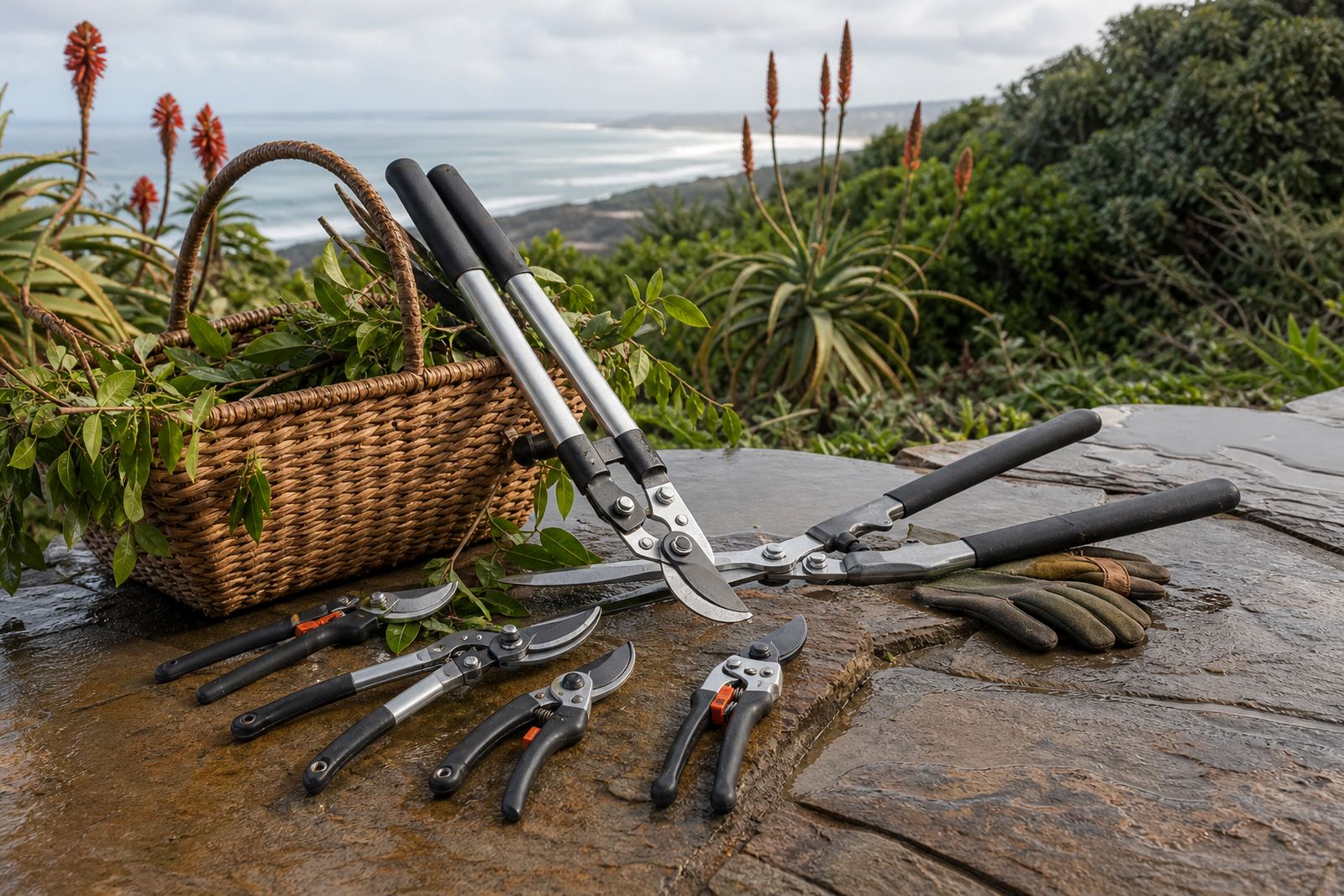
For most home balconies, a compact set is enough to keep things tidy all year. You do not need a large kit, just the right mix of cutting tools and a place to keep them dry. In coastal areas such as Cape Town, Gqeberha and Durban, a simple storage pouch or sealed container helps reduce rust from moist air. In hotter inland spots like Johannesburg and Pretoria, dust and dry sap can build up fast, so regular wiping matters too.
- Light pruning shears for herbs, soft stems and small flowers
- Compact loppers for thicker potted branches that are just beyond hand shears
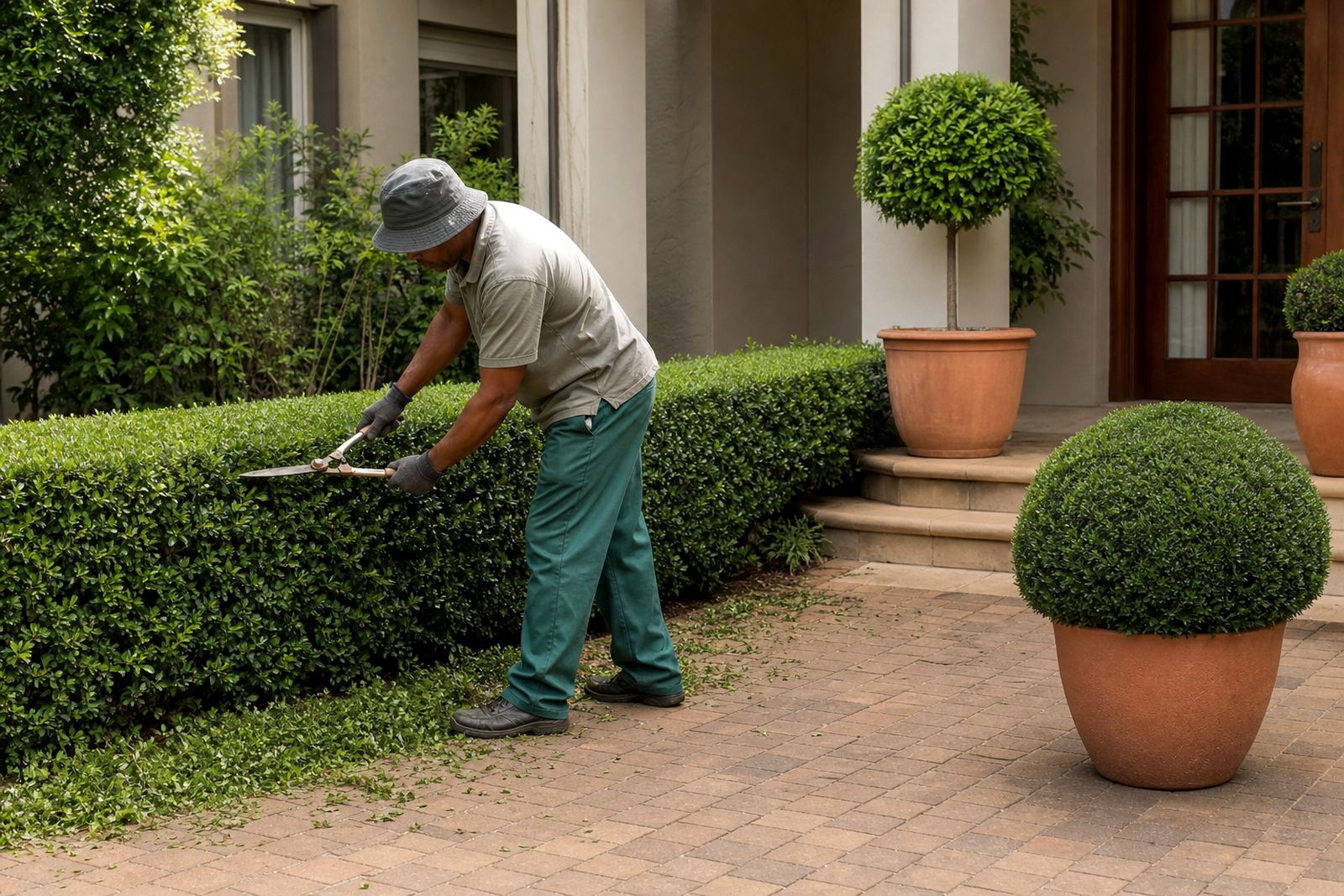
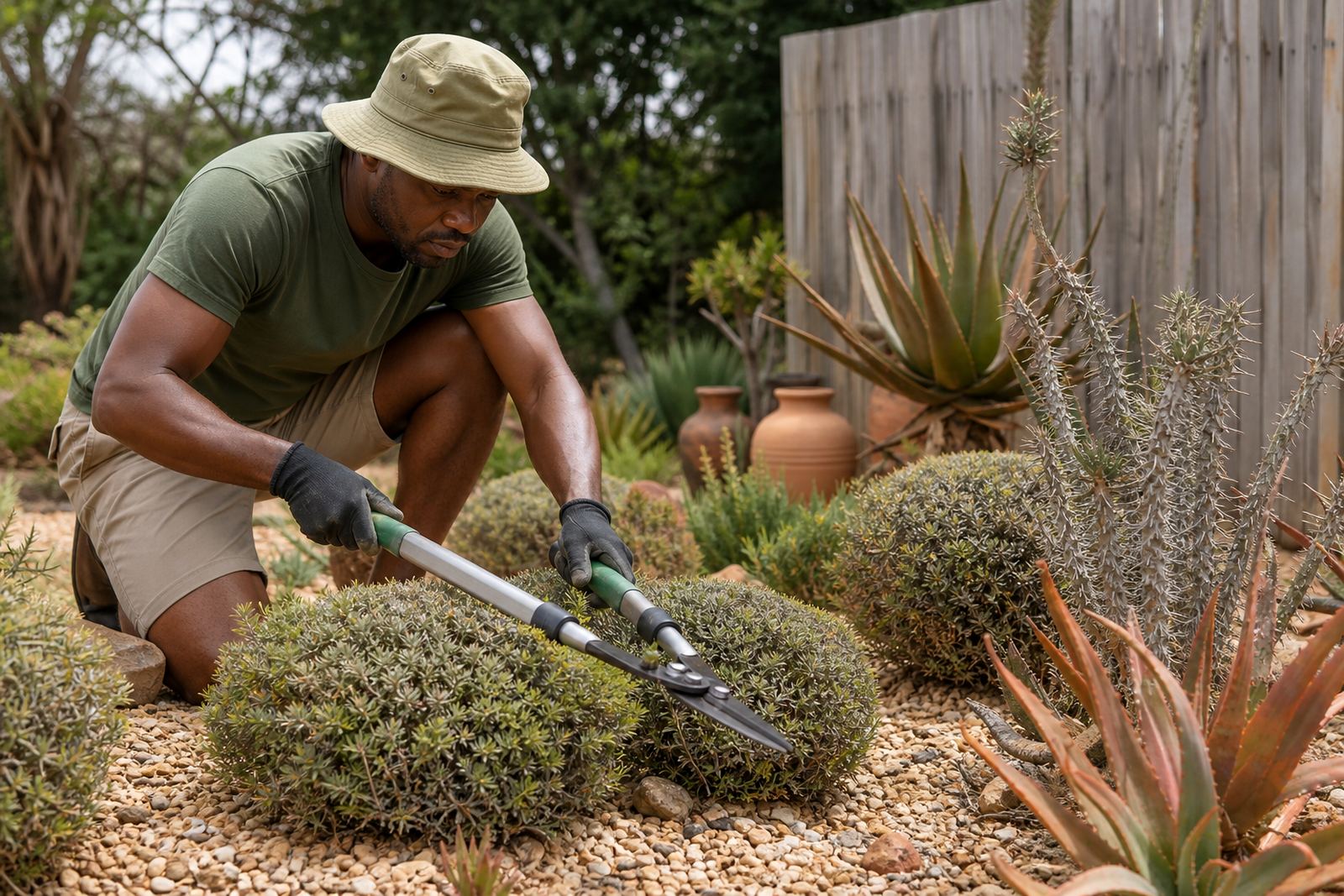
- Small hedge tools for shaping compact shrubs or balcony screening plants
- Soft cloth, oil and a stiff brush for cleaning after use
- Replacement springs, grips and pivot parts when a tool starts feeling stiff
If you only trim a few plants each week, one good pair of pruning shears may be enough. If you are shaping several pots or training screening plants, a small lopper and hedge tool can save time and strain on the wrist.
How to plan your balcony layout before you cut
Good trimming starts before the first snip. On a balcony, the problem is often not the plant, its the layout. Pots placed too close together make it hard to see dead growth or reach the back of a shrub. Before you trim, move containers into a safer working position where cuttings can fall into a tray or bucket instead of onto the tiles below.
Try to work with the wind direction in mind, especially in high-rise areas where light cuttings can blow off a balcony quickly. If there are municipal or body corporate rules about water runoff, keep a small catch tray under the pots and sweep up all clippings straight after cutting. This matters in apartment blocks across South Africa, where neat common areas are expected and overspill can become a complaint.
- Keep the tallest pots at the back and low herbs at the front
- Leave enough space to open and close the blades fully
- Use a stable surface, not the railing, as a working edge
- Trim over a bucket or bag so clippings do not spread across the floor
- Store tools where children cannot reach them
Common trimming mistakes on balconies
One common mistake is using a large garden tool for a small plant. Oversized blades can crush soft stems and leave ragged cuts that dry out faster in the sun. Another mistake is trimming too much at once. Balcony plants usually recover better from smaller, regular cuts than from hard seasonal chop-backs.
People also forget about blade condition. A blunt edge can tear basil, mint and tender shrub growth, while a dirty tool can move disease from one pot to another. If rust starts forming after coastal moisture or a week of neglect, clean it before the next cut. It is a small job but it makes a big difference.
Hand strain is another issue. A cheap tool with poor grip can become uncomfortable after only ten minutes. Look for a handle shape that feels secure in a small hand and still gives support when your fingers are wet from watering. That extra comfort helps if you are trimming every Saturday morning in the heat or after a load-shedding evening when the plants need a quick tidy by torch light.
Budget ranges for home gardeners and small property managers
Balcony trimming does not need a big spend, but it helps to budget for the whole set rather than only the first tool. A basic pair of pruning shears for light use may start around R150 to R350. Better quality shears with stronger blades and improved comfort often sit between R350 and R700. Compact loppers for slightly thicker stems can range from about R450 to R1,200 depending on size and finish.
Small hedge tools for shaping balcony screening plants or clipped pots generally fall between R250 and R900. If you need servicing, sharpening or part replacement, many gardeners find it cheaper to maintain a tool for years than to replace it every season. Deep cleaning, spring replacement and pivot adjustment are often worthwhile when the body of the tool is still sound.
For landlords, guesthouses and small body corporate properties, a simple fleet care plan can help keep several sets ready for use. That is useful where staff in Durban, Pretoria or Gqeberha handle the same balcony planters each month and need the tools to stay sharp and easy to use.
Servicing that keeps balcony tools ready for the next cut
Balcony tools often wear out slowly, which is why small faults get ignored. A spring that sticks, a loose pivot or a dull blade can make trimming harder than it should be. Regular servicing helps keep the cut clean and the tool comfortable, especially if it is used on herbs and fine growth where precision matters.
Cut Tools Garden supports home gardeners and landscapers from Mkondeni in Pietermaritzburg, with stockists and supply reach across Pietermaritzburg, Hilton, Howick, Durban, Johannesburg, Pretoria, Cape Town and Gqeberha. Clients can make an enquiry through the contact page for product guidance, servicing support and maintenance options suited to small-space gardens. We also handle inspections, rust removal, grip replacement and blade care so your tools stay ready for the next round of trimming.
If your balcony garden is tidy but your tools are not, the job becomes slower than it should be. A clean, sharp set makes weekly trimming easier, and honestly less of a chore.