What guesthouse grounds need to look right every week
In a guesthouse setting, the garden is part of the first impression. Guests notice clipped hedges, clean edges around paths and beds that are free of dead growth before they notice the parking area or front counter. In Pietermaritzburg and other busy towns, gardens also take a beating from heat, summer rain, wind-blown debris and regular foot traffic.
For that reason, tools need to be light enough for frequent use, sharp enough for neat cuts, and comfortable when the same job is repeated across several beds. A small team may handle a front entrance, courtyard, pool area and a service passage in the same morning, so the kit has to be easy to carry and quick to set up.
Guesthouse owners and grounds staff usually want tools that are dependable on soft green growth as well as older woody stems. If the blade starts dragging or the handles feel awkward, the job takes longer and the finish looks untidy. That is where good balance and simple servicing matter just as much as cutting power.
A practical tool set for entrances, beds and hedges
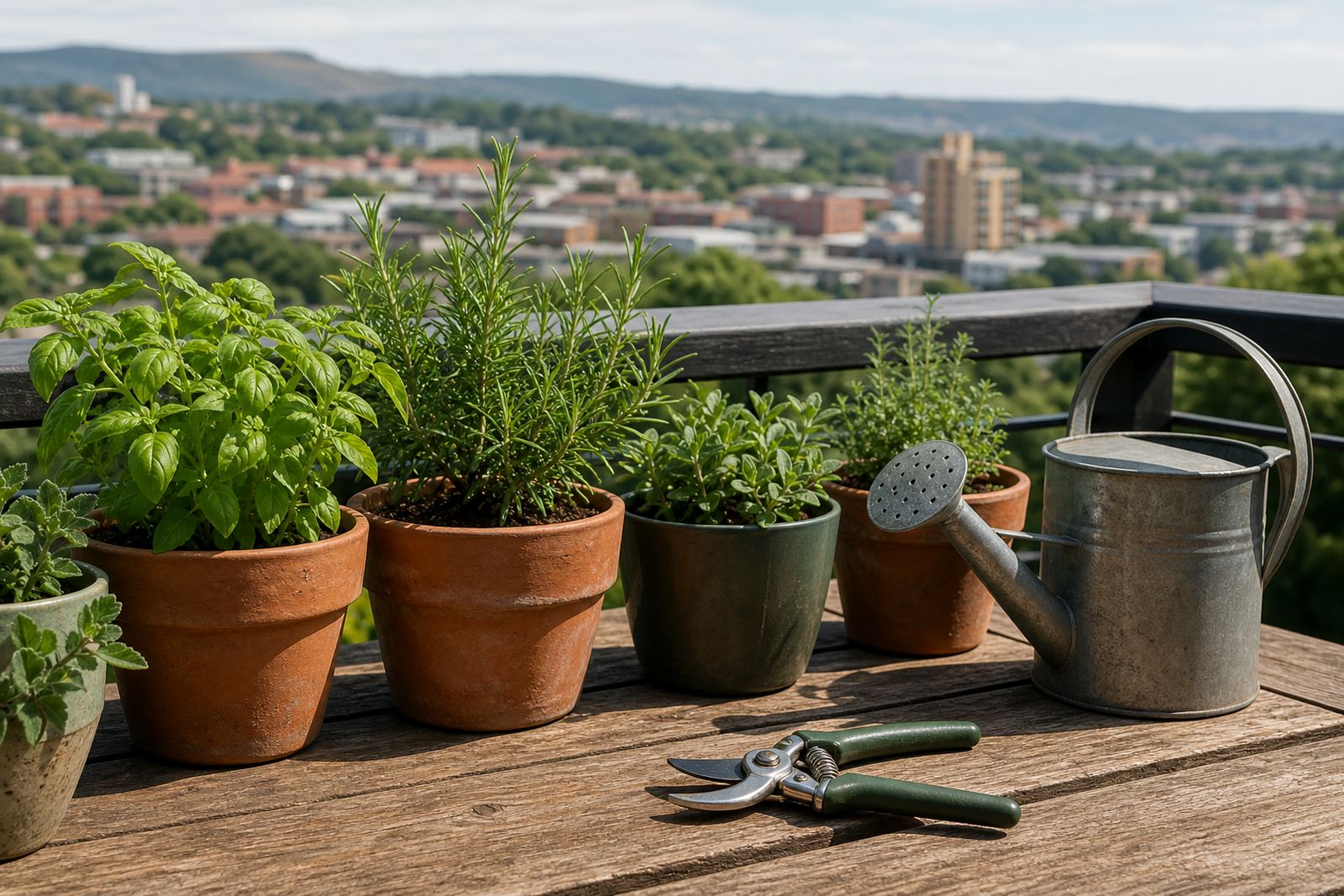
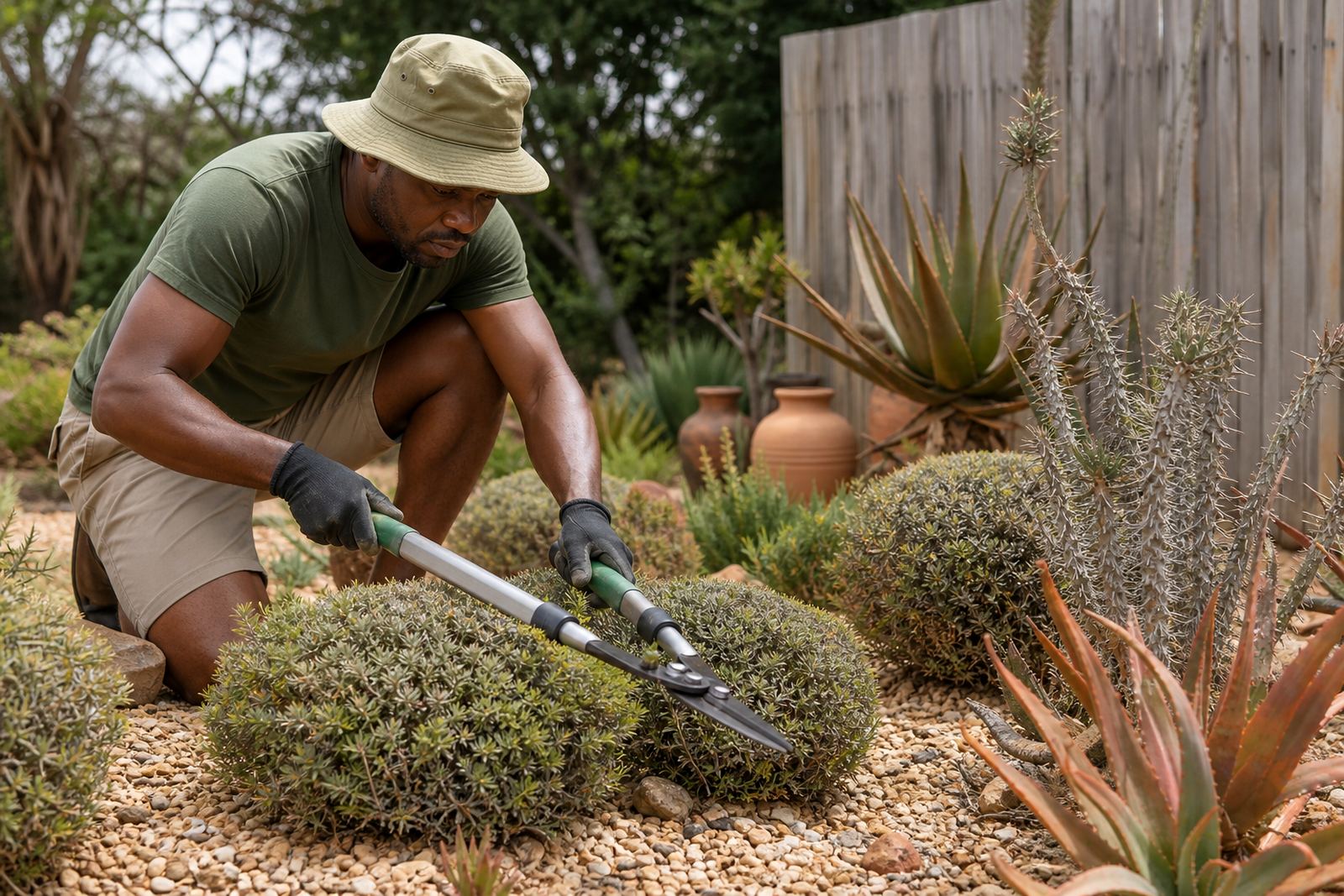
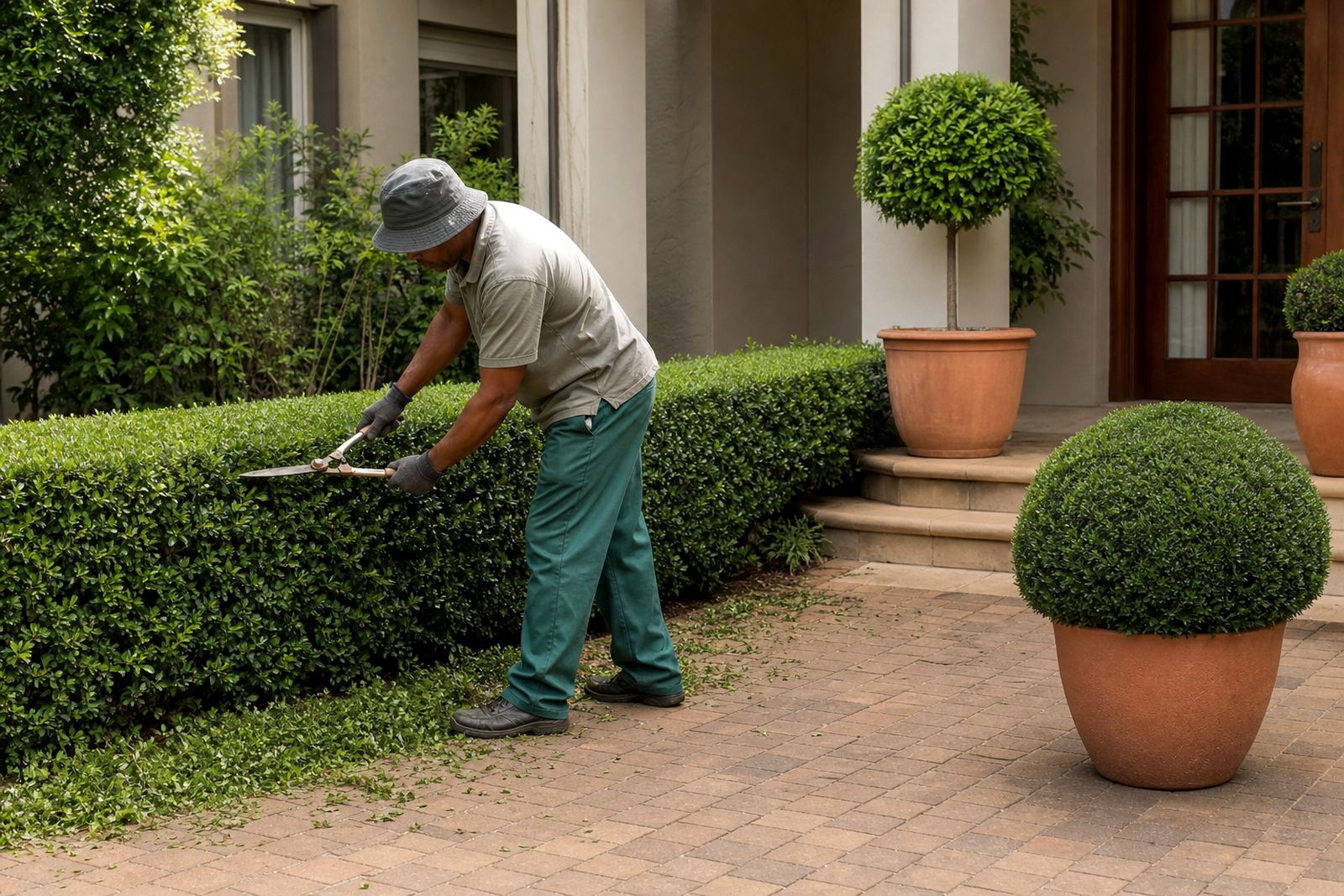
For most guesthouse properties, a compact set of hand tools covers the bulk of weekly maintenance. Pruning shears handle flowers, light branches and deadheading. Loppers are better for thicker stems and small woody branches near boundary plants or screening shrubs. Hedge tools are for shaping formal lines, trimming height and keeping faces even along walkways.
It is usually better to choose fewer tools that are well made than to buy a full shelf of cheap equipment. In practice, a tidy guesthouse might keep one pair of secateurs per gardener, one set of loppers for heavier cuts, and one hedge tool for each frequent trimming area. If the property has citrus trees, rose beds or dense hedging, extra blades or a backup pair can save time during the busy season.
- Pruning shears for deadheading, thin stems and light shaping
- Loppers for thicker growth, small branches and overgrown corners
- Hedge tools for straight lines, entrance screens and courtyard hedges
- Replacement springs and grips for staff comfort and longer use
- Sharpening and servicing to keep cutting clean and reduce strain
How to plan the work around guest movement
Guesthouse gardens work best when maintenance is planned around check-in times, breakfast service and quiet guest hours. A front entrance can be trimmed early in the morning, while courtyard work is often better done after guests leave for the day. If the property is in a coastal area, damp conditions and salty air can also mean tools need drying and wiping down more often.
A sensible layout plan starts with the visible spaces first: gate, driveway border, reception path, seating area and pool edge. After that, move to screening hedges, service areas and the back boundary. This sequence keeps the spaces guests see looking neat even if the whole property is not finished in one visit. It also helps staff work in smaller sections instead of moving back and forth across the grounds.
On a larger site, it helps to separate cutting jobs from clean-up jobs. One person can trim while another clears clippings and checks for damage to irrigation lines, lights or paving. That saves time, and it reduces the chance of leaving plant material on paths where guests may walk later.
Common mistakes that make a tidy garden look tired
The most common mistake is using blunt tools too long. Instead of a clean cut, the branch gets crushed or frayed, which makes the plant look untidy and can slow regrowth. Another mistake is using a hedge tool where loppers would do a cleaner job, or using loppers for fine shaping where pruning shears are more suitable.
Guesthouse grounds often suffer when one set of tools is shared without a servicing routine. Springs loosen, pivot points stiffen, grips wear smooth and rust starts after a wet week. In humid areas like Durban or near the coast, this happens even faster if tools are put away while still damp. A quick clean and dry after use makes a real difference, and so does occasional rust removal.
- Leaving blades dull until they start tearing stems
- Using the wrong tool for the thickness of the cut
- Storing tools wet after irrigation or rain
- Ignoring loose pivots, tired springs or worn grips
- Waiting too long between inspections and servicing
Budget ranges for guesthouse garden tool sets
For a small guesthouse with a neat front entrance and a few court yard beds, a starter set of pruning shears, loppers and one hedge tool can usually be planned from about R900 to R2 500, depending on handle type, blade quality and how many staff members will use them. If the property needs multiple sets for split shifts or different areas, the budget can move into the R3 000 to R6 000 range.
Servicing should also be part of the budget because it protects the tool set over time. Blade sharpening, spring replacement, grip replacement, pivot adjustment and deep cleaning are often far cheaper than buying new tools every season. For guesthouses that keep a constant standard, a yearly care plan can make more sense than dealing with worn tools only after they fail.
For larger properties, or where landscaping work is done across several sections, it helps to set aside a maintenance budget for inspections and parts fitting. That way the team can keep working instead of stopping because a blade is loose or a handle has cracked. It is a small cost compared to the impression a neglected entrance can leave.
Keeping the garden presentable all year
Guesthouse gardens do not need complicated equipment, but they do need the right tools in good condition and ready for regular use. A small, well-chosen set makes it easier to manage hedges, beds and courtyards without heavy strain on the team. It also helps the property stay neat between guest arrivals, even when the weather turns hot or wet.
For operations in Pietermaritzburg, Durban, Johannesburg, Pretoria, Cape Town or Gqeberha, it makes sense to choose tools that suit the work on the ground and not just the catalogue description. The right choice is usually the one that cuts cleanly, feels comfortable after an hour of use and can be serviced instead of replaced too soon. That is practical gardening, not fancy gardening.