What rose pruning needs in a South African garden
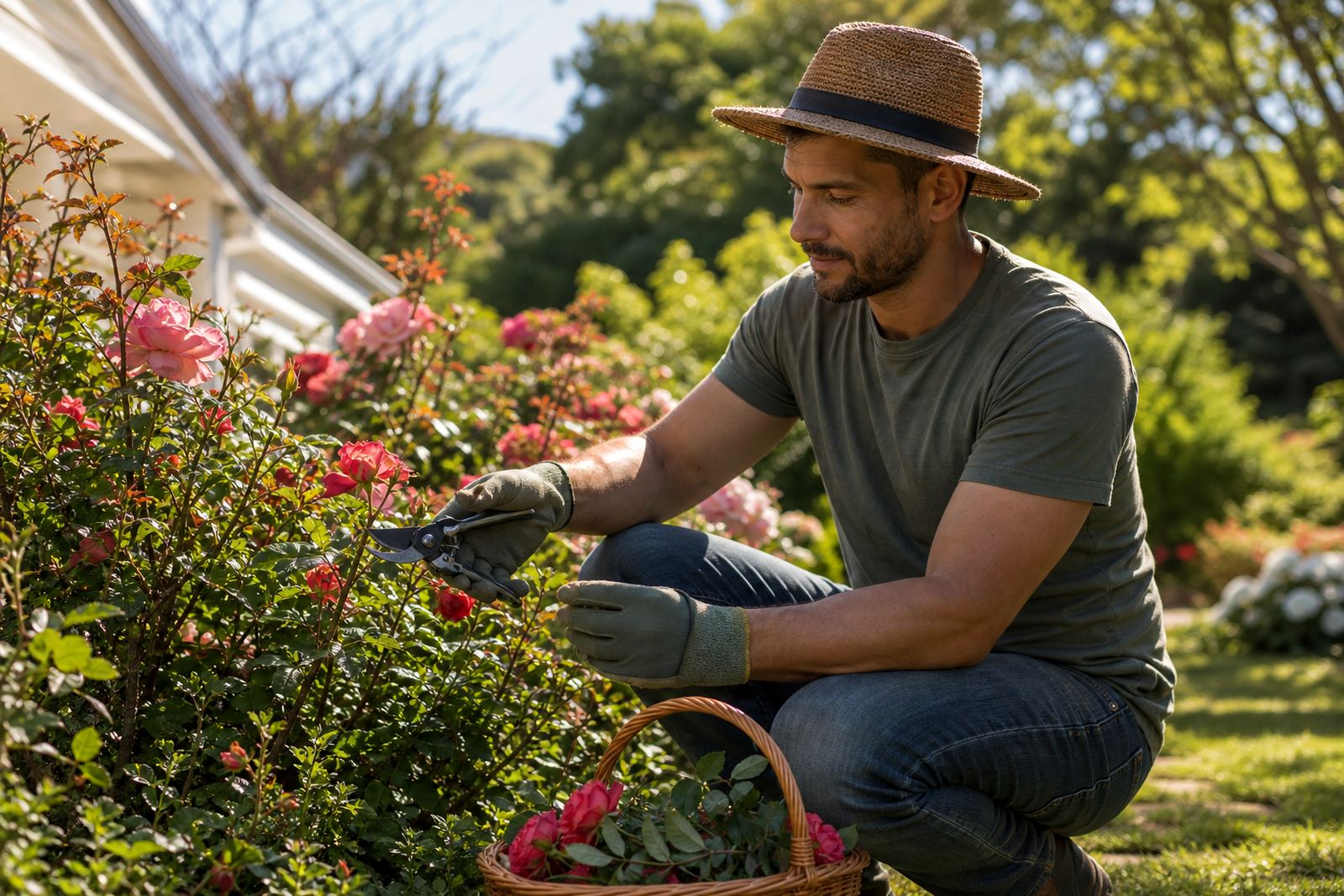
Rose pruning is not only about cutting back hard in winter. In Pietermaritzburg, Durban and other warm areas, many gardens need regular deadheading through the season, then a proper cut back when growth slows. That means your tool has to handle soft spent blooms one day and thicker woody canes the next.
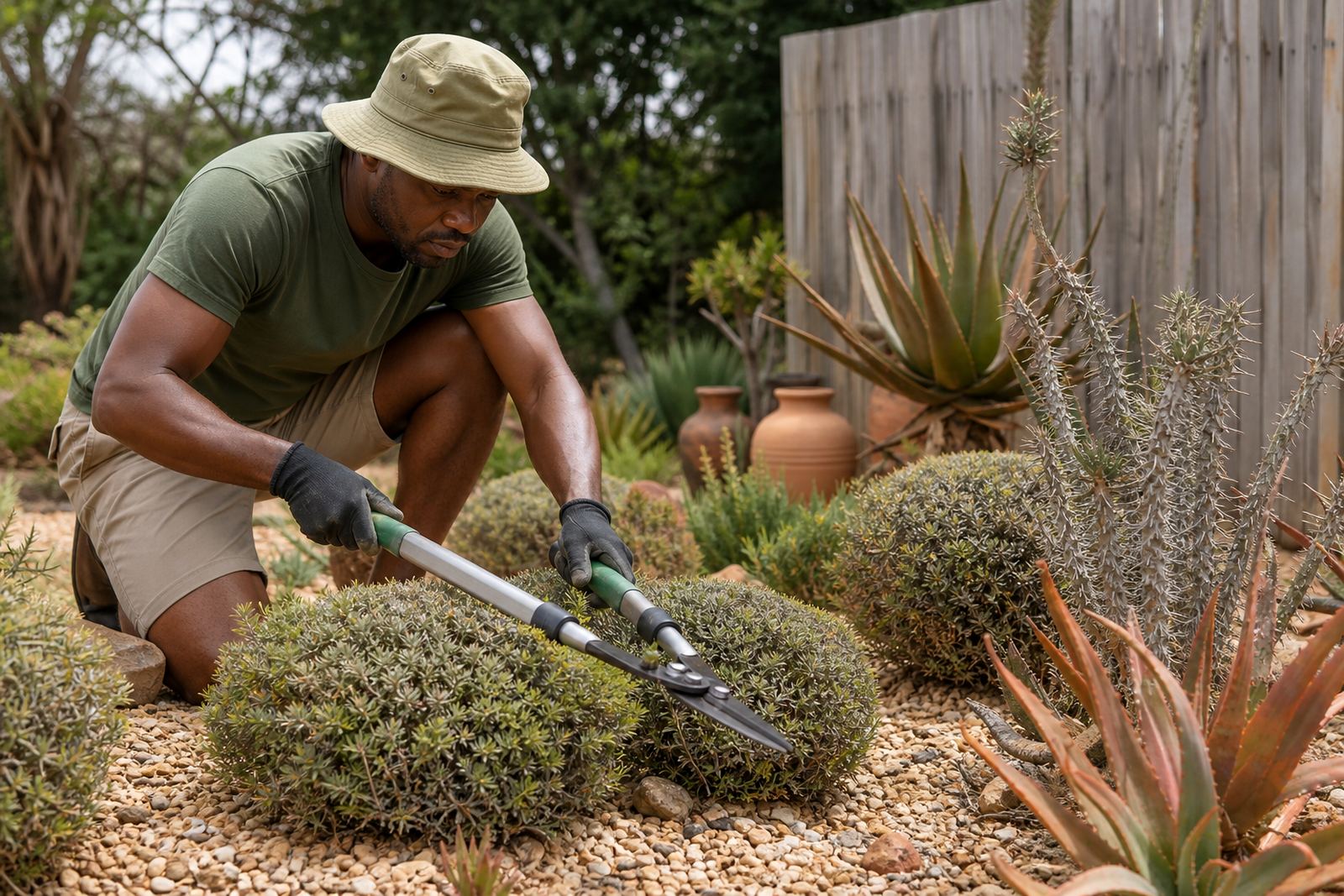
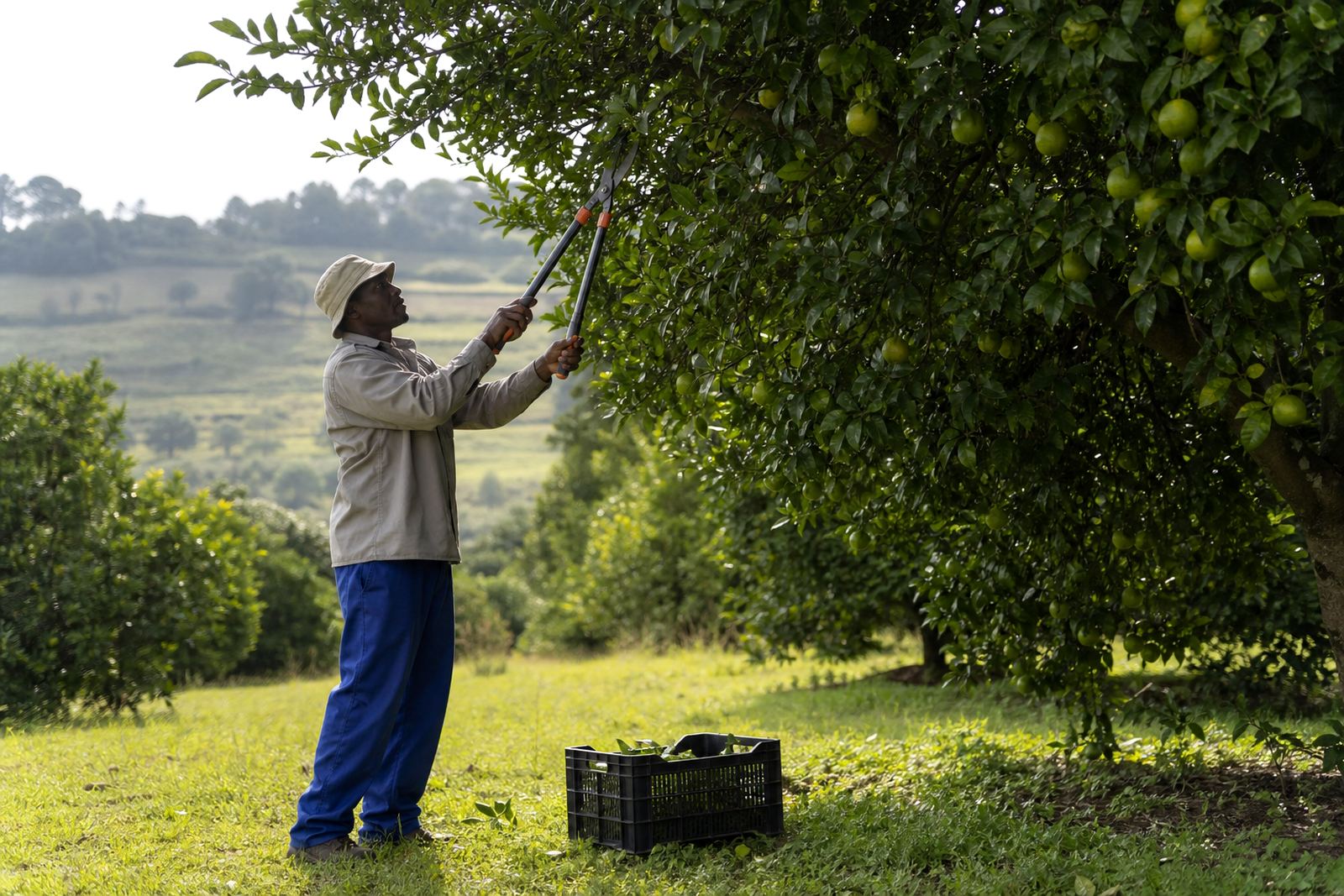
For smaller rose beds, a sharp pair of garden pruning shears is usually the main tool. For older bushes, climbing roses or plants that have been left for a season, a lopper gives more reach and less strain on the hand. If the garden has formal rose borders or long mixed hedges near the beds, hedge tools help keep the surrounding growth tidy without crushing stems.
- Deadheading: light, accurate cuts just above a healthy leaf node
- Seasonal shaping: removing weak, crossing or inward growth
- Harder cuts: thicker canes and older wood that need more leverage
- Border clean-up: trimming around rose beds without snagging nearby plants
A practical tool set for deadheading and shaping
A useful rose pruning set does not need to be complicated. Most home gardeners and small landscaping teams can work well with one sharp secateur, one lopper for heavier stems, and a hedge tool for neat edges around the rose area. For thorny varieties, comfort matters because you are often working in awkward positions and close to the plant.
Look for handles that sit well in the hand, a smooth pivot, and blades that cut cleanly without tearing. A clean cut helps the plant recover faster, which is important in humid coastal towns where rough cuts can hold moisture and attract rot. If you are pruning in hot weather, gloves and a water bottle are not a luxury either, they save time and sore hands.
- Pruning shears for stems up to about 20 mm
- Loppers for thicker canes and low branches around 25 mm to 40 mm
- Hedge tools for edging, shaping and tidying nearby growth
- Gloves with good grip for thorns and wet leaves
How to plan the rose bed before you start cutting
Good pruning starts before the first cut. Walk the bed and look for dead stems, crossing canes, weak new shoots and old wood that is crowding the centre. If the roses are planted close to a boundary wall, path or municipal verge, leave enough room for growth and for the gardener to move safely without stepping on irrigation lines or damaging paving.
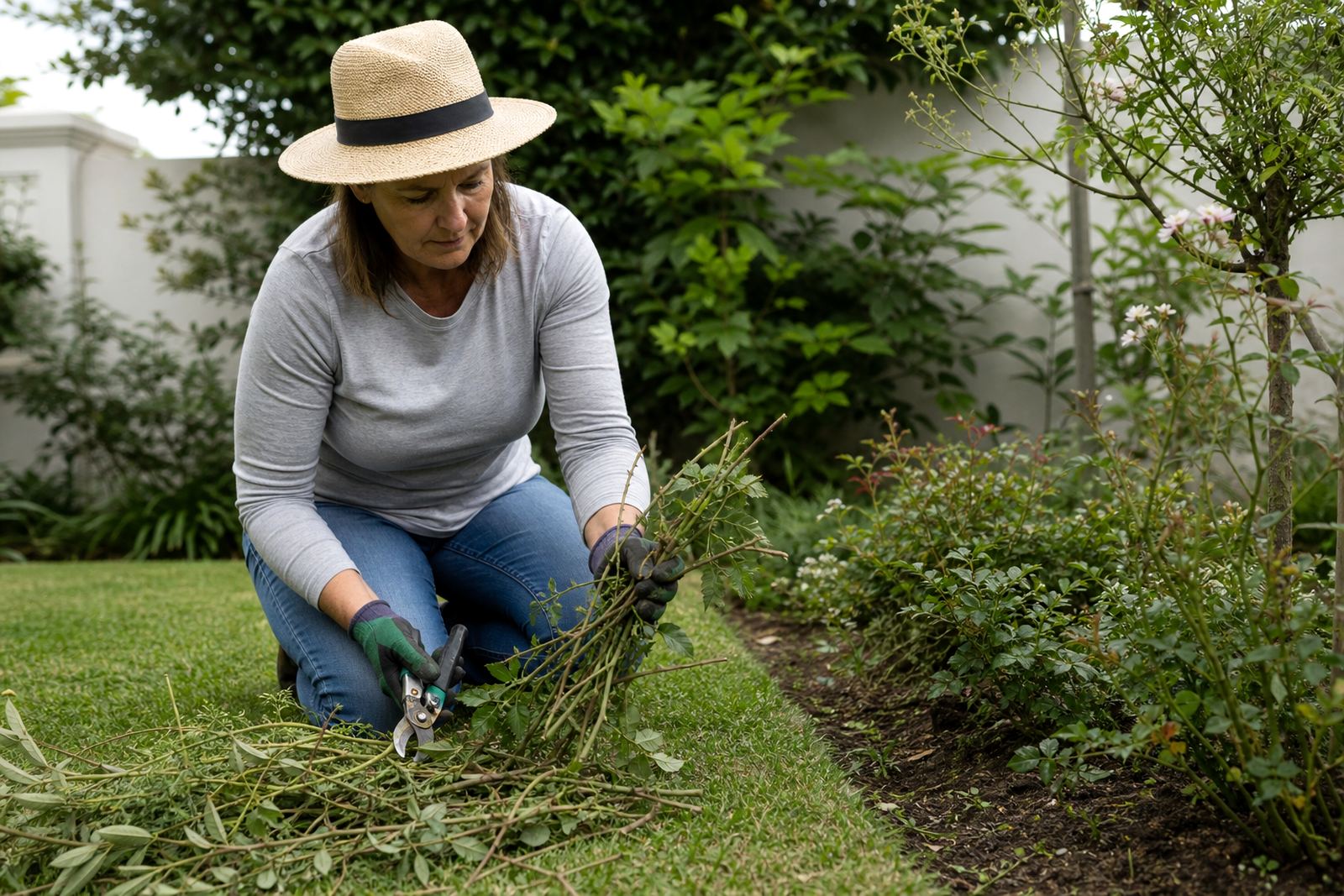
In larger gardens, it helps to work section by section. Start with the plants that need the most attention, then move to light shaping and deadheading. Keep a small pile bin nearby for cuttings so the work area stays clear. This matters in estates, apartment courtyards and retirement gardens where slips on clipped stems are common.
- Check for hidden thorns near eye level before leaning in
- Work from the outside of the bed inward
- Remove crossing stems first so the plant opens up
- Leave healthy outward-facing buds where new growth can follow
Common pruning mistakes that make roses harder to manage
The biggest mistake is using a blunt tool. Blunt blades crush stems rather than slicing them, and that slows healing. A second mistake is cutting too far above the bud, which leaves a stub that dies back and looks untidy. Cutting too low can also remove the growth point and weaken the plant for the next flush.
Another issue is trying to force one tool to do everything. Small shears are excellent for deadheading, but when a cane is too thick the gardener ends up squeezing harder and losing control. That is when torn bark and hand fatigue start. In coastal areas, leaving wet cuttings in the bed can also invite fungus, so it is better to clear the debris as you go.
- Do not prune with a dull blade
- Do not leave long stubs above each bud
- Do not use shears on thick woody stems
- Do not leave clippings under the bush after rain or irrigation
Budget ranges for rose pruning tools and care
For a simple home rose bed, a workable setup can start from about R250 to R600 if you only need one good pair of pruning shears and basic care items. If you add loppers and a hedge tool, most households and small gardeners budget between R700 and R1 800 depending on the handle style, blade size and how often the tools are used.
For landscaping teams and body corporates with regular pruning schedules, it makes sense to budget more for servicing and replacement parts over time. A blade sharpen, pivot adjustment or spring replacement is usually cheaper than replacing tools that are still structurally sound. In busy months after summer growth, a small fleet care plan can keep several sets ready for use and reduce downtime, which matters when work is booked across Durban, Johannesburg or Cape Town on tight time slots.
- Starter home set: R250 to R600
- Mid-range garden set: R700 to R1 800
- Regular servicing allowance: from about R120 per tool depending on work needed
- Replacement parts and fitting: priced by the part and condition of the tool
Keeping rose tools sharp, clean and ready for the next round
Rose pruning tools last longer when they are cleaned after use and stored dry. Sap, soil and fine grit wear blades down faster than most people expect. In humid coastal towns, rust can appear quickly if tools are left in a shed with poor airflow, so a wipe down and light oiling helps a lot.
Cut Tools Garden supports gardeners with blade sharpening, secateur servicing, lopper servicing, hedge shear servicing, spring replacement, grip replacement, pivot adjustment, rust removal, deep cleaning, parts fitting and tool inspections. For clients in Pietermaritzburg, Hilton, Howick and nearby areas, this keeps the tools ready for the next pruning cycle. If your rose work is done across a few sites, a proper service routine makes the whole job run smoother and the tools feel better in the hand.
For rose beds that are pruned often, it is worth checking tools before the busy season starts. A small fault can turn into a sore hand, a torn stem or extra time on site. It is better to fix it early than to fight the tool all day.