
Pruning fruit trees in Pietermaritzburg and beyond
Fruit tree pruning is not only for large orchards. In Pietermaritzburg, Durban and the coastal belt, many homeowners are working with a few citrus trees, peaches, naartjies, guavas or figs in compact yards, while landscapers may be shaping mixed plantings on estates, schools and body corporate sites. The right pruning setup helps you remove dead wood, open the canopy for sunlight and keep fruit within easy picking height.
At Cut Tools Garden in Mkondeni, we supply tools that suit that kind of practical work. The aim is simple: clean cuts, less strain on the hands, and equipment that handles regular use in warm inland conditions and humid coastal weather. If your trees are left to thicken up, you end up with weak airflow, more pest pressure and harder harvesting. A good pruning routine makes the whole job less tiring and more predictable.
Typical tool set for fruit tree work
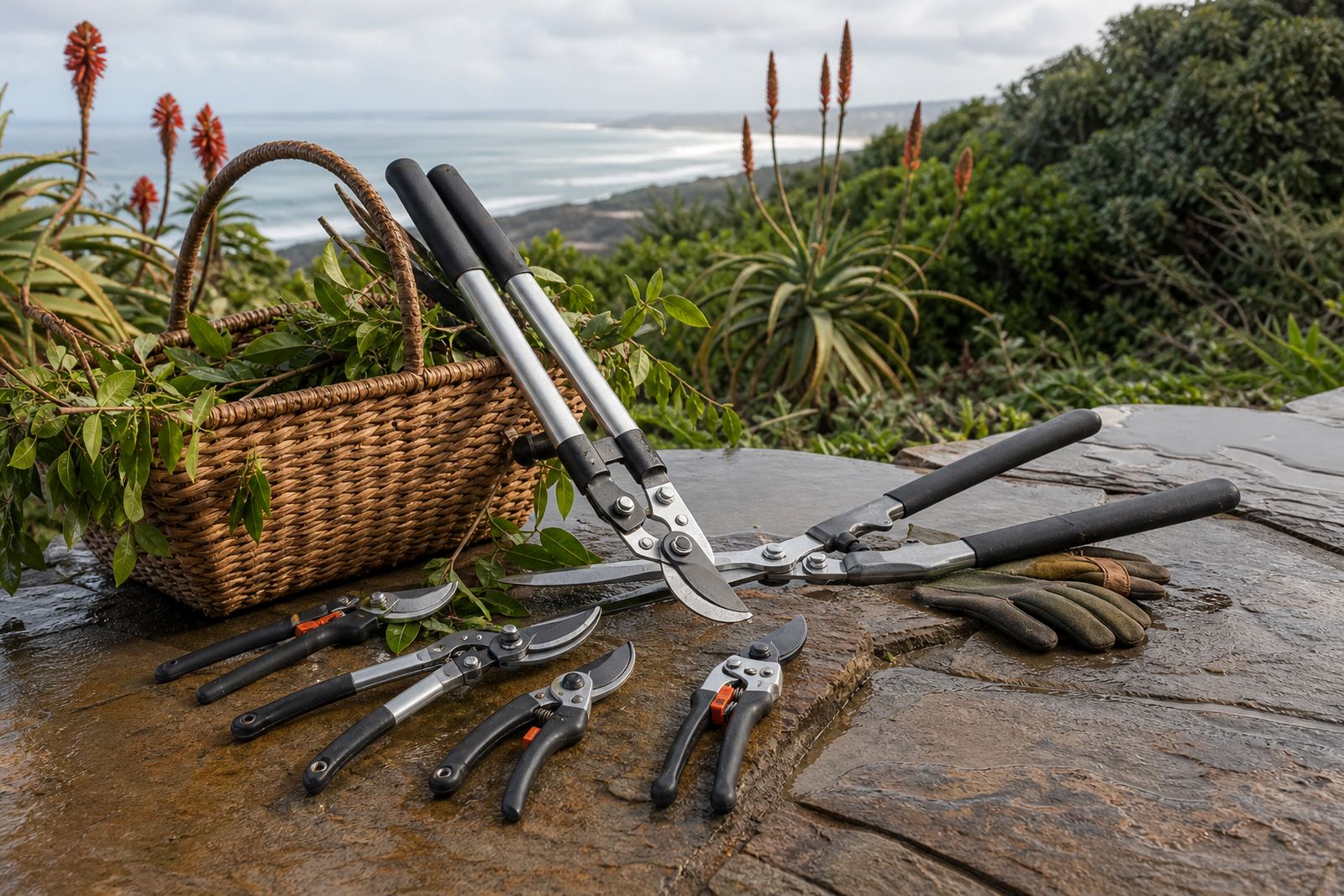
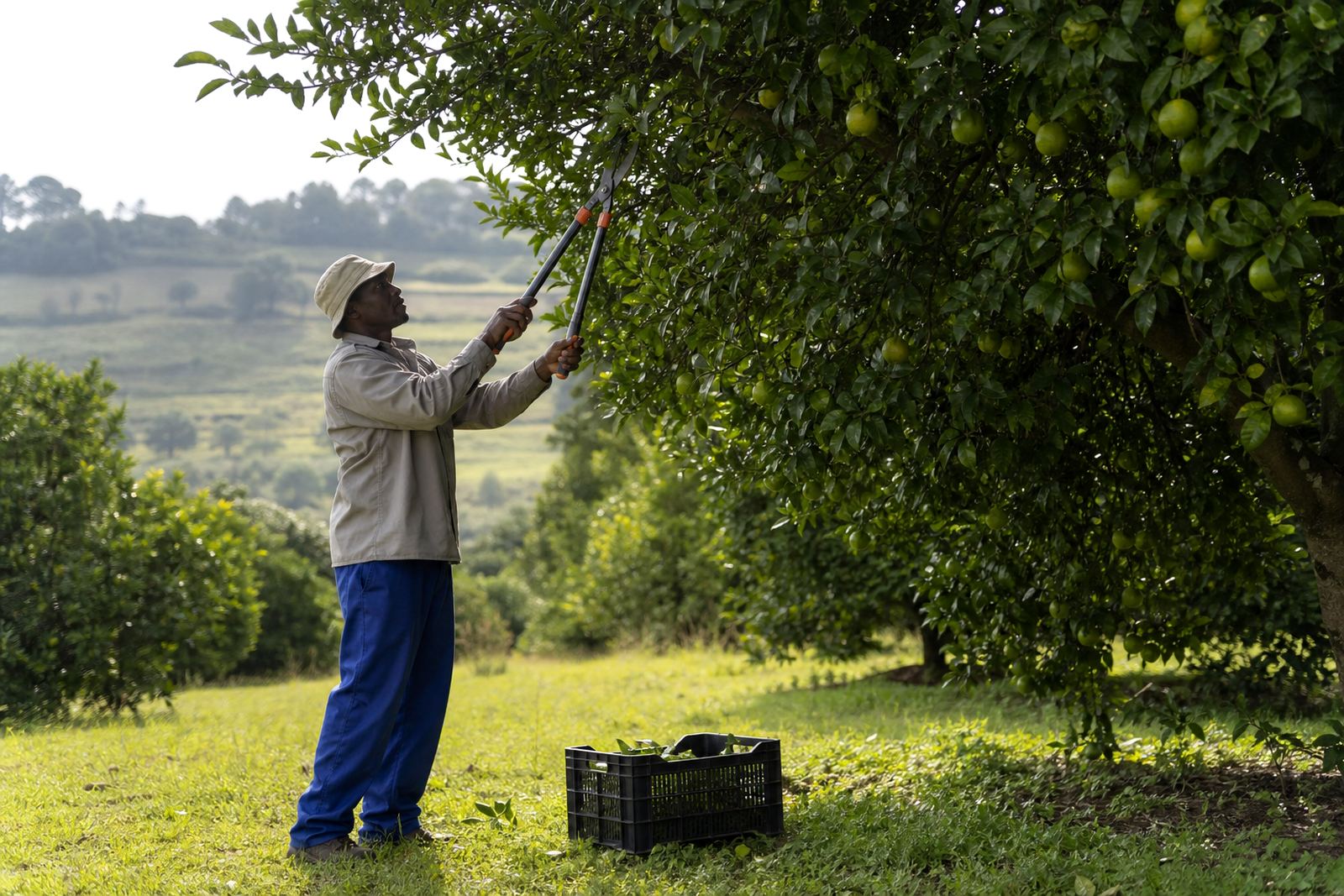
The usual set depends on tree size, branch thickness and how often the work is done. For light shaping and thinning, a sharp pair of pruning shears is often enough. For medium branches on mature fruit trees, loppers give the extra reach and cutting power. Hedge tools help when you are tidying surrounding growth, forming windbreaks or keeping access paths clear around orchard rows.
- Pruning shears for green shoots, water sprouts and small fruiting wood.
- Loppers for thicker branches that are too much for hand shears.
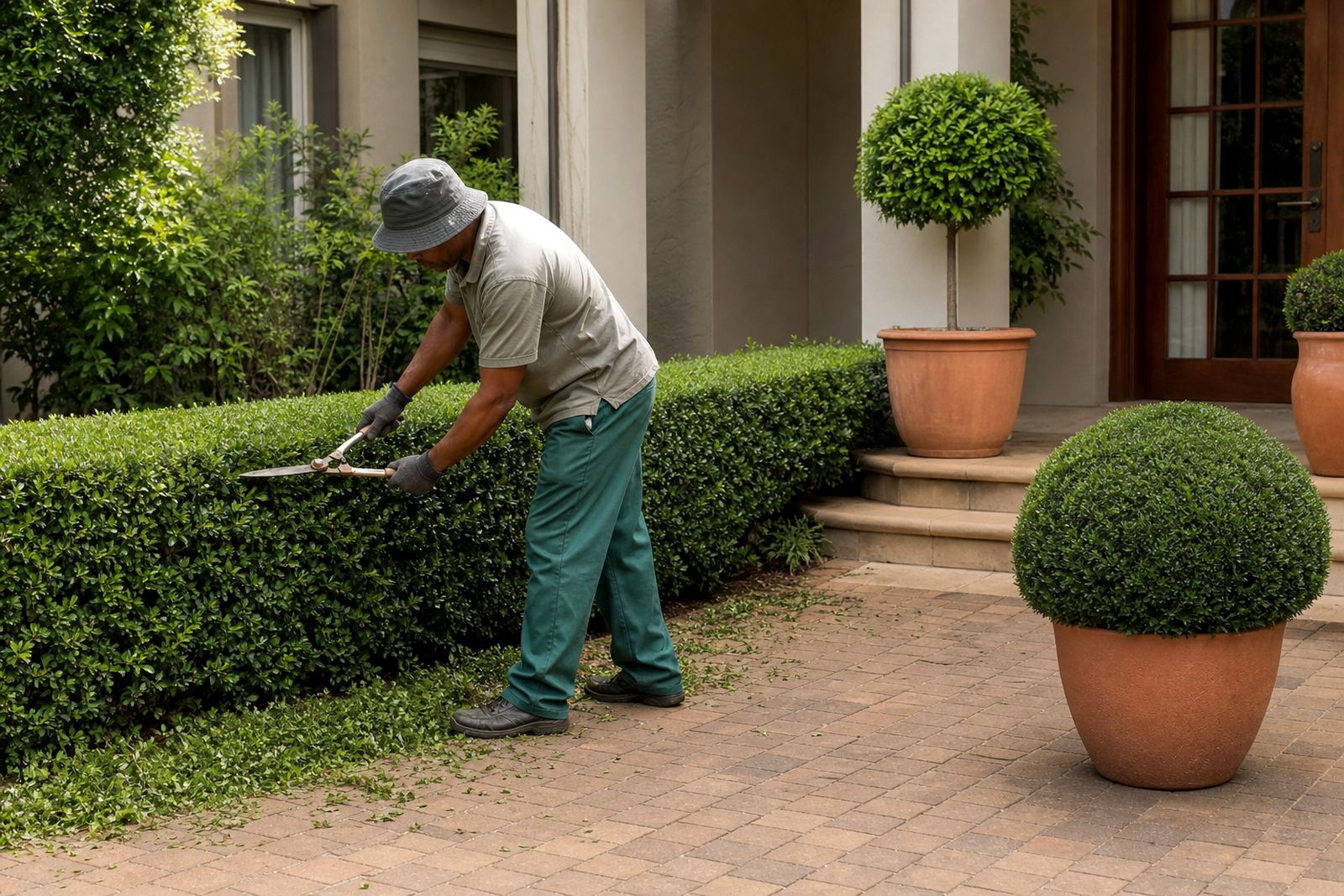
- Hedge shears or hedge tools for border growth and general shaping around the orchard edge.
- A sharpening stone or servicing plan so blades stay clean and accurate.
- Replacement springs, grips and pivots for tools used every week.
For commercial crews in Johannesburg, Pretoria or Cape Town, a mixed kit is usually better than one oversized tool. It gives better control and reduces fatigue, especially when pruning several trees in a row.
How to plan the job before the first cut
Fruit tree pruning goes faster when you plan the layout before you start. Walk the site first and look at access, footing, water points and where cut material will be stacked. If the orchard sits near a wall, driveway or municipal boundary, leave enough room for ladders and offcuts so you do not block access. In Durban and other wet areas, keep pathways clear because damp grass and pruning waste can become slippery quickly.
For home gardens, work tree by tree. Mark which limbs are dead, crossing, rubbing or hanging too low. If the tree is part of a mixed garden, watch for irrigation lines, pool fencing, or utility cables close to the canopy. A small pruned tree can turn into a messy job if the cut plan is not sorted first. It also helps to start with the top and outer growth, then move inward so you can see the structure more clearly as you work.
- Choose a dry day if possible, especially in coastal humidity.
- Keep a waste pile in one spot for easier removal.
- Use clean blades to reduce tearing on the wood.
- Take breaks on hot days, especially in summer around Pietermaritzburg and inland Gauteng.
Common mistakes that cost time and fruit
One common mistake is using blunt tools. Blunt blades crush stems instead of cutting them cleanly, which slows healing and can leave the tree exposed to disease. Another issue is over-pruning. Removing too much in one session can push the tree into weak regrowth and reduce the next crop. On older trees, people sometimes leave stubs, which become entry points for rot and insect damage.
Using the wrong tool is another problem. A small pair of shears is not meant for thick wood, and forcing it can bend the pivot or crack the handle. Loppers with a poor grip can also become tiring if the spring is weak or the handles are slippery. If you are working near the coast, rinse tools after use and dry them properly because rust sets in faster than most people expect. A short maintenance routine after each job saves money later, and helps the blade stay true.
Budget ranges for fruit tree pruning gear
For a home gardener pruning a few fruit trees, a basic setup can be kept fairly modest. A sensible entry budget for a good pair of pruning shears and a simple lopper may start from about R350 to R900, depending on size and comfort. Add servicing or replacement parts and the first year cost may sit around R500 to R1 500 for a small garden.
For landscapers, small estates and maintenance teams, the budget is higher because the tools need to handle frequent use. A more complete kit with multiple shears, loppers, hedge tools, sharpening and replacement parts can sit from about R1 800 to R4 500 or more, especially if you add a fleet care plan. That kind of spend makes sense when crews are pruning weekly across Durban, Pretoria, Cape Town or Gqeberha and cannot afford downtime. Load-shedding also matters, because manual tools must stay ready when powered equipment is out of action.
Servicing that keeps fruit pruning work moving
Fruit tree pruning is seasonal, but the tools should stay ready all year. At Cut Tools Garden we support blade sharpening, secateur servicing, lopper servicing, hedge shear servicing, spring replacement, grip replacement, pivot adjustment, rust removal, deep cleaning, parts fitting, tool inspections and fleet care plans. That keeps tools cutting cleanly before the busy pruning months and after heavy summer growth.
We work with home gardeners and professional crews, with supply and support from Pietermaritzburg to stockists in Hilton, Howick, Durban, Johannesburg, Pretoria, Cape Town and Gqeberha. If you are pruning a small backyard citrus tree or managing rows of fruit trees on a larger site, the right tool care helps the work stay smooth and safe. Sibusiso Mthembu and the team keep the focus on practical supply, proper handling and tools that are ready when the season starts.