When a small yard starts looking tired
A backyard clean-up is usually less about a full overhaul and more about getting control back before the next rain or school holiday braai. In Pietermaritzburg, Durban and other humid parts of KwaZulu-Natal, growth can jump fast after warm wet weather, and light tools are often enough if you are staying on top of it every few weeks.
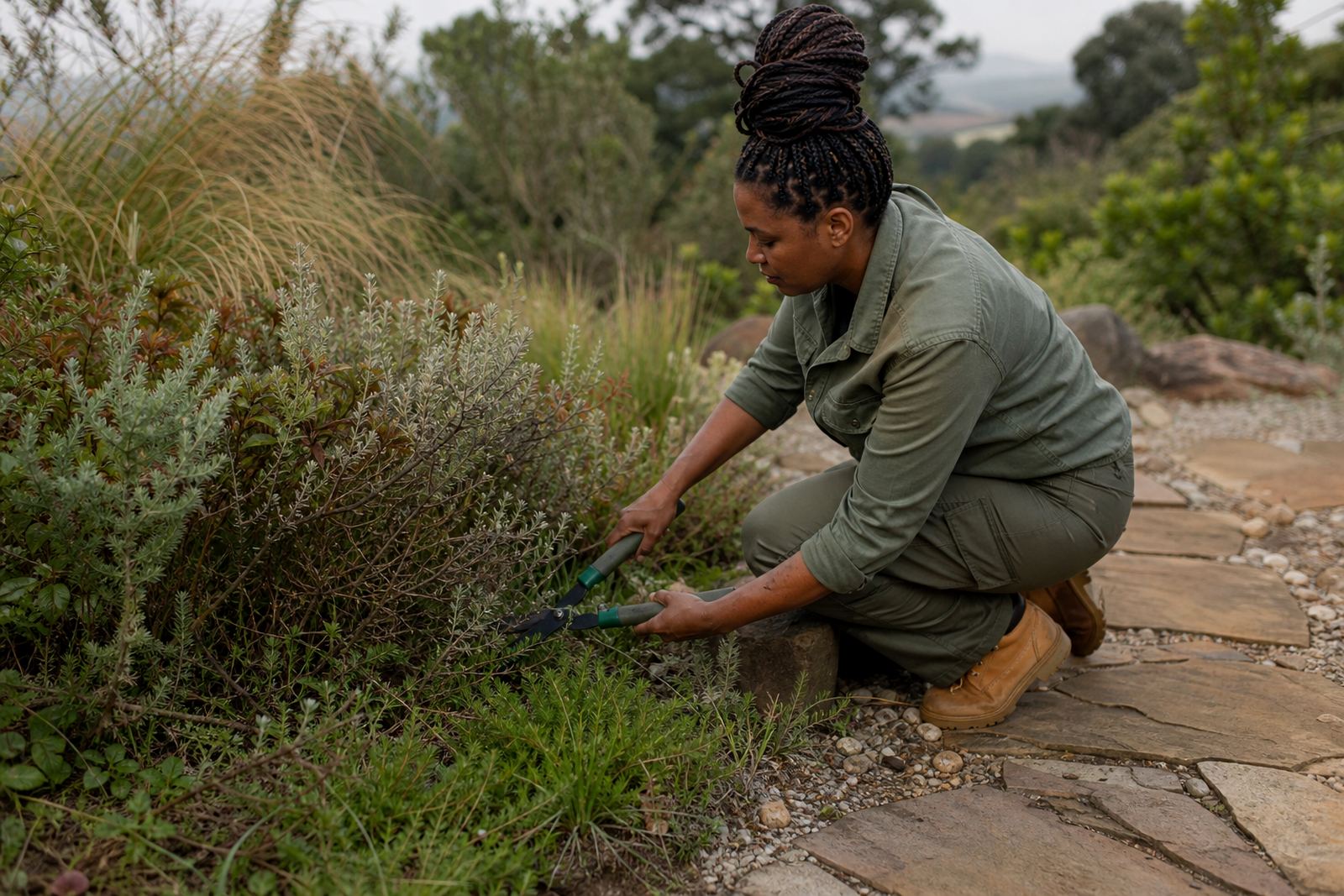
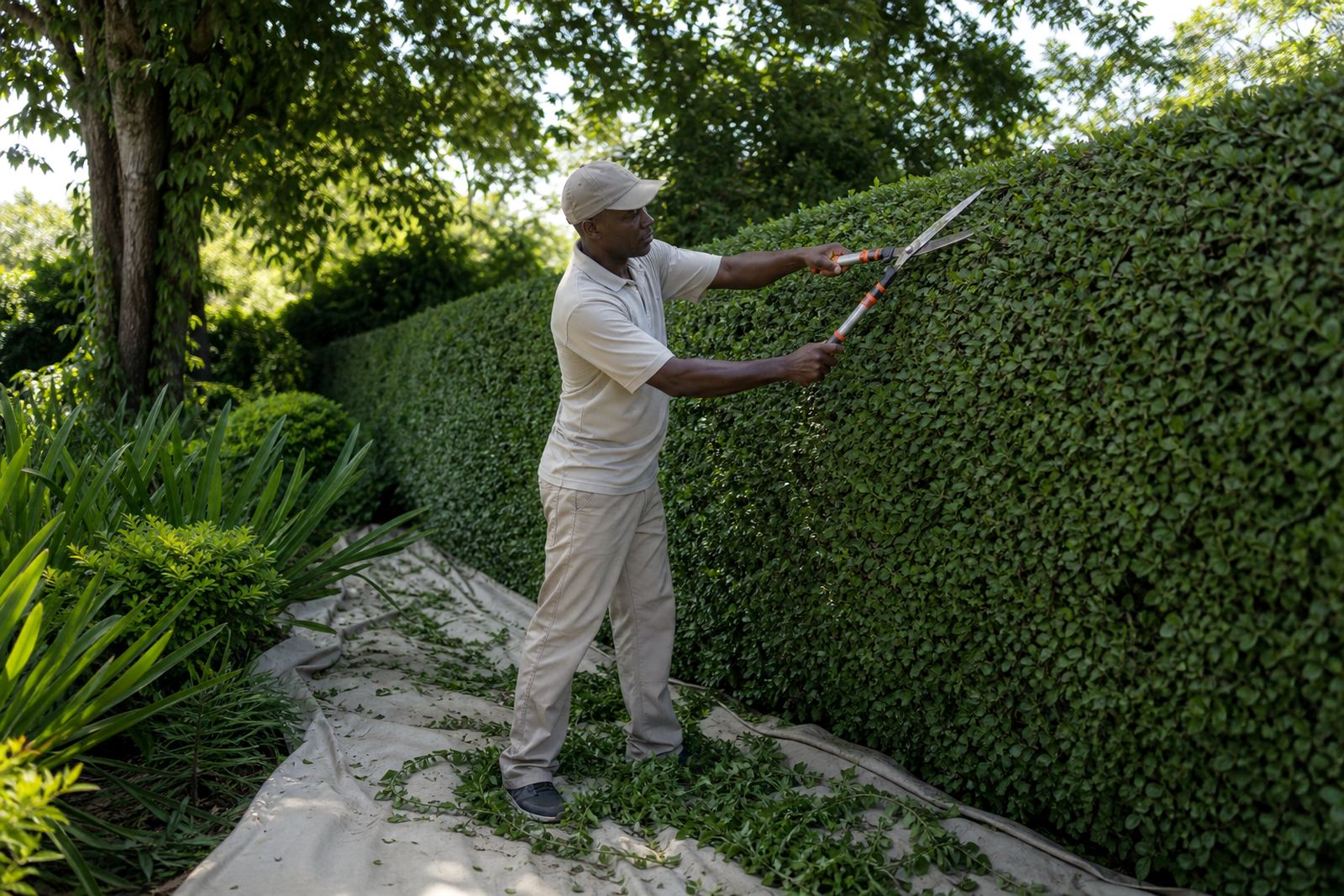
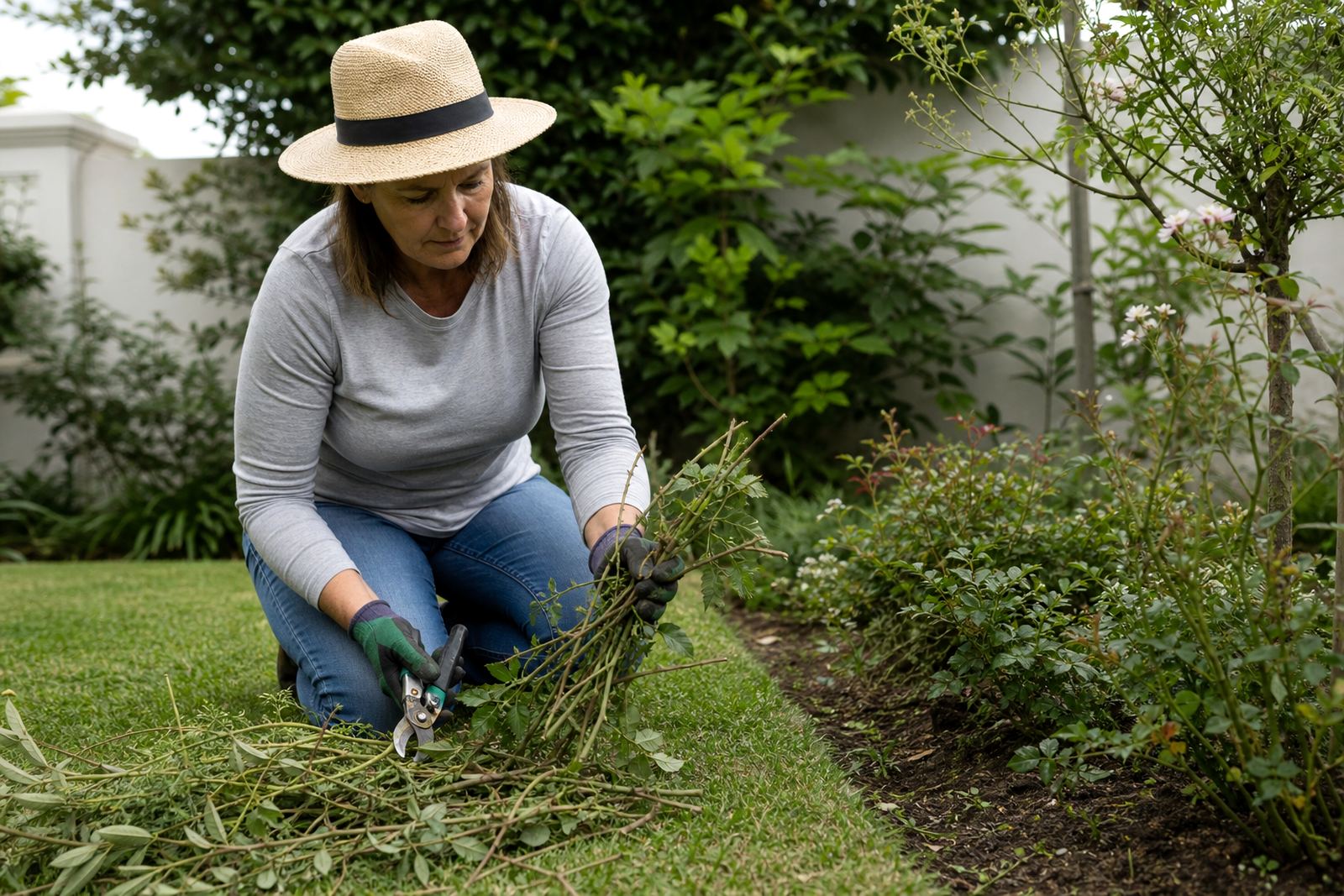
For home gardeners, the usual job list is simple: clip back soft growth, remove dead tips, shape a hedge, and cut through stems that are too thick for secateurs but not thick enough to need heavy saw work. For landscapers doing residential properties, the aim is speed, clean cuts and equipment that feels good in the hand after an hour of use.
The usual tool set for a quick tidy-up
The right kit depends on the size of the yard and how hard the plants have grown since the last trim. Most backyard jobs can be handled with three core tools, then a few extras for finishing and care.
- Garden pruning shears for flowers, soft stems and small branches.
- Loppers for thicker stems, low branches and overgrown shrubs.
- Hedge tools for shaping boundary hedges, screening plants and formal lines.
- Gloves with a good grip for wet leaves and thorny cuttings.
- A bucket, tarpaulin or garden bag for quick collection so the yard does not stay messy.
For clients working near the coast, corrosion resistance matters. Coastal humidity in Durban, Gqeberha and Cape Town can leave metal tools with surface rust if they are stored damp. A simple wipe-down after use goes a long way, and so does keeping blades clean before they get packed away.
How to plan the clean-up so it stays manageable
It helps to work from the outside in. Start with the hedge line, then move to shrubs, then finish with the edges and small snips. That keeps cuttings from landing on areas you already cleared. If the yard is tight, split the space into sections: front strip, side passage, washing line area and back boundary. That makes it easier to see progress and avoid missing a patch.
In smaller suburban spaces, good layout planning also means thinking about access. Leave a clear path to the wheelie bin, the tap and the washing line before you begin. If you are trimming near paving or walls, make sure the blades are set for neat cuts so you are not tearing bark or leaving ragged ends that dry out.
For landscapers and caretakers managing several homes in areas like Hilton, Howick or the suburbs of Johannesburg and Pretoria, it is worth setting tools aside by task. One set for soft growth, one for thicker pruning, and one for hedging makes the work quicker and cuts down on tool mix-ups.
Common mistakes that slow the job down
One of the biggest mistakes is using the wrong tool for the stem size. If the blade is forced through wood that is too thick, the cut becomes uneven and the tool wears out sooner. Another issue is working with blunt blades. You end up squeezing harder, the cut is rougher, and hands get tired faster.
People also often forget that a small garden still needs a clear sequence. If you trim the hedge first and then cut shrubs under it, you will be sweeping the same area twice. If you prune on a wet afternoon and leave tools in the garage without drying them, rust can appear before the week is out. That is especially common in damp coastal conditions and during load-shedding when jobs get left half-finished and tools are put away in a hurry.
- Do not cut too much at once if the plant is stressed from heat or dry soil.
- Do not store dirty blades with sap still on them.
- Do not ignore loose screws, tired springs or a slipping grip.
- Do not leave cuttings in the beds for days, they trap moisture and insects.
Budget ranges for backyard clean-up tools
Most homeowners do not need a full commercial set to keep a small property tidy. A basic backyard clean-up pack for light seasonal use can start from about R450 to R900, depending on blade quality and handle comfort. That usually covers one pair of pruning shears and a light lopper, with a hedge tool added if the property has screening plants or a clipped boundary.
For regular use, many buyers move into the R1 000 to R2 500 range. That is often the better choice for landscapers, busy households, or properties with thicker growth and more frequent maintenance. Once you factor in servicing, replacement grips, springs and sharpening, the better tool often costs less over time because it lasts longer and cuts cleaner.
If you are managing several homes, small fleet care plans can help keep tool condition consistent. That matters when different team members use the same equipment and the work needs to stay neat from one site to the next.
Keeping tools ready for the next trim
A backyard clean-up should leave the property looking better, not leave the tools worn out. After each job, wipe the blades, clear sap, check the pivot and look for rust spots or loose fittings. A quick service now and then is enough for many tools, but a deeper inspection is useful when a blade starts pinching or the cut quality drops off.
Cut Tools Garden supports home gardeners and professional users with blade sharpening, secateur servicing, lopper servicing, hedge shear servicing, spring replacement, grip replacement, pivot adjustment, rust removal, deep cleaning, parts fitting, tool inspections and fleet care plans. From Mkondeni in Pietermaritzburg, the team supplies customers across Durban, Johannesburg, Pretoria, Cape Town and Gqeberha, with stockists in Pietermaritzburg, Hilton, Howick and other major areas.