When hedge shaping needs more than a quick trim
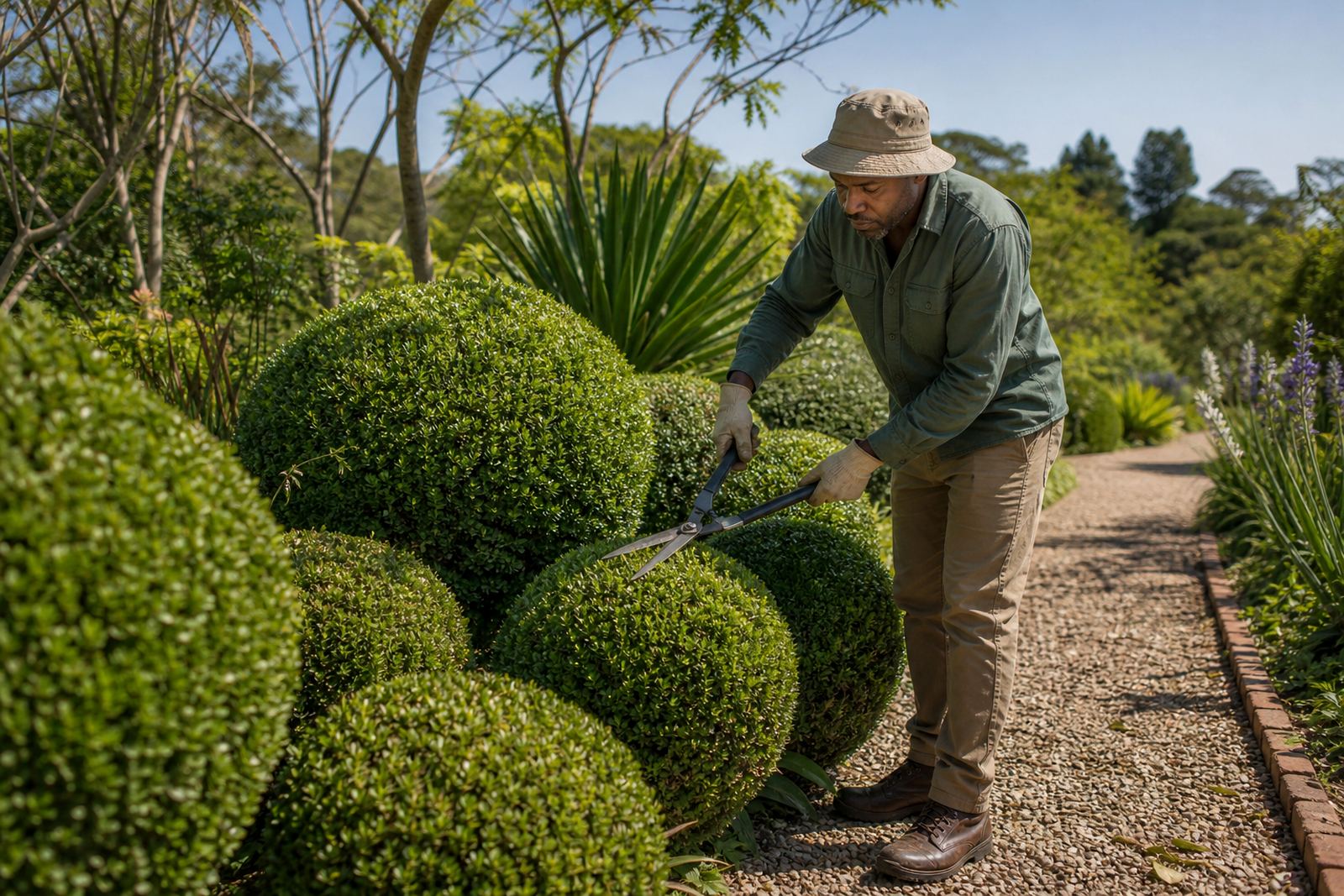
Hedge shaping is not only about taking off the green tips. A good result depends on how the hedge is growing, how straight the line must be, and whether you are keeping a formal box shape or a softer, informal curve. In Pietermaritzburg, Durban and other coastal towns, hedges often put on fast growth after summer rain, while inland jobs in Johannesburg and Pretoria may need more attention to water stress and dusty conditions. The tool choice changes with that workload.
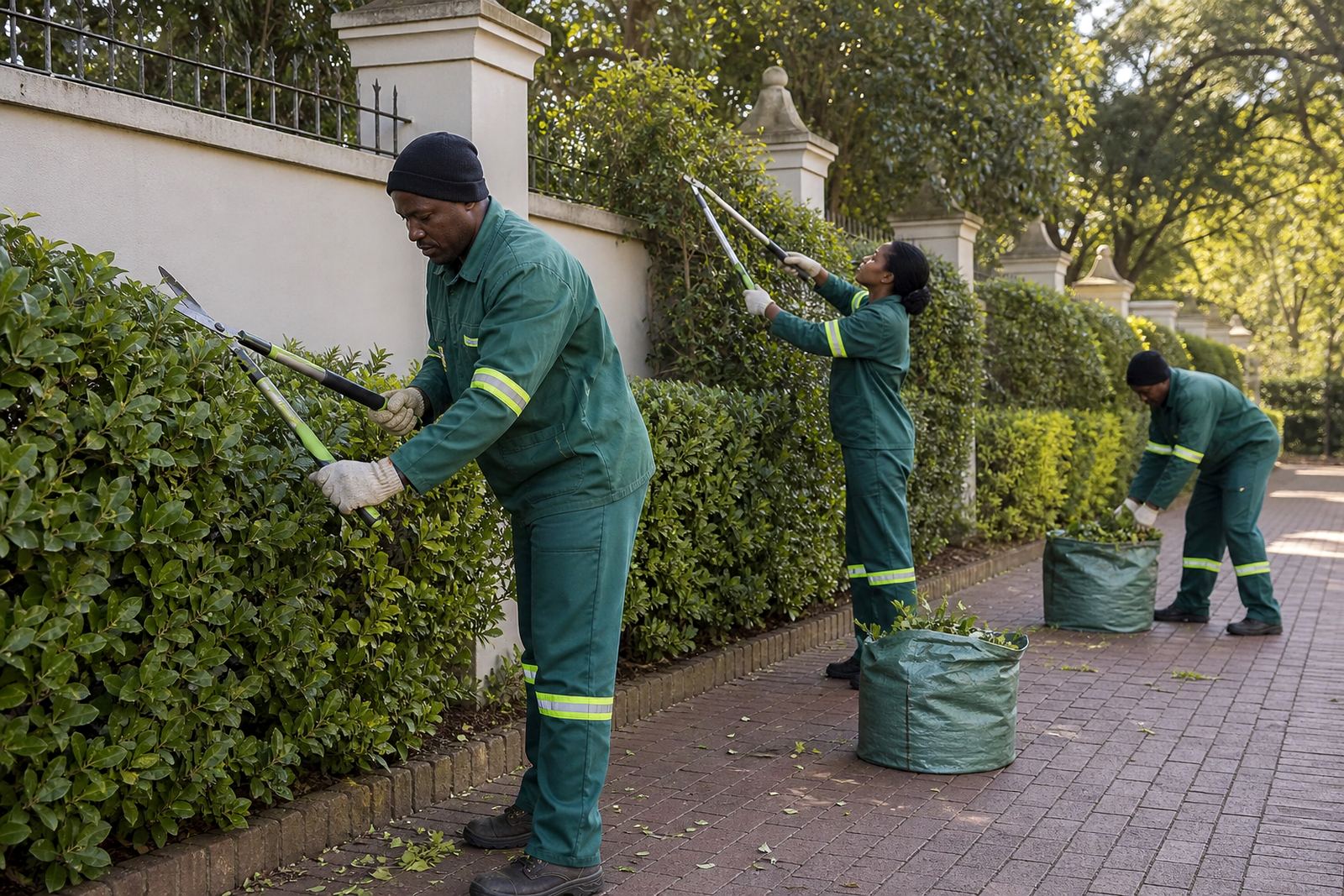
For home gardeners, the usual problem is uneven growth at the top and sides, plus a few thick stems that a light clip will not handle. For landscapers and body corporates, the challenge is volume. You may have 20 metres of hedge on one property and 200 metres on another, with different heights, access points and municipal verge limits to keep in mind. That is where proper cutting tools save time and leave a cleaner line.
- Light shaping for young or soft growth
- Regular maintenance on established hedges
- Thicker stems at the base or around old growth
- Top edging for straight formal finishes
- Side trimming for width control and air flow
Typical hedge shaping kit for South African jobs
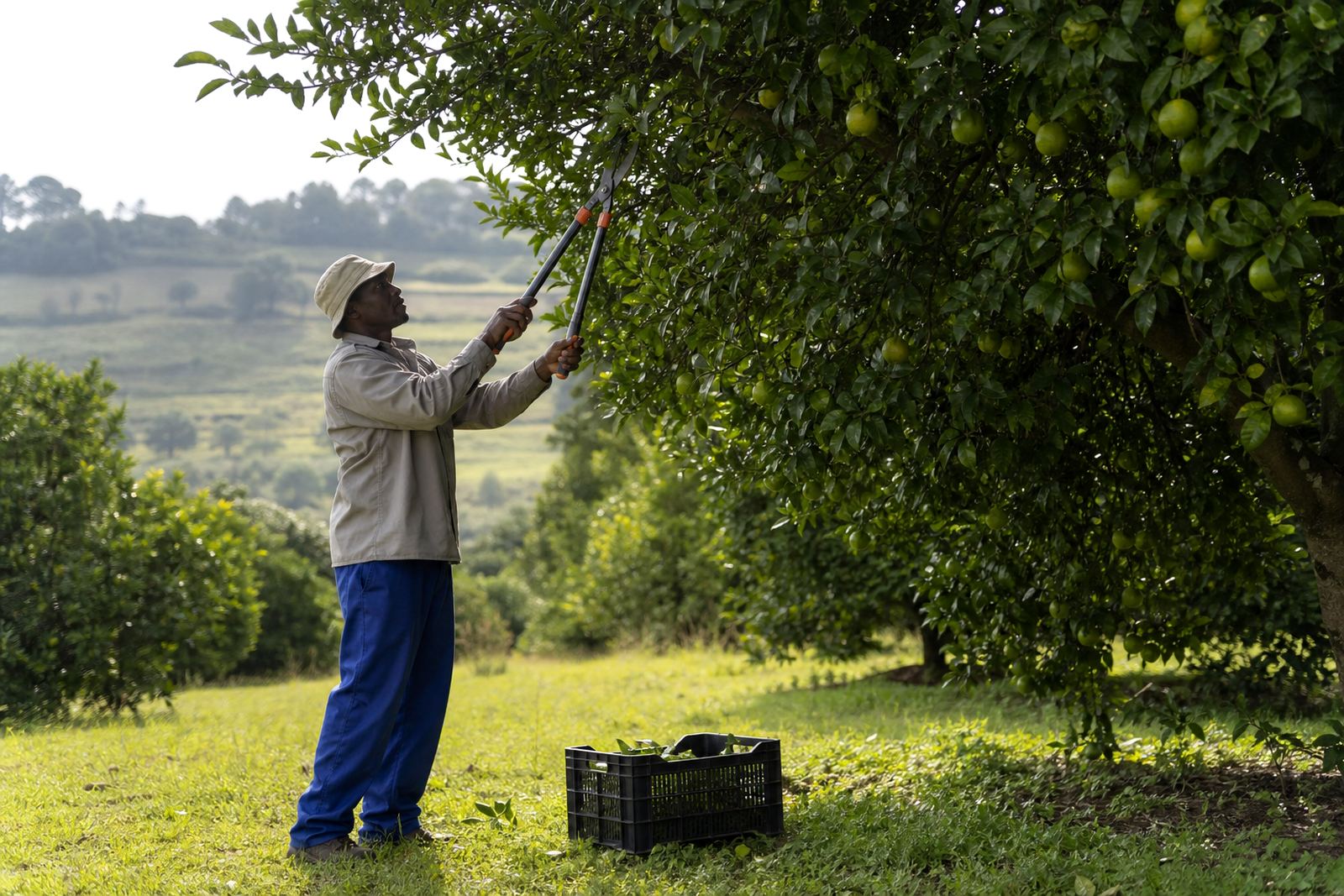
Most hedge shaping jobs need a small set of hand tools rather than one oversized cutter. A sharp pair of pruning shears is useful for stray shoots and detail work around gates, posts and corners. Loppers help with woody stems that are too thick for hand shears, while hedge tools are best for the long, straight passes on the face and top of the hedge. For larger properties or frequent commercial work, a split kit keeps the team moving without waiting on one tool.
Because South African gardens vary so much, from coastal sand to highveld clay, comfort matters as much as edge quality. Soft grips, balanced handles and decent pivot tension reduce hand strain on longer jobs. In humid areas like Durban and Gqeberha, rust resistance becomes important too, because tools left damp in a van or store room will pit quickly if they are not cleaned and dried. It is basic care but often missed.
- Pruning shears for detail cuts and finishing
- Loppers for thicker stems and stubborn regrowth
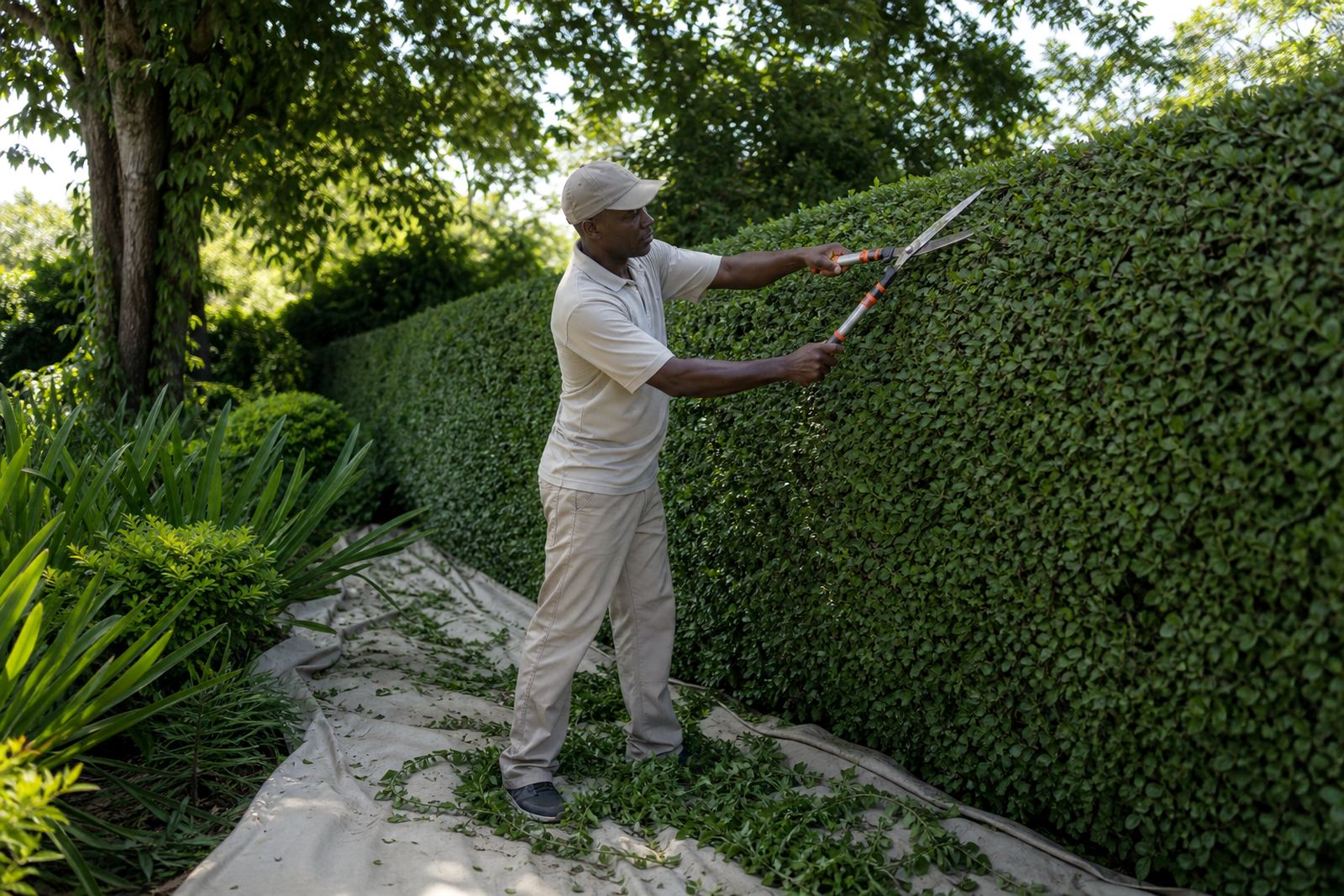
- Hedge shears for long, straight shaping passes
- Tool oil and a cloth for after-job cleaning
- Replacement springs and grips for worn handles
Planning the hedge line before the first cut
Good hedge shaping starts before the blade touches the plant. Decide where the line should sit, how high it must remain, and whether the hedge should be slightly wider at the bottom so the lower growth still gets light. That taper is common on formal hedges and it helps prevent bare patches near the base. In tighter Pietermaritzburg suburbs and many municipal verges, you also need to keep the hedge inside boundaries and clear of footpaths, driveways and sight lines.
For larger spaces, it helps to mark the job in sections. Start with the top line, then work down the sides in manageable lengths. On wind-exposed sites near the coast, the hedge may look straight from one angle and uneven from another, so step back and check from more than one point. A string line or visual marker can save a lot of guesswork when the hedge is long or the ground slopes.
- Check boundary lines before trimming starts
- Work from the top first, then the sides
- Keep the base slightly wider than the top
- Trim in sections so the line stays even
- Allow for wind, slope and uneven ground
Common mistakes that leave hedges patchy or untidy
The most common mistake is using the wrong tool for the stem size. Hedge shears are for frequent shaping, not for chopping through thick woody growth. Another issue is cutting too far into old brown wood, where recovery is slow or sometimes patchy. On busy sites, teams can also rush the top line and end up with a wavy finish that shows from the street immediately.
Another problem is poor maintenance of the tools themselves. Blades that are dull or dirty crush stems instead of slicing them cleanly, and that invites stress or disease in the plant. Springs that have gone soft, handles with loose grips and pivots that are out of adjustment all make the work harder. A quick service before peak season can prevent a lot of frustration later on, and it usually costs less than replacing the whole tool set.
- Using hedge shears on stems that need loppers
- Cutting back too hard into bare wood
- Ignoring blunt blades and loose pivots
- Working without checking the line from a distance
- Leaving wet tools uncleaned after coastal jobs
Budget ranges for hedge shaping tools and upkeep
For home gardeners, a sensible starting budget for hedge shaping tools is usually between R450 and R1 500, depending on whether you need one basic tool or a small set for mixed growth. If you are adding lopper servicing, blade sharpening or replacement parts, it is wise to allow another R150 to R600 for maintenance over time. For bigger gardens and regular commercial use, a more complete working set can sit in the R1 800 to R4 500 range, especially if you want spare pairs and backup parts on hand.
Landscapers and fleet teams working across Durban, Johannesburg, Pretoria, Cape Town and Gqeberha often budget separately for servicing because tools are used harder and moved more often. A good yearly care plan is usually cheaper than repeated emergency replacements. In humid or salty air areas, cleaning and rust removal need to happen more frequently, and in dusty inland areas pivot adjustment and blade care are often the bigger issues.
- Home hedge shaping starter set: R450 to R1 500
- Regular servicing and parts: R150 to R600 extra
- Commercial working set: R1 800 to R4 500
- Seasonal maintenance for frequent users: budget annually
How Cut Tools Garden supports hedge shaping work
Cut Tools Garden supplies hedge shaping tools from Mkondeni in Pietermaritzburg to home gardeners and landscaping teams across South Africa. We work with clients in Pietermaritzburg, Hilton, Howick, Durban, Johannesburg, Pretoria, Cape Town and Gqeberha, with the same focus on practical tool choice and proper upkeep. If you are maintaining a townhouse hedge, a school boundary or a full estate line, the right combination of shears, loppers and hedge tools makes the work quicker and neater.
We also support the tools after the sale with blade sharpening, secateur servicing, lopper servicing, hedge shear servicing, spring replacement, grip replacement, pivot adjustment, rust removal, deep cleaning, parts fitting, tool inspections and fleet care plans. For clients who need regular upkeep through the growing season, that support keeps the cutting edge in good order and helps tools last longer. If you want to ask about hedge shaping tools or servicing, send an enquiry through the contact page and our team will help with the right set for your job.