What park garden care usually needs on site
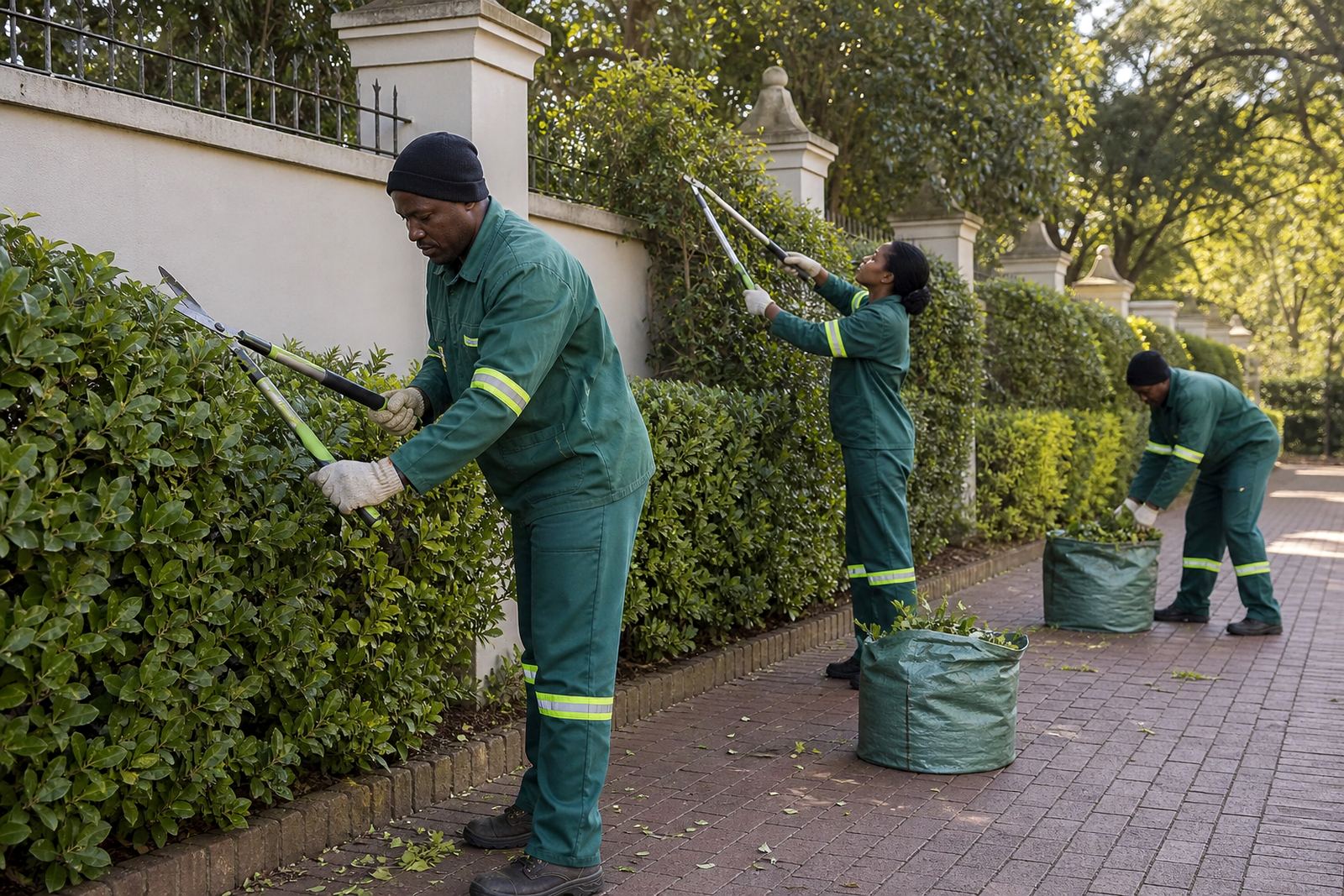
Park work is not the same as home garden maintenance. Crews deal with long boundary hedges, mixed shrub beds, pavement edges, sports field surrounds and open green spaces that must look neat even after a windy week or heavy rain. In Pietermaritzburg, Durban and other coastal areas, humidity can speed up rust and gum up moving parts, while inland dust and dry weather can leave blades dull faster than expected.
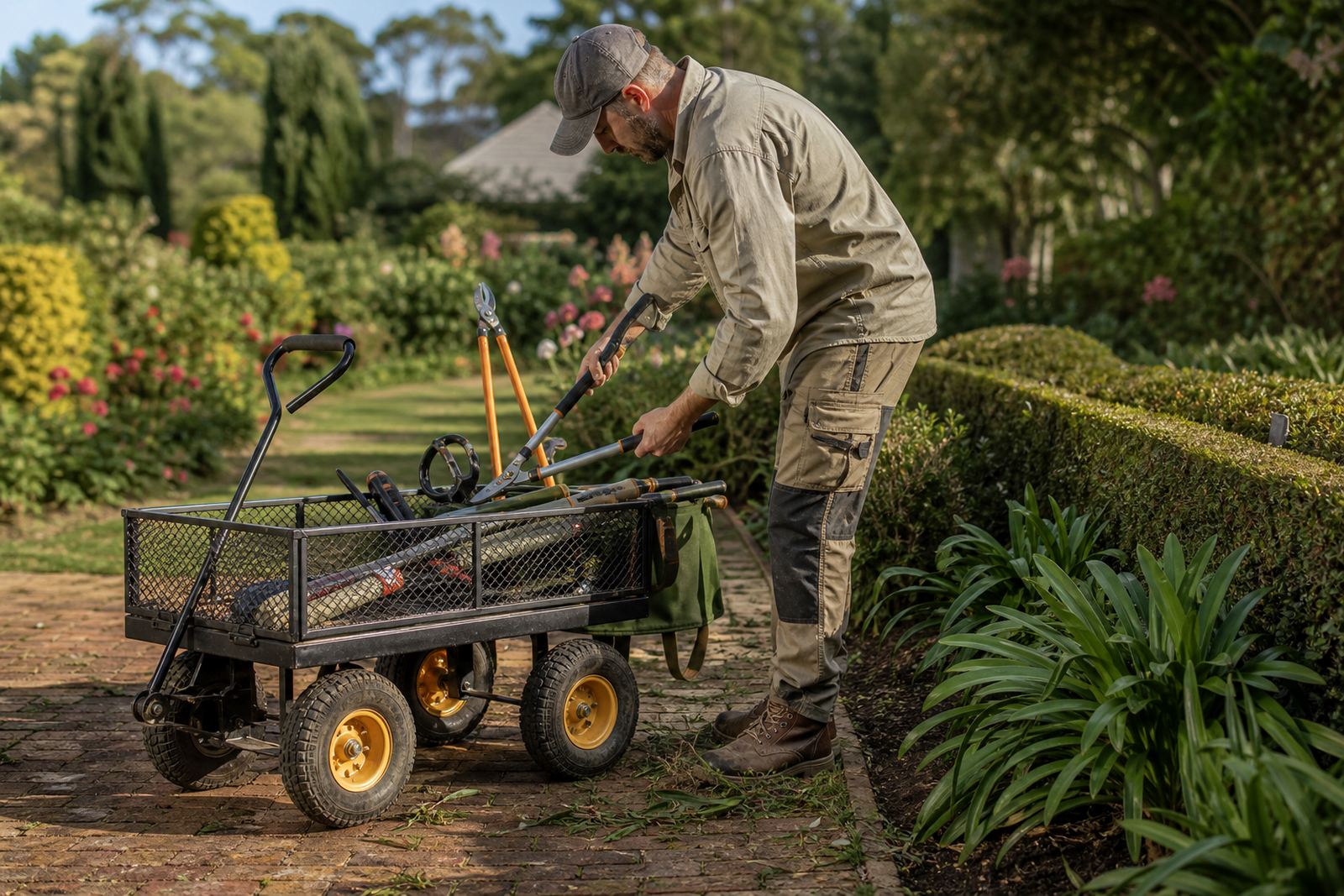
For that reason, the right tool set is usually simple but varied. Short pruning shears handle fine trimming and deadheading, loppers cut thicker canes and woody stems, and hedge tools keep formal edges level across long runs. A park team also needs spares on hand, because one broken spring or loose pivot can slow down a whole route. Good planning means carrying enough tools for the crew, not just one shared set that gets passed around and worn out.
- Pruning shears for light shaping and flower bed tidy work
- Loppers for thicker shrubs, old growth and awkward stems
- Hedge tools for boundary lines, top trims and level finishes
- Spare springs, grips and pivot parts for quick repairs
- Sharpened blades for cleaner cuts and less plant stress
A practical equipment set for regular park rounds
Most parks do best with a mix of hand tools and support services, rather than buying only one type of cutter. A smaller municipal crew may run two or three pruner sizes, one set of long loppers, and hedge tools matched to the shape of the planting beds. Larger contractor teams in Johannesburg, Pretoria or Cape Town often keep extra sets so that if one tool is in service, the route still carries on without delay.
A sensible kit also takes the operator into account. Comfortable grips matter when crews work for hours, and balanced handles reduce fatigue on slopes and along long verges. If tools are too light they can flex and snag, and if they are too heavy the crew slows down. For parks near schools, clinics or taxi ranks, quick clean cuts also matter because untidy stems and torn bark show fast and invite complaints.
- Bypass style pruning shears for living stems and softer growth
- Long-reach loppers for thicker branches up to typical shrub size
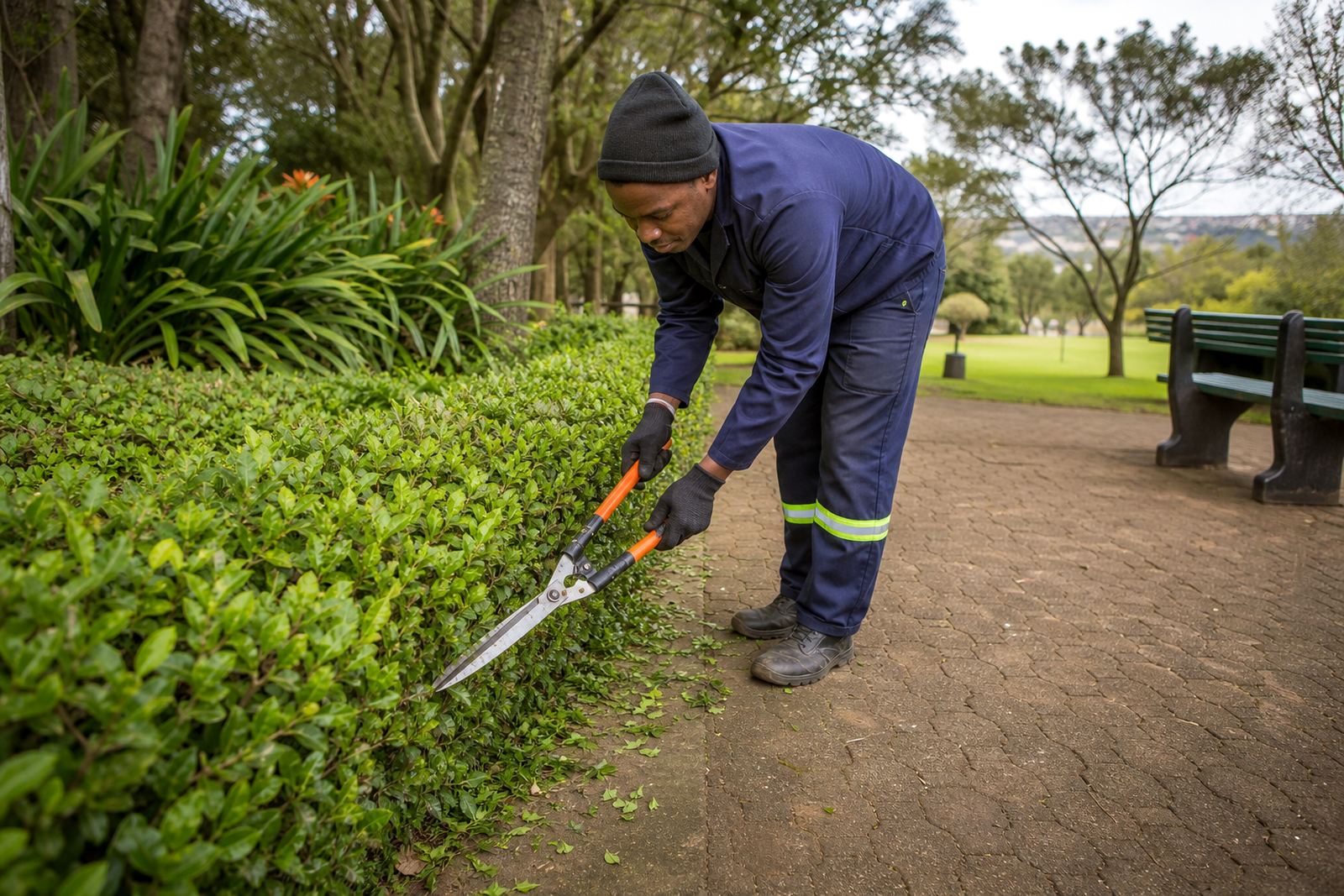
- Hedge shears for straight lines, formal hedges and edge finishing
- Replacement springs and grips to extend tool life
- Inspection and servicing schedules for daily or weekly use
Layout advice for parks, medians and public open spaces
Good park care starts with layout. Divide the site into sections that match how the hedges and shrubs grow, then assign tools by task instead of by habit. A long formal hedge along a boundary needs a different rhythm from mixed planting around play areas. If a team has to walk back and forth for every tool change, time gets wasted and the cutting pattern becomes uneven.
For municipal parks and managed estates, it helps to keep a small service point near the main work area, especially where load-shedding affects charging equipment or where storage is limited. The team should have a clear place for clean tools, blunt tools and tools due for repair. In coastal towns, wipe down blades after use and store them dry, because salty air can mark the metal faster than expected.
When planning routes, match the tool length to the space. Narrow paths and planted islands need shorter, more controllable tools, while long perimeters and high hedges call for stronger leverage. This reduces over-cutting and helps crews keep a neater line from one visit to the next.
Common mistakes that cost parks more later
The biggest mistake is waiting until tools fail before servicing them. A dull blade does not only look untidy, it also tears stems, makes the cut slower and puts extra pressure on the worker. Another common problem is mixing park tools with general maintenance tools and never tagging them for service, so wear goes unnoticed until a busy day. That usually means more downtime and a higher replacement bill.
Another issue is buying too few tools for the size of the site. If a three person crew shares one pair of loppers and one hedge tool, the whole job slows down and the finish is uneven. Poor storage is also a problem in KwaZulu-Natal and along the coast, where humidity can bring on rust if the kit is packed away wet. Even a small delay in cleaning can turn into pitted blades, sticky joints and loose pivots.
- Do not leave wet tools in closed sheds after rain or irrigation work
- Do not use one tool set for every task on large park routes
- Do not ignore loose handles, springs or worn grips
- Do not wait for heavy rust before arranging cleaning or servicing
Budget ranges for park care tools and servicing in Rand
For planning purposes, park care budgets can be split into starter kits, active maintenance and longer term replacement. A small crew set with basic pruning shears, loppers and hedge tools may start from about R2 500 to R6 500, depending on quantity and working size. For larger public green spaces, better quality hand tools and spares can move the budget into the R8 000 to R18 000 range for a working kit that supports regular use.
Servicing is usually far cheaper than replacement, especially where the tool frame is still sound. Blade sharpening, spring replacement, pivot adjustment, rust removal and deep cleaning can keep the kit in service for far longer. A once-off service can cost a fraction of buying new tools, and fleet care plans help teams spread the spend over the year. For councils, schools and estates, that makes planning easier, especially when budgets are set before the rainy season or before peak growing months.
As a rough guide, factor in a little extra for spare parts and rotating stock. That way, if one hedge tool goes in for servicing, the team still has a back-up and the route does not stop halfway through.
How Cut Tools Garden supports park maintenance teams
From Mkondeni in Pietermaritzburg, Cut Tools Garden works with home gardeners, landscapers and public space teams across South Africa, including Durban, Johannesburg, Pretoria, Cape Town and Gqeberha. The focus is practical: supply the right tools, keep them cutting cleanly, and return them ready for the next round. The team includes Sibusiso Mthembu, Nokuthula Zondi, Jason Naidoo, Lerato Khumalo, Megan van Wyk and Themba Dlamini, each handling a different part of the service and dispatch flow.
For park care work, the most useful support is often not a new purchase but proper upkeep. Regular inspections catch loose pivots, bent blades and worn grips early. Servicing keeps crews working safely and helps public spaces stay neat without constant replacement spending. If you manage parks, verges or shrub beds, a steady tool plan makes the work easier and the results more consistent, which is what most sites need.