How to send in a service booking
Use the enquiry form on our contact page to request a service booking. Tell us what tools you have, what problem you are seeing, and where you are based so we can guide you on the next step. We assist customers in Pietermaritzburg, Durban, Johannesburg, Pretoria, Cape Town and Gqeberha, as well as nearby towns such as Hilton and Howick.
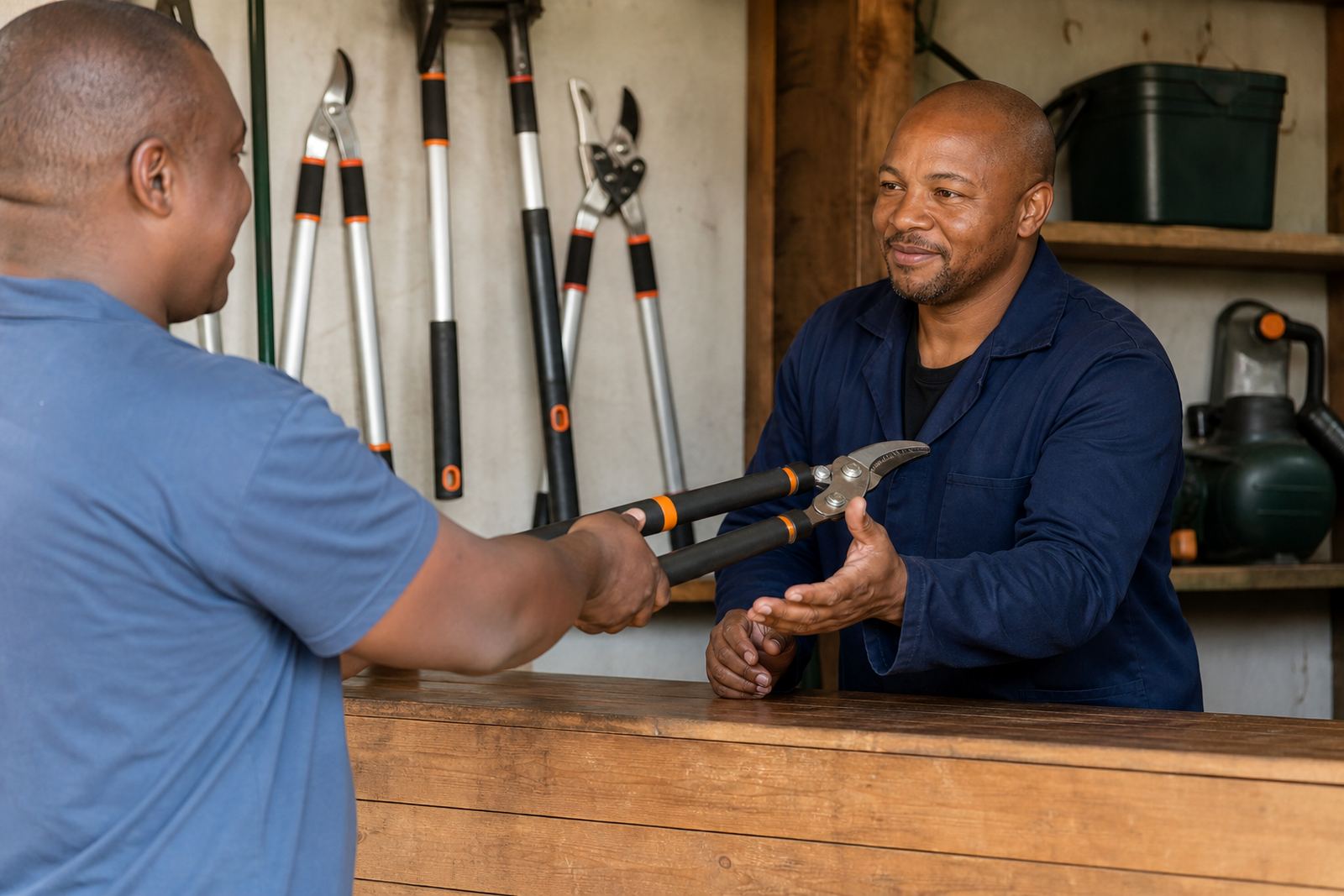
When you book, please include the tool type, the number of items, and whether you need sharpening, repair or a full clean-up. If your tools have been sitting in a shed through winter or after coastal humidity, mention that too as rust and stiff pivots need different attention.
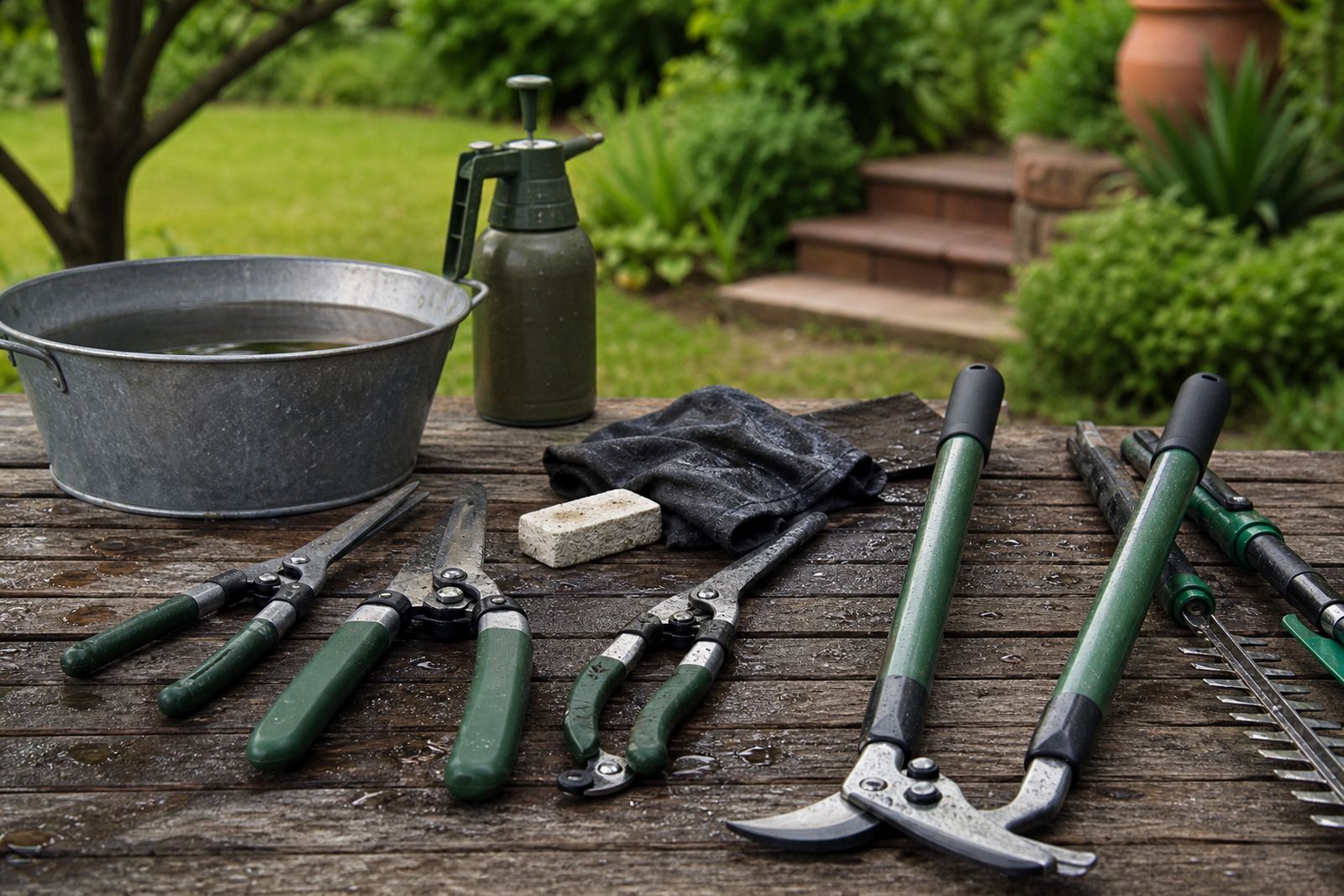
- Garden pruning shears
- Loppers
- Hedge tools
- Single tools or full sets
What our servicing team checks
Every booking is looked at by our support team before work starts. That helps us match the right service to the condition of the tool and avoid doing only part of the job when a full service would last longer. Megan van Wyk oversees tool care checks, while Jason Naidoo and Themba Dlamini coordinate intake and dispatch from Mkondeni, Pietermaritzburg.
We inspect the cutting edge, pivot action, spring tension, grip wear and any signs of rust or loose fittings. If a blade is chipped or a handle is cracked, we will note it and advise on the best fix. A quick clean can help, but in many cases a proper service is needed for smooth cutting and safer handling.
- Blade sharpness and alignment
- Pivot movement and tightening
- Spring condition and replacement needs
- Grip wear, rust and dirt build-up
Service options for busy gardens and fleets
We support one-off home repairs as well as larger maintenance runs for landscapers and gardening teams. If you manage several properties or a fleet of hand tools, ask about a fleet care plan so your equipment can be booked in on a regular cycle instead of waiting until it fails in the middle of the season.
Our services include blade sharpening, secateur servicing, lopper servicing, hedge shear servicing, spring replacement, grip replacement, pivot adjustment, rust removal, deep cleaning, parts fitting, tool inspections and fleet care plans. This is practical for teams working through peak growth periods, after heavy rain, or when load-shedding makes short window jobs harder to manage.
We work with tools used for light residential trimming as well as heavier daily use on commercial properties. If you are unsure which service you need, describe the symptom and we will help from there.
What to include before we book it in
A clear note saves time and helps us prepare the right service path. Please tell us what you are sending, what has changed, and whether the tool still cuts but feels rough, or if it has stopped working properly. Photos are helpful if the blade is damaged or the grip has split.
If you are a landscaper, it helps to tell us how often the tools are used and whether they are shared across a team. That gives us a better idea of wear and the correct servicing interval. A small typo on the form is fine, just be sure the contact details and quantities are correct so we can reply without delay.
- Tool type and quantity
- Problem description
- Your town or suburb
- Any urgency, such as an upcoming project
Serving Pietermaritzburg and stockist areas
Our base is in Mkondeni, Pietermaritzburg, and we support customers from surrounding stockist areas including Hilton and Howick, plus major centres across South Africa. Whether you are maintaining a small backyard in Durban or pruning a larger property in Pretoria, the booking process stays the same and the advice is practical.
KwaZulu-Natal gardens often face wet weather, fast growth and rust from damp storage, while inland tools may see dust and hard use in dry months. We understand those conditions and tailor the service to suit. That means checking not only the blade but the way the whole tool feels in your hand after servicing.
After-service care for longer tool life
Once your tools are serviced, a few simple habits will help them last longer. Wipe off sap and moisture after use, keep the pivot area lightly cleaned, and store tools in a dry place rather than leaving them in a vehicle tray or outside shed. If the tool starts sticking again, do not force it as that can wear the edge or loosen the joint.
If you work through many properties or keep a larger set of tools for seasonal work, schedule regular servicing before the busy months. That gives you cleaner cuts, better control and less downtime. The result is practical, not flashy: tools that open smoothly, cut properly and sit right in the hand.