Start with the kind of cutting you do most often
The best tool is the one that suits the work in front of you. For small stems, deadheading and light shaping, pruning shears are usually the first choice. For thicker branches on shrubs and small trees, loppers give you the extra reach and leverage you need. Hedge tools are for long, even cuts on formal hedges, screening plants and fast new growth after rain.
If you are unsure where to begin, think about the heaviest branch you cut in a normal week. That one detail usually points you to the right tool size and jaw type. In KwaZulu-Natal gardens where growth can move quickly after warm weather, many homeowners keep more than one tool on hand.
Match the tool to branch size and reach
Branch thickness matters more than brand names or looks. A good rule is to use pruning shears for stems up to about 20 mm, loppers for medium branches around 20 mm to 35 mm, and hedge tools for soft growth and hedge faces rather than hard woody stems. For taller shrubs, a longer handle can help you work from the ground instead of stretching or climbing.
- Pruning shears: best for flowers, soft shoots and neat close cuts
- Loppers: best for thicker branches and awkward spots deeper in the plant
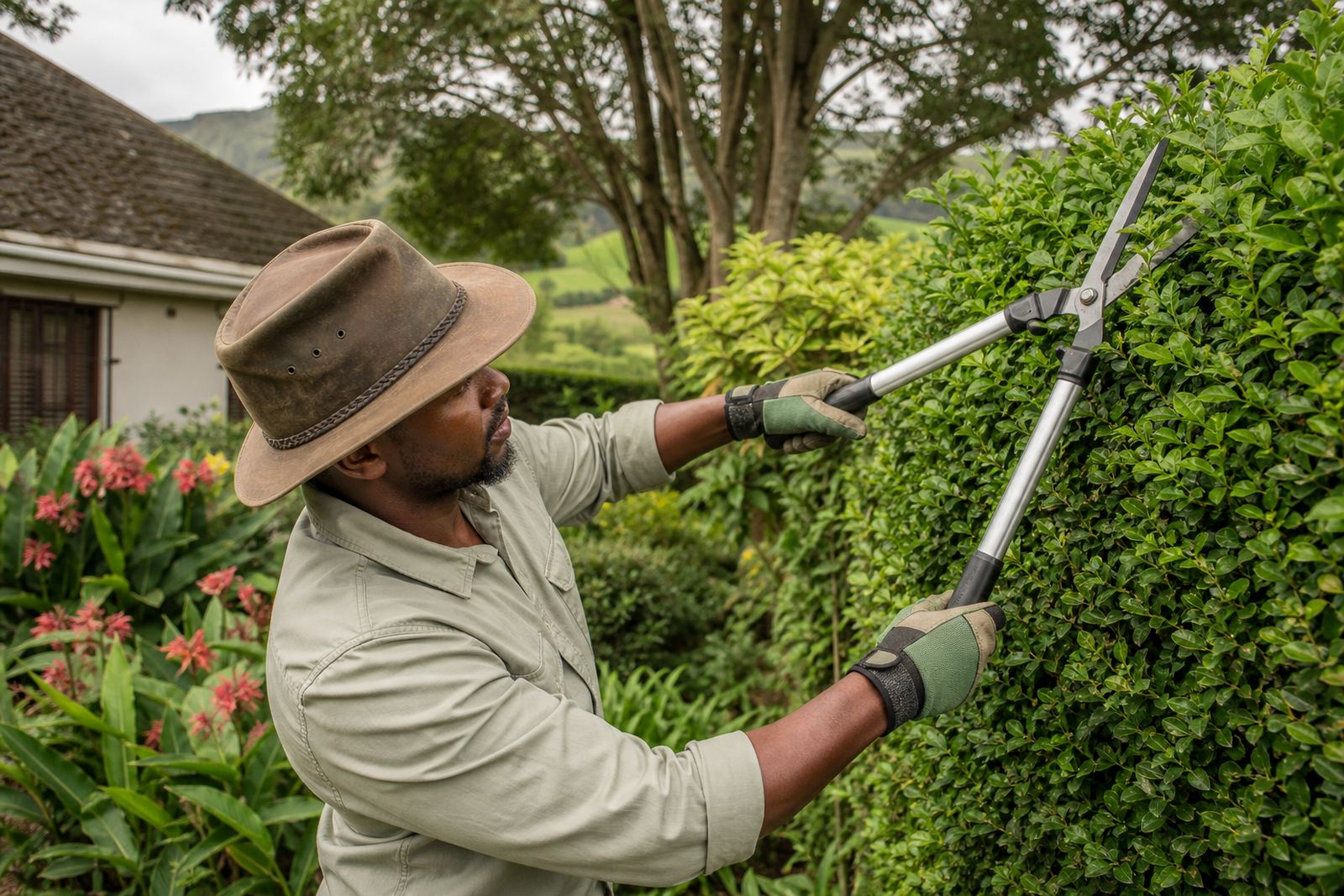
- Hedge tools: best for shaping, trimming and levelling hedge lines
- Long handles: useful for tall beds and larger properties in Pretoria, Cape Town and Gqeberha
When the handle feels too short, the job takes longer and your shoulders do the work instead of the tool.
Choose a handle that feels steady in the hand
Comfort matters because gardening often means repeated cuts, especially on weekends when the whole yard gets attention. Look for grips that do not slide when your hands are dusty, wet or wearing light gloves. A balanced tool with a smooth pivot is easier to control and less tiring over time.
In humid areas near the coast, grips and moving parts need regular care to stay in good working condition. If a tool starts to feel stiff, that is usually a sign it needs cleaning, oiling or a service rather than forcing through the cut.
- Check that the handles open and close without pinching
- Make sure the grip suits both gloved and bare hands
- Choose a tool weight you can use for at least 20 to 30 minutes comfortably
- Test the safety catch if the tool has one
Think about maintenance before you buy
A tool is only as good as the care it gets. If you prune often, it helps to choose equipment that can be sharpened, serviced and fitted with replacement parts. That is especially useful for landscapers and property teams handling many gardens across Pietermaritzburg, Durban and Johannesburg.
Look for practical features such as replaceable blades, easy pivot adjustment and parts that can be cleaned without fuss. Tools that are easy to maintain usually last longer and cut cleaner, which matters for plant health as well as your hands.
- Blade sharpening to keep cuts neat
- Spring replacement when action becomes weak
- Grip replacement for worn or slippery handles
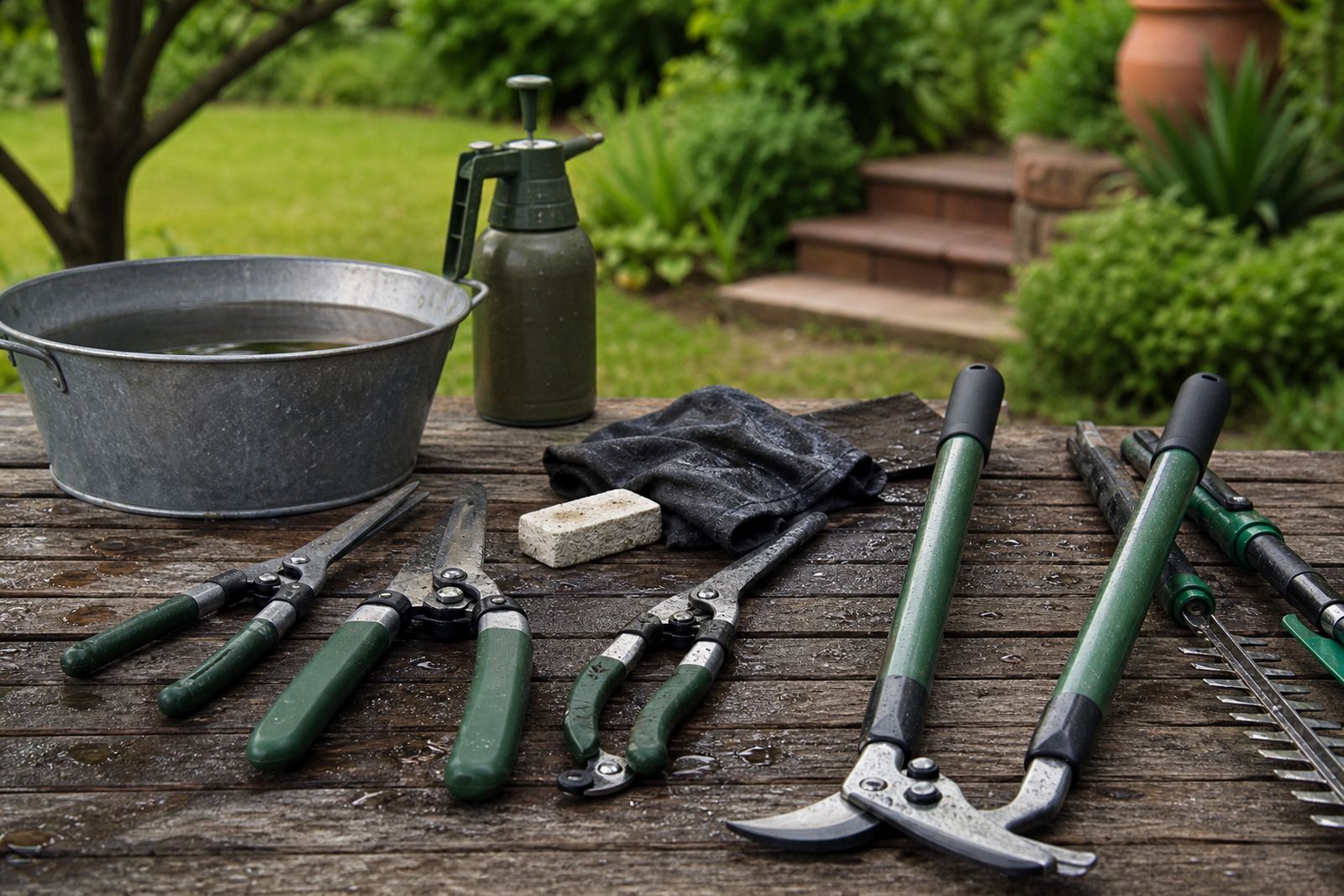
- Rust removal and deep cleaning after wet weather
How load-shedding and weather affect your tool choice
In South Africa, garden work does not always happen under ideal conditions. Load-shedding can shift your garden routine to shorter daylight windows, so it helps to have tools that are quick to grab, easy to store and simple to clean after use. In hot inland towns, growth can be fast and dense, while in coastal areas moisture can cause rust if tools are put away damp.
For that reason, many buyers choose tools that are straightforward to maintain and comfortable enough for short, focused sessions. If you are cutting after rain or in a very humid week, wipe the blades dry and store the tools properly. A small bit of care now avoids bigger repairs later.
Buying for home use or for a landscaping team
Home gardeners usually want one reliable tool for each common task. Landscapers and garden crews often need a set that can handle repeated use across different sites. If you manage a team, it helps to standardise by job type so everyone knows which tool to carry for light pruning, heavy cutting or hedge work.
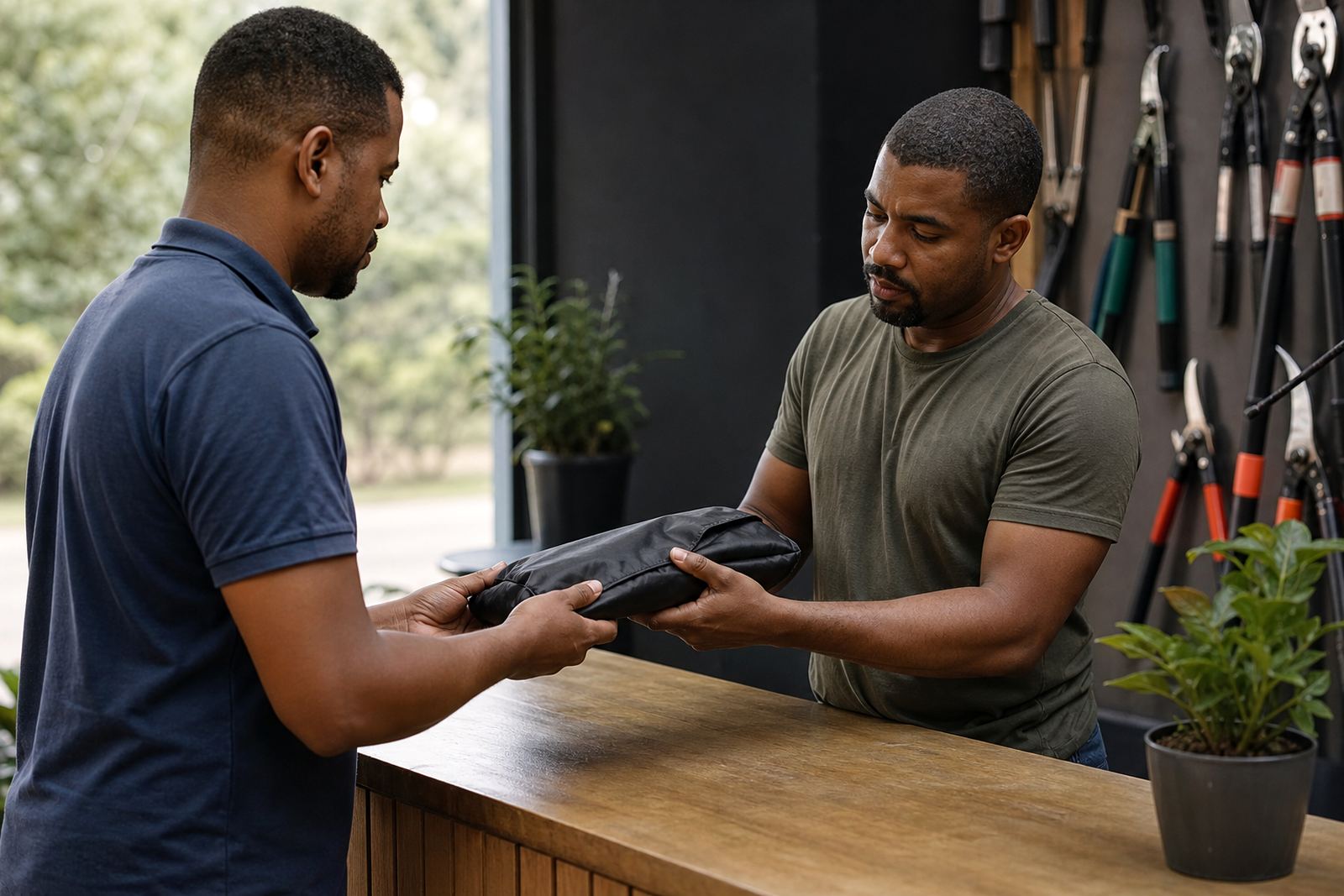
For larger operations, fleet care plans can help with inspections, servicing and regular maintenance across multiple tools. That keeps the cutting edge consistent and reduces downtime when a job is already on site.
- Home use: pick comfort, control and easy storage
- Small teams: choose durable tools that are simple to service
- Large crews: plan for inspections, parts fitting and scheduled care
If you are still not sure, ask these three questions
When the options all sound similar, a few practical questions will point you in the right direction. What am I cutting most often? How thick are the branches? Will this tool be used once a month or every day? The answers usually narrow the choice quickly.
If you need help deciding between pruning shears, loppers or hedge tools, send your question through the enquiry form on the contact page. Our team in Mkondeni, Pietermaritzburg can help match the tool to your garden, your workload and the kind of maintenance you expect over time.
- What plant or hedge am I working on?
- How thick is the toughest stem or branch?
- Do I need comfort for short jobs or repeated use?