How ratchet pruning shears work on thicker stems
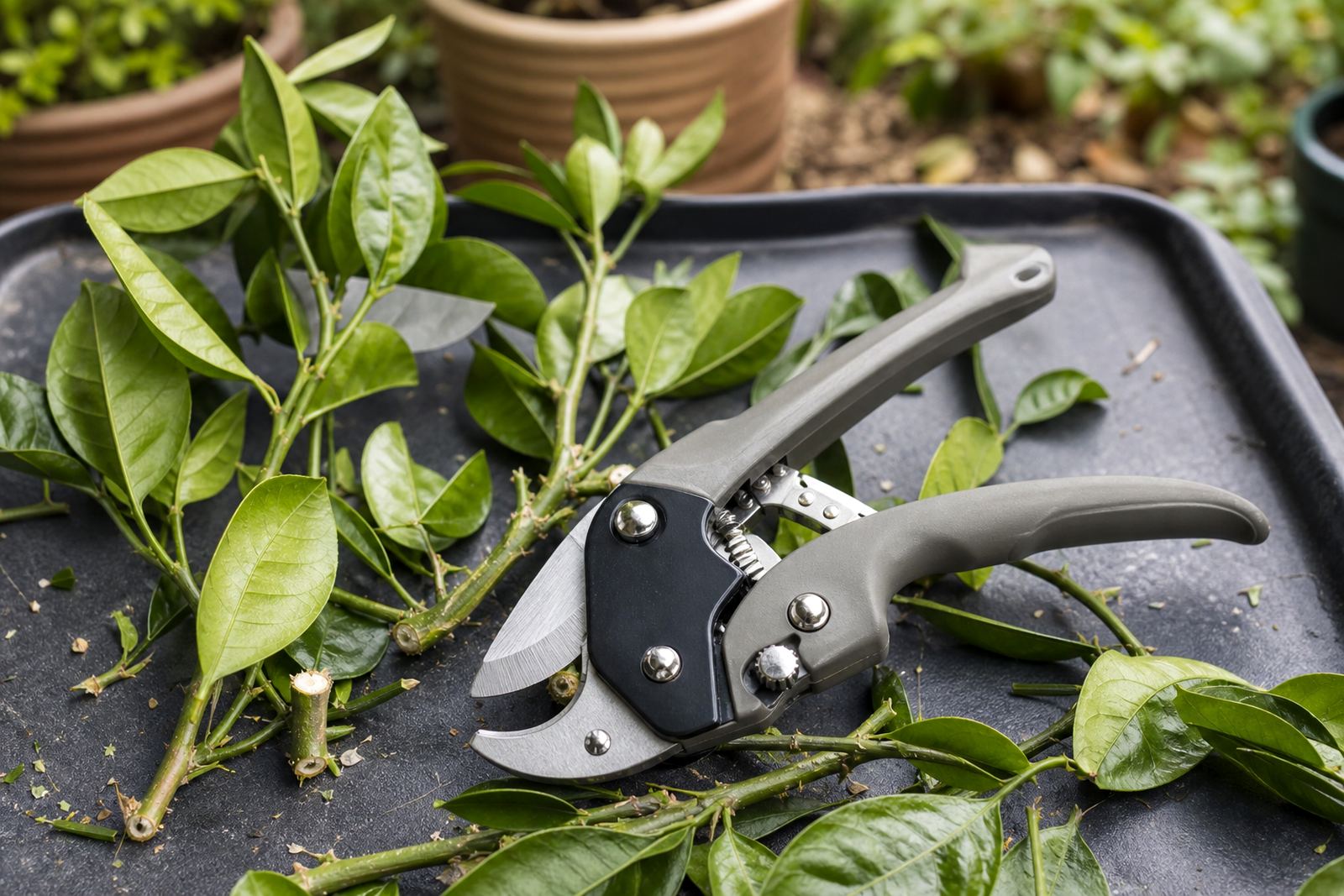
Ratchet pruning shears are built with a step-by-step cutting mechanism that lets the blades close in stages rather than all at once. That means the load is spread over several squeezes, which helps on rose canes, woody shrubs, soft fruit pruning and mixed garden work where normal secateurs can start to strain the hand.
They are useful in Pietermaritzburg gardens where fast growth, damp winter mornings and occasional coastal humidity can make pruning jobs more frequent. The ratchet action gives extra leverage on stems that are too hard for light secateurs but do not need a saw. For most users, the result is less fatigue and a neater finish, especially when trimming for municipal verge upkeep or routine home garden care.
Sizes, blade types and grip options
Our ratchet pruning shears are normally chosen by blade length, handle size and whether the tool is aimed at left or right hand comfort. Most models sit in the hand neatly and are sized for everyday pruning, with a cutting capacity that suits medium to thicker stems. If you are buying for a team, it helps to match the handle shape to the user, because a grip that feels right on the first cut can make a long day much easier.
- Overall length: commonly around 200 mm to 230 mm
- Cutting capacity: typically up to 20 mm to 25 mm, depending on stem hardness
- Blade style: bypass for cleaner cuts on living growth
- Handle options: cushioned grip, non-slip finish or lighter weight alloy styles
- Locking system: simple safety catch for transport and storage
When working along the coast or in busy landscaping rounds, look for a tool with corrosion resistance and a handle that stays comfortable even when hands are damp. That small detail makes a real difference.
Where ratchet shears suit the job
These shears suit backyard gardeners, smallholding maintenance, nursery work and landscape teams that prune in batches. They are especially handy for rose beds, ornamental shrubs, young trees, fruiting plants and boundary hedging where stems vary in thickness from one section to the next. If you are tidying after rain or clearing growth after a load-shedding-related irrigation cycle, the ratchet action keeps the cut predictable.
For larger commercial properties, they work well as part of a mixed tool kit alongside hedge shears and loppers. A crew can use them for detail pruning around paths, walls and planting beds where a bigger tool would be awkward. They are not intended for very thick branches, but for the usual pruning mix found in Durban, Pretoria and Cape Town gardens, they cover a lot of ground.
- Best for live stems and woody growth under medium diameter
- Useful where repeated cuts would tire the hand
- Good for fine control around flower beds and compact shrubs
- Handy for both one-off home jobs and regular estate maintenance
No power, gas or installation required
Ratchet pruning shears are hand tools, so there is no installation, no fuel and no charging needed. You simply check that the blade is clean, the lock opens smoothly and the pivot moves without sticking, then start pruning. That makes them practical for areas affected by load-shedding or for crews moving between properties where charging gear is not always on hand.
Because there is no motor or gas system, setup is quick and storage is straightforward. Keep the shears in a dry toolbox or dispatch tray, away from fertiliser spills and wet grass. If they are being carried in a vehicle between Pietermaritzburg, Howick and Durban, a blade cover or simple wrap helps prevent nicks and rust spots.
Care, sharpening and servicing that keeps the cut clean
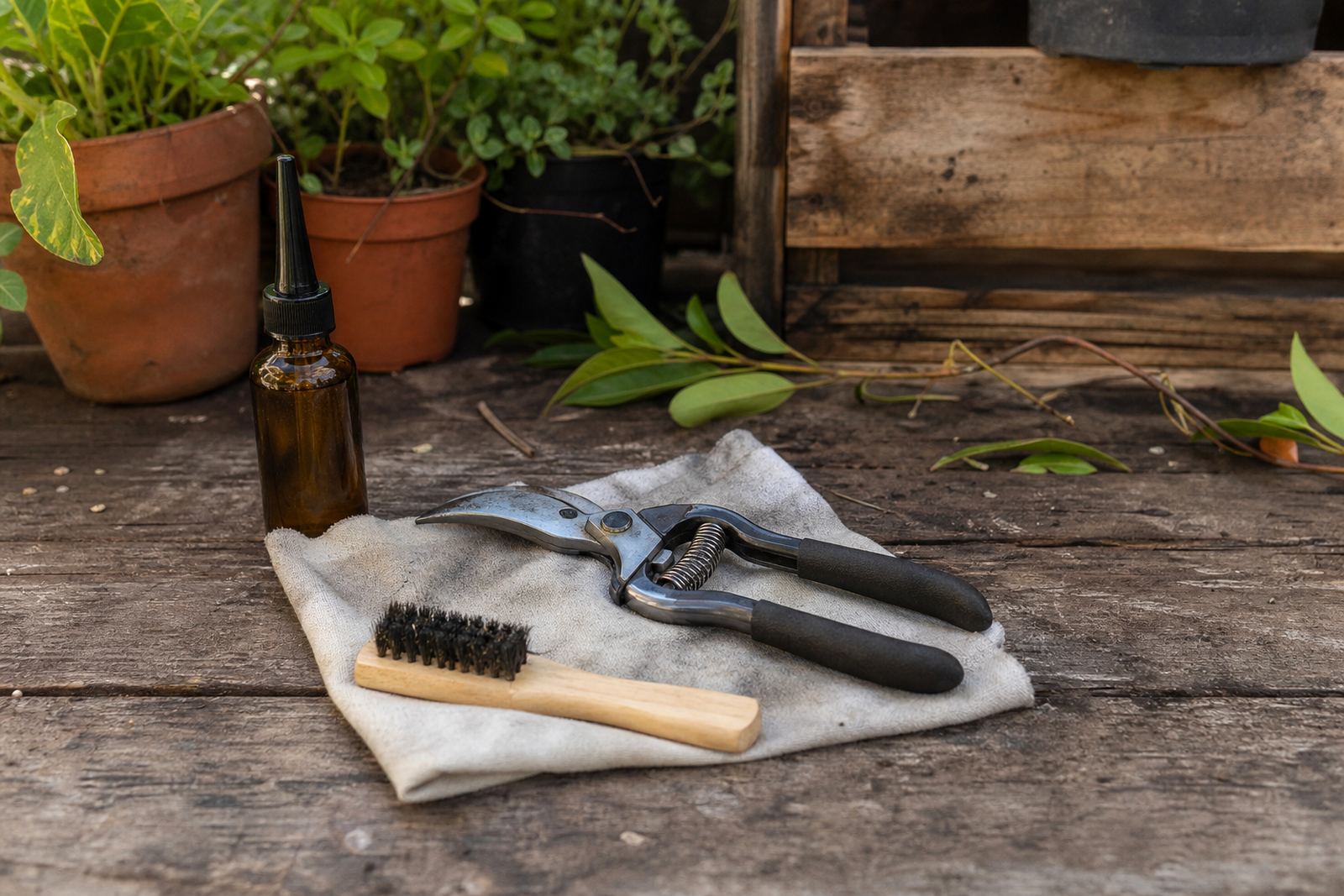
Like any cutting tool, ratchet shears perform best when the blade stays sharp and the pivot stays free of dirt. After use, wipe off sap, rinse away gritty soil and dry the tool before storing it. In humid weather, a light coat of oil on the moving joint helps prevent stiffness and rust. If the cut begins to crush rather than slice, the blade may need sharpening or the pivot may need adjustment.
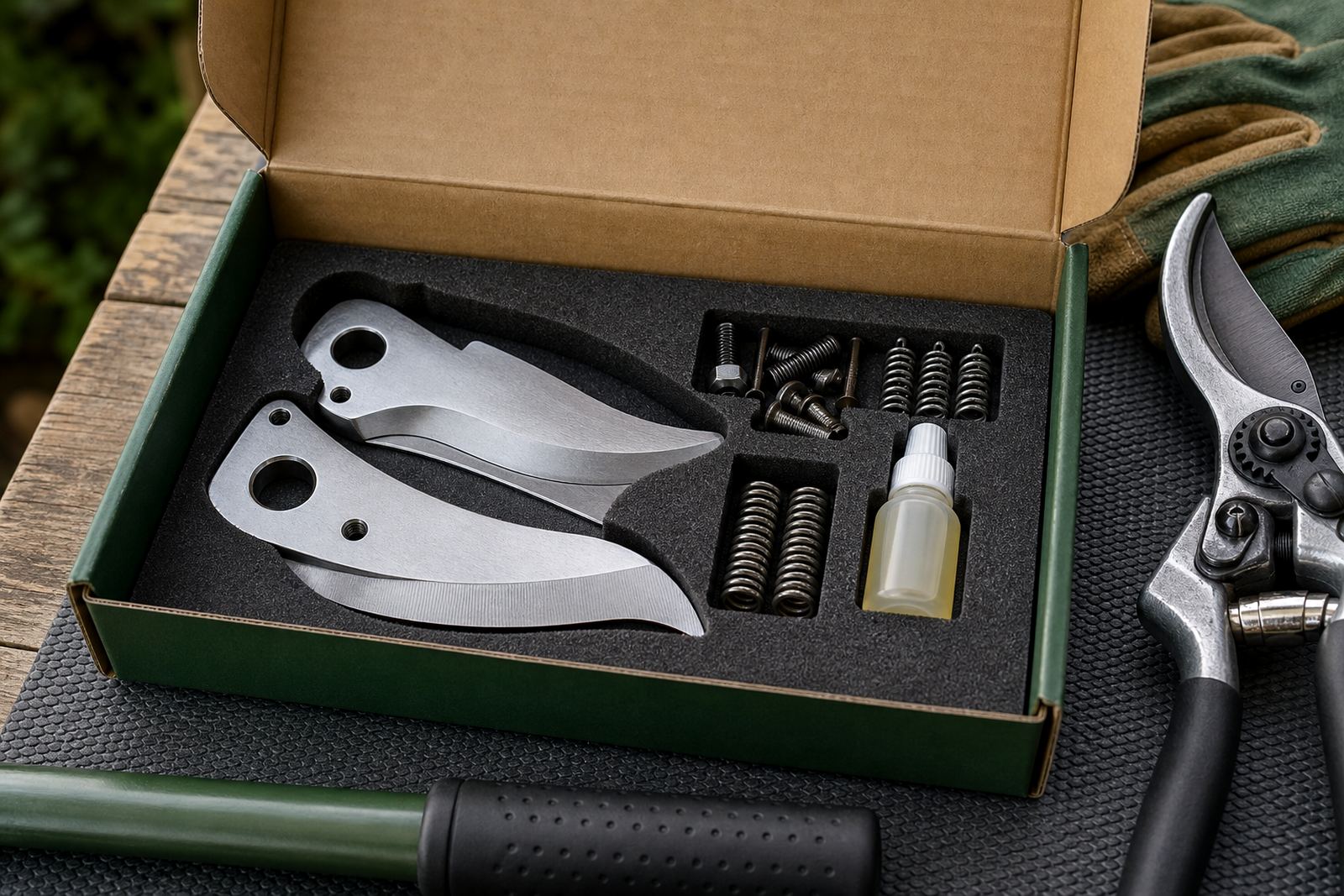
- Blade sharpening for cleaner cuts and less stem bruising
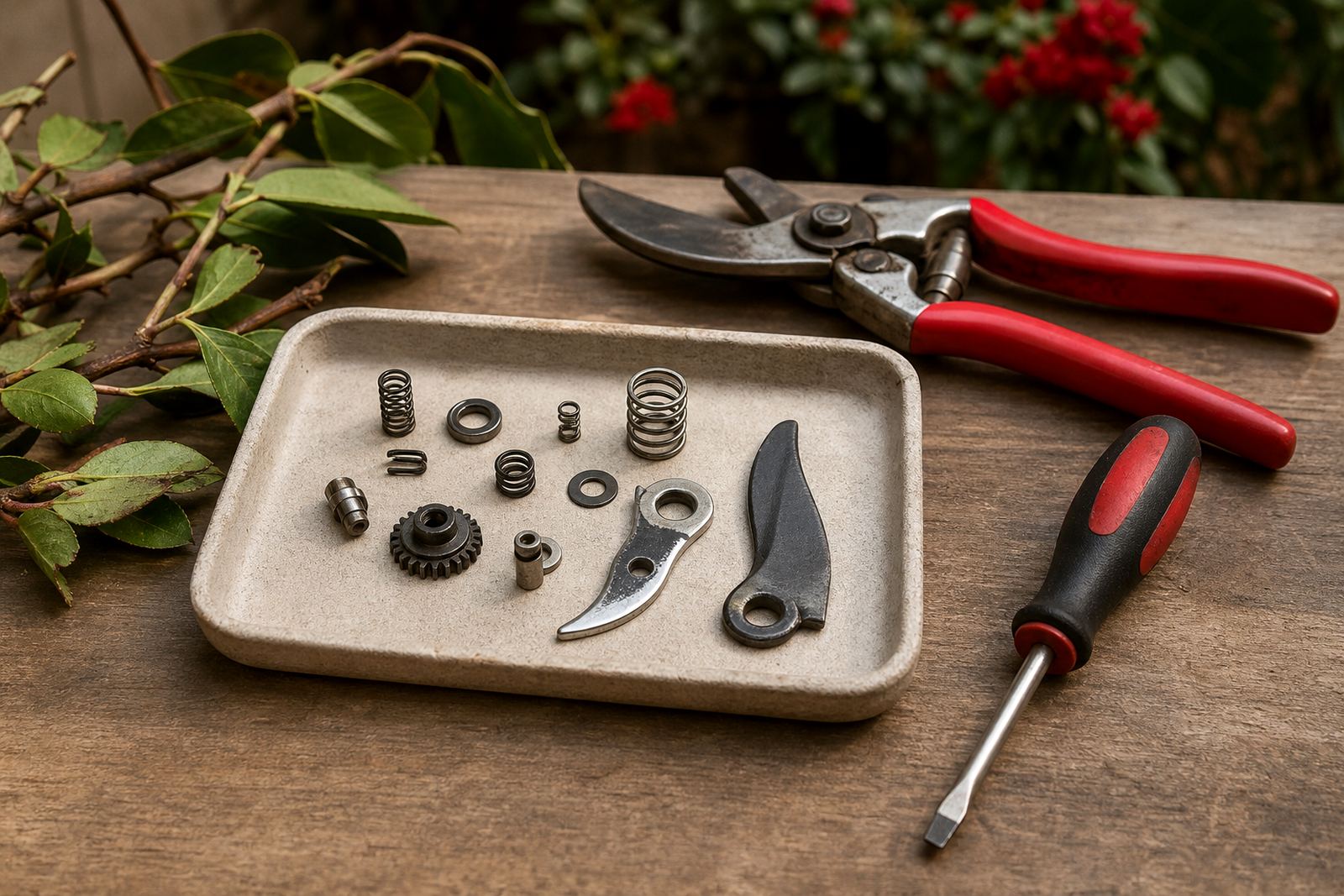
- Pivot adjustment to restore smooth ratchet action
- Spring replacement if closing tension feels weak
- Rust removal and deep cleaning after wet-season storage
- Grip replacement if the handles have worn or split
For fleet users, routine inspections are worth it. A small service before the busy growing season can save time on site and keep the whole team working with the same feel from one tool to the next.
What to check before you order
Before ordering, check the stem size you plan to cut, the hand size of the main user and whether the tool will be used daily or only for seasonal pruning. If you need a shear for older hands or for repeated work on stubborn stems, choose a model with a wider grip and a dependable lock. For landscaping teams, it is worth confirming whether you want a right-hand only tool or a more general fit for mixed staff use.
Also check blade material, handle finish and the availability of parts. A good pruning shear should be easy to maintain, not difficult to service. If you are running jobs across Johannesburg, Pretoria, Gqeberha or Cape Town, order with enough spares for the crew so the tool stays in service rather than sitting in a drawer waiting for a simple part.
Key facts
| Product type | Ratchet pruning shears for hand pruning |
|---|---|
| Cutting action | Staged ratchet cut to reduce hand strain |
| Typical cutting capacity | Up to 20 mm to 25 mm depending on wood hardness |
| Common lengths | About 200 mm to 230 mm overall |
| Blade style | Bypass cutting blade for live growth |
| Maintenance | Sharpening, pivot adjustment, spring and grip replacement, rust removal |