Made for clean lawn edges and tighter spots
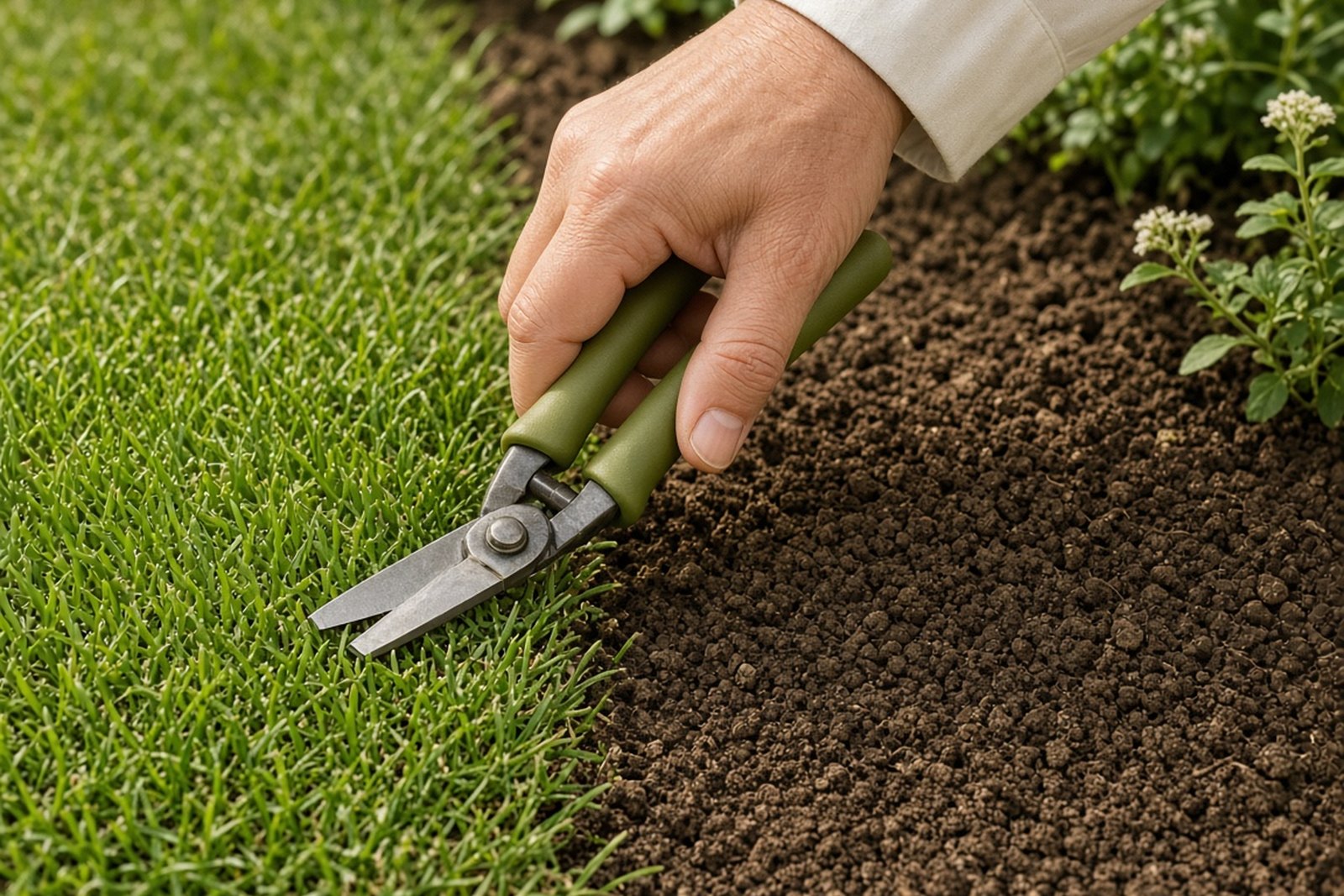
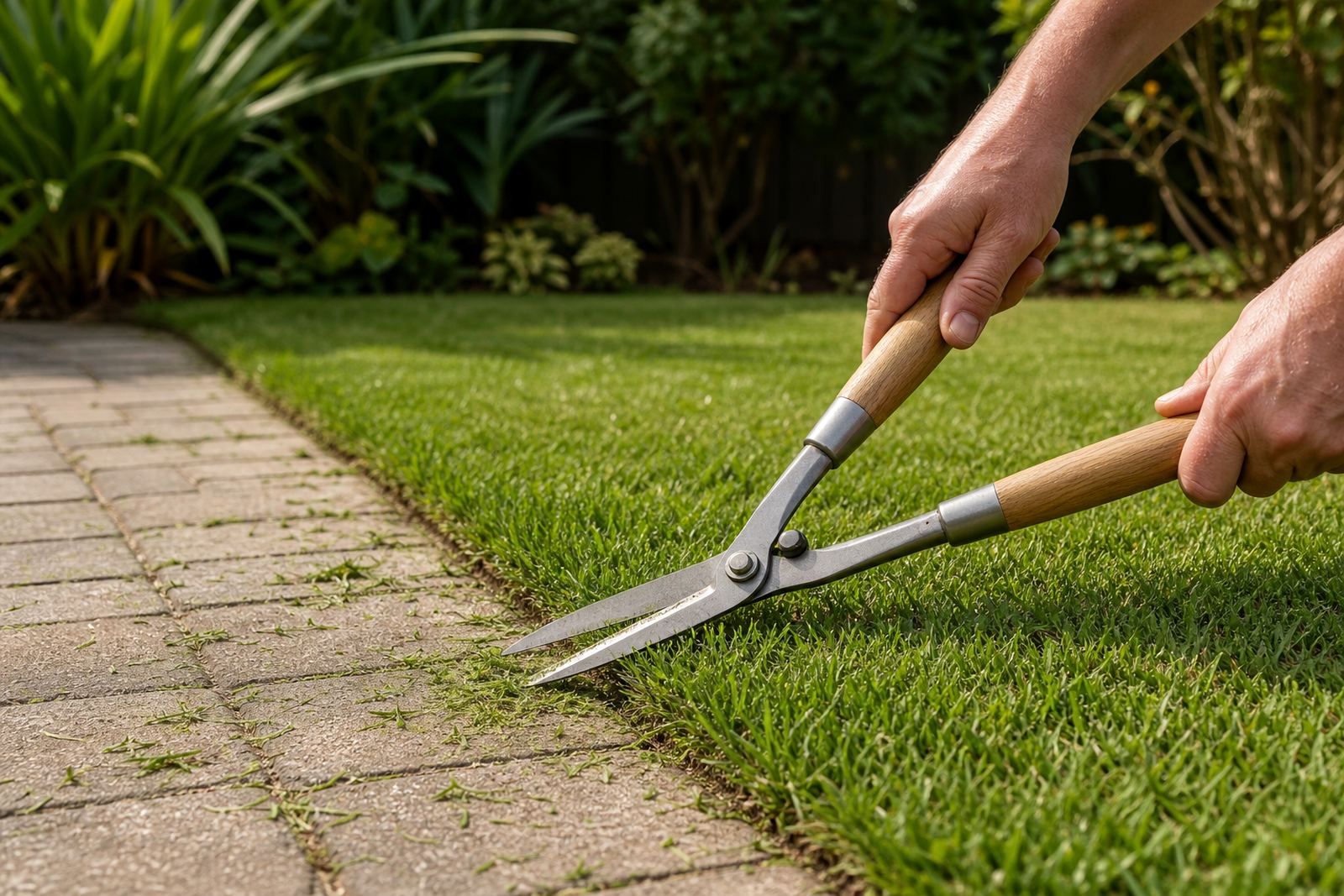
Grass edge shears are hand tools used to trim the overgrowth that collects along paths, kerbs, edging bricks, and around planting beds. They are a smart choice when you need a clean line without bringing in powered equipment, and they work well for shaping the last few centimetres of a lawn after mowing. In Pietermaritzburg and coastal towns like Durban, they are also useful where damp grass grows quickly after rain and the edges start to fray.
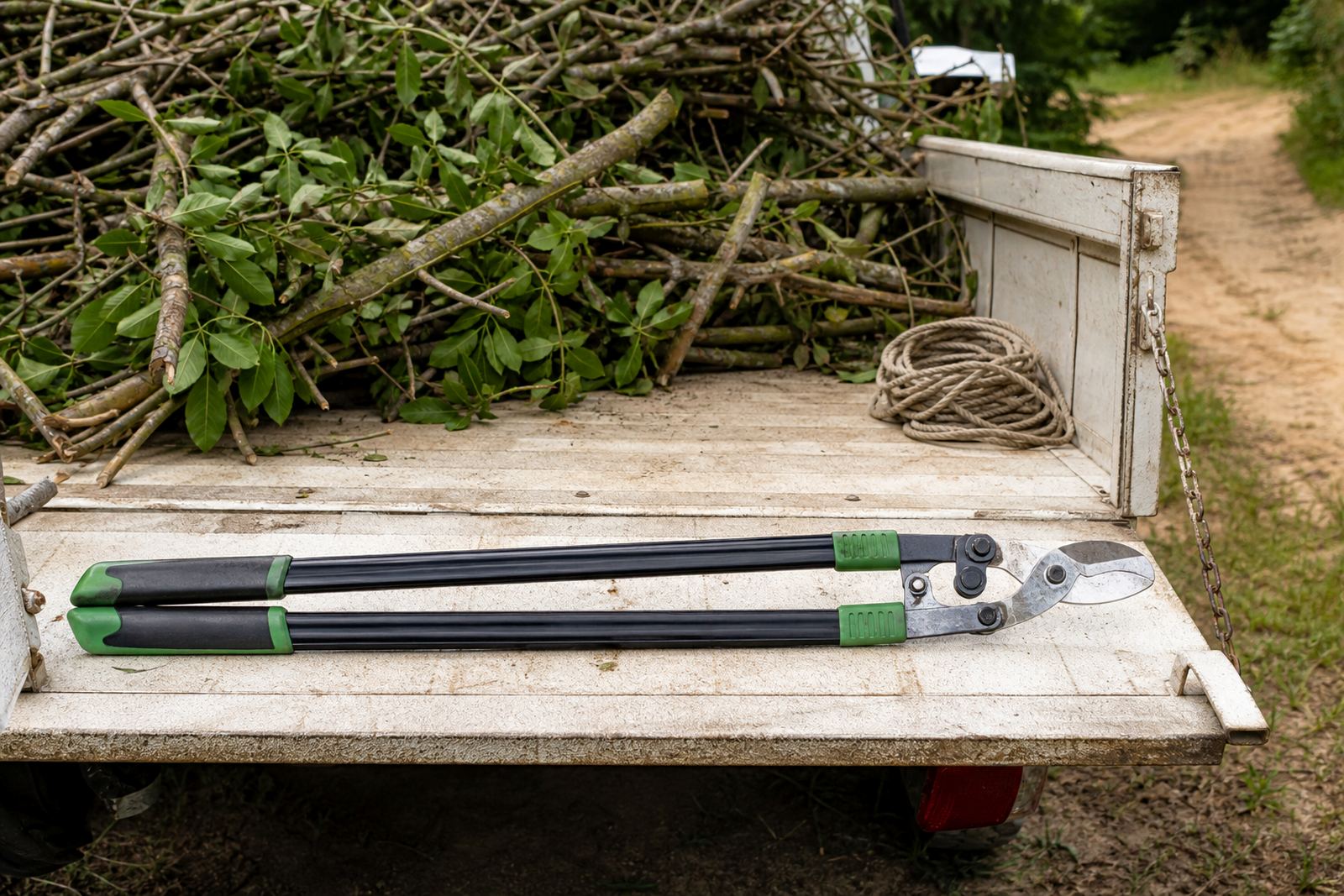
These shears are usually preferred for smaller to medium garden areas, though many landscapers keep a pair on the bakkie for touch-up work on bigger sites. They are quiet, need no electricity or petrol, and can be used any time of day, which is handy during load shedding or in areas where noise must be kept down.
Sizes, blade shapes and handle options
Grass edge shears come in a few practical styles. Shorter blades give tighter control for small borders and careful shaping, while longer blades cover more ground and suit larger lawns. Most models have straight cutting blades, although some users prefer slightly angled heads because they reduce wrist strain when working low to the ground.
Handle length and grip shape matter too. A longer handle can help reduce bending, while soft grip handles are easier on the hands during repeated use. For regular work, many buyers look for hardened steel blades, a strong pivot and a lock that keeps the blades closed when not in use. That makes transport and storage much safer.
- Blade lengths commonly used: about 200 mm to 300 mm
- Overall tool length can range from about 500 mm to 700 mm
- Blades may be straight or lightly serrated for grip on thicker grass
- Handles may be plain metal, coated, or fitted with comfort grips
Where grass edge shears work best
These shears suit gardens where edging needs regular hand finishing, especially around paved paths, pool surrounds, vegetable beds and narrow strips where a motorised trimmer may throw debris. They are also useful where municipal rules, body corporate rules or neighbours call for quieter maintenance early in the morning or on weekends. If you maintain gardens in Hilton, Howick or parts of Pretoria with neat formal lawns, a good pair of edge shears can save time on finishing work.
Landscapers often use them on sites with decorative borders, river stones or raised beds, because a hand tool gives better control around delicate plants. On windy days near the coast, a quiet manual tool is also easier to use than a small powered cutter, especially when you only need to tidy a short run of edgeing.
- Home gardens with paved edges and small lawns
- Residential complexes and office gardens
- Nurseries, estates and school grounds
- Sites where careful, low-noise trimming is needed
No power or fuel needed, just proper handling
Grass edge shears are fully manual, so there is no cord, battery, charger or fuel to manage. That makes them useful in places where power interruptions can interrupt the working day, and they are easy to keep in the shed, garage or service vehicle. For many gardeners, that simplicity is part of the appeal. You pick them up and get on with the job, no waiting around.
Good handling makes a difference. Keep the blades level with the edge of the lawn, use short steady cuts, and avoid twisting through dry sticks or stones because that can blunt the edge quickly. If you are working for long periods, choose a model with comfortable grips and a weight that feels balanced in the hand. A tool that feels too heavy will slow you down and leave your wrists tired by lunch time.
- No electricity, battery charging or petrol required
- Quiet operation for early starts and shared spaces
- Best used on grass, not on hard woody stems
- Handheld use gives better control around borders and pots
Care, sharpening and servicing that keeps them cutting well
To keep grass edge shears working properly, wipe the blades after use and remove sap, soil and moisture before storing them. In coastal areas like Durban or Gqeberha, this matters even more because salt air can encourage rust. A light oil on the pivot and blade surfaces helps protect the metal, and a dry storage spot will extend the life of the tool. Avoid leaving them lying outside after use, even for one night if you can help it.
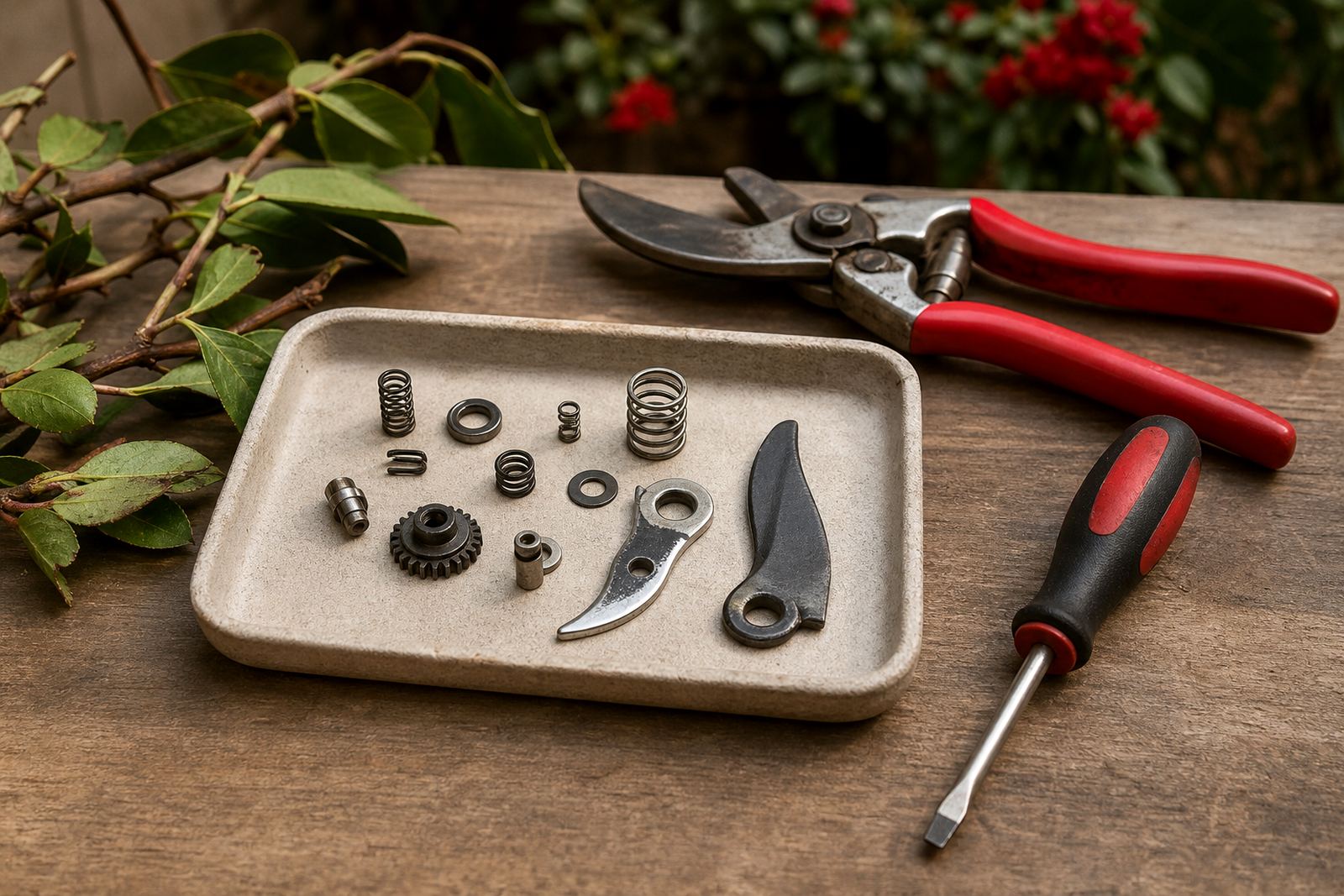
Cut Tools Garden can assist with blade sharpening, pivot adjustment, spring replacement, deep cleaning, rust removal and parts fitting. If the shears start to feel stiff or the cut becomes ragged, it is often a sign that they need attention. Regular servicing is especially worth it for landscapers who use the same tools every week across multiple sites.
- Clean after use and dry before storing
- Oil the pivot and moving parts regularly
- Sharpen when grass starts to crush instead of cutting cleanly
- Check for loose fasteners, bent blades or worn grips
What to check before you place an order
When ordering grass edge shears, check the blade length, total tool length, handle comfort and whether the head angle suits your working posture. Also look at the thickness of the blade steel and the quality of the pivot, because those two parts affect how long the tool will last under regular use. If you will be using them for estate work or maintenance rounds, ask whether the grip material is easy to hold with wet hands.
It is also worth checking how the blades open and close, whether there is a locking catch for transport, and whether replacement parts are available later. For teams working from Pietermaritzburg through to Johannesburg and Cape Town, practical details matter more than fancy promises. A tool that is easy to service, store and carry will save effort over time.
- Blade length and overall length
- Comfort of the grips and handle angle
- Blade material and pivot strength
- Locking catch, maintenance needs and spare parts availability
Clients can send an enquiry through the contact page to ask about stock, servicing and supply for homes, landscapers and garden teams. Cut Tools Garden operates from Mkondeni, Pietermaritzburg and supplies across South Africa, with support for stockists in Pietermaritzburg, Hilton, Howick, Durban, Johannesburg, Pretoria, Cape Town and Gqeberha.
Key facts
| Product type | Manual grass edge shears for lawn borders and finishing work |
|---|---|
| Typical blade length | 200 mm to 300 mm |
| Typical overall length | 500 mm to 700 mm |
| Power needs | None, fully manual |
| Best use | Paving edges, beds, kerbs, narrow strips and quiet touch-up work |
| Care | Clean, dry, oil pivot, sharpen blades and service when movement stiffens |