What a Long Reach Pruner is used for
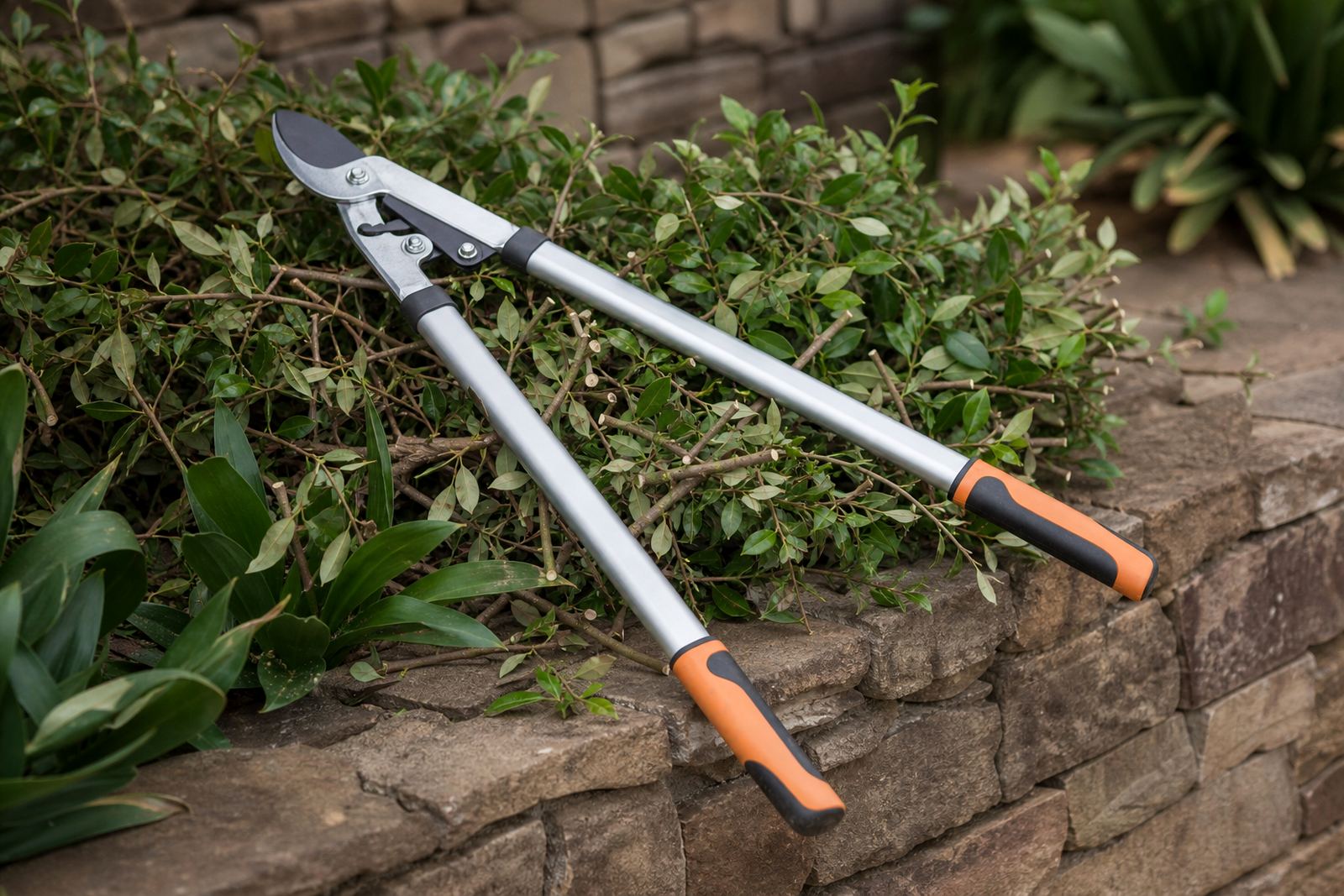
A long reach pruner is a hand tool with an extended shaft and a cutting head at the end, made for branches, climbers and growth that sits out of arm's reach. It is commonly used for pruning overhead shrubs, cutting back fruit tree shoots, tidying boundary planting and reaching into rose beds or hedge tops without crushing the plant below. On mixed sites in KwaZulu-Natal, where growth can be dense after summer rain, the extra reach saves time and keeps the work neat.
For many users, the real value is control. You stay on firm ground, keep both feet stable and can work around paving, walls and mulched beds without dragging a ladder across the garden. That matters in smaller Pietermaritzburg yards as much as it does on larger properties in Hillcrest, Umhlanga or Midrand where access is often tight. The cut is cleaner too, which helps plants recover faster and reduces ragged ends that can split in damp weather.
Sizes and reach options to choose from
Long reach pruners are normally selected by total length, cutting capacity and the style of head. Shorter models are easier to guide and suit light garden work, while longer models help with higher branches and overgrown back lines. For most home gardeners, a reach of around 1.5 m to 2.5 m is practical. For landscapers and maintenance teams, longer units are useful when working on tall shrubs or over boundary walls, but they must still be balanced enough for regular use.
- Approximate reach options: 1.5 m, 2 m, 2.5 m and longer specialist versions
- Typical cutting capacity: 10 mm to 30 mm depending on the head type
- Blade types: bypass for living growth, anvil style for tougher dry stems
- Handle styles: fixed length or telescopic for added reach and storage ease
When comparing options, check the weight as well. A tool that is too heavy becomes tiring on a long day, especially when you are working above shoulder height. Balanced handles and a smooth action matter just as much as blade size, and they help avoid uneven cuts or wrist strain.
Where it suits best in South African gardens
This tool suits a wide range of spaces, from compact suburban gardens in Pietermaritzburg to larger properties in Durban North, Centurion, Pretoria East and the Southern Suburbs of Cape Town. It is especially useful where vegetation grows over paths, water tanks, walls or neighbours' fences. In coastal areas, where humidity can leave blades sticky and dull faster, a clean cutting action also helps reduce plant damage and keeps maintenance predictable.
It is a good fit for gardeners working around shrubs, hedging and small trees, as well as for landscapers doing regular estate maintenance. The tool is also handy for schools, office parks and sectional title complexes where access is limited and safety rules are strict. If your team has to work in occupied spaces or near parked cars, reaching from the ground is safer and quicker than moving ladders around all morning.
- Home gardens with high shrubs or narrow side passages
- Estate and body corporate maintenance
- Roadside, verge and boundary pruning
- Fruit tree tidy-up and light corrective pruning
How it works and what it needs to get going
A long reach pruner usually works with manual force, so there is no power connection, fuel, battery charging or engine servicing required. That makes it useful during load-shedding and for sites where you want a quiet tool with no exhaust fumes. For most users, the only setup is checking the blade alignment, tightening any shaft joints and making sure the cutting head moves freely before use.
If the model has a telescopic shaft, extend it fully and lock it before cutting. If it uses a cord or lever action, test the return movement first so the blades close properly under pressure. On uneven ground, keep the tool pointed away from the face and work in short, controlled cuts rather than trying to force through thick stems in one go. That gives a cleaner finish and reduces wear on the pivot. It also makes the work feel less tiring, especially on longer pruning jobs.
Care, servicing and blade condition
Good care keeps a long reach pruner cutting well for many seasons. After use, wipe off sap, grass juice and dust, then dry the blade before storage. In humid coastal areas like Durban and Gqeberha, a light oil on the metal parts helps prevent rust spots from forming overnight. If the tool is used on dirty or resinous growth, deep cleaning is worth doing sooner rather than later.
Our servicing support covers blade sharpening, spring replacement, pivot adjustment, grip replacement, rust removal, deep cleaning and parts fitting. For fleet users and landscaping teams, regular inspections help identify loose joints or worn cutting edges before they become a problem on site. A sharp blade needs less force, gives a better cut and is safer to handle, because the tool does not bind or slip as easily.
- Clean after every job and store dry
- Oil moving parts lightly after washing
- Sharpen when the tool starts crushing stems instead of cutting
- Check for play at the pivot and wear in the grip areas
What to check before you order
Before ordering, check the branch size you plan to cut, the height you need to reach and whether you prefer bypass or anvil action. Make sure the length suits your frame and the way you work, because a very long unit can be harder to guide in tight beds. For hedge or tree work near walls and paving, a lighter head may be easier to control than a heavier cutting head that feels bulky after a few passes.
It also helps to confirm whether you need spare blades, replacement springs or servicing support for regular use. If the tool will be shared between staff, ask about grip comfort, lock points and how easy it is to store in a work van or garden shed. When you enquire through our contact page, include the kind of growth you are pruning, the approximate branch thickness and the area you work in, so the right option can be matched to the job. That saves back-and-forth and helps get the job done properly the first time.
- Branch thickness to be cut
- Required reach in metres
- Blade style preference
- Whether servicing or spare parts may be needed
Key facts
| Product type | Manual long reach pruner for overhead and awkward pruning |
|---|---|
| Reach | Approx. 1.5 m to 2.5 m standard options, longer specialist lengths available |
| Cutting capacity | Typically 10 mm to 30 mm depending on head and blade style |
| Blade material | Hardened steel cutting blade with matched counter blade or anvil |
| Power or fuel | None required, fully manual operation |
| Typical use | High shrubs, small tree branches, climbers and boundary growth |